
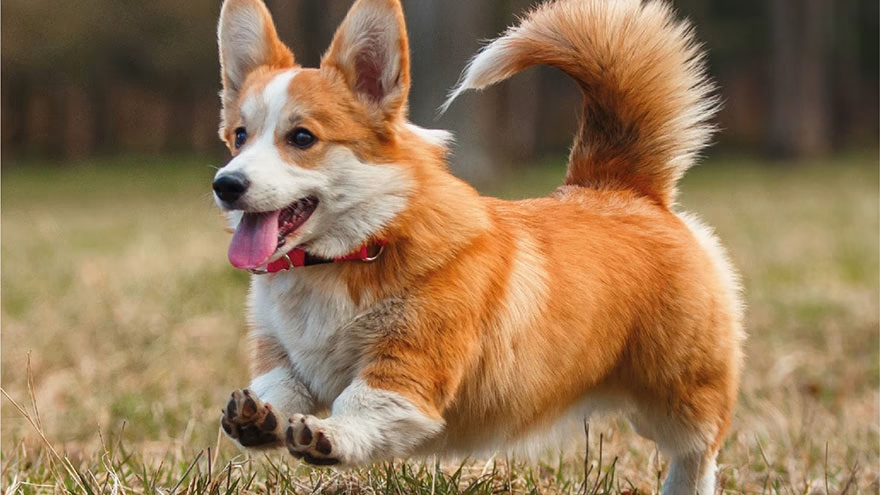
A Pembroke Welsh Corgi may be short, but the training problem is not small. This is a bright herding dog in a compact body, with opinions, speed, a strong voice, and a history of moving livestock. A useful Pembroke Welsh Corgi training guide starts by giving that brain a job, teaching boundaries early, and preventing heel-nipping, barking, and bossiness from becoming household entertainment.
What should you understand before training a Corgi?
Pembrokes are herding dogs, not lap props. The AKC describes the Pembroke Welsh Corgi as a strong, athletic, lively little herder that is affectionate and companionable. The AKC Pembroke Welsh Corgi page is a useful baseline because it explains why training has to include both manners and activity.
A Corgi may learn fast and test boundaries just as fast. Repeating a cue louder is less useful than making the rule clear, rewarding the right choice, and managing the environment so the wrong habit does not keep paying.
If you are comparing training needs across small breeds, Livecub's Miniature Schnauzer questions guide is a reminder that small dogs still need structure.
Which foundation skills matter first?
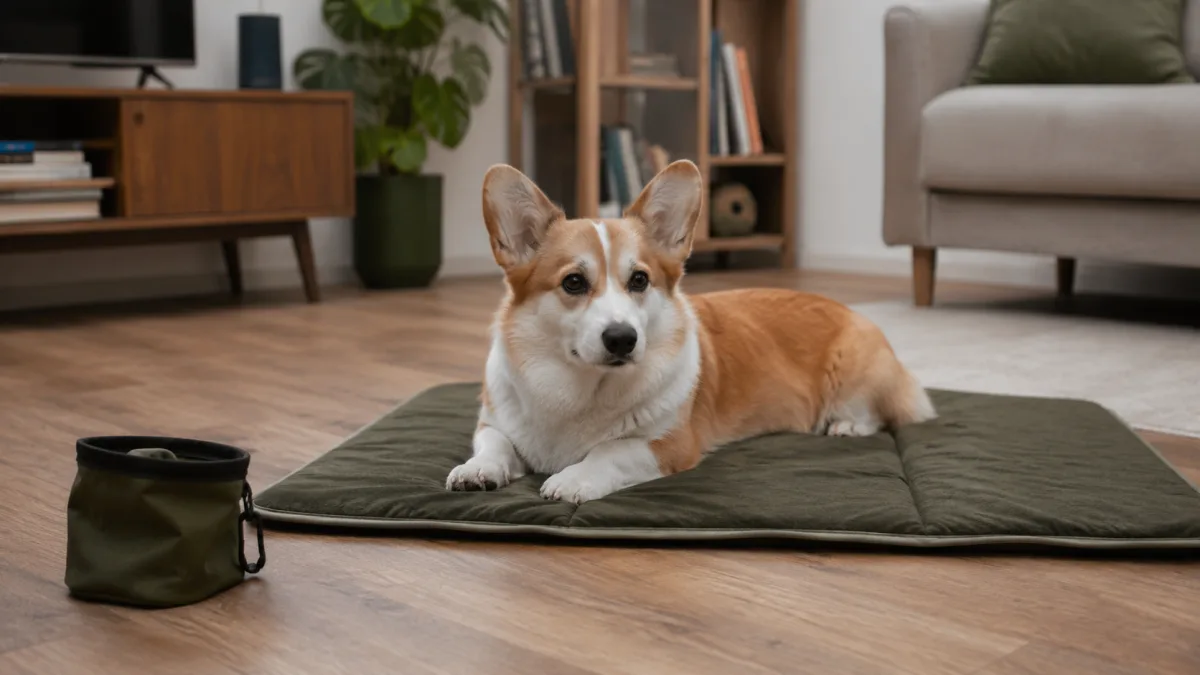
Start with name response, recall, settle, leave-it, polite greetings, leash walking, handling, and a release cue. These skills make the house calmer before you chase fancy tricks. A Corgi who can pause and look back at you is easier to redirect from motion, noise, and visitors.
Name response and recall
Say the name once, mark the head turn, and reward. Build recall in easy rooms, then the yard, then low-distraction public spaces. Do not burn the cue by calling when you cannot reward or when the dog is already sprinting toward something better.
Settle and mat work
Teach a mat as a place to relax during meals, door activity, and family chaos. Herding dogs often need help learning that watching quietly is also a job.
Handling
Practice paws, ears, mouth, brushing, collar touch, and gentle restraint. Grooming, nail trims, and vet visits are easier when handling is trained before the dog objects.
How do you manage herding instincts?
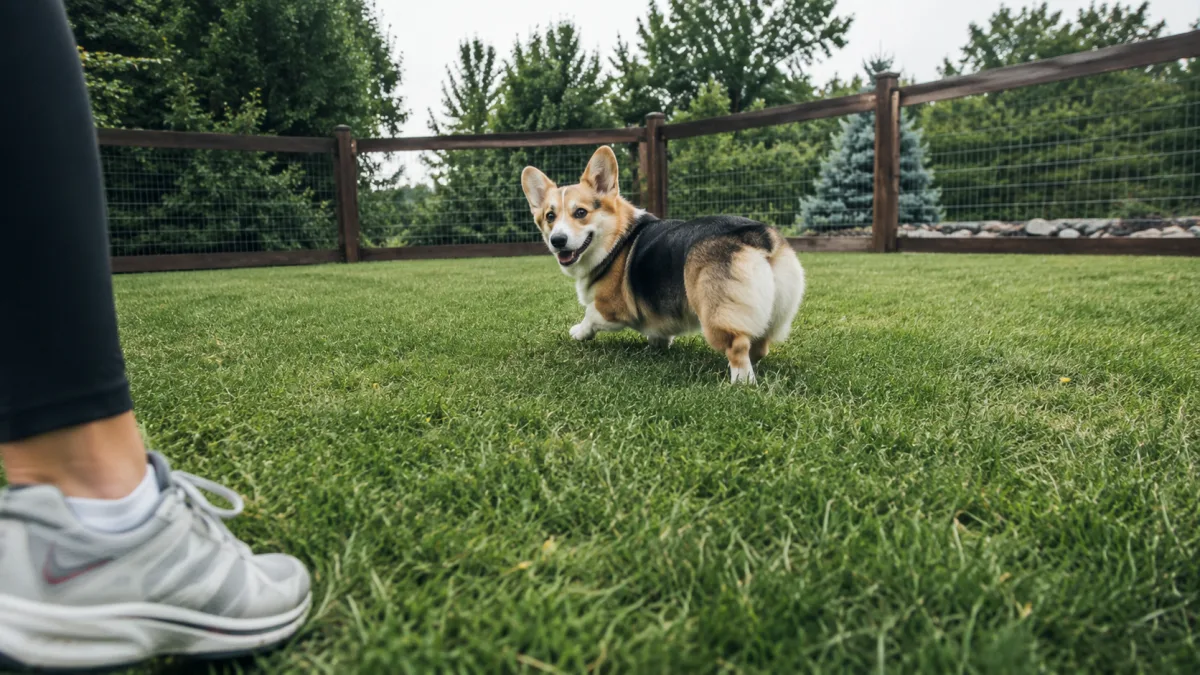
Herding instinct may show up as chasing, heel-nipping, blocking movement, barking at running children, or trying to manage other pets. Do not simply punish the instinct. Give the dog better work and interrupt early.
The Pembroke Welsh Corgi Club of America says basic obedience training is strongly recommended and that training during the first year pays back through a well-behaved companion. The PWCCA About Pembrokes page supports starting early rather than waiting for the cute puppy phase to end.
Redirect motion before it becomes contact. Use a recall, mat cue, toy carry, or treat scatter before the dog starts grabbing heels.
How do you handle barking?
Corgis can be alert and vocal. Barking may mean excitement, frustration, guarding, boredom, or a learned way to move people. The fix depends on the reason. A dog barking at the window needs a different plan than a dog barking because dinner is late.
Teach a quiet cue at low intensity, reward check-ins, block repeated rehearsals, and give the dog a job when predictable triggers happen. If the dog barks at every hallway sound, do not let the window or door become a full-time control tower.
Alert is useful only when it can end. The dog can notice something and still learn to return to you.
How much exercise helps training?
A tired Corgi is not automatically a trained Corgi, but under-exercise makes training harder. Use walks, sniffing, fetch with limits, trick work, puzzle feeding, and short training games. Avoid turning every outing into jumping and sharp turns, especially for young dogs.
Corgis have long backs and short legs, so body control matters. Teach stairs, jumping, and furniture access carefully. Keep weight managed because extra pounds make movement harder and can affect long-term comfort.
For a different active breed comparison, Livecub's German Shorthaired Pointer questions guide shows how breed purpose changes exercise planning.
How should leash manners and recall fit together?
Leash work and recall should support each other. On leash, reward the dog for checking in before pulling toward smells, dogs, children, or dropped food. On recall, pay well when the dog turns away from movement, because that choice is hard for a herding breed.
Use a long line in open areas until the dog has a long record of coming back. A Corgi can be fast, low to the ground, and stubborn once motion starts. Freedom should be earned in layers, not handed over because the dog looks cute in a field.
Practice direction changes, stop-and-go walking, and gentle collar touch. These small drills make real life easier when a stroller, skateboard, or running child appears.
What rewards work best?
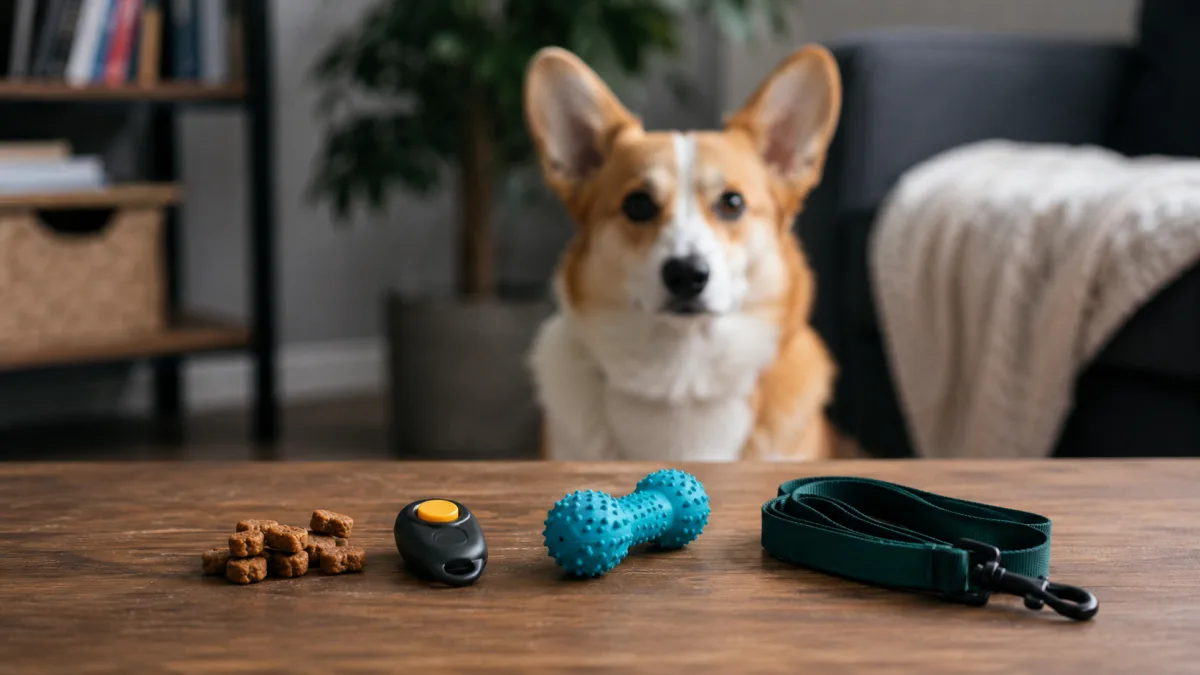
Use food, toys, sniffing, praise, chase games, and access to interesting places. Many Corgis are food motivated, which helps training but can also add weight if every lesson uses large treats. Use tiny pieces and measure meals.
The AKC Canine Good Citizen program is a ten-skill test focused on good manners and responsible ownership. The AKC Canine Good Citizen program gives everyday goals such as polite greeting, walking, grooming acceptance, recall, and supervised separation.
Reward the calm choice, not only the flashy one. A Corgi who settles while the family moves around is doing hard work.
What mistakes slow Corgi training?
Common mistakes include laughing at heel-nipping, allowing demand barking, using long boring drills, skipping socialization, overfeeding treats, and assuming a small dog cannot create big habits. Corgis can train the household quickly if everyone responds differently.
Another mistake is waiting until adolescence to set rules. The puppy who gets attention for bossing everyone at ten weeks may become the adult who barks orders all evening.
If grooming routines are part of the household, Livecub's longhair Dachshund grooming guide shows why handling should be taught early, not fought during appointments.
How do you train with children in the home?
Children should not be used as moving toys. Teach kids to walk instead of run around the puppy, trade toys calmly, and call an adult if the dog starts nipping. Teach the dog a mat cue and recall before high-energy family moments.
Supervise play. A Corgi that is aroused by running feet is not being mean; it is doing a version of the job it was bred to do. Your job is to stop rehearsal and teach a better option.
What should a daily Corgi routine include?
A workable routine has food measured, short training sessions, one or two walks, sniffing time, rest, and a few chances to earn rewards for calm behavior. Puppies need more potty trips and shorter lessons. Adults still need mental work, not just a lap and a yard.
Rotate the focus instead of drilling everything every day. One day can emphasize recall and handling. Another can cover mat work, leash turns, and greeting manners. A predictable routine does not have to be boring; it just has to be clear enough for the dog to understand.
End sessions while the dog is still interested. Put a treat pouch away, give water, and let the dog rest before the next lesson. That pause keeps training from turning into a long argument and helps the dog come back ready to work again. Keep notes for a week if one behavior keeps slipping, then adjust timing, rewards, or the room setup. Small changes often fix big habits.
Keep the household aligned. If one person rewards barking at the gate and another person corrects it, the Corgi learns to keep trying. Decide what the dog should do instead, then reward that answer every time the trigger appears.
Frequently Asked Questions
Are Pembroke Welsh Corgis easy to train?
They are smart and often learn quickly, but they need consistency, activity, and boundaries because herding habits can be strong.
How do I stop a Corgi from nipping heels?
Interrupt early, redirect to a toy or cue, reduce running triggers, and reward calm alternatives before the nipping starts.
Do Corgis bark a lot?
Some do. Teach quiet, manage triggers, and give the dog mental work so barking is not the main way to control the room.
How long should training sessions be?
Short sessions work well. A few focused minutes several times a day usually beat one long drill.
Train the herding brain, not just the short body. A good Corgi plan turns movement, voice, and cleverness into manners you can live with.

Chiara Bradshaw
Covers education, culture and creative topics with an emphasis on readable explanations and verifiable references.



Leave a reply
Replying to