
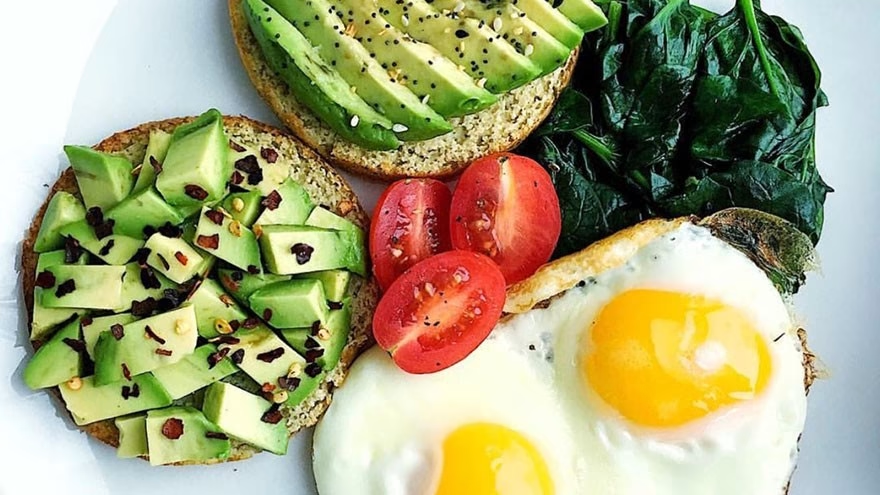
Quick, easy, healthy breakfasts work best when they are assembled from simple parts: protein, fiber-rich carbohydrate, fruit or vegetables, and a drink that is not loaded with sugar.
The goal is a morning meal that can survive real life. It should be fast, repeatable, and flexible enough for workdays, school mornings, and tired weekends.
Use The MyPlate Frame
MyPlate gives a simple visual for balancing food groups: USDA MyPlate. Breakfast does not need to include every group every day, but the frame helps.
A bowl of oats, yogurt, fruit, and nuts is different from a sweet pastry eaten alone.
Build Around Protein

Eggs, yogurt, cottage cheese, nut butter, beans, tofu, leftover chicken, or milk can help breakfast last longer.
Protein is especially useful when mornings are long or lunch is uncertain.
Add Fiber Early
Oats, whole-grain toast, fruit, vegetables, beans, and high-fiber cereal can make breakfast more filling.
Livecub's guide to writing a food journal can help track which breakfasts actually hold you.
Use Make-Ahead Options
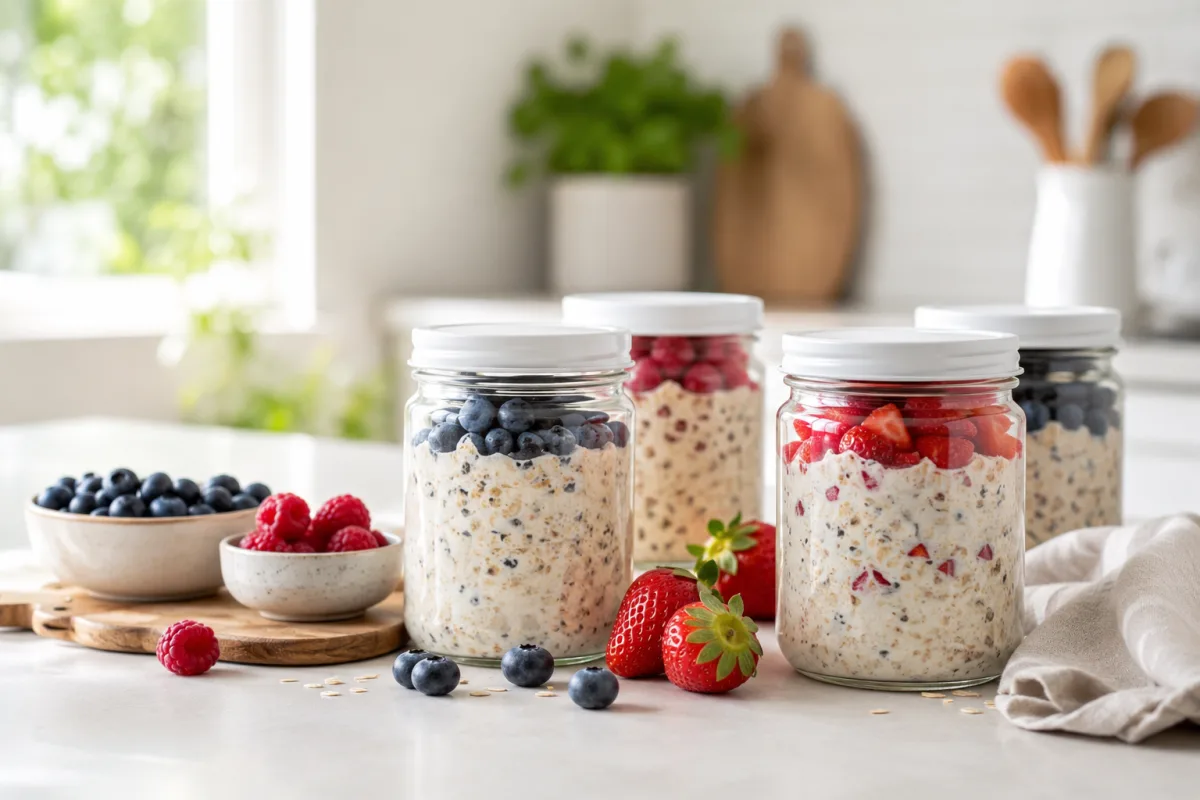
MyPlate Kitchen offers recipe ideas that can be filtered for practical meals: MyPlate Kitchen. Make-ahead breakfasts reduce morning decisions.
Overnight oats, egg muffins, bean burritos, chia pudding, and frozen smoothie packs can be prepared in batches.
Keep Added Sugar In Check
CDC's Be Sugar Smart material explains how added sugar can hide in drinks and packaged foods: CDC Be Sugar Smart. Breakfast foods are a common source.
Check yogurt, granola, cereal, flavored coffee, and bottled smoothies.
Try Savory Breakfasts
Breakfast does not have to be sweet. Leftover rice with egg, avocado toast, beans on toast, soup, or a vegetable wrap can work.
If pasta substitutes interest you for other meals, Livecub's guide to pasta substitutes has related ideas.
Pack A Backup
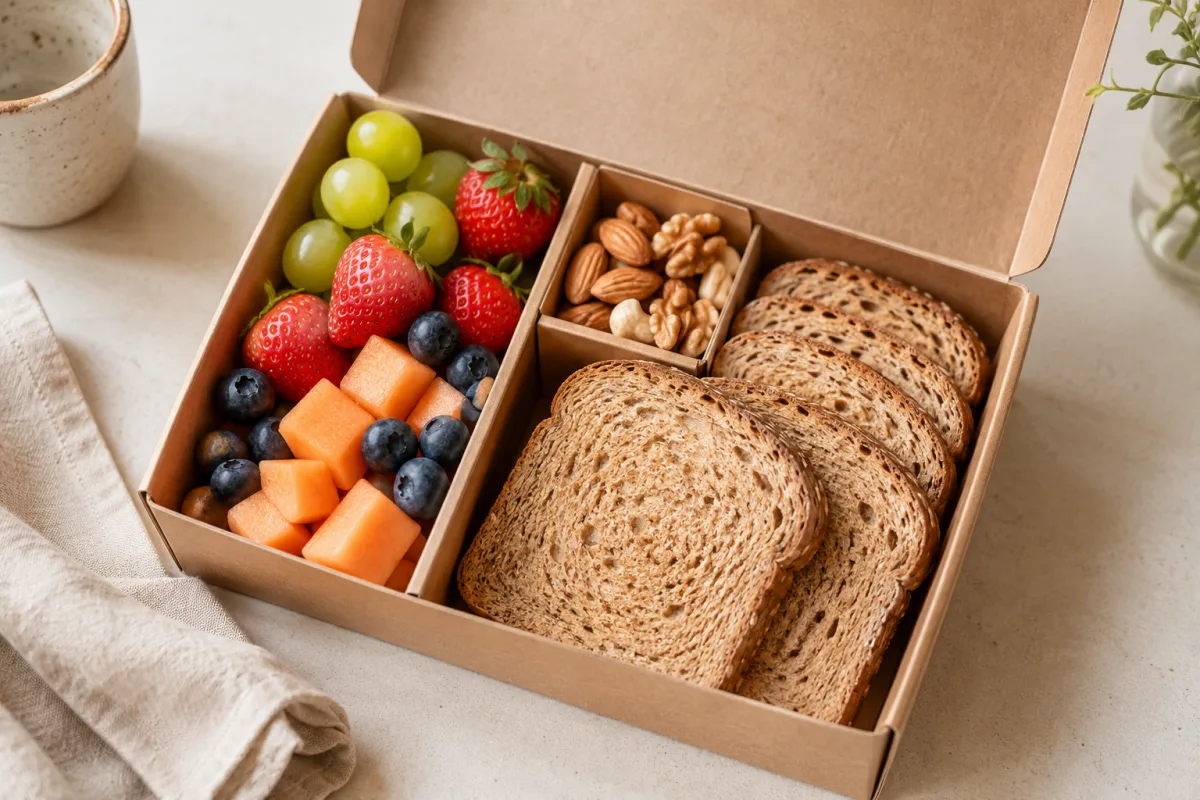
Keep nuts, fruit, whole-grain crackers, low-sugar yogurt, or a simple sandwich ready for mornings that fall apart.
A backup breakfast prevents the all-or-nothing pattern that often leads to skipped meals or impulse buys.
Match Breakfast To The Day
A desk morning may need less than a workout morning. A child, older adult, or person with a medical condition may need more specific advice.
For older family members, Livecub's article on motivating the elderly can help with routine support.
Keep It Affordable
Frozen fruit, oats, eggs, beans, plain yogurt, and bulk whole grains can keep breakfast costs down.
Convenience foods can help sometimes, but the cheapest healthy breakfast is often assembled at home.
Start Smaller Than You Think
A change is easier to test when it is small enough to repeat on a hard day. Choose one behavior, one time of day, or one meal first.
If it works for a week, add the next step. If it fails, reduce the size instead of quitting the whole plan.
Track What Helps And What Does Not
Use a short note, calendar mark, or food journal to record what was tried and how it felt. Patterns are easier to see when they are written down.
Tracking should be useful, not punishing. If it causes stress, make it shorter.
Protect Sleep, Food, And Support
Mood, energy, and decision-making are harder when sleep, meals, movement, and social contact are neglected.
Basic routines do not solve every problem, but they make other changes easier to attempt.
Ask For Help With Warning Signs
Seek professional help for severe distress, thoughts of self-harm, disordered eating signs, chest pain, fainting, or symptoms that feel urgent.
Emergency symptoms need emergency services. A lifestyle article should not delay care.
Start Smaller Than You Think
A change is easier to test when it is small enough to repeat on a hard day. Choose one behavior, one time of day, or one meal first.
If it works for a week, add the next step. If it fails, reduce the size instead of quitting the whole plan.
Track What Helps And What Does Not
Use a short note, calendar mark, or food journal to record what was tried and how it felt. Patterns are easier to see when they are written down.
Tracking should be useful, not punishing. If it causes stress, make it shorter.
Protect Sleep, Food, And Support
Mood, energy, and decision-making are harder when sleep, meals, movement, and social contact are neglected.
Basic routines do not solve every problem, but they make other changes easier to attempt.
Ask For Help With Warning Signs
Seek professional help for severe distress, thoughts of self-harm, disordered eating signs, chest pain, fainting, or symptoms that feel urgent.
Emergency symptoms need emergency services. A lifestyle article should not delay care.
Start Smaller Than You Think
A change is easier to test when it is small enough to repeat on a hard day. Choose one behavior, one time of day, or one meal first.
If it works for a week, add the next step. If it fails, reduce the size instead of quitting the whole plan.
Track What Helps And What Does Not
Use a short note, calendar mark, or food journal to record what was tried and how it felt. Patterns are easier to see when they are written down.
Tracking should be useful, not punishing. If it causes stress, make it shorter.
Protect Sleep, Food, And Support
Mood, energy, and decision-making are harder when sleep, meals, movement, and social contact are neglected.
Basic routines do not solve every problem, but they make other changes easier to attempt.
Ask For Help With Warning Signs
Seek professional help for severe distress, thoughts of self-harm, disordered eating signs, chest pain, fainting, or symptoms that feel urgent.
Emergency symptoms need emergency services. A lifestyle article should not delay care.
Start Smaller Than You Think
A change is easier to test when it is small enough to repeat on a hard day. Choose one behavior, one time of day, or one meal first.
If it works for a week, add the next step. If it fails, reduce the size instead of quitting the whole plan.
Track What Helps And What Does Not
Use a short note, calendar mark, or food journal to record what was tried and how it felt. Patterns are easier to see when they are written down.
Tracking should be useful, not punishing. If it causes stress, make it shorter.
Protect Sleep, Food, And Support
Mood, energy, and decision-making are harder when sleep, meals, movement, and social contact are neglected.
Basic routines do not solve every problem, but they make other changes easier to attempt.
Ask For Help With Warning Signs
Seek professional help for severe distress, thoughts of self-harm, disordered eating signs, chest pain, fainting, or symptoms that feel urgent.
Emergency symptoms need emergency services. A lifestyle article should not delay care.
Start Smaller Than You Think
A change is easier to test when it is small enough to repeat on a hard day. Choose one behavior, one time of day, or one meal first.
If it works for a week, add the next step. If it fails, reduce the size instead of quitting the whole plan.
Track What Helps And What Does Not
Use a short note, calendar mark, or food journal to record what was tried and how it felt. Patterns are easier to see when they are written down.
Tracking should be useful, not punishing. If it causes stress, make it shorter.
Protect Sleep, Food, And Support
Mood, energy, and decision-making are harder when sleep, meals, movement, and social contact are neglected.
Basic routines do not solve every problem, but they make other changes easier to attempt.
Ask For Help With Warning Signs
Seek professional help for severe distress, thoughts of self-harm, disordered eating signs, chest pain, fainting, or symptoms that feel urgent.
Emergency symptoms need emergency services. A lifestyle article should not delay care.
Frequently Asked Questions
What is a healthy quick breakfast?
A practical option usually includes protein, fiber-rich carbohydrate, fruit or vegetables, and limited added sugar.
Is skipping breakfast bad?
Some people do fine without it, but many feel better with a balanced morning meal.
Are smoothies healthy?
They can be, but watch added sugar and include protein or fiber.
What can I prep ahead?
Overnight oats, egg muffins, yogurt bowls, breakfast burritos, and smoothie packs.
How do I make breakfast cheaper?
Use oats, eggs, beans, frozen fruit, plain yogurt, and leftovers.
This article is for general information only and is not medical or mental health advice. If symptoms, distress, or safety concerns are present, contact a qualified professional or emergency services.

Chiara Bradshaw
Covers education, culture and creative topics with an emphasis on readable explanations and verifiable references.




Leave a reply
Replying to