
Should you take out travel insurance? The honest answer is: maybe. It depends on the trip cost, refund rules, destination, health coverage, traveler age, medical needs, weather risk, and what loss you could absorb without serious harm.
Travel insurance is not one product. It can include cancellation, interruption, delay, baggage, medical, evacuation, rental car, or assistance services. The value comes from the parts that match your trip.
Start With The Nonrefundable Cost
Add up flights, lodging, cruise fare, tours, deposits, event tickets, rental cars, trains, and prepaid transfers. Then subtract anything truly refundable in cash. The remaining number is the trip-cost risk.
If that number is small, you may decide to self-insure. If it is several thousand dollars, protecting it may make more sense.
Check Covered Reasons

NAIC explains that trip cancellation, interruption, and delay coverage pays only for reasons the policy covers: NAIC travel insurance guidance. A policy is not a refund button for every disappointment.
Read covered reasons for illness, injury, family emergency, weather, job loss, airline problems, jury duty, military orders, and destination disasters. If your main worry is simply changing your mind, standard coverage may not fit.
Think About Medical Risk
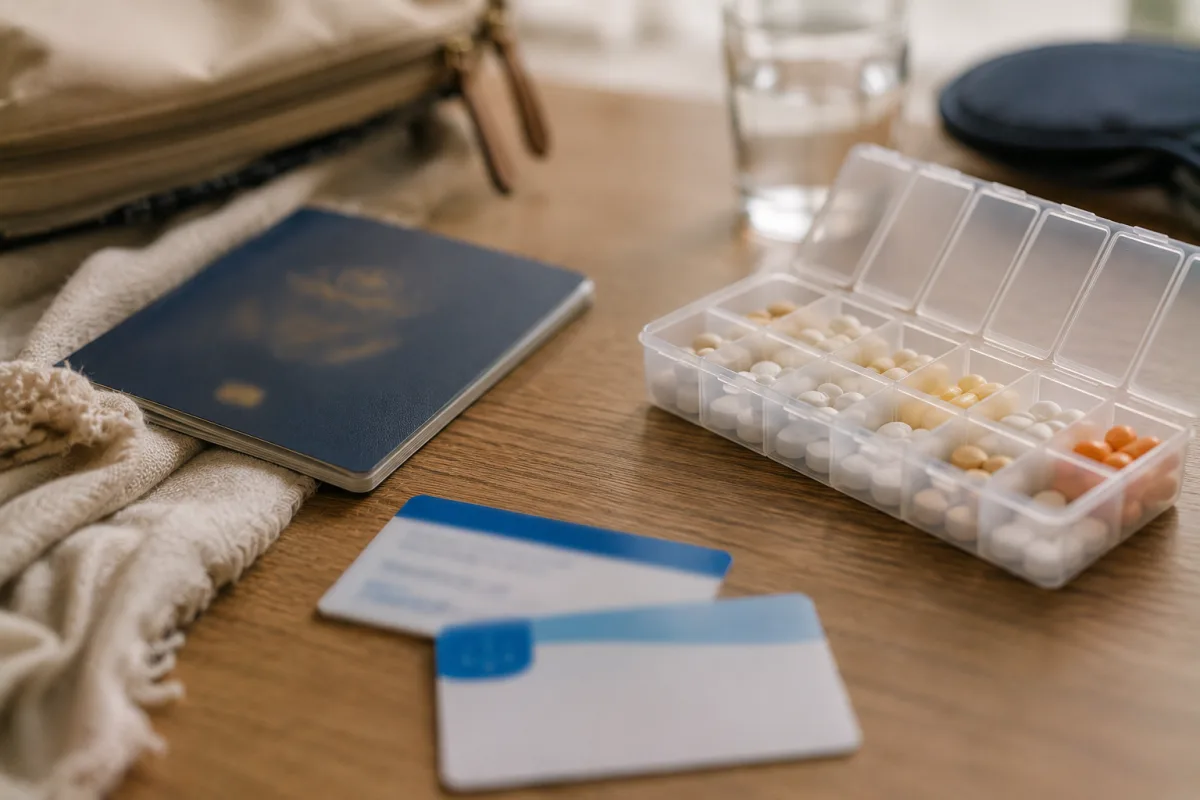
The State Department recommends travel health insurance before international trips and warns that U.S. Medicare and Medicaid generally do not pay for medical care abroad: State Department travel insurance. This is often the biggest reason to buy coverage.
Ask your health insurer what happens outside your home country. Will they cover emergency care? Pay directly? Require reimbursement? Cover evacuation? The answers can decide the insurance question.
Consider Medical Evacuation
CDC's Yellow Book discusses travel health insurance and medical evacuation coverage: CDC travel insurance and evacuation. Evacuation is rare, but it can be financially severe when needed.
Remote trips, cruises, adventure travel, older travelers, pregnancy, chronic conditions, and destinations with limited medical facilities deserve closer review.
Look At Existing Coverage
Before buying, check credit card benefits, health insurance, homeowners or renters coverage, airline refund rules, hotel cancellation windows, and employer benefits. You may already have some pieces.
Existing coverage may have lower limits or more exclusions than a standalone policy. Do not assume a premium card covers every traveler or every trip.
Livecub's article on buying savings bonds with a credit card is a different finance topic, but it shows how payment method details can matter.
Understand Cancel For Any Reason
Cancel for any reason coverage is usually more expensive, time-limited after booking, and may reimburse only part of the trip. It can help when your main concern is not a standard covered reason.
Read the purchase deadline, cancellation deadline, reimbursement percentage, and requirement to insure the full trip cost.
Check Pre-Existing Condition Rules
If a traveler or family member has a medical condition, read the pre-existing condition language. Some waivers require buying soon after the first trip payment and insuring the full nonrefundable cost.
Do not rely on a salesperson's summary. Get the policy wording and ask the insurer how the rule applies.
Cruises Need Special Attention
Cruises can involve medical care onboard, missed ports, evacuation, prepaid excursions, and strict cancellation schedules. A short domestic flight is not the same risk as a two-week cruise with older relatives.
Ask what happens if you miss the ship, need care onboard, are quarantined, or must return home mid-trip.
Compare Policies, Not Just Prices

Two policies at the same price can be very different. Compare cancellation limits, medical limits, evacuation limits, baggage, delay trigger times, exclusions, claim documents, and assistance phone numbers.
Livecub's guide to fixed versus fixed index annuities is unrelated to travel, but it shares the same lesson: definitions and fine print drive value.
Decide When Not To Buy
You may skip travel insurance for a low-cost domestic trip, fully refundable bookings, strong existing coverage, and a loss you can comfortably absorb. Self-insuring is a real option when the numbers are small.
If you hold emergency savings in conservative products, Livecub's article on Series EE savings bond maturity may help you think about liquidity, though it is not travel advice.
Keep Claim Documents
If you buy insurance, store receipts, booking confirmations, medical notes, delay notices, cancellation emails, police reports, and claim phone numbers. A covered claim can fail if documentation is missing.
Financial recordkeeping matters in many areas; Livecub's guide to finding savings bond values is another example of checking details before money is needed.
Make The Decision Before The Deadline
Some benefits require buying soon after the first trip payment. Do not wait until a storm is named, a relative is ill, or a news event makes the trip uncertain. Insurance is designed for unknown risk, not a known loss.
The best answer is practical: buy when the trip has meaningful financial or medical risk that a policy clearly covers, and skip when the cost, exclusions, or existing protection make it poor value.
Match Policy To Traveler Age
Older travelers may face higher premiums and more medical questions. That does not mean coverage is bad value. It means the medical and evacuation sections need careful reading.
Check Adventure Exclusions
Skiing, diving, climbing, racing, remote trekking, or motorbike use may be excluded or require a special plan. Do not assume adventure activities are covered because the trip is covered.
Read The Claim Deadline
Policies may require notice within a set time and specific documents. Store the claim deadline with the policy number before travel starts.
Use Annual Policies Carefully
Frequent travelers may consider annual coverage. Check trip length limits, cancellation limits, medical coverage, and whether every traveler in the household is covered.
Do Not Buy Duplicates Blindly
If a credit card, health plan, or supplier already covers one risk, avoid paying twice unless the standalone policy gives better limits or fills a gap.
Decide With A Worst-Case Number
Ask what loss would hurt most: the trip cost, a hospital bill abroad, evacuation, or weeks of extra lodging. Buy for the risk you cannot comfortably carry.
Check Who Is Covered
A policy may define family, traveling companion, or household member in a specific way. Confirm coverage for children, partners, relatives, and companions before relying on it.
Look At Delay Triggers
Trip delay benefits may start only after a set number of hours. A six-hour delay and a twelve-hour delay can lead to different results under different policies.
Keep Assistance Separate From Insurance
Some plans include travel assistance, which can help locate care or translators. Assistance is useful, but it is not the same as a promise to pay every bill.
Recheck After Changing The Trip
If you add a cruise, side trip, extra traveler, or nonrefundable tour, update the insurance decision. A trip can outgrow the policy you first considered.
Ask Before You Assume
If a term is unclear, call the insurer and document the answer. The policy wording controls, but a written note helps you compare options calmly.
Check Destination Rules
Some destinations require proof of medical coverage or have high upfront medical payment expectations. Check entry and health guidance before relying on assumptions.
Review After Booking Changes
If the trip cost rises after new hotels or tours, update the insured amount if the policy requires it. Underinsuring can affect benefits.
Keep Policy Numbers Offline
Save policy numbers, claim contacts, and assistance numbers on paper or downloaded notes. Travel problems often happen when Wi-Fi is poor or the phone battery is low.
Ask About Receipts
Some benefits reimburse only documented expenses. Keep receipts for hotels, meals, transport, medical care, and replacement items during the trip.
Frequently Asked Questions
Is travel insurance worth it?
It can be worth it for costly, nonrefundable, international, medical, cruise, or complex trips. It may not be worth it for low-cost refundable trips.
Does travel insurance cover any cancellation?
No. Standard policies cover listed reasons. Cancel for any reason coverage is separate and has limits.
Do I need travel medical insurance abroad?
Often yes, especially if your health plan does not cover international care or evacuation.
Can my credit card replace travel insurance?
Maybe for some benefits, but limits and exclusions vary. Read the full benefits guide.
When should I buy travel insurance?
Buy soon after the first trip payment if you want time-sensitive benefits such as some pre-existing condition waivers or CFAR options.
This article is for general information only and is not financial, legal, insurance, medical, or tax advice. Policy terms, prices, eligibility, and laws change; read the policy and ask a licensed professional.

Patrick Harwood
Edits sports, consumer-finance and general legal explainers. Regulated or time-sensitive topics link to primary sources and are not professional advice.




Leave a reply
Replying to