
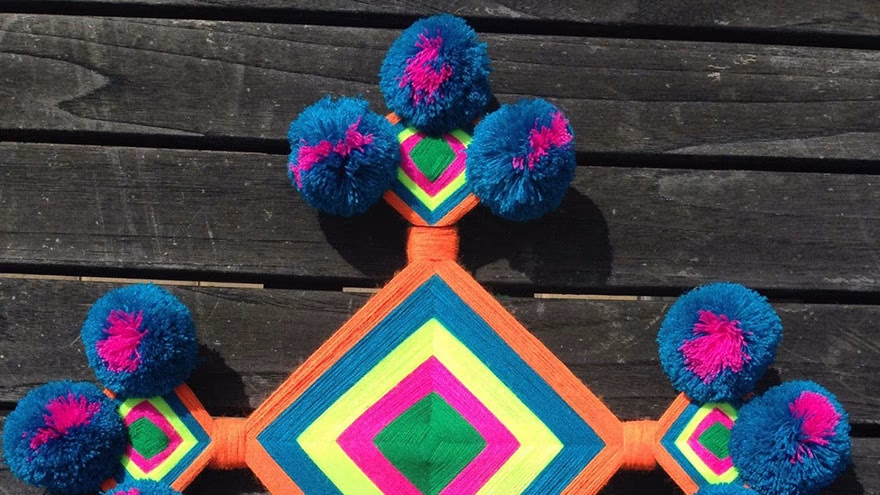
Spiritual Apache Crafts is a subject that needs a slower hand than the old article used. Apache peoples are not a single craft category, and Southwestern Native art is not one shared style. Names, makers, tribal citizenship, place, and use matter. A bracelet, basket, drum, or carved figure can be art, family memory, trade work, teaching tool, ceremony-related object, or a tourist-market item. Those are not the same thing.
This guide keeps the focus practical: how to learn about Apache and related Southwestern craft traditions with respect, how to avoid repeating weak claims, and how to buy or display work without treating sacred culture as decoration. It also avoids the old habit of presenting jewelry as medicine. A stone can carry cultural meaning without being sold as a cure.
How To Approach Apache Crafts Respectfully
Start by asking who made the piece, where it was made, and how the maker describes it. "Apache-style" is not the same as Apache-made. "Native inspired" is not the same as Native-made. Museums, artists, tribal cultural centers, and reputable markets usually give more useful information than anonymous resale listings.
The National Museum of the American Indian notes large Southwestern holdings that include Apache materials, baskets, silver, turquoise, ceramics, and Hopi katsinas. That breadth is a reminder to be precise. Southwestern objects may sit near each other in a museum case, but they can come from different peoples, languages, and histories.
Start With Names, Makers, And Place
A better label says more than "tribal craft." Look for the artist's name, tribal affiliation, community, material, date, and seller documentation. If you are studying a piece for school or family history, keep a note file with the seller, receipt, photos, and any artist statement. Livecub's food journal guide is about meals, not art, but the habit transfers: dated notes help you remember details that disappear later.
Some Apache artists work in jewelry, basketry, beadwork, hidework, painting, and modern mixed media. Some objects sold in Arizona or New Mexico may be Navajo, Hopi, Zuni, Pueblo, Apache, or from another Native nation. Guessing from color or pattern is a poor way to identify origin.
Turquoise, Silver, And Beadwork
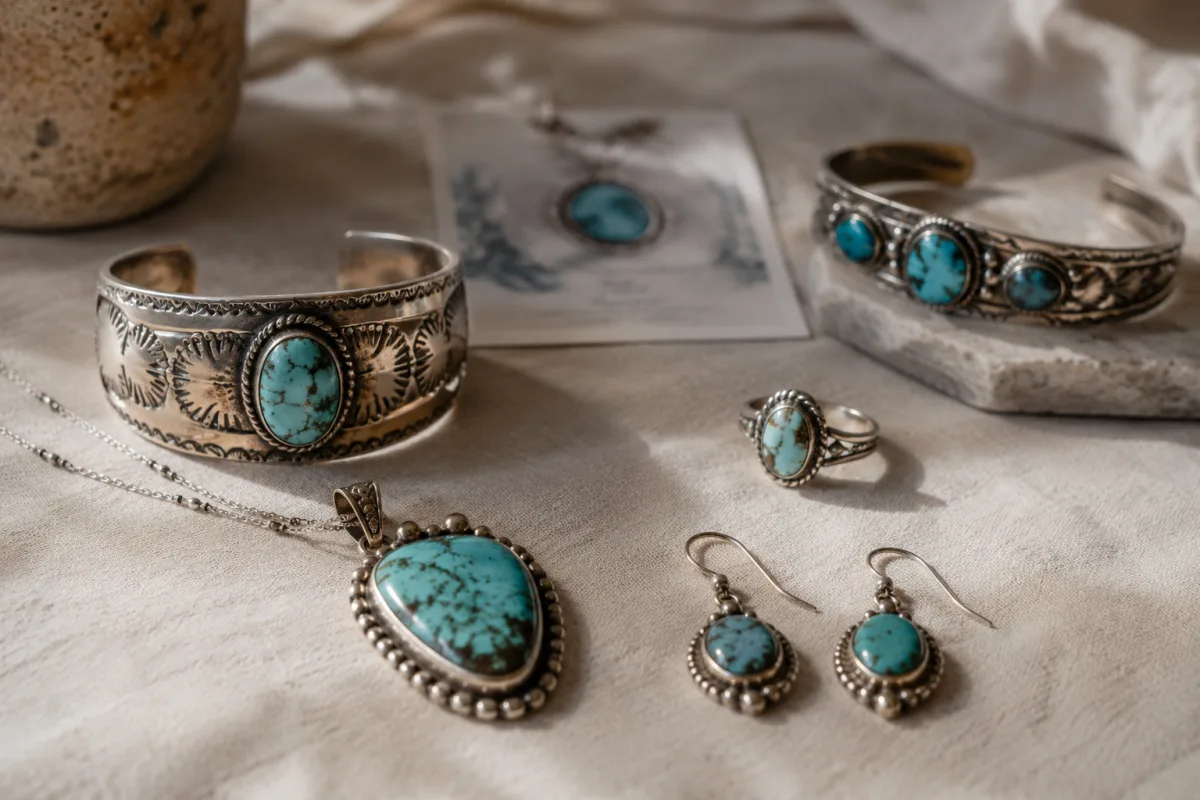
Turquoise and silver are strongly associated with Southwestern Native jewelry markets, though the techniques and histories vary by maker and nation. Apache artists may create jewelry, and Apache-owned shops may sell work from several Native artists. Do not assume every turquoise piece in the Southwest is Apache, and do not treat turquoise as a medical product.
If a family story says a piece was worn for protection, record that story as family memory. If a seller claims a necklace cures infection, improves luck, or changes the body, ask for proof and be skeptical. Cultural meaning deserves more respect than a sales pitch.
Basketry, Fiber, And Everyday Skill
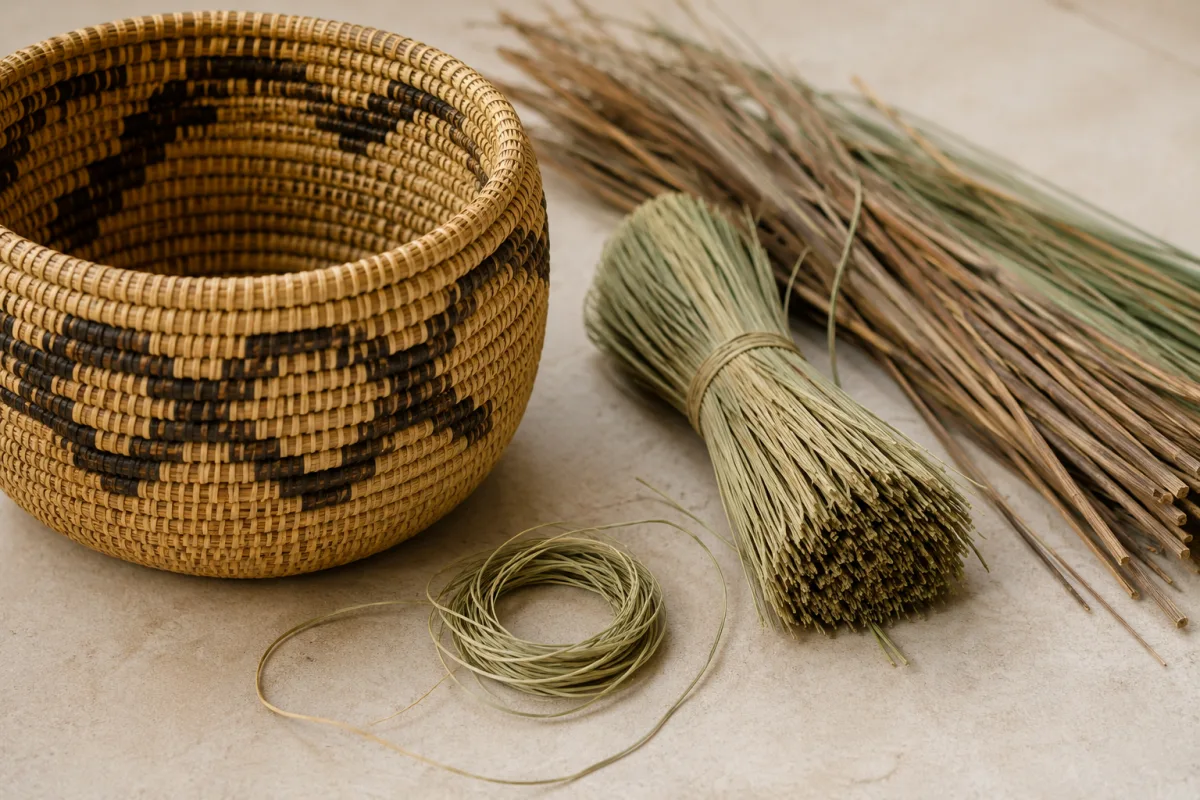
Apache basketry is often admired for coiling, shape, and pattern, but the cleanest way to understand it is through makers and communities rather than generic symbols. Basket materials may include plant fibers selected, prepared, dyed, and stitched through demanding work. Older baskets can also carry collector value, so condition, repair, provenance, and lawful ownership matter.
NMAI basket exhibitions and catalog records often frame basketmaking from the weavers' point of view and focus on process, not only the finished object. That is a useful correction. A basket is not just a pattern. It is knowledge held in the hands.
For a reader starting from scratch, that means slowing down before naming a pattern. Describe what you can see, then separate observation from interpretation. Material, stitch, condition, and maker notes are safer than assigning a meaning from memory or from a resale caption.
Drums, Rattles, And Sound
Drums and rattles can be made for social, personal, educational, market, or ceremony-related use. The difference matters. A display drum bought from an artist at a market should not be treated as permission to copy ceremony, invent songs, or perform identity. If a maker explains that an item is for display, keep it that way.
For families learning with older relatives, handling ordinary craft materials together can open stories without forcing anyone to perform culture for an audience. Livecub's guide on motivating elderly relatives has a useful reminder: choice and dignity matter more than pushing an activity.
Katsina Figures Need Careful Language
The old source connected Apache craft writing with kachina dolls. That needs correction. Katsina figures are most closely tied to Hopi and other Pueblo traditions, not a general Apache craft category. If a shop or school lesson mixes the terms, slow down and check the source.
The Heard Museum explains that Hopi katsina dolls are carvings of religious figures, traditionally given with prayers for growth and well-being, and also carved for sale. That does not make them ordinary toys. The safer lesson is to learn the name, context, and artist, and to avoid copying sacred designs for casual projects.
How To Buy Without Supporting Fakes
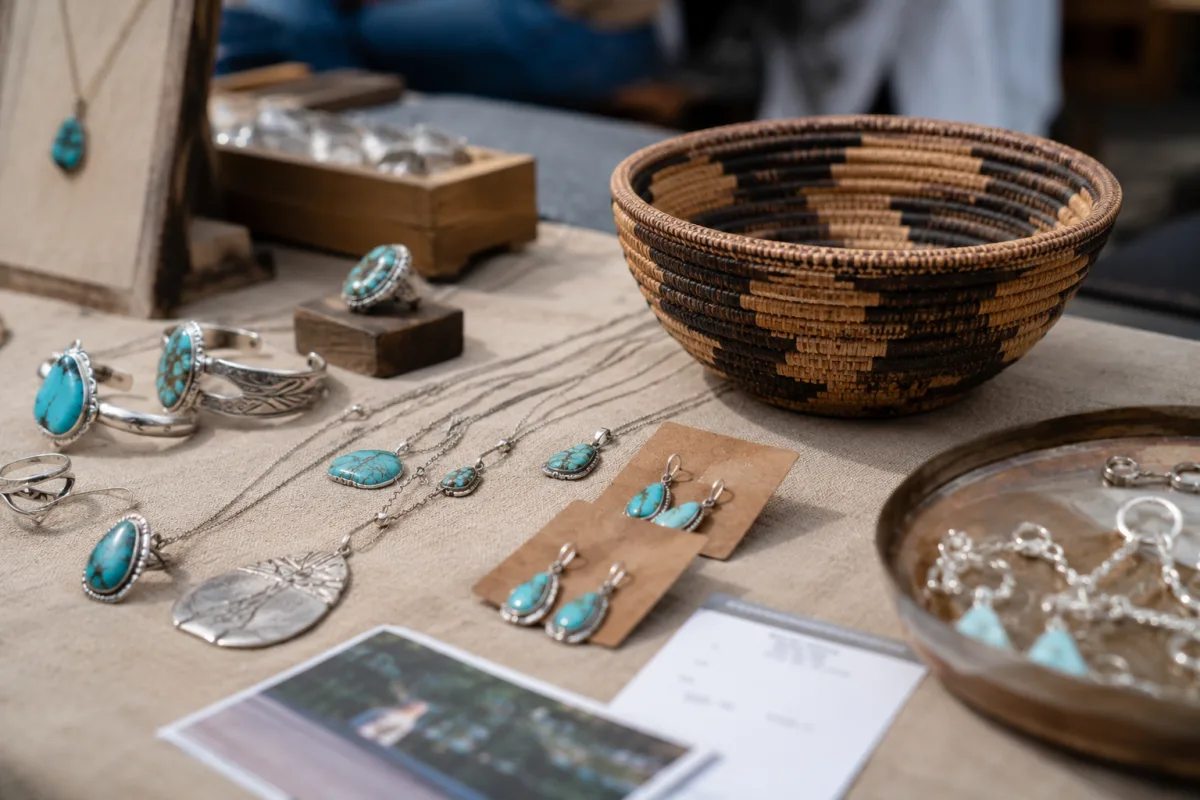
The United States has a specific law for this area. The Indian Arts and Crafts Act prohibits marketing art or craftwork in a way that falsely suggests it was made by an Indian artist, tribe, or arts organization. The FTC also advises buyers to check artist identity, tribal affiliation, receipts, and written guarantees when buying American Indian arts and crafts.
Ask direct questions: Who is the artist? Is the artist an enrolled tribal citizen or certified artisan? What tribe or Native nation is connected to the work? Can the seller put that in writing? A reputable seller should not be offended by careful questions.
How To Use Crafts In A Classroom
Good classroom work does not start with "make an Apache craft." It starts with research, geography, artist names, museum examples, and a discussion of why some designs are not for copying. Students can make a response project using their own symbols, materials, and family stories instead of imitating sacred designs.
If a student will speak about a maker or object, practice the presentation with care. Livecub's stage fright guide can help with the speaking part, but the research still has to be accurate. Mispronounced names, vague labels, and invented meanings are easy to avoid with preparation.
Care, Display, And Storage
Keep baskets, beadwork, leather, and old paper labels away from harsh sunlight, damp rooms, smoke, and rough handling. Use clean hands, support the whole object, and avoid hanging fragile pieces by weak loops or old fiber. If the piece has real value, ask a conservator before cleaning it.
For jewelry, store silver and turquoise separately from objects that can scratch them. Do not soak stones without knowing how they are set. Keep receipts and artist cards with the object, not in a drawer that will be lost during a move.
What Not To Claim
Do not claim that Apache crafts all share one meaning. Do not call every Southwestern object Apache. Do not assign health effects to stones, drums, masks, or figures. Do not copy sacred designs for party decor. Do not buy from sellers who use Native identity as a loose marketing mood.
A careful article can still be warm and practical. The point is not to make learning stiff. The point is to let artists, communities, and objects keep their own names.
Frequently Asked Questions
Are turquoise pieces always Apache?
No. Turquoise jewelry is made and sold by artists from several Southwestern Native nations and by non-Native makers too. Check the artist and seller documentation.
Are katsina dolls Apache crafts?
No. Katsina figures are mainly connected with Hopi and other Pueblo traditions. They should not be treated as a general Apache object.
Can I make Apache-inspired crafts with children?
Use research-based lessons and avoid copying sacred designs. A better project asks children to create from their own family stories after learning about Native artists.
How do I know if a Native art seller is honest?
Ask for the artist's name, tribal affiliation, receipt, and written verification. Be careful with vague labels such as "Native inspired."
Should old baskets or jewelry be cleaned at home?
Only lightly and only when you understand the material. For older or valuable pieces, ask a conservator or knowledgeable museum professional first.
A Grounded Way To Learn More
The best path is simple: use tribal, museum, and artist sources; keep clear notes; buy from transparent sellers; and avoid turning sacred traditions into props. Spiritual Apache crafts should be described with exact names and living context, not with guesswork or miracle claims.

Chiara Bradshaw
Covers education, culture and creative topics with an emphasis on readable explanations and verifiable references.




Leave a reply
Replying to