
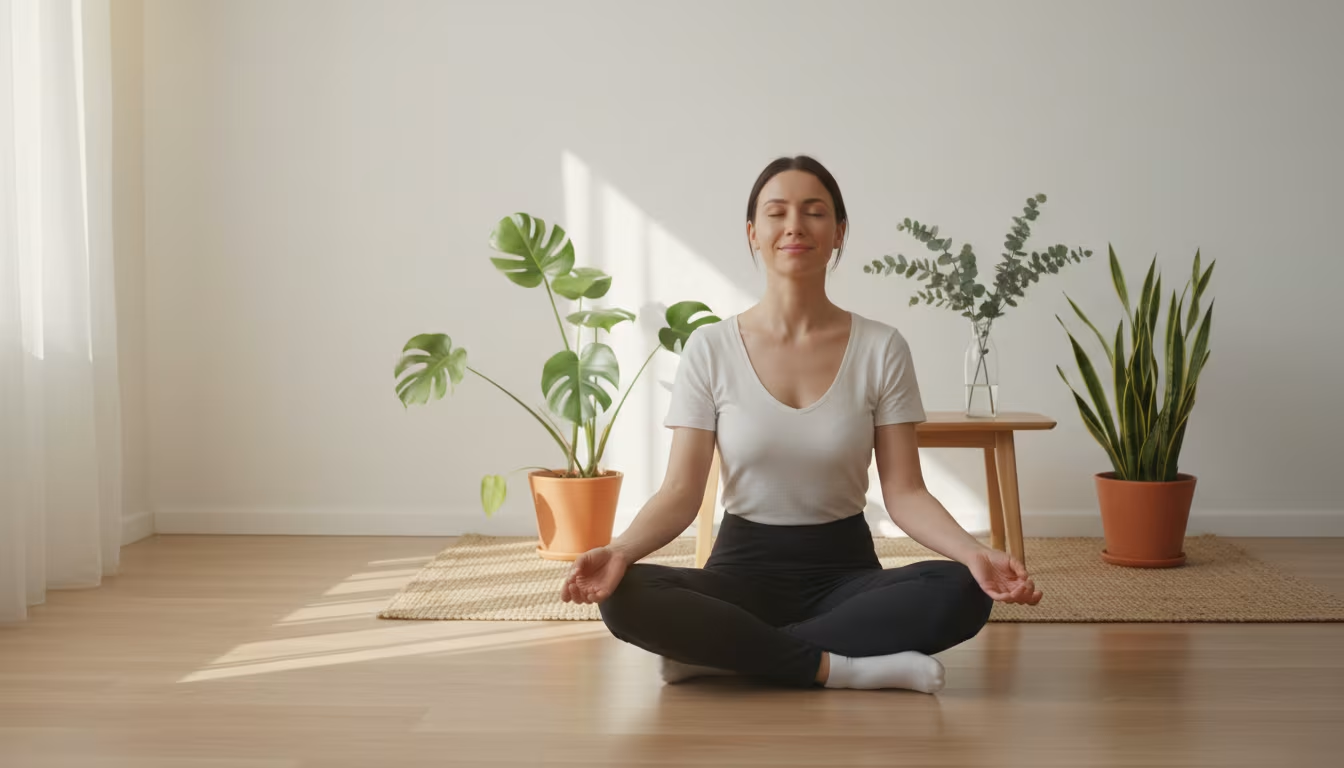
The most common reason people quit in the first week is a misunderstanding: they expect the mind to go quiet and it refuses. A wandering mind is not a sign of failure. Noticing that it wandered, and gently bringing attention back, is the practice itself. Nothing has gone wrong when a thought shows up.
The aim is simply to notice something in the present, a breath, a body sensation, a sound, or a movement, and return to it without turning that return into a fight. Done that way, mindfulness becomes attention training rather than a struggle to empty your head.
What Mindfulness Actually Is
It helps to work from a plain definition instead of a mystical one. The National Center for Complementary and Integrative Health reviews meditation and mindfulness practices along with their safety and evidence, treating them as skills rather than magic: NCCIH meditation and mindfulness. NIH News in Health puts it even more simply, describing mindfulness as paying attention to the present moment without judgment: NIH mindfulness for your health.
That "without judgment" part is the quiet engine of the whole thing. You are not grading your thoughts as good or bad, or scoring the session on how calm you felt. You are practicing the act of observing what is here and coming back when you drift, which is a repeatable skill anyone can build.
Start Absurdly Small

Beginners routinely overcommit, block out twenty minutes, feel restless after two, and conclude they cannot do it. Reverse that. Start with thirty seconds: notice one breath, one sound in the room, or one sensation in your feet against the floor. That is a complete practice, not a warm-up for a real one.
Short sessions done often beat long sessions you avoid, because the habit is built by repetition, not by heroic length. Attaching the practice to something you already do daily makes it stick: one mindful breath after you brush your teeth, or a few seconds of noticing your feet before you start the car. As it becomes ordinary, extending to a minute or two happens on its own, without force.
Expect the Wandering Mind
Your mind will leave the breath and start planning dinner, replaying a conversation, or drafting an email. This is not a malfunction; it is what minds do. The moment you notice you have wandered is actually the valuable one, because that noticing is the rep you are training. Bring attention back kindly, the way you might guide a distracted child by the shoulder rather than scolding it.
If you catch yourself irritated at how often you drift, that irritation is just another thought to notice and release. There is no quota for wandering. A session where you got lost twenty times and returned twenty times is a strong session, not a failed one. Over time the returns get a little quicker and a little less charged, which is the real, unglamorous progress mindfulness offers.
Anchors You Can Use

An anchor is whatever you return attention to, and having a few options keeps the practice flexible. The breath is the classic anchor because it travels with you everywhere, but it is not the only one. Sound works well for people who find breath-focus tense: let sounds arrive and fade without naming them. The body is another reliable anchor, whether that is the feeling of your feet on the ground, your hands resting, or the weight of your body in a chair.
You can also anchor to a single ordinary action, like the warmth of a mug or the sensation of water while washing dishes. If one anchor makes you anxious, and for some people watching the breath does, switch to another without treating it as a defeat. The skill you are building, noticing and returning, is the same regardless of which anchor you choose, so pick whichever one feels least like a test. It also helps to practice at boring, ordinary moments rather than only when you are already upset. A skill rehearsed while you sit calmly in a parked car or wait for the kettle is one the body can actually find later, whereas a skill you only ever try mid-crisis gets filed away as part of the crisis. Two unremarkable minutes a day builds more durable attention than an occasional long session attempted under stress.
Weave It Into Ordinary Moments
Formal sitting is optional, especially at the start. Much of the benefit comes from bringing the same attention into things you already do. Feel the water and the soap while washing your hands. Notice three breaths while the kettle heats. Pay attention to the actual taste of the first bite of a meal before your mind races ahead to the next thing. These micro-practices cost no extra time, which is precisely why they survive busy days when a dedicated session gets skipped.
Lowering the pressure matters here too. Mindfulness gets harder the moment it becomes one more item on a self-improvement checklist you might fail. Treat it as noticing you can practice, not a performance you must ace. Pick one small entry point rather than overhauling your whole routine, and let the habit grow from a place of curiosity instead of obligation.
Fit It Into a Realistic Life
A practice only helps if it survives a tired, ordinary day. Decide in advance on a low-energy version for when motivation is low, perhaps a single mindful breath or ten seconds of feeling your feet, so the streak does not depend on ideal conditions. Sleep, food, and movement quietly shape how usable any practice feels; on very short sleep, mindfulness will feel harder, which is information about your body rather than proof you are doing it wrong.
Mindfulness is also one tool among several, not a cure-all. It sits well alongside good sleep, physical activity, and social contact rather than replacing them. If you keep a brief log of what shifts with sleep, stress, and screen time, you may notice mindfulness helping at the edges, in slightly faster recovery from a spike or a bit more space before reacting, rather than in a dramatic transformation.
When It Feels Worse, and When to Get Help
For most people mindfulness is gentle, but it is not universally soothing. Sitting quietly with your own mind can feel uncomfortable, and for some it can raise anxiety or surface difficult memories. If distress rises rather than settles, it is fine to stop, shorten the practice, keep your eyes open, or choose a more active anchor like walking. Discomfort is a signal to adjust, not a rule that you must push through.
If sitting practice consistently increases distress, or if you are dealing with trauma, panic, or symptoms that disrupt sleep, eating, work, or safety, bring that to a clinician who can guide a suitable approach. Mindfulness can support mental health, but it is not a substitute for professional care when function is slipping. Used well, it stays what it is meant to be: a small, repeatable habit of noticing the present and returning to it, one breath at a time. Keep the bar low enough that the habit survives busy and difficult days, and let the benefits accumulate quietly rather than demanding a dramatic sense of calm as proof it is working.
Frequently Asked Questions
Do I need to clear my mind?
No. Mindfulness is noticing and returning attention, not making thoughts disappear. A busy mind is normal.
How long should I start with?
Thirty seconds to two minutes is plenty for a first habit. Frequency matters more than length.
Can mindfulness worsen anxiety?
It can feel uncomfortable for some people. Shorten or stop the practice, and ask a clinician if distress keeps rising.
What should I focus on?
Breath, feet, sound, or a simple task can all work. Choose the anchor that feels least like a test.
This article is for general information only and isn't a substitute for medical advice. Talk to a clinician who knows your full history before making changes.

Tory Stearns
Edits practical household, travel and lifestyle explainers. Claims that can change are linked to current primary or subject-authority sources.




Leave a reply
Replying to