

Healthy blood pressure during pregnancy is not about feeling calm and hoping the number is fine. It is about measuring well, knowing your usual range, and taking warning symptoms seriously.
The care plan should be simple enough to use at home: when to check, what to write down, and when to call.
Healthy Means Known And Watched
ACOG explains that high blood pressure in pregnancy can raise the risk of preeclampsia, preterm birth, placental abruption, and cesarean birth: ACOG high blood pressure in pregnancy. A healthy blood pressure plan starts with real readings, not guessing from how you feel.
Some people feel normal with high readings. Others feel awful with normal readings. That is why numbers and symptoms both matter.
Know The Reading And The Setting

Write down the top number, bottom number, date, time, cuff size, arm used, and what you were doing before the reading. A rushed reading after stairs can look different from a rested one.
If pregnancy is new or dates are unclear, Livecub's guide to early signs of pregnancy can help gather early details before the appointment.
Watch For Preeclampsia Clues

MedlinePlus describes preeclampsia as high blood pressure with signs of liver or kidney damage after the 20th week, though postpartum cases can happen: MedlinePlus preeclampsia. Symptoms such as severe headache, vision changes, upper belly pain, or sudden swelling deserve attention.
Do not wait to see if severe symptoms become more obvious. Call the care team or emergency services according to the instructions you were given.
Home Monitoring Needs A Plan
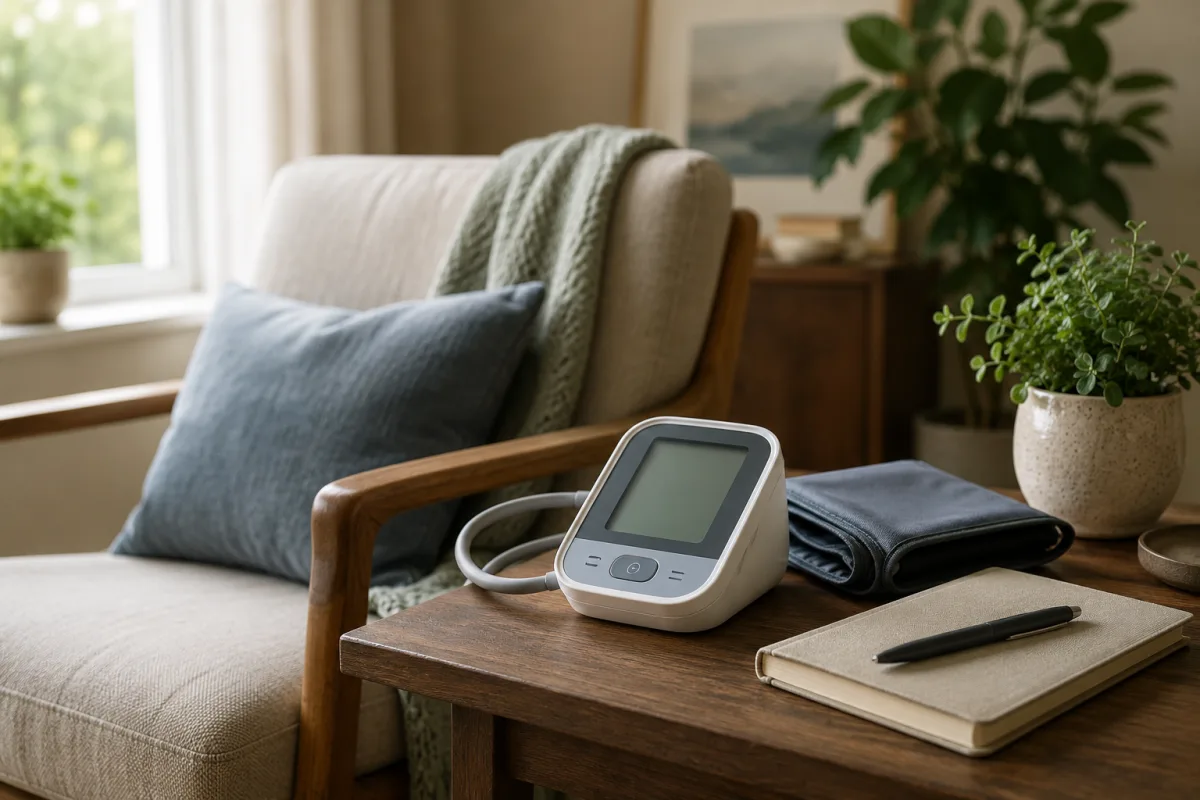
A home cuff can help only if the size fits, the technique is correct, and the clinician tells you what numbers should trigger a call.
Stress can make monitoring harder. Livecub's guide to depression during pregnancy can help if worry is changing sleep or daily function.
Food And Rest Still Matter
Blood pressure care is not solved by one meal, but steady hydration, rest, and tolerable food can make the day easier. Livecub's guide to bland pregnancy meals can help when nausea makes regular meals difficult.
Never stop prescribed medicine or start supplements for blood pressure without medical guidance.
Ask What Would Change The Advice
For healthy blood pressure during pregnancy, the useful question is not only what the usual answer is. Ask what symptom, week of pregnancy, test result, medication, or personal history would change the advice.
That keeps the plan flexible. Pregnancy care often depends on timing and context, and a single article cannot know the details in your chart.
Keep A Short Note For Visits
Write down dates, symptoms, questions, products used, and anything that helped. A short note is enough; it does not need to look like a medical record.
Bring the note to prenatal visits. It helps the clinician see patterns without asking you to remember everything while tired or worried.
Know The Same-Day Signals
Call promptly for heavy bleeding, severe pain, fainting, chest pain, trouble breathing, severe headache, fever, fluid leakage, painful regular contractions, or reduced fetal movement later in pregnancy.
For less urgent questions, send a portal message or save the issue for the next visit. The point is to sort urgent signals from ordinary questions.
Share The Plan With One Person
A partner, friend, relative, or doula can help by knowing what you are watching, where the clinic number is, and what tasks need to be taken off your plate.
Support works best when it is specific. Asking someone to bring food, drive to an appointment, or sit through a call is clearer than asking them to guess.
Do Not Let Research Replace Care
Reliable sources can help you understand words and prepare questions. They should not become a private diagnosis or a reason to delay care.
If a source scares you, write down the exact concern and ask your care team how it applies to your pregnancy.
Make The Plan Small Enough To Use
Pregnancy advice fails when it depends on a perfect day. Use steps that work with fatigue, nausea, work, childcare, transportation, and budget.
One useful change repeated for a week is better than a long list that collapses by Tuesday.
Review Medicines And Products
Ask before adding supplements, herbs, skin products with active ingredients, pain relievers, sleep aids, or leftover prescriptions.
Take photos of labels if bringing bottles is not practical. Doses and ingredients matter more than the product name alone.
Watch Mood And Sleep
Healthy Blood Pressure During Pregnancy may sound physical, but mood and sleep can shape how manageable the issue feels. Anxiety, sadness, shame, or panic deserve the same direct care as pain or nausea.
If worry changes eating, sleep, relationships, or daily function, name it at a visit. You do not need to wait until things feel unbearable.
Use One Change At A Time
Changing everything at once makes it hard to tell what helped. Try one small adjustment, watch what happens, and keep the result written down.
If the change helps, repeat it. If it does not, you still learned something without turning the whole week upside down.
Put The Question In Plain Language
Before a visit, turn the concern into one plain sentence. For example: this started on Tuesday, it happens after meals, it wakes me at night, or it changed after a new product.
Plain language helps more than medical wording. A clinician can translate the symptom into the right exam, lab, or reassurance.
Track What Is Normal For You
Pregnancy advice often describes averages, but every person has a different baseline for sleep, digestion, pain, mood, movement, and work demands.
A change from your own baseline may matter even if it sounds mild on paper. That is why dates and patterns are useful.
Keep Food And Fluids Practical
Food and fluids will not solve every pregnancy concern, but low intake and dehydration can make many days feel worse.
Use the easiest version that works: small meals, a bottle within reach, a snack in the bag, or help with groceries when cooking is too much.
Protect Rest Without Waiting
Rest is not a prize earned after every task is done. Pregnancy can make ordinary days more physically expensive.
If rest is hard to get, ask for one task to be moved off your list. A shorter day may make the care plan easier to follow.
Reduce The Number Of Decisions
Decision fatigue is real during pregnancy. Pick a default snack, a default ride plan, a default place for records, and a default person to call.
Defaults make hard days safer because you do not need to rebuild the plan from nothing.
Include The Postpartum Version
Some pregnancy concerns stop after birth. Others continue, change shape, or need new support in the first weeks with a baby.
Ask what should be watched after delivery too. Postpartum symptoms can be easy to dismiss when everyone is focused on the newborn.
Save The Clinic Instructions
After a call or visit, write down the instruction, the date, and the person who gave it. If there is a number to call after hours, save it in the phone.
Good notes reduce repeat calls and help another support person step in without guessing.
Let The Plan Change
Advice about healthy blood pressure during pregnancy may need to change when symptoms shift, test results arrive, or the pregnancy reaches a new stage.
Changing the plan is not failure. It is how prenatal care stays connected to the body in front of it.
Keep the newest plan easy to find so old advice does not keep steering the day.
Recheck The Advice Later
Pregnancy advice can change as the weeks pass. What fits early pregnancy may not fit the third trimester or the first weeks after birth.
Bring one fresh question about healthy blood pressure during pregnancy to the next visit. Ask for the reason behind the answer so the instruction is easier to remember.
Frequently Asked Questions
What blood pressure is healthy in pregnancy?
Your clinician should interpret your readings, history, and symptoms because pregnancy blood pressure targets can depend on risk.
Can high blood pressure have no symptoms?
Yes. Some people feel normal even when readings are high, which is why prenatal checks matter.
What symptoms should be urgent?
Severe headache, vision changes, chest pain, trouble breathing, severe belly pain, fainting, or sudden swelling should be reviewed quickly.
Can I use a home cuff?
Often yes, but ask about cuff size, technique, timing, and what number should trigger a call.
Should I change medicine myself?
No. Medication changes during pregnancy should be handled by a clinician.
This article is for general information only and is not medical, pregnancy, labor, or emergency advice. Contact your obstetric care team for personal guidance and call emergency services for urgent symptoms.

Cashie Evans
Covers parenting and practical household topics with clear steps, safety notes and links to current guidance.




Leave a reply
Replying to