

If you've been trying to conceive, you're probably hyper-aware of every twinge, every wave of tiredness, every shift in how your body feels. Searching for signs of pregnancy in the first week is one of the most common questions expectant parents type into a search bar — and the answer involves a small but important clarification about how pregnancy is actually counted.
How pregnancy weeks are counted — what "first week" actually means
Here's something most people aren't told: in standard medical pregnancy counting, week 1 is the week of your last menstrual period (LMP) — before conception has even occurred. Conception typically happens around week 2, when ovulation takes place and a sperm fertilizes an egg. The fertilized egg then travels to the uterus and implants during weeks 3 to 4. The early symptoms people think of as "first week pregnancy signs" — spotting, fatigue, nausea — actually emerge during weeks 3 to 6 by this counting method.
Why count from your period? Because the exact moment of conception is almost impossible to pinpoint without laboratory testing, your healthcare provider standardizes everything from your last menstrual period. A standard pregnancy runs 40 weeks from that date, even though the first two weeks occurred before you were pregnant. So if a symptom appears around the time of your missed period, you're medically at week 4 or 5 of pregnancy, not week 1. Keeping this timeline in mind makes the rest of this article much easier to follow — and helps you understand when to expect each sign.
Implantation bleeding — a very early sign
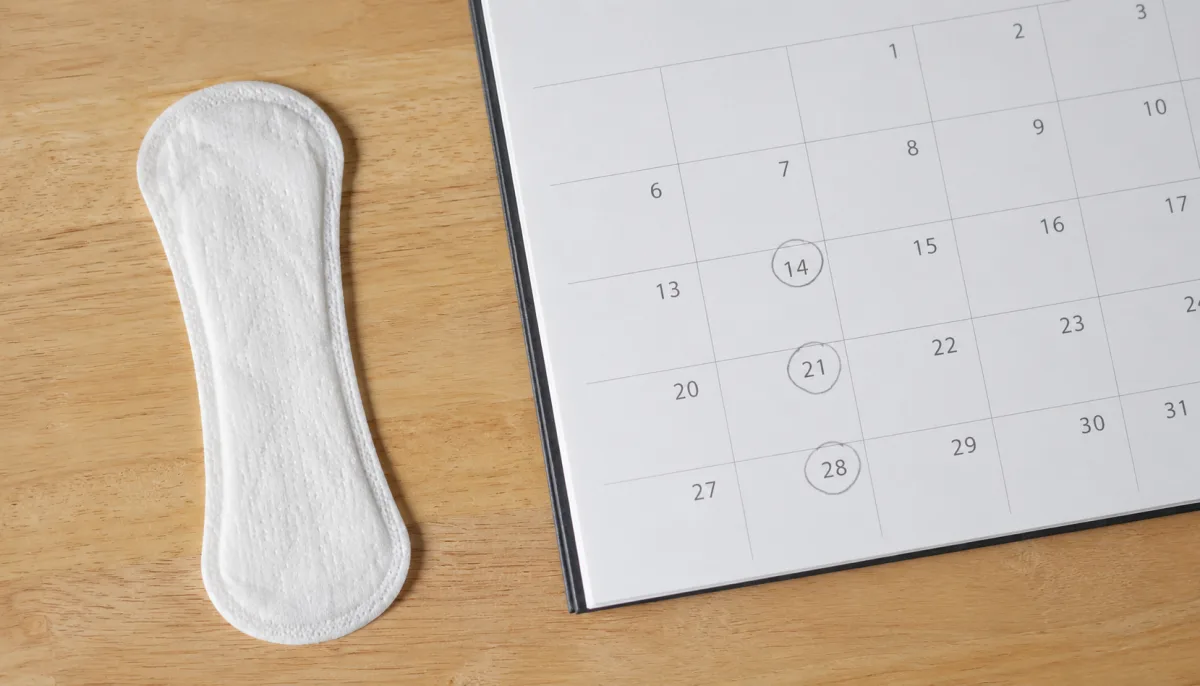
About 10 to 14 days after ovulation (which puts you at roughly weeks 3 to 4 of pregnancy), the fertilized egg attaches to the lining of the uterus. That uterine lining is thick with blood vessels, and when the embryo burrows in, it can disrupt some of those vessels — producing what's known as implantation bleeding.
According to Cleveland Clinic, about 1 in 4 pregnant women experience implantation bleeding. The spotting is characteristically light: pink, brown, or dark brown in color, lasting anywhere from a few hours to two days. It's distinct from a period in several ways — the flow is too light to soak a pad, there are no clots, and any cramping is notably milder than typical menstrual cramps. Because it occurs close to when a period is due, implantation bleeding is frequently mistaken for the start of a light cycle.
If the spotting is bright red, heavy, or comes with significant pelvic pain, those are signs to contact your healthcare provider promptly, as they can indicate something other than implantation. For the many people who see a faint spot of brown on toilet paper at the expected time of their period, implantation bleeding is often the earliest physical confirmation that something has changed.
Image prompt placeholder: implantation bleeding awareness
If you're curious about understanding other early pregnancy test-related nuances, evaporation lines on EPT results is worth reading before you interpret your results.
Fatigue in early pregnancy

Few symptoms hit as unexpectedly as first-trimester fatigue. Many pregnant people describe it as a bone-deep exhaustion — not the kind that a good night's sleep fixes, but a tiredness that arrives mid-afternoon and simply sits there.
The primary driver is progesterone. After implantation, the corpus luteum (the follicle that released the egg) ramps up progesterone production to maintain the uterine lining. Progesterone has a sedative effect on the central nervous system, which is why sleep needs rise sharply. At the same time, the body begins producing human chorionic gonadotropin (HCG), which nearly doubles every two to three days during the first eight to ten weeks of pregnancy. Blood volume starts to increase, the heart works harder with each beat, and the metabolic demands on the body climb — all before most people even know they're pregnant.
The result is a legitimate physiological load, not something you can simply push through with caffeine. Most people find the fatigue peaks in the first trimester and eases considerably by weeks 12 to 14. Eating iron-rich foods, staying hydrated, and allowing yourself to rest without guilt are the practical responses — and if you want to know more about eating well during this stretch, see our guide to bland diets for pregnancy.
Nausea and morning sickness — when does it start?
The phrase "morning sickness" is misleading on two counts: it rarely confines itself to the morning, and it doesn't typically begin in the first week of pregnancy. According to Mayo Clinic, nausea usually starts one to two months after conception — meaning around weeks 4 to 6 post-LMP for most people. It peaks around weeks 8 to 10, which corresponds to the highest concentration of HCG in the bloodstream, and begins to ease for most people by weeks 12 to 14.
The connection between HCG and nausea is well established: pregnant people with hyperemesis gravidarum — the severe form of pregnancy nausea that can require hospitalization — consistently show higher HCG levels than those with milder symptoms. The hormone is thought to act on receptors in the digestive tract and the brain's nausea centers, though exactly why some pregnancies produce more nausea than others remains an active area of research. Approximately 75% of pregnant people experience some degree of nausea or vomiting, according to ACOG.
If nausea sets in and lasts all day, there is nothing wrong with you — and nothing wrong with the pregnancy. Small, frequent meals, ginger, and staying ahead of hunger rather than eating when already nauseous can help considerably. Severe, persistent vomiting that prevents keeping fluids down warrants a call to your doctor, as hyperemesis gravidarum carries genuine risks of dehydration and malnutrition.
Breast tenderness and changes
Sore, heavy, or unusually sensitive breasts are among the earliest signs many pregnant people notice — sometimes even before a missed period. The cause is a rapid increase in both estrogen and progesterone following implantation. These hormones trigger growth in breast tissue: the ducts begin to widen, glandular tissue expands in preparation for eventual milk production, and blood flow to the area increases noticeably.
The areolae (the circles of pigmented skin around the nipples) often darken and enlarge during the first trimester. Small bumps on the areola — called Montgomery tubercles or Montgomery glands — may become more prominent. These are modified sebaceous glands that secrete an oily substance to lubricate and protect the nipple, and their growth is a reliable early sign that pregnancy hormones are active. The veins across the breast surface may also become more visible as blood volume rises.
The tenderness typically decreases as the body adjusts to its new hormonal baseline, usually by weeks 12 to 14. Until then, a well-fitted, supportive bra — worn even at night if needed — is the most practical relief.
Frequent urination and other physical changes
The urge to use the bathroom more often than usual is a genuine early pregnancy sign, though it becomes more pronounced as pregnancy progresses. After implantation, HCG signals the kidneys to process a larger volume of fluid, and blood volume itself begins to increase — by the end of pregnancy, blood volume will have risen by 30 to 50 percent. Even in the first weeks, the kidneys are already processing more fluid than usual, and that extra fluid ends up in the bladder.
As the uterus grows — more noticeably from weeks 6 to 8 onward — it also begins to press on the bladder, compounding the urge to urinate. If frequent urination is accompanied by burning, pain, or cloudy urine, those are signs of a possible urinary tract infection (UTI), which is more common in pregnancy and warrants prompt evaluation.
Other early physical changes worth noting: some people experience mild bloating (progesterone slows digestion), constipation (for the same reason), food cravings or aversions, mood swings driven by fluctuating progesterone and estrogen, and mild nasal congestion as blood vessel dilation affects the mucous membranes.
Pregnancy can bring emotional complexity alongside the physical. For support with the psychological side of early pregnancy, see how to deal with depression during pregnancy and how to feel attractive during pregnancy.
Basal body temperature and heightened sense of smell
If you've been tracking your basal body temperature (BBT) — your resting body temperature taken first thing in the morning before getting up — you may already have a clue about pregnancy before any other symptom appears. After ovulation, progesterone causes BBT to rise by approximately 0.3 to 0.5°C (about 0.5 to 1°F). In a cycle where pregnancy does not occur, BBT drops back down in the days before your period begins. If conception has taken place, BBT stays elevated because the body continues producing progesterone to sustain the pregnancy. A sustained high temperature for 18 or more days after ovulation, with no period, is a meaningful indicator — though not a diagnostic one. A pregnancy test confirms what the chart suggests.
A heightened sense of smell — medically called hyperosmia — is another frequently reported early sign. Many pregnant people find that odors they previously tolerated become suddenly overwhelming: coffee, perfume, cooking meat, even a partner's natural scent. Research suggests this change may be linked to rising estrogen levels, and it has an evolutionary logic: pregnancy may amplify olfactory sensitivity as a protective mechanism against ingesting toxins during the critical early weeks of fetal development. Notably, hyperosmia is closely tied to nausea — the same smells that become intolerable are often nausea triggers, which is why some people find that cooking smells trigger morning sickness far outside of morning hours.
When to take a pregnancy test
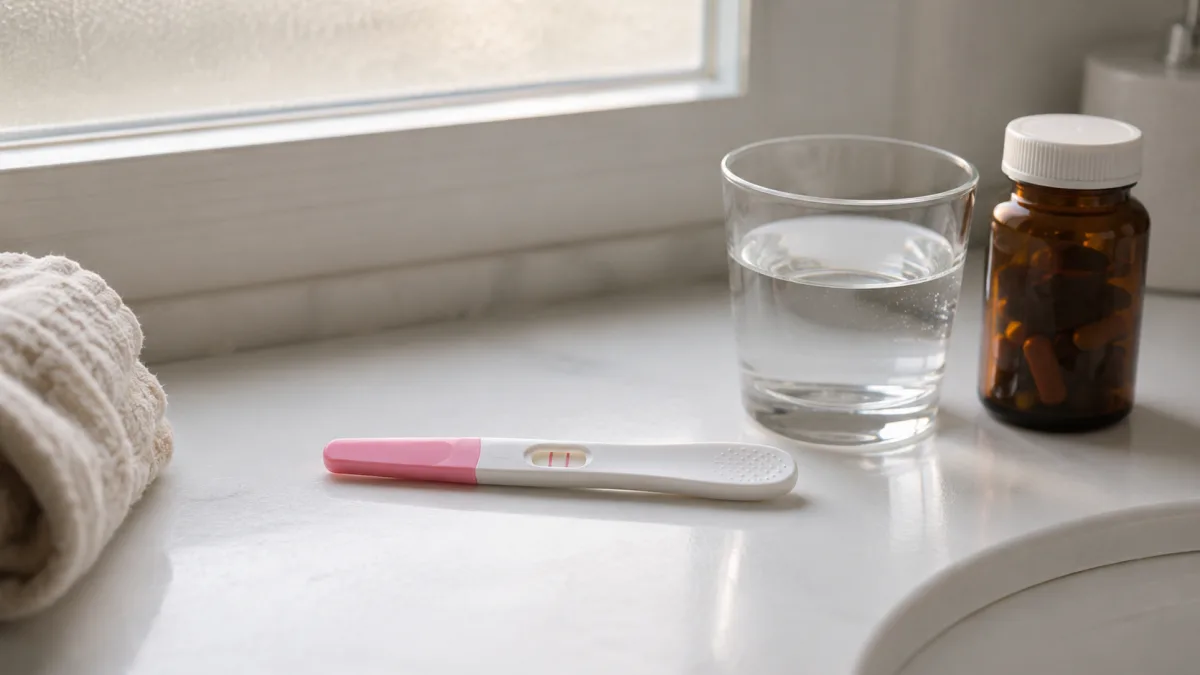
Home pregnancy tests work by detecting HCG in urine. After implantation, HCG production begins and roughly doubles every two to three days. At the time of a missed period — which corresponds to approximately week 4 of pregnancy — HCG levels are usually high enough for a standard test to detect reliably. Mayo Clinic notes that tests are about 99% accurate when taken correctly from the first day of a missed period.
Some "early response" tests are marketed as detecting pregnancy up to six days before a missed period. These can work, but accuracy is lower at that stage simply because HCG levels are still rising. A negative result before a missed period doesn't rule out pregnancy — it may just mean you tested too early. For the most reliable outcome, use first-morning urine (when HCG is most concentrated) and wait until your period is at least one day late.
If your test is positive, call your healthcare provider to schedule your first prenatal appointment. This typically takes place between 8 and 10 weeks from your last menstrual period. In the meantime, if you're not already taking a prenatal vitamin containing folic acid, start one now — folic acid is critical for neural tube development in the earliest weeks.
Seek prompt medical attention if you experience heavy bleeding (soaking through a pad), severe abdominal or pelvic pain, dizziness or fainting, or pain in the shoulder. These can be signs of an ectopic pregnancy — a fertilized egg that has implanted outside the uterus, most often in a fallopian tube — which is a medical emergency. According to Mayo Clinic, early warning signs of ectopic pregnancy include light vaginal bleeding and pelvic pain, with more severe symptoms appearing if the tube ruptures.
For guidance on what comes next after the positive test, how to stay intimate during pregnancy and ideas on how to tell family the gender of your baby offer practical and emotional support for the journey ahead. You can also learn more about early pregnancy symptoms at Cleveland Clinic's early pregnancy guide and ACOG's resource on bleeding during pregnancy.
This article is for general informational purposes only and is not a substitute for professional medical advice. Always consult a healthcare provider with any questions about pregnancy or your health.
Early pregnancy is a time of rapid, invisible change. Many of the signs listed here — implantation spotting, fatigue, breast tenderness, a persistent BBT rise — appear before a pregnancy test turns positive. They're your body's first signals that something remarkable has begun.
Frequently Asked Questions
Can you feel pregnancy symptoms before a missed period?
Yes, some people notice symptoms before their expected period. Implantation bleeding, mild breast tenderness, and unusual fatigue can all appear around 10 to 14 days after ovulation — which is the same time frame as a missed period or just before it. However, these symptoms overlap significantly with premenstrual symptoms, making it difficult to tell the difference without a pregnancy test. For the most reliable confirmation, wait until your period is at least one day late before testing.
How early can implantation bleeding occur?
Implantation bleeding typically occurs 10 to 14 days after ovulation, according to Cleveland Clinic. In a standard 28-day cycle, that puts it right around the time a period would be expected — which is why it's so commonly mistaken for a light period. It tends to be pink or brown rather than bright red, lasts no more than one to two days, and doesn't involve clots. About one in four pregnant women experience it.
Does nausea really start in the first week of pregnancy?
Not usually. Nausea — often called morning sickness — typically begins between weeks 4 and 6 of pregnancy, when HCG levels have risen high enough to affect the digestive tract and brain. In medical counting, that's at least four weeks after the start of your last period, or roughly two weeks after conception. Some people feel queasiness a little earlier; others never experience it at all. If nausea begins before you've even missed a period, it's unlikely to be pregnancy-related at that precise moment.
What does a sustained high basal body temperature mean?
After ovulation, progesterone causes a slight rise in resting body temperature of around 0.3 to 0.5°C (0.5 to 1°F). If your period is not pregnant, BBT will drop back down in the day or two before your period arrives. If you are pregnant, BBT stays elevated because progesterone production continues. An elevated BBT sustained for 18 or more days post-ovulation, without a period, is a strong indicator of pregnancy — but should always be confirmed with a home pregnancy test or blood test from your provider.
When should I call a doctor after a positive pregnancy test?
Call your healthcare provider as soon as you get a positive result to schedule your first prenatal appointment, which typically occurs between 8 and 10 weeks from your last menstrual period. If you have any heavy bleeding, severe pelvic or abdominal pain, shoulder pain, or dizziness, seek care immediately — these can be signs of an ectopic pregnancy, which is a medical emergency. Earlier prenatal appointments may also be recommended if you have a history of miscarriage or other risk factors.
Can mood swings be an early sign of pregnancy?
Yes. The rapid rise in progesterone and estrogen following implantation affects neurotransmitter activity in the brain, which can produce mood swings, emotional sensitivity, and periods of tearfulness that feel disproportionate to circumstances. These changes are physiological, not a sign of weakness. They tend to settle as the body adjusts to its new hormonal levels, usually by the second trimester. If low mood persists or deepens significantly, discussing it with your provider is worthwhile — depression during pregnancy is common and treatable.

Alyssa Curlin
Edits general health, nutrition and education explainers. Medical topics are educational and link to public-health guidance.




Leave a reply
Replying to