Press Enter to search or ESC to close
Health

How to Manage Decision Paralysis When Life Feels Overwhelming

Cashie Evans
· · 15 min read

How to Manage Decision Paralysis When Life Feels Overwhelming

Ever found yourself staring blankly at your overflowing inbox, your closet full of clothes, or even a simple restaurant menu, feeling a heavy weight of indecision press down on you? You know that feeling, right? It's like your brain just short-circuited, and suddenly, even the smallest choice feels monumental.

You’re not alone. In our fast-paced, always-on world, it's easy for life to pile up until you're buried under a mountain of tasks, expectations, and choices. When that happens, your brain can hit the brakes, leaving you stuck in a loop of "what ifs" and "I can't even," and that, my friend, is decision paralysis.

It's not just about being indecisive; it's about being overwhelmed to the point of inaction. But here’s the good news: you can absolutely navigate this. I've been there, I've learned from it, and I'm here to share what I’ve picked up along the way.

Why This Matters

So, why are we talking about decision paralysis? Because it's more than just a momentary frustration. Left unchecked, it can seriously impact your mental health, productivity, and overall well-being. Think about it: when you can't make decisions, you don't move forward.

That stagnant feeling can breed anxiety, self-doubt, and even depression. It stops you from achieving your goals, personal or professional, and can make everyday life feel like an uphill battle. Plus, when you're stuck, you miss out on opportunities and experiences.

It can affect everything from your career choices to what you wear, to how you manage your health. Imagine not being able to choose what healthy meal to cook, or which workout to do, simply because there are too many options. Or feeling paralyzed by the sheer volume of tasks at work, leading to missed deadlines and added stress.

Understanding and managing decision paralysis isn't about becoming a super-efficient robot; it's about reclaiming your peace of mind and your agency. It’s about building a life where you feel capable and in control, even when things get hectic.

Understanding the Overwhelm: The Root Causes of Decision Paralysis

Before we can tackle decision paralysis, we need to understand what's actually going on beneath the surface. It's rarely just about "too many choices." Often, there are deeper psychological or practical factors at play that leave us feeling stuck.

In my experience, pinpointing these root causes is like finding the "why" behind your "I can't." Once you know the why, you can start chipping away at the problem with more targeted solutions. It's a journey of self-discovery, really.

Let's look at some of the common culprits that turn simple choices into daunting dilemmas. Recognizing these patterns in yourself is the first big step towards breaking free.

Information Overload

Ah, the digital age! We're constantly bombarded with data, opinions, and endless options. Whether it’s choosing a new phone, figuring out a skin-care routine, or even just picking a movie on a streaming service, the sheer volume of information can be overwhelming.

Our brains aren't really built to process hundreds of different data points simultaneously. When you have too much input, your mind effectively freezes, unable to prioritize or filter what's truly relevant. It's like trying to drink from a firehose.

Fear of Making the "Wrong" Choice

This one hits close to home for many of us, myself included. We live in a world that often rewards perfection and punishes mistakes. The pressure to always get it right can be suffocating, especially when the stakes feel high.

The fear isn't just about the immediate outcome; it's also about potential regret, wasted time or money, or even how others might perceive our choices. This anxiety can be so potent that it makes us prefer inaction over the risk of error.

Perfectionism

Closely related to the fear of making the wrong choice is perfectionism. If you're someone who believes every decision must be the absolute best, most optimal one, you're setting yourself up for paralysis. There's an endless rabbit hole of research and comparison.

Perfectionism makes you chase an ideal that often doesn't exist, leading to endless analysis and a reluctance to commit. It's a heavy burden, always striving for an unattainable standard, and it steals the joy from decision-making.

Lack of Clarity or Priorities

Sometimes, we struggle with decisions because we haven't clearly defined what's important to us. If you don't know your core values or what your short-term and long-term goals are, every decision can feel arbitrary.

Without a guiding compass, it's hard to weigh options effectively. You might find yourself drifting, trying to please everyone, or simply not knowing which path aligns best with who you are and what you want.

Energy Depletion or Mental Fatigue

Let's be real: decision-making takes energy. Our brains are muscles, and they can get tired. If you're already feeling drained from stress, lack of sleep, or an overly demanding schedule, your capacity for making choices significantly diminishes.

When you're mentally fatigued, even small decisions feel like climbing Mount Everest. This is why you might feel perfectly capable in the morning but completely overwhelmed by dinner-time choices. Recognizing this state is vital for managing it.

Strategies for Decluttering Your Mind and Moving Forward

Now that we've explored *why* we get stuck, let's talk about *how* to get unstuck. These aren't magic bullets, but they are practical tools and mindset shifts that, when consistently applied, can make a huge difference.

I’ve personally tested many of these, and what I love about them is how adaptable they are. You can use them for everything from picking an outfit to making big career moves. It’s all about creating clarity and momentum.

The goal isn't to eliminate all indecision – that's impossible and frankly, unnecessary – but to reduce the paralyzing effect it has on your life. Let's make choices with confidence, not dread.

The Two-Minute Rule for Small Tasks

Here’s a trick I learned from a friend and it’s honestly changed my daily routine. If a task takes two minutes or less to complete, do it immediately. Don't add it to a list, don't think about it, just get it done.

Think about replying to a quick email, putting that dirty mug in the dishwasher, or sending that short text. These tiny decisions pile up and contribute to the feeling of overwhelm. Knocking them out instantly frees up mental space and builds momentum.

The Eisenhower Matrix for Prioritization

When you're facing a mountain of tasks, it's tough to know where to start. The Eisenhower Matrix is a fantastic tool for this. You categorize tasks based on two factors: urgency and importance.

Draw a square and divide it into four quadrants:

  • Urgent & Important: Do first.
  • Not Urgent & Important: Schedule.
  • Urgent & Not Important: Delegate (if possible).
  • Not Urgent & Not Important: Eliminate.
This method helps you see what truly needs your attention now and what can wait, or even disappear entirely. It brings incredible clarity to a muddled to-do list.

The "Brain Dump" for Mental Clutter

When your mind feels like a messy drawer, a brain dump is your best friend. Grab a pen and paper (or open a blank document) and just write down absolutely everything on your mind. Don't filter, don't judge, just get it all out.

This includes tasks, worries, ideas, appointments, random thoughts – everything. Once it's all externalized, you can then start to organize, prioritize, and assign actions. It's incredibly therapeutic and helps you see the actual scope of what you're dealing with, rather than letting it swirl vaguely in your head.

Set Time Limits for Decisions

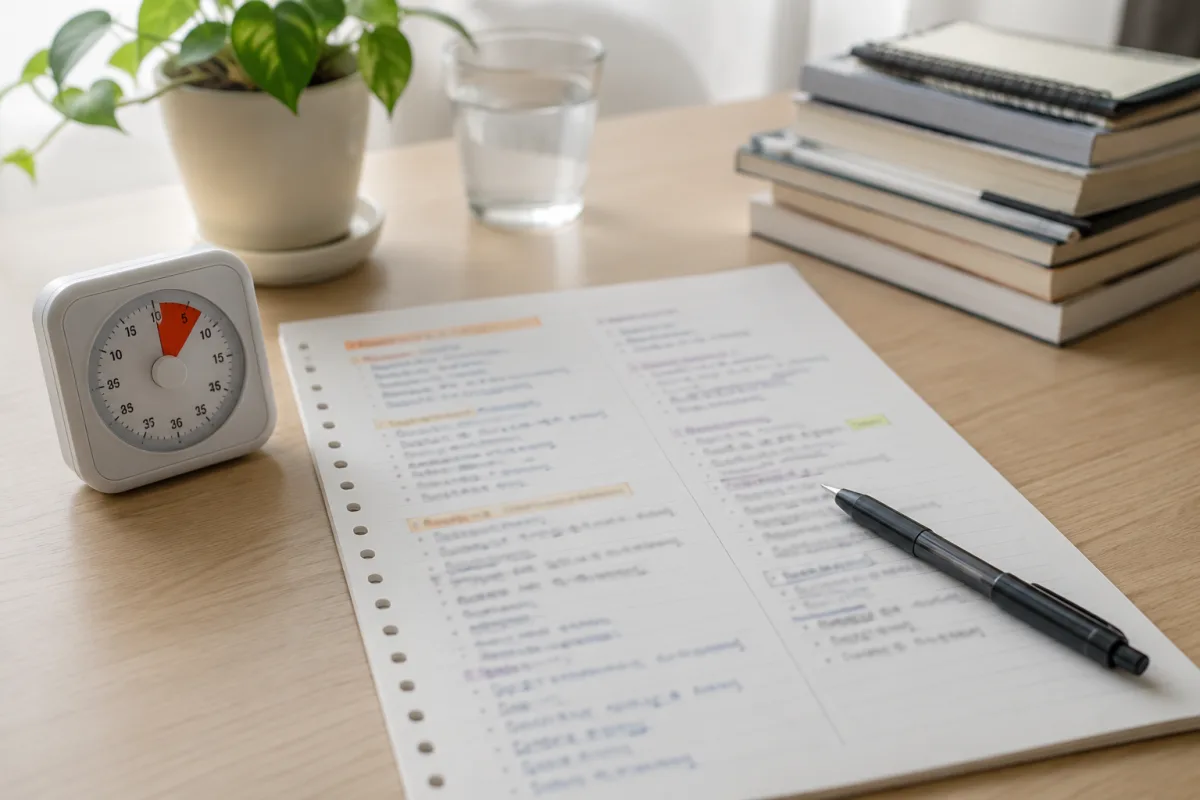
For bigger decisions, especially those where you tend to overthink, set a timer. Decide upfront how much time you're going to dedicate to making that choice – 15 minutes, an hour, a day. When the timer goes off, you commit to a decision.

This strategy forces you to focus and prevents endless analysis. It's about accepting that you might not find the "perfect" answer, but you will find a "good enough" answer within a reasonable timeframe. It trains your brain to trust your instincts more.

The "Good Enough" Principle

This is a big one, especially for recovering perfectionists like me. Instead of striving for the absolute best possible outcome, aim for "good enough." Seriously, it’s liberating. Most decisions don't require exhaustive research and agonizing deliberation.

Recognize when a decision is reversible or low-stakes. Choosing what to wear today, what to have for lunch, or even which email to reply to first, rarely needs to be a flawless choice. Embrace the idea that sometimes, simply making a choice is the best choice.

Building Resilience & Trusting Yourself

Beyond specific tactics, managing decision paralysis is also about cultivating a stronger, more resilient mindset. It’s about building confidence in your own judgment and accepting that life is full of imperfect choices. This is where personal growth really comes into play.

Think of it as strengthening your internal decision-making muscle. The more you use it, even for small things, the stronger it gets. And the more you trust yourself, the less power paralysis will have over you.

These practices aren't just for overcoming overwhelm; they're for creating a more peaceful, proactive you. They're about connecting with your inner wisdom and recognizing that you already have what it takes.

Practice Self-Compassion

When you're struggling with decision paralysis, it's easy to beat yourself up. "Why can't I just decide?" "I'm so useless." Stop that thought right there. Instead, treat yourself with the same kindness and understanding you would offer a good friend.

Acknowledge that feeling overwhelmed is a natural human response to stress. Don't shame yourself for it. Self-compassion reduces stress and anxiety, which in turn frees up mental energy for problem-solving. It’s a powerful cycle of kindness and clarity.

Reflect on Past Decisions (Without Dwelling)

Take a moment to look back at decisions you've made in the past, both good and bad. What did you learn? How did you recover from less-than-ideal outcomes? The goal here isn't to dwell on mistakes, but to extract lessons.

This process helps you build a repository of practical wisdom. You'll start to see patterns in your successes and understand your own decision-making biases. It builds confidence because you realize you've navigated challenges before and you can do it again.

Embrace Constraints and Limits

This might sound counterintuitive, but having fewer options can actually be incredibly liberating. When you’re faced with endless possibilities, decision paralysis can kick in hard. So, intentionally create some limits for yourself.

For example, when shopping, give yourself a budget or limit your search to three brands. When choosing a recipe, pick one with five ingredients or less. For your wardrobe, try a capsule approach. Constraints reduce the cognitive load and make choices much simpler.

The Power of "No"

One of the biggest contributors to feeling overwhelmed is taking on too much. Saying "yes" to every request, every opportunity, every social invitation can quickly fill your plate to overflowing. And when your plate is overflowing, even small additions feel impossible.

Learning to say "no" – politely, firmly, and without guilt – is a powerful act of self-preservation. It protects your time, energy, and mental space, giving you more capacity to make decisions that truly matter to you. It's about setting boundaries that serve your well-being.

Celebrate Small Wins

Every decision you make, no matter how tiny, is a win against paralysis. Did you finally pick an outfit? Win! Did you choose what to eat for lunch? Win! Acknowledge and celebrate these small victories.

This positive reinforcement helps rewire your brain, associating decision-making with accomplishment rather than dread. Over time, these small wins build momentum and confidence, making larger decisions feel less intimidating.

Common Mistakes to Avoid

While trying to overcome decision paralysis, it's easy to fall into certain traps that can actually make things worse. I’ve definitely been there, and learning what *not* to do is just as important as knowing what to do.

Steering clear of these common pitfalls will save you a lot of frustration and help you make genuine progress. It's about recognizing self-sabotaging patterns and consciously choosing a different path.

Over-Researching and Analysis Paralysis

We've all done it. You start by looking up one thing, and suddenly you're three hours deep into internet forums, product reviews, and expert opinions. While research is good, there's a point of diminishing returns.

When you reach a point where new information isn't changing your perspective significantly, stop. More data doesn't always lead to better decisions; it often just leads to more confusion and wasted time. Trust that you have enough information to make a reasonable choice.

Seeking Too Many Opinions

Asking for advice from trusted friends or mentors can be incredibly helpful. But if you solicit opinions from everyone you know, you're going to end up with a confusing mishmash of conflicting viewpoints.

Ultimately, the decision is yours, and too many voices in your head can silence your own intuition. Pick one or two people whose judgment you truly respect and whose values align with yours, and then make your own call.

Waiting for the "Perfect" Moment

Life rarely offers perfect moments. Waiting for all the stars to align, for absolute certainty, or for every possible obstacle to disappear is a recipe for perpetual inaction. This is a common form of procrastination disguised as prudence.

Understand that there will always be some unknowns and some risks. Embrace the idea of making a decision and then adapting as you go. Action, even imperfect action, is almost always better than no action at all.

Ignoring Your Gut Feeling

Sometimes, we spend so much time analyzing pros and cons that we completely bypass our intuition. That subtle nudge, that "gut feeling," is often your subconscious mind processing a vast amount of information more quickly than your conscious mind can.

While it shouldn't be your only guide, dismissing your gut instinct entirely is a mistake. Learn to listen to it. If a decision feels wrong in your gut, even if it looks good on paper, it's worth exploring why.

Expert Tips for Sustained Clarity

For those times when you've tried the basics and still feel stuck, or if you're looking to elevate your decision-making game, these expert tips can offer a deeper level of insight and strategy. These are practices that build long-term mental resilience.

They go beyond immediate fixes and delve into creating a lifestyle that naturally supports clear thinking and confident choices. It’s about building robust systems for your mind and life.

The Decision Journal

Start a simple journal where you log your significant decisions. Note down:

  • The problem or choice
  • Your thought process
  • The options you considered
  • The decision you made
  • The expected outcome
After a week or a month, revisit these entries and note the actual outcomes.

This practice helps you identify patterns in your thinking, see where you tend to get stuck, and learn from your own experiences. It's powerful data for self-improvement.

Pre-Mortem Analysis

This is a fantastic technique, especially for bigger decisions. Imagine you've made your decision, and six months later, it has failed spectacularly. Now, write down all the reasons why it failed.

This "pre-mortem" exercise helps you identify potential risks and obstacles that you might have otherwise overlooked. It allows you to proactively develop contingency plans and strengthen your chosen path, making you feel more prepared and confident.

Delegate What You Can (Even Small Things)

Delegation isn't just for managers at work. In your personal life, look for opportunities to offload tasks that drain your decision-making energy. Can your partner pick the dinner? Can your kids help choose activities?

Even small acts of delegation free up your mental bandwidth for more important choices. It's not about being lazy; it's about strategic energy management, ensuring your valuable decision-making power is used where it truly matters.

Practice Mindful Pauses

When you feel the familiar grip of overwhelm and indecision, take a mindful pause. This could be five deep breaths, a short walk, or simply closing your eyes for a minute. The goal is to create a small break in the mental noise.

This pause helps to reset your nervous system, reduce cortisol levels, and bring you back into the present moment. Often, a few minutes of quiet can clear the fog enough for a decision to emerge more naturally.

Adopt a "Trial and Error" Mindset

Instead of viewing decisions as permanent, fixed choices, try to see them as experiments. What if you tried X for a week and then re-evaluated? What if you picked Y and just saw what happened?

This mindset reduces the pressure of making the "perfect" choice because it acknowledges that you can learn, adjust, and pivot. It fosters flexibility and courage, transforming fear of failure into an opportunity for learning.

Final Thoughts

Dealing with decision paralysis when life feels overwhelming is a journey, not a destination. There will be days when you feel stuck, and that's okay. The goal isn't to be perfectly decisive all the time, but to have the tools and the self-awareness to navigate those moments with greater ease and less distress.

Remember, every small step you take, every tiny decision you make, builds your confidence and resilience. Be kind to yourself through the process. You're learning, you're growing, and you're gaining control over your own choices. You've got this.

What's one small decision you can make today to start breaking free? I'd love to hear it in the comments below!

How to Manage Decision Paralysis When Life Feels Overwhelming

Save for later

Found this helpful?

Pin this article to your Pinterest board and come back to it whenever you need a reminder.

Save to Pinterest
Written by

Cashie Evans

Cashie is a freelance writer covering a variety of topics, including parenting, tips and tricks. She took her love of writing to the Web. Cashie attended Louisiana State University and received her bachelor’s degree in 2009.

More posts
Cashie Evans

Responses (0)

0%