Press Enter to search or ESC to close
Health

The Impact of Urban Noise Pollution on Anxiety and Sleep Quality

Chiara Bradshaw
· · Updated Feb 19, 2026 · 13 min read

The Impact of Urban Noise Pollution on Anxiety and Sleep Quality

Ever find yourself jumping at every car horn, feeling an inexplicable buzz of irritation when the neighbor's dog barks, or tossing and turning all night, even when things seem "quiet"? If you live in a city, chances are you’ve felt this. That constant, often unnoticed, hum of urban life isn't just background noise; it's a silent intruder messing with our peace.

It seeps into our homes, our heads, and our sleep, leaving us feeling frazzled and exhausted. But what if I told you that recognizing this problem is the first step to reclaiming your calm? It’s not just you; the city's soundtrack might be quietly sabotaging your well-being.

Why This Matters

Here’s the thing: we often dismiss noise as "just part of city living," right? We put up with sirens, construction, loud traffic, and bustling crowds because, well, that's what urban life entails. But our bodies and minds are actually registering every single one of those sounds, even when we don't consciously notice them.

This isn’t about being sensitive; it's about biology. Constant noise acts as a stressor, activating our body's fight-or-flight response. Your cortisol levels?

They're probably spiking.

This isn't just about feeling a bit annoyed; it's about a cascade of biological reactions that impact everything from your mood to your heart health. Over time, that persistent activation can lead to chronic anxiety, make it incredibly difficult to unwind, and — perhaps most critically — severely disrupt the quality of your sleep.

You might think you're sleeping soundly, but your brain could be fighting a silent battle against noise all night long. Understanding this isn't just academic; it's crucial for our health and happiness, especially when living amidst the urban sprawl.

Understanding the Noise-Anxiety Connection

Think about it: when you're constantly bombarded with sound, your brain is working overtime. It's processing all that input, trying to decide if it's a threat or just another bus. This isn't a sustainable way to live.

In my own experience, after moving to a particularly busy street, I started to notice a pervasive sense of agitation, a kind of low-grade anxiety that I couldn't quite pinpoint. I was more irritable, my focus was shot, and honestly, I just felt "on edge" most of the time.

What I eventually realized was that the ceaseless drone of traffic, the occasional blare of horns, and even the distant rumble of the subway were keeping my nervous system in a perpetual state of alert. Your brain gets wired to expect constant stimulation, making it harder to relax even when things quiet down.

This hyper-vigilance is a hallmark of anxiety, and urban noise is a huge, often overlooked, contributor. It's like your internal alarm system is stuck on high alert, always scanning for danger.

It’s not just the sudden loud noises, either. The persistent, low-frequency hum of city infrastructure can be just as insidious. It infiltrates your space and makes true quiet a rare commodity.

This constant background noise can elevate stress hormones, leading to symptoms like increased heart rate, higher blood pressure, and yes, that pervasive feeling of anxiety. So, if you're struggling with feeling anxious and can't quite figure out why, take a moment to consider the soundscape you're living in.

Practical Strategies to Mitigate Noise-Induced Anxiety

Once you recognize the link, you can start taking steps to reclaim your calm. It’s not about escaping the city (unless you want to!), but about creating buffers and managing your environment. Small changes can genuinely make a world of difference. Here are some personal favorites that have helped me.

Create a "Quiet Zone"

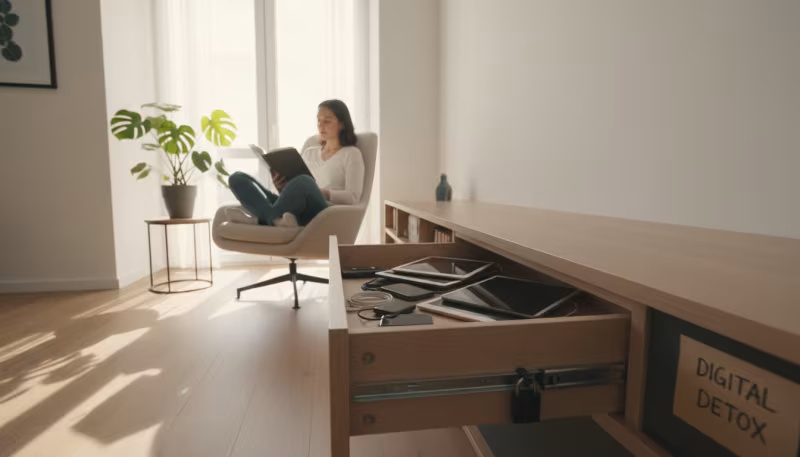
Designate one room or even a corner of your home as a sanctuary. This is a space where noise is minimized as much as possible. Think soft furnishings, thick curtains, and a "no tech" rule to truly disconnect.

I've found that having a go-to spot where I can literally feel the reduction in sensory input helps my nervous system settle down almost immediately. It’s a mental cue as much as a physical one.

Embrace Noise-Canceling Technology

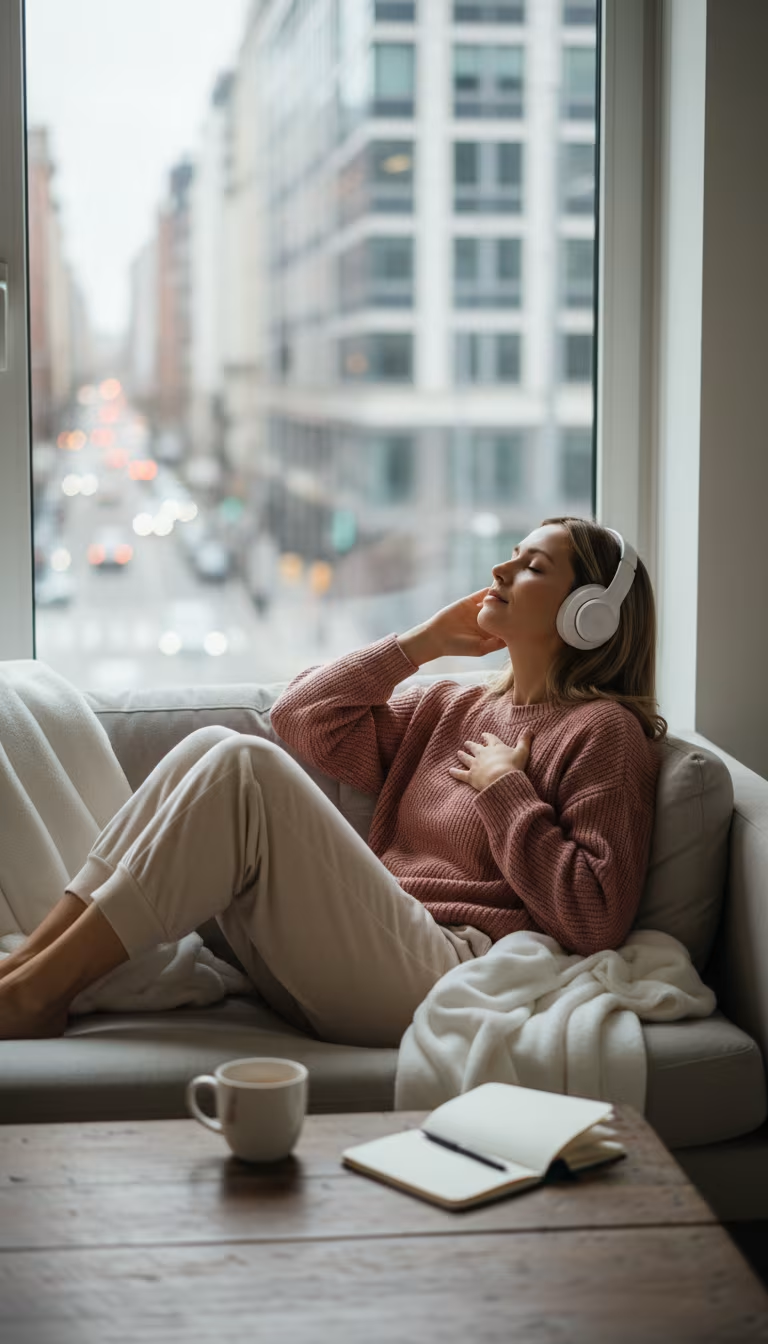
This is a real game-changer. High-quality noise-canceling headphones aren't just for travel; they're essential for urban living. Use them during your commute, while working, or simply when you need a moment of peace. I actually keep a pair next to my couch for those times when I just need to mute the world for 15 minutes and read a book or meditate. They offer an immediate, portable escape.

Practice Mindful Listening (and Not-Listening)

Sometimes, we can't eliminate the noise, but we can change our relationship with it. Try a mindful listening exercise: close your eyes and truly listen to all the sounds around you without judgment, then slowly bring your awareness back to your breath. This practice helps detach from the anxiety response.

Conversely, learn to consciously "tune out" irrelevant sounds by focusing intensely on a task or internal thought.

The Silent Saboteur: How Urban Noise Ruins Your Sleep

Now, let's talk about sleep. We all know how vital a good night's rest is, right? But what many don't realize is that urban noise pollution is a master of stealth, undermining our sleep quality even when we think we're sleeping soundly.

You might not fully wake up to every honk or distant siren, but your brain is definitely reacting. Those sounds trigger micro-arousals – brief shifts in brain activity that prevent you from entering the deepest, most restorative stages of sleep. It’s like your brain is constantly being poked, even if your body doesn’t flinch.

I used to think as long as I wasn't fully awake, the noise wasn't affecting me. Oh, how wrong I was! I'd wake up feeling drained, foggy-headed, and not at all refreshed, even after eight hours in bed.

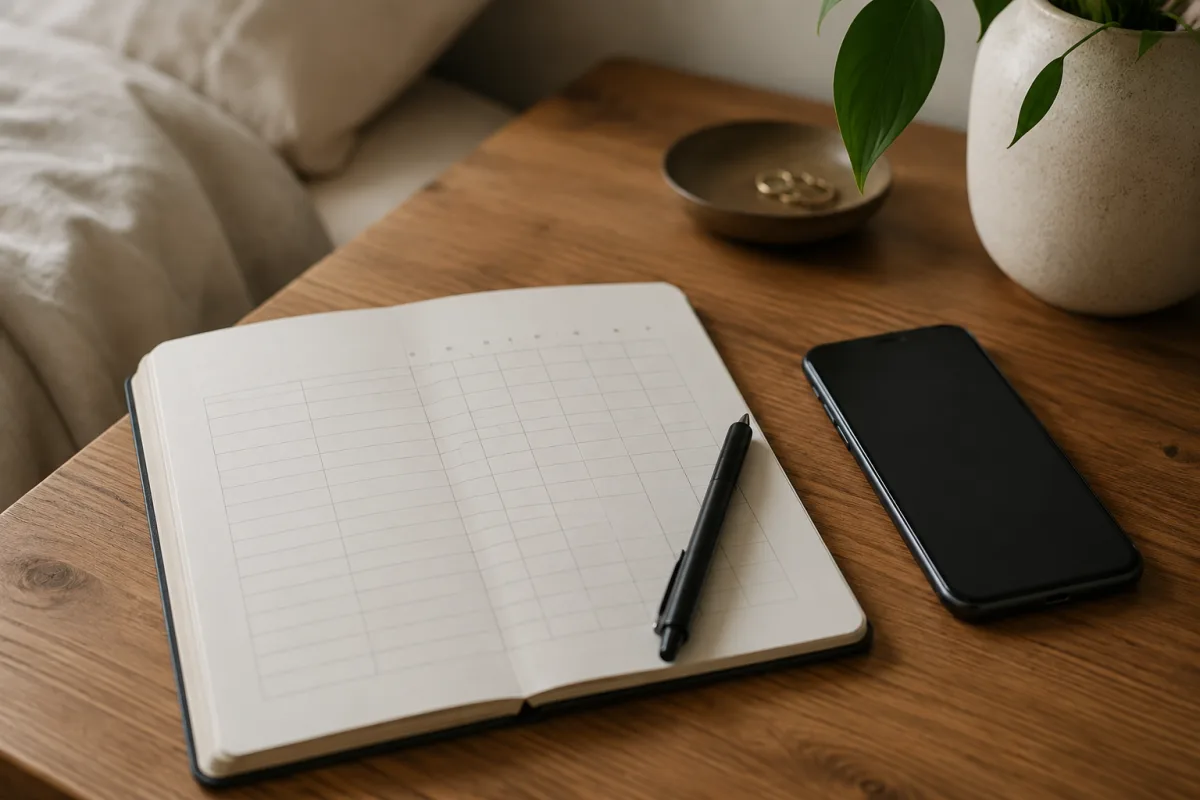
It wasn't until I started tracking my sleep more diligently and paying attention to sound levels that I connected the dots. My deep sleep, the kind that truly repairs and regenerates, was significantly reduced. This impact on sleep architecture leaves you perpetually tired, even if you’re technically getting enough hours.

The problem is exacerbated because noise doesn't just make it harder to fall asleep; it fragments your sleep cycle throughout the night. Your REM sleep, crucial for emotional regulation and memory consolidation, also takes a hit. The cumulative effect of this fragmented, less restorative sleep isn't just grogginess; it can lead to impaired cognitive function, mood swings, weakened immune response, and a heightened risk of chronic health issues.

So, if you're battling persistent fatigue and live in a noisy environment, your sleep quality is likely under siege.

Bedroom Optimization for a Quieter Night

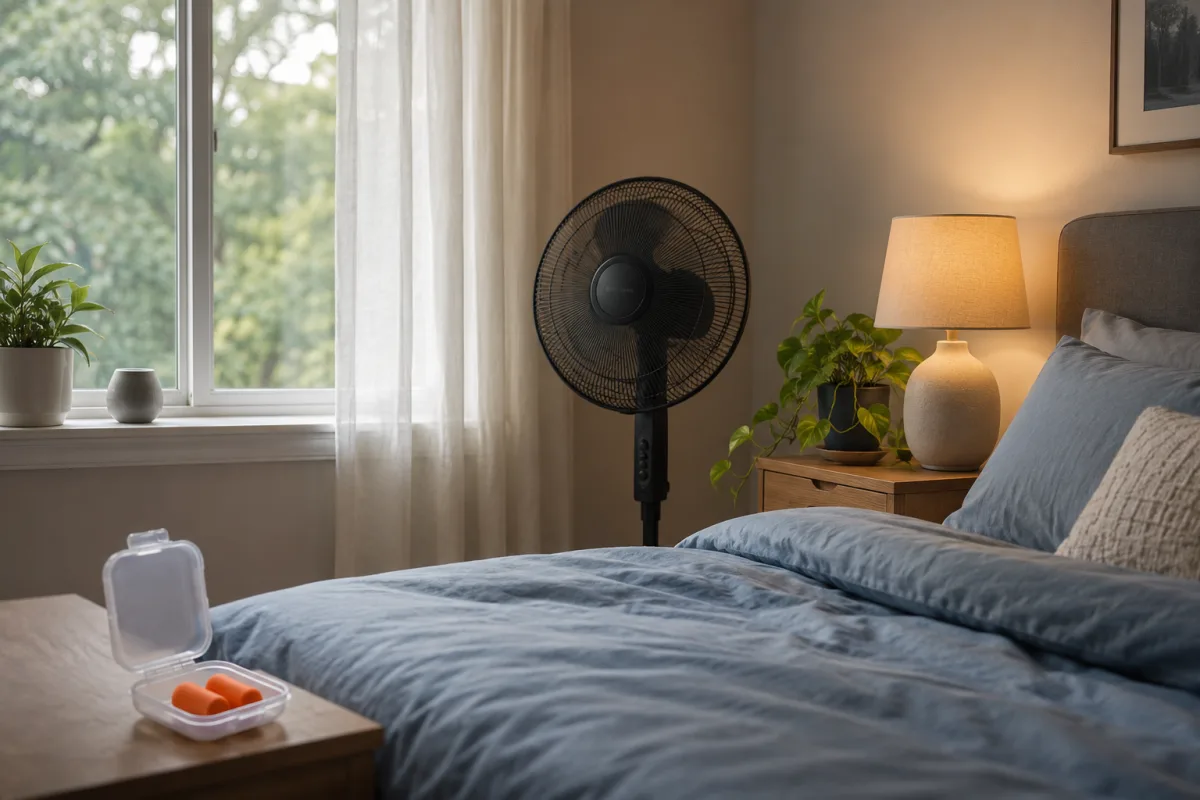
Reclaiming your sleep from urban noise requires a strategic approach to your bedroom environment. This isn't just about turning down the TV; it's about creating a true sanctuary. After trying countless things, I've found a few methods that really move the needle. Don’t underestimate the power of a well-engineered sleep space.

Soundproof Your Sanctuary

Start with the basics: thick curtains or blackout blinds aren't just for light; they also absorb sound. Consider weatherstripping around doors and windows to seal gaps. For more severe cases, look into sound-dampening panels or even installing heavier, solid-core doors. I added a dense rug to my bedroom, and the difference in echo alone was remarkable. Every bit of sound absorption helps.

Utilize White Noise or Pink Noise

Instead of trying to achieve absolute silence, which can sometimes make sudden noises even more jarring, introduce a consistent, soothing sound. White noise machines or apps can mask sudden external noises by providing a uniform background sound. Pink noise, which has a deeper frequency, is often preferred by some for its more natural, gentle quality, mimicking rainfall or rustling leaves.

I personally use a pink noise app on a low setting all night, and it’s a game-changer for consistency.

Adopt a Consistent Sleep Schedule

While not directly about noise, a regular sleep-wake cycle strengthens your body's natural circadian rhythm, making you more resilient to sleep disruptions. Going to bed and waking up at the same time every day, even on weekends, trains your body to expect sleep. This consistency can help you fall back asleep more easily if a noise does temporarily rouse you.

It builds a strong internal clock that's harder to derail.

Beyond Sleep and Anxiety: The Broader Health Implications

The impact of urban noise pollution extends far beyond just feeling anxious or tired. It's a pervasive environmental stressor that, over the long term, can contribute to a host of serious health problems. Think about it: your body is constantly in a state of low-level alarm.

That’s not how we’re designed to operate for years on end, is it? The subtle, continuous assault on our auditory system and nervous system has cumulative effects that we can't afford to ignore.

Research has shown links between chronic noise exposure and an increased risk of cardiovascular diseases, including high blood pressure and even heart attacks. Your heart has to work harder under constant stress. Furthermore, cognitive function can be impaired; concentration, memory, and problem-solving abilities can all suffer when your brain is perpetually distracted or fatigued from fighting noise.

Children, in particular, show decreased reading comprehension and attention spans when exposed to high noise levels at school and home. It’s like always running a dozen background apps on your phone – eventually, everything slows down.

What I've also observed in my own life and in others is a subtle but noticeable drain on overall mood and resilience. When you’re constantly battling an invisible enemy, it just wears you down. You might find yourself quicker to anger, more prone to feelings of hopelessness, or just generally less able to cope with everyday stressors.

It affects your quality of life in ways you might not even attribute to noise. Recognizing these broader implications helps us understand why taking action isn't just a luxury, but a necessity for holistic well-being.

Integrating Noise Management into Daily Life

It’s not just about what you do in your bedroom; it’s about how you interact with your noisy environment throughout the day. Taking a proactive stance can shift your entire experience of urban living. I've found that small, consistent actions create the biggest ripple effects, helping me maintain my sanity even on the busiest days.

Seek Out Nature Regularly

Make it a non-negotiable part of your routine to escape the concrete jungle, even for short periods. Spending time in parks, by a lake, or anywhere with natural sounds can literally reset your nervous system. The sounds of birdsong, rustling leaves, or flowing water are incredibly calming.

I try to visit my local park at least twice a week, even if it's just for a 30-minute walk. That shift in auditory environment is incredibly therapeutic.

Designate "Silent Hours"

Establish specific times each day where you consciously reduce noise. This might mean no background music, no TV, and even asking family members or roommates to respect this quiet time. Perhaps it’s the first hour of your morning or the last hour before bed.

During these times, engage in quiet activities like reading, journaling, or gentle stretching. It helps retrain your brain to appreciate and seek out silence.

Advocate for Quieter Communities

While this is a bigger lift, don't underestimate the power of collective action. Support local initiatives for noise reduction, whether it's advocating for quieter public transport, green spaces that absorb sound, or stricter regulations on construction noise during certain hours. Your individual voice, combined with others, can help shape a more peaceful urban environment for everyone.

It’s about building a better future.

Common Mistakes to Avoid

When you're trying to tackle urban noise pollution, it's easy to fall into a few traps. I've certainly made some of these myself! One of the biggest mistakes is simply ignoring the problem or downplaying its severity.

Many of us just accept noise as "normal" and don't connect it to our anxiety levels or sleep issues. This prevents us from taking any action at all, leaving us stuck in a cycle of stress and fatigue.

Another common misstep is relying solely on quick fixes without addressing the root causes. Pop an earplug in and call it a day, right? While earplugs are great in a pinch, they're not a comprehensive solution for chronic exposure.

We need to look at creating long-term environmental changes, not just band-aids. Forgetting to analyze where the noise is coming from, and how it’s entering your space, is a major oversight.

Finally, not establishing clear boundaries with others about noise can undermine all your efforts. If you've invested in soundproofing but your housemates or family members are still blasting music or having loud conversations without consideration, you're fighting an uphill battle. Communication is key here.

Don't expect others to read your mind; kindly explain why quieter environments are important for your health and well-being.

Expert Tips

For those who are ready to take their noise management to the next level, here are a few more advanced strategies. These go beyond the basics and can truly transform your living situation. I’ve personally experimented with a couple of these, and the results have been incredibly rewarding.

Invest in Professional Soundproofing

If you own your home, consider more robust solutions like double-pane windows, professional insulation, or even acoustic panels installed in walls or ceilings. This is a bigger investment, but it offers the most significant reduction in noise transmission. Think of it as investing in your long-term peace and health.

Leverage Smart Home Technology

Modern smart homes can help you create a dynamic, quiet environment. Use smart plugs to automatically turn on white noise machines at bedtime, program smart blinds to close at certain hours, or even integrate air purifiers that double as gentle background noise generators. Automating these actions ensures consistency and reduces mental load.

Track Your Sleep with Noise Data

Some advanced sleep trackers and apps now offer ambient noise monitoring in your bedroom. This can provide valuable data on how specific noise events correlate with dips in your sleep quality, micro-arousals, or restless periods. Seeing the data can be incredibly motivating and help you pinpoint the exact times and types of noise that are most disruptive for you.

Final Thoughts

It's easy to feel overwhelmed by the sheer volume of urban life, but please don't let that stop you. Understanding the profound impact of noise pollution on your anxiety and sleep is the first, most powerful step towards reclaiming your well-being. You don't have to accept constant stress and poor sleep as an inevitable part of city living.

You have the power to create a calmer, more restorative environment for yourself.

Start small. Try one or two of these tips this week, whether it’s dedicating a quiet hour or investing in good noise-canceling headphones. Pay attention to how your body and mind respond.

You might be surprised at how quickly even minor adjustments can lead to noticeable improvements in your mood, energy levels, and overall peace of mind. Your health is worth protecting from the urban roar. What small step will you take today to turn down the volume?

The Impact of Urban Noise Pollution on Anxiety and Sleep Quality

Save for later

Found this helpful?

Pin this article to your Pinterest board and come back to it whenever you need a reminder.

Save to Pinterest
Written by

Chiara Bradshaw

Chiara Bradshaw has been writing for a variety of professional, educational and entertainment publications for more than 12 years. Chiara holds a Bachelor of Arts in art therapy and behavioral science from Mount Mary College in Milwaukee.

More posts
Chiara Bradshaw

Responses (0)

0%