

The same app that keeps you laughing with a friend across the country can also leave you flat and comparing yourself to strangers twenty minutes later. That is the honest complication: a platform is not simply good or bad, and the useful question is what a particular app does to your mood, sleep, attention, and relationships.
Answering that question well means watching your own patterns rather than arguing about the technology in the abstract. The same feed affects two people, or the same person on two different nights, very differently.
What the Evidence Actually Says
Public health bodies have grown more specific about the risks in recent years, especially for younger users. The U.S. Surgeon General's advisory describes the current evidence on social media and youth mental health, including where harm concentrates and where benefits appear: HHS social media advisory. Adults are not the focus, but the risk patterns it describes, sleep disruption, comparison, and compulsive checking, apply well beyond adolescence.
The recurring theme is that content, timing, and context matter more than raw screen minutes. An hour spent messaging people you care about is not the same as an hour scrolling a feed that leaves you angry or ashamed, even though a usage tracker counts them identically.
That distinction reframes the whole problem. Chasing a lower number on a screen-time report can miss the point entirely, because a person who spends thirty focused minutes coordinating plans with friends is in a very different situation from one who spends thirty fractured minutes comparing their life to a stranger's highlight reel. The useful audit is not "how long," but "how do I feel afterward, and what did it cost my sleep and attention." Two people can use the same app for the same length of time and walk away with opposite results, which is exactly why blanket rules about screen time so often fail.
Protect Sleep First
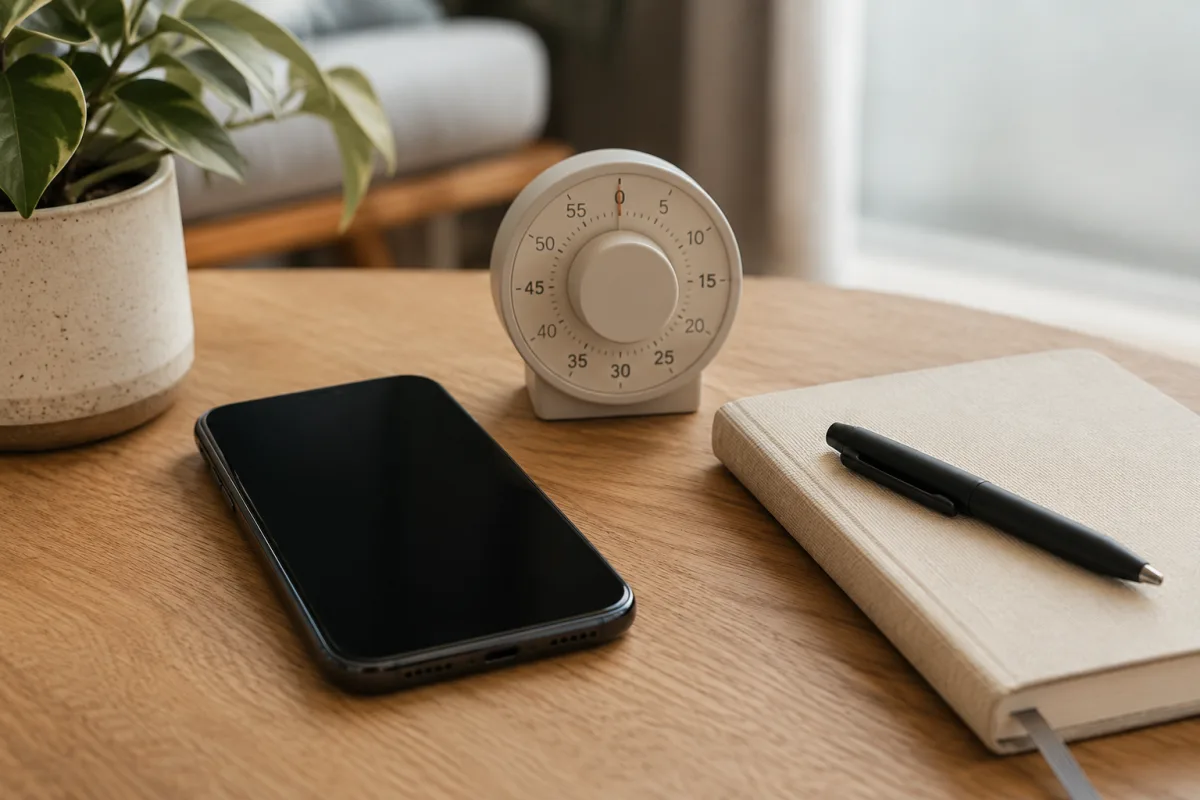
If you change only one thing, make it the phone's place in your bedtime. Late scrolling pushes back sleep, and lost sleep quietly damages the next day's mood, patience, and judgment, which then makes the feed harder to resist. The CDC connects good sleep with physical health and emotional well-being: CDC sleep basics.
A concrete rule beats a vague intention here. "No phone in bed," a charger left in another room, or a hard cutoff an hour before sleep gives your body a clear signal, where "I'll scroll less tonight" almost never survives contact with the feed. The trouble is partly design: feeds are built to be endless, so "just one more" has no natural stopping point, and the decision to stop has to come from you rather than from the app. Moving the charger to the kitchen removes the choice from the moment you are least able to make it, which is why an environmental change tends to outperform a promise made to yourself at midnight.
Audit Your Feed
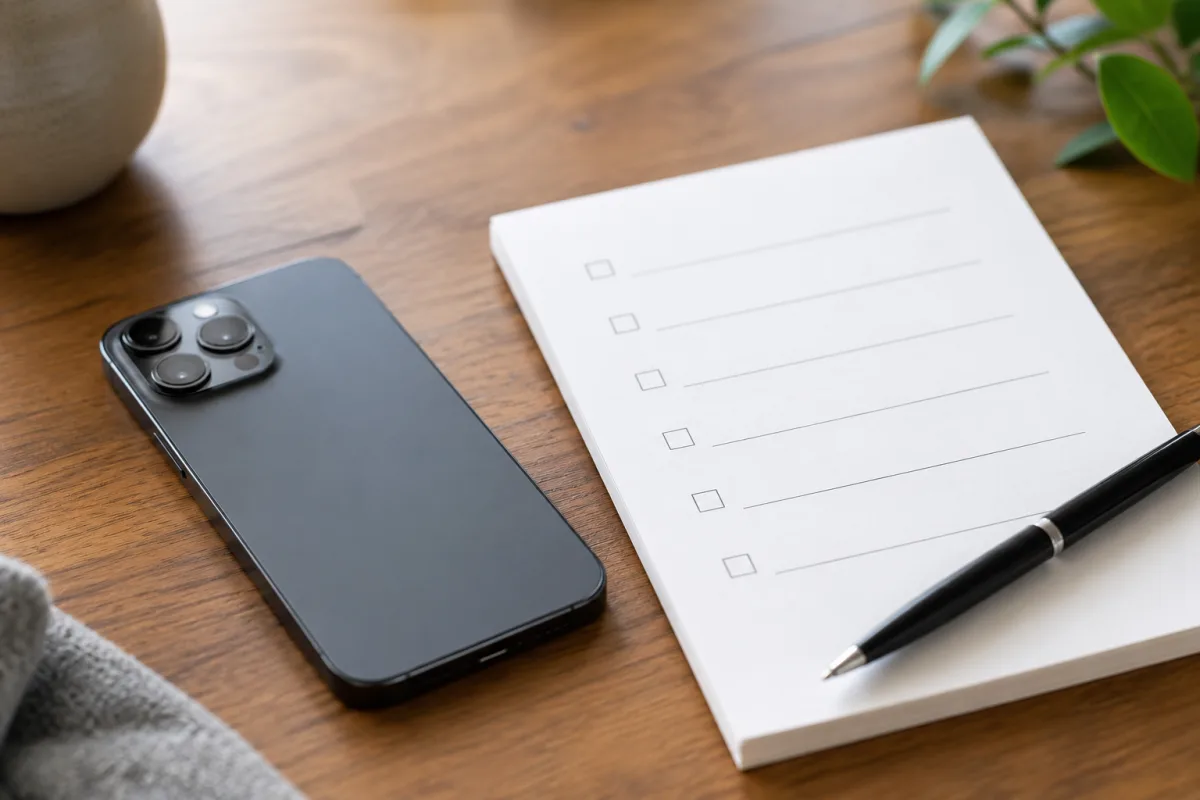
Not all of the feed costs you the same. Spend a few days noticing which accounts leave you informed or genuinely connected, and which reliably leave you angry, ashamed, envious, or numb. That distinction is the whole game, because the harm usually clusters in a predictable handful of accounts and topics.
Then act on what you find. Mute or unfollow the predictable drains without guilt; you are curating an environment, not passing judgment on anyone. Muting is often easier than unfollowing when a relationship is involved, since it quiets the harm without any awkward social signal. You can also follow more of what leaves you calmer or better informed, so the feed is not only trimmed but tilted toward what actually serves you. Keeping a short, plain log of mood alongside your habits can make the pattern obvious, and the structure of a simple habit journal adapts easily into a mood-and-screen tracker if the connection is hard to see by memory alone.
Set One Real Boundary

Dramatic resets tend to fail. Deleting every app on Sunday and reinstalling them all by Wednesday teaches you that limits do not stick, which is worse than not trying. A single, specific boundary you can actually keep does more: no phone in bed, no comments after nine, or one deliberate check-in window instead of all-day grazing.
Make the boundary survive a bad day by keeping it small and repeatable. If a rule only works when you are rested and disciplined, it is not a boundary, it is a wish. When one holds for a week, add the next one rather than overhauling everything at once. Turning off nonessential notifications is often the highest-leverage single change, because it removes the constant pull back to the app.
Know When It Is More Than Habit
Sometimes the issue outgrows a boundary. If use is costing you sleep, dropping your mood, feeding constant comparison, driving conflict, or becoming compulsive checking you cannot easily stop, those are signals worth taking seriously rather than willing away. Get professional help if symptoms are affecting your sleep, eating, safety, work, relationships, or daily functioning.
Support works best when it is concrete and offline: a walk with someone, a scheduled check-in, or a real conversation instead of another thread. And where fear or shutdown around communication runs deeper, situations like selective mutism are a reminder that trained help often does more than self-discipline. Protect the basics first, sleep, food, movement, and human contact, because they usually decide whether any plan is workable.
Frequently Asked Questions
Is social media bad for mental health?
It depends on use, content, timing, age, and personal risk. The same app can help or harm depending on how and when it is used.
What signs suggest a problem?
Sleep loss, dropping mood, constant comparison, conflict, or compulsive checking you cannot easily stop are warning signs.
Should I delete apps?
Maybe, but try targeted boundaries first. A single rule you keep usually beats a dramatic reset you abandon.
What helps?
Mute harmful accounts, protect sleep, turn off nonessential alerts, and plan real offline support.
This article is for general information only and isn't a substitute for medical advice. Talk to a clinician who knows your full history before making changes.

Timothy Davidson
Edits step-by-step general-interest guides for clarity, realistic limits and source verification.




Leave a reply
Replying to