
Seven days offline will not rewire your brain, and any headline promising that is overselling it. What a short break from habitual scrolling can do is quieter and more useful: it shows you what the habit was actually costing your sleep, your attention, and your mood, so you can decide what to keep and what to drop.
Treat the Week as an Experiment, Not a Cleanse
The language of "detox" makes it sound like scrolling is a toxin your body flushes out. A more honest frame is that you are removing one variable to watch what changes. Most of the noticeable gains in a week come from a single downstream effect: you sleep a little earlier and a little longer once the late-night feed is gone.
Sleep is where the body does much of its overnight regulation of alertness and mood, which is why losing the last-hour scroll tends to register the next morning. The National Institute of Neurological Disorders and Stroke describes sleep as an active process that shapes how you function while awake (NINDS on sleep). Expecting a calmer workday is reasonable; expecting a personality transplant is not.
Set It Up So Willpower Is Not the Plan
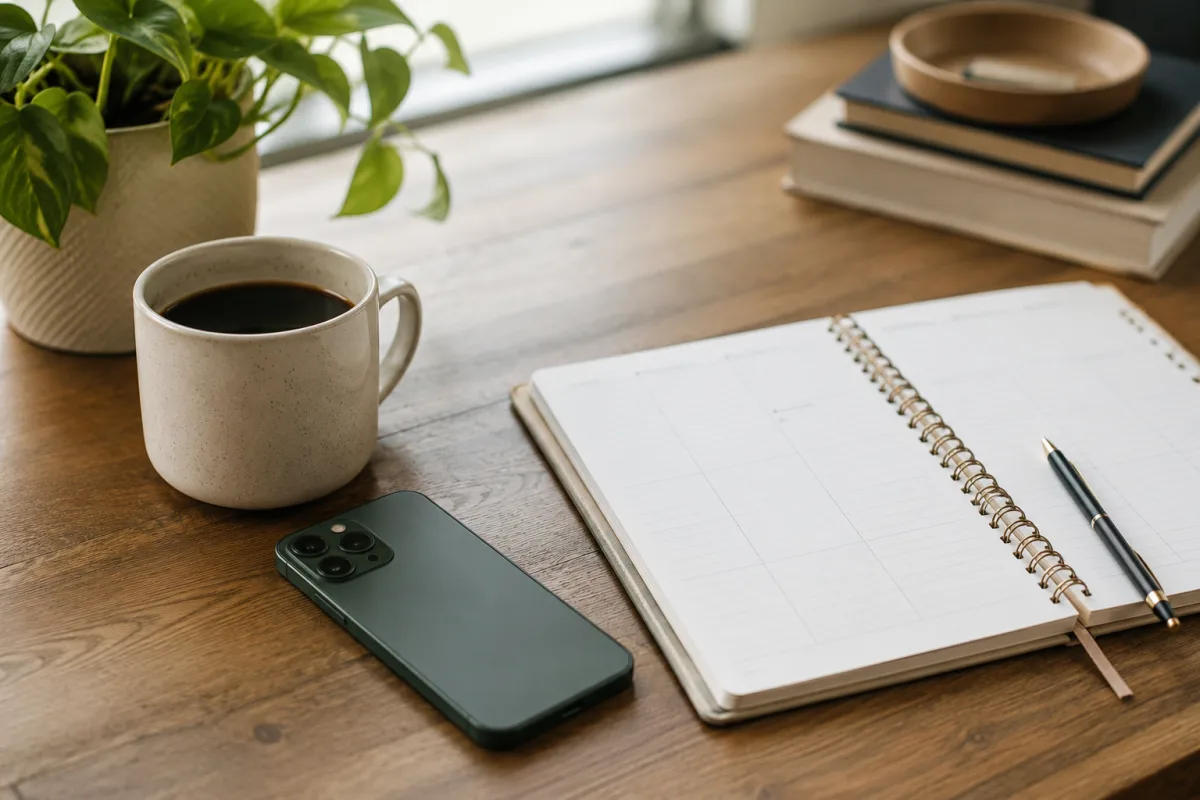
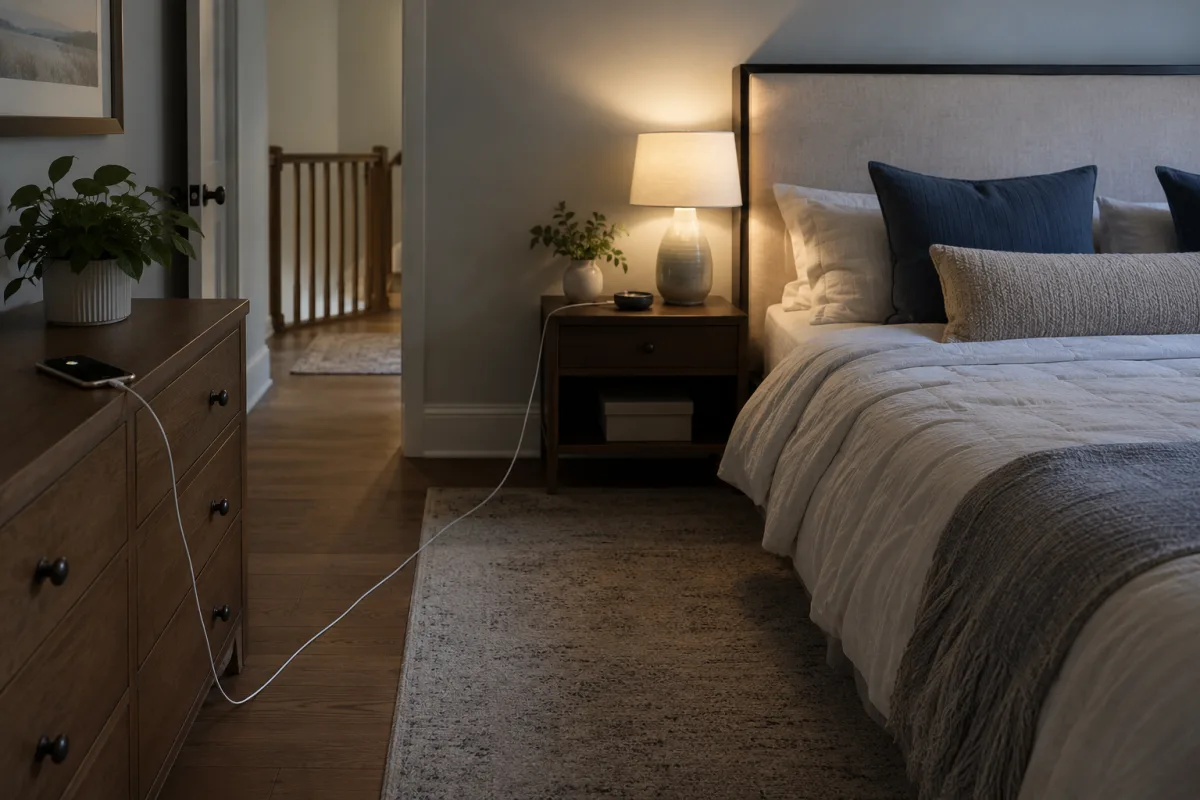
A break that relies on resisting the urge all day usually fails by Wednesday. Change the environment instead of testing your discipline. Charge the phone in another room overnight, delete the apps from the home screen rather than just closing them, and turn off every notification that is not a call or a calendar alert.
Then decide in advance what fills the gap. An empty week is just boredom plus temptation, and boredom always finds the app again. Line up a book by the bed, a short evening walk, a standing call with one friend, or an early-morning errand. The replacement matters more than the restriction, because the nervous system is looking for something to do, not nothing.
Watch What Improves and What Gets Louder
Two things tend to happen at once, and they pull in opposite directions. On the improving side: falling asleep faster, waking with less grogginess, a longer attention span for a single task, and less of the low-grade comparison that comes from a curated feed. These are the signals worth protecting.
On the louder side: for some people, removing social media makes loneliness or restlessness more obvious rather than less. The feed was doing a job, even a poor one, and taking it away exposes the gap it filled. That is not a reason to quit the experiment. It is information about what actually needs attention. If the week leaves you more isolated, the answer is to add real contact, not to declare the break a failure.
Plan one genuine point of contact each day: a text that turns into a call, a coffee, a class, a walk with a neighbor. Performance nerves and social strain often share the same body signals, so if speaking up in person suddenly feels harder, Livecub's guide to calming stage fright covers physical tools that transfer to ordinary conversations.
Handle the Reflex, Not Just the Rule

The urge to check the phone is not really about the feed. It is a trained reflex that fires whenever you feel a small gap — a lull in a conversation, a red light, the two minutes before a meeting, the moment you climb into bed. For years those gaps were filled by a swipe, so the hand reaches before the mind decides. That is what a week reveals most sharply, and it is the most useful thing to notice.
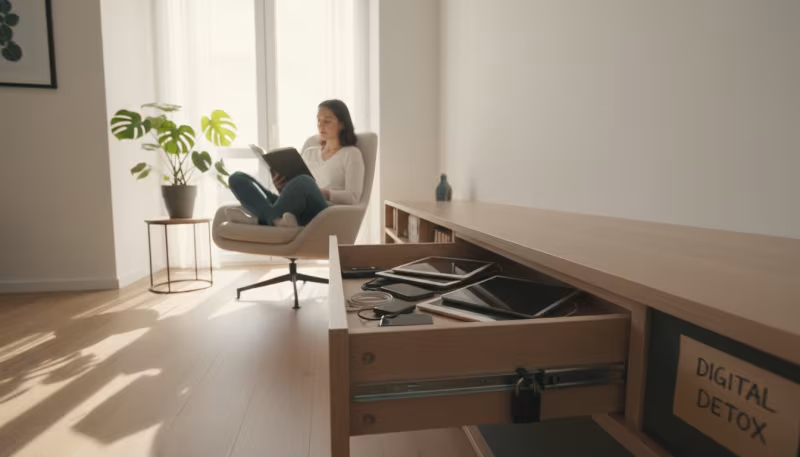
When the reflex fires, give it somewhere else to land instead of white-knuckling through it. Keep a paperback where the phone used to sit, put a short list of people to text on the fridge, or simply let the gap stay empty and breathe through it. The point is not to win a willpower contest during those seconds; it is to prove to yourself that the gap is survivable without a screen. After a few days the reflex weakens on its own, and that fading is the clearest sign the habit had more grip than you realized.
Read the Results Before Deciding Anything
At the end of seven days, resist the urge to judge the week as a moral success or failure. Look at the plain evidence instead. Did you sleep earlier? Did the first hour of the day feel different? Did you reach for the phone out of habit or genuine need? Did any anxiety ease, or did it move somewhere else?
If sleep and focus improved, the useful takeaway is rarely "quit social media forever." It is usually "keep the phone out of the bedroom" or "no feeds after the lights go off" — one durable rule that survived the test. Good sleep is tied closely to emotional steadiness, which the CDC lays out plainly (CDC on sleep and health), so a bedtime rule often does more than a total ban ever would.
One caution worth naming: if a week away leaves you with heavy low mood, dread, or a sense that connection is slipping rather than returning, treat that as data that deserves real support. A break from an app is a small tool. It is not a substitute for talking to a clinician, a therapist, or, in a crisis, calling or texting 988 in the United States.
Keep whichever piece earned its place — the earlier bedtime, the notification purge, the daily walk — and let the rest go back to normal. The goal was never a permanent vow of silence. It was a cheap, low-risk way to find out which one change is worth keeping for good.

Cashie Evans
Covers parenting and practical household topics with clear steps, safety notes and links to current guidance.



Leave a reply
Replying to