

Nobody hands new parents a maintenance manual for themselves, yet a newborn depends entirely on adults who are fed, rested when they can be, and able to ask for help. Caring for the caregiver belongs inside the plan, not in the pile of rewards saved for after every chore is finished.
In the newborn stage this rarely looks like a spa day. It looks like a shower, a sandwich eaten one-handed, ten minutes of daylight, a traded sleep shift, or telling a visitor to wash bottles before they hold the baby.
Treat It As Basic Maintenance
If an idea for looking after yourself needs two free hours and a silent house, it is not a newborn-stage plan. Build defaults that survive a chaotic day instead. Keep easy food where you actually sit to feed the baby, not where you wish you had the energy to cook. A protein snack and a water bottle within arm's reach can prevent the shaky crash that makes every cry feel louder.
Sleep in pieces still counts, so nap without apologizing and stop spending every quiet minute on chores. Clean bottles, a safe sleep space, food, and basic laundry come before a spotless home. Asking for help works far better when the request is specific: "bring dinner Tuesday," "hold the baby while I shower," or "handle groceries on Friday" removes the mental work of explaining what is wrong. Make it repeatable when you can, because a standing arrangement means you never have to ask from scratch while depleted. If you want a light way to log food, water, sleep blocks, and mood, Livecub's food journal guide adapts easily into a parent-care log.
Protect Your Mood And Know The Warning Signs

Mood changes do not have to be dramatic to matter. Feeling unlike yourself, trapped, numb, panicky, or hopeless is worth telling a clinician, even when you cannot point to a single cause. Some parents also feel sudden rage or frightening intrusive thoughts, and shame keeps those symptoms hidden longer than they should be.
The National Institute of Mental Health explains that perinatal depression can range from mild to severe and can affect wellbeing during pregnancy and after birth (NIMH perinatal depression). Treatment usually involves therapy, medication, or both, and asking early is a strength rather than an overreaction. The table below separates feelings most parents can ride out from signals that deserve a same-day call.
| Signal | What it can look like | Reasonable response |
|---|---|---|
| Ordinary overwhelm | Tearful, exhausted, touched out, short-tempered | Rest in pieces, feed yourself, ask for one specific favor |
| Possible postpartum depression | Persistent sadness, numbness, hopelessness, loss of interest | Tell your clinician; ask about therapy and treatment options |
| Anxiety or panic | Racing thoughts, dread, physical panic, unable to rest even when the baby sleeps | Mention it at your next visit, or sooner if it is constant |
| Urgent | Thoughts of harming yourself or the baby, hallucinations, paranoia, feeling unsafe | Get help now through emergency services or a crisis line |
Lower The Bar And Guard The Hardest Hour
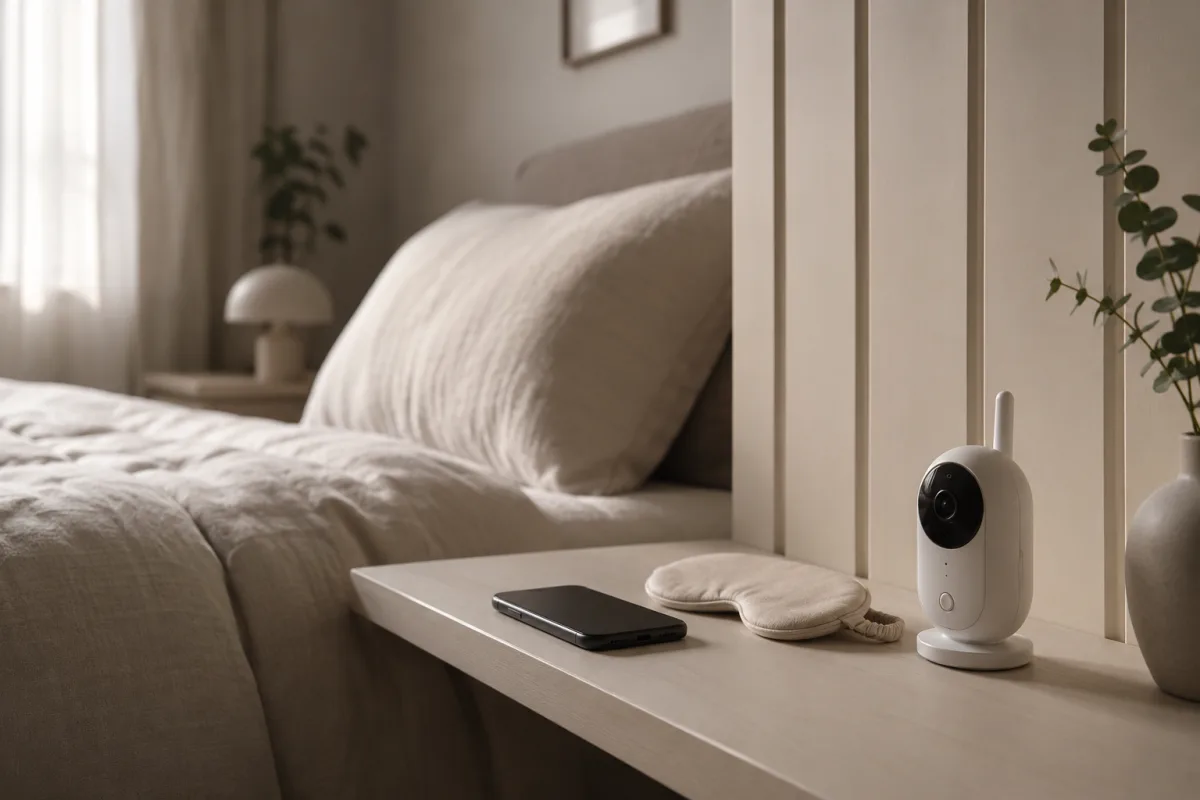
A good day with a newborn can still include dishes in the sink, unanswered messages, and tears. Lowering the bar is triage, not failure. Most households have one hardest hour, whether that is the dinner scramble, bedtime, or the 3 a.m. feed, and planning help around that specific hour changes the whole day more than a vague wish for support.
Set gentle visitor boundaries so guests do not become extra work: name visiting hours, ask sick people to stay home, and hand helpers a chore before baby-holding time. Keep your own follow-up appointments on the same level as the baby's, and prepare the night feeding spot before dark with water, snacks, burp cloths, and a charger. Then text one person who does not need you to perform happiness; a short honest message can shrink the isolation that grows heaviest late at night.
Share The Load Without A Fight

When two caregivers live in the house, resentment often grows in the silence between them. A short daily check-in keeps it from becoming the only language you speak: what do you need, what is genuinely urgent, what can wait until tomorrow, and who gets the next stretch of sleep. Naming the specific need before it hardens into an argument gives the other adult something concrete to answer, whether that is sleep, food, quiet, or a turn at the bottles.
Older relatives usually want to help but may not know how, and unbounded help can slide into criticism. Hand them a defined job with a beginning and an end, such as a grocery run every Friday or an hour of holding the baby while you nap. Screens deserve a boundary too: late-night feeds easily turn into anxious scrolling that steals the only sleep window, so pick one low-stress option, like an audiobook or a quiet show, and put the phone down once the baby settles.
Frequently Asked Questions
What does self-care mean for new parents?
Basic care: food, sleep in pieces, hygiene, honest support, medical follow-up, and small breaks that fit real newborn life.
Is it normal to feel overwhelmed?
Yes, but intense sadness, panic, rage, hopelessness, or unsafe thoughts deserve prompt professional support.
How can new parents rest more?
Trade shifts, accept help, nap when possible, cut chores to the essentials, and protect sleep blocks instead of filling them with tasks.
When should a new parent seek mental health help?
When symptoms feel intense, persistent, unsafe, or interfere with caring for yourself or the baby.
New-parent self-care is survival care, not indulgence. Eat, sleep in fragments, accept specific help, reset your body one slow breath at a time, and make the call quickly the moment mood or safety starts to slip.

Tory Stearns
Edits practical household, travel and lifestyle explainers. Claims that can change are linked to current primary or subject-authority sources.




Leave a reply
Replying to