
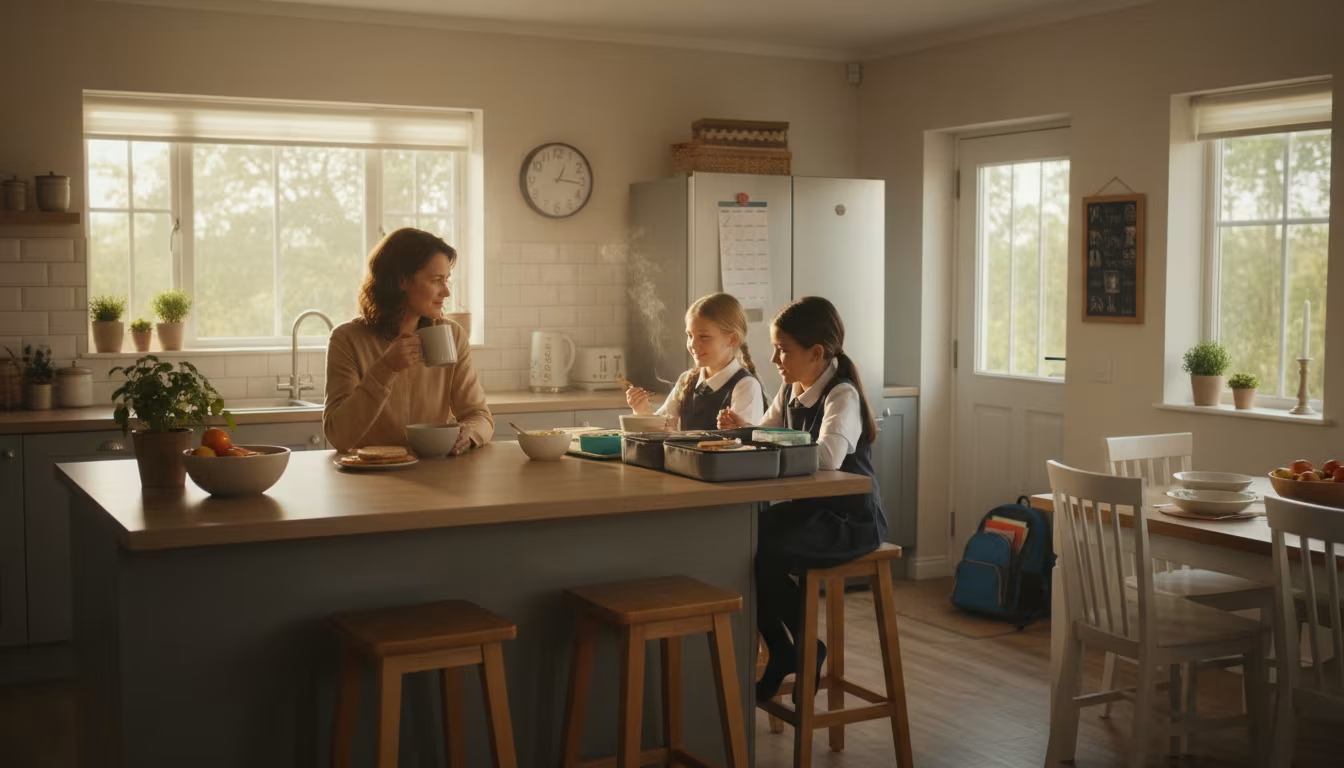
Most of what wrecks a school morning was actually decided the night before — or not decided at all. Shoes with no home, forms still unsigned, an outfit nobody chose, a water bottle that migrated somewhere overnight. By the time everyone is half-awake, those small unmade decisions stack into one loud, rushed hour. The fix is rarely a stricter schedule. It is moving the noisy choices to the calm part of the day and making the rest visible enough that a tired child can follow it.
Move the hard decisions to the night before
Evening is when the household has the most patience it will get. Set out clothes, check tomorrow's weather, pack bags, load lunch boxes, and put keys where the adults can find them at 7 a.m. without a search. The best prep window is usually right after dinner, before everyone drifts into the tired part of the night.
If dinner leftovers are becoming lunch, cool and store them safely while you clean up. The same portion-and-label habit behind freezing fresh vegetables is handy for prepping smoothie packs, egg cups, or quick breakfast sides ahead of time. Evening prep is simply morning kindness handed to your future, more frazzled self.
Fix the bottleneck, not the whole morning
Every household has one step that reliably breaks the morning. It might be shoes, hair, breakfast, bathroom turns, missing homework, or a child who needs extra minutes to shift from sleep into motion. Trying to rebuild the entire routine at once usually fails, because you cannot tell which change actually helped.
Find the single bottleneck and fix that one thing first. If shoes cause the daily fight, build a dedicated shoe spot by the door. If breakfast drags, offer two reliable choices instead of an open menu. Small targeted systems beat big speeches when children are tired, and one solved problem often loosens the rest of the morning on its own.
Use a routine children can see
The CDC's page on routines and rules for children gives a simple morning example built around waking, breakfast, and getting-ready steps. The idea holds well beyond the toddler years: children move faster when the order is predictable and they can point to what comes next instead of waiting to be told.
A visual checklist does that work for you. For younger children, use pictures; for older ones, a short written list taped where they already stand. The order below is a starting point to adapt for your family's ages and school times — keep the words the same each day so the list becomes a habit rather than a fresh negotiation.
| Order | Step | Cue that it is done |
|---|---|---|
| 1 | Wake and bathroom | Out of bed, dressed for the day begins |
| 2 | Get dressed | Pajamas in the basket, clothes on |
| 3 | Breakfast | Plate cleared, cup in the sink |
| 4 | Teeth and hair | Toothbrush wet, hair handled |
| 5 | Shoes and coat | Both on at the landing zone |
| 6 | Backpack and leave | Bag on, lunch packed, door open |
Choose one place — a shelf, hooks by the door, or a hallway basket — for shoes, coats, bags, lunch boxes, and school papers, and reset that landing zone after dinner. If it is messy by bedtime, the morning inherits the mess.
Talk less and hand over real jobs
Long reminders turn into background noise fast. Replace repeated lectures with short prompts — “Checklist.” “Shoes.” “Teeth.” “Backpack by the door.” If a child stalls, stand near the task instead of calling from another room; many children respond to proximity far better than to volume. The calmer voice is usually the more useful one.
Choice helps children cooperate, but too much of it slows everything down. Offer two shirts, two breakfasts, or two hairstyles that both fit the time you have, say the options once, then follow through. Pair that with jobs a child can own without adult rescue: a preschooler puts pajamas in a basket, a grade-schooler fills a water bottle, a teen manages an alarm and a bag check. “Get ready” is too vague for most children, but “put your lunch in your backpack” is a step they can actually complete.
Protect sleep and ease the transitions
A morning routine cannot fully repair a bedtime that is too late. If children wake up exhausted, the morning carries that cost no matter how good the checklist is. HealthyChildren.org's family routines guidance links calmer mornings to night-before order, cheerful wakeups, and breakfast — and bedtime belongs to that same system. If mornings are consistently rough, shift bedtime earlier in small steps; even fifteen minutes can change the tone of the first hour.
It also helps to plan for transitions, not just tasks. Many children resist brushing teeth not because of the toothbrush but because of the shift from play to bathroom. Give a warning before each change — “Five minutes until shoes,” “When the timer rings, backpack” — and build a real time buffer. If leaving at 7:40 already means you are late, your true leaving time is 7:30. When a morning still falls apart, use a reset rather than a lecture: “We're behind. Shoes now, breakfast in the car, and we'll try again tomorrow.” Child Mind Institute's school morning advice recommends planning ahead, breaking tasks into steps, using praise, and leaning on visual prompts — and saving the lesson for a calmer moment than the middle of a jacket hunt.
Frequently Asked Questions
What should be in a morning routine with kids?
Use a simple, steady order: wake up, bathroom, clothes, breakfast, teeth, hair, shoes, backpack, and leave. Adjust the steps for each child's age and school needs.
How can I make school mornings less stressful?
Prepare the night before, use a visual checklist, build a time buffer, limit screens, and solve the biggest bottleneck first instead of overhauling everything at once.
What if my child refuses to get ready?
Break tasks into smaller steps, use fewer words, stay near the task, praise progress, and practice the transitions on a low-pressure day when the clock is not running.
Are morning routines useful for older kids?
Yes. Older children can manage alarms, written checklists, charging stations, backpack checks, and agreed phone rules to handle more of the morning on their own.

Linda Fehrman
Edits general wellness and relationship explainers. Health material is educational, avoids diagnosis and links to health-authority guidance.


Leave a reply
Replying to