How to Heal Your Nervous System After Chronic Workplace Stress
Ever felt that gnawing sensation in your stomach, a constant hum of anxiety just beneath the surface, even when you're supposed to be relaxing? Maybe you toss and turn at night, your mind replaying every demanding email or passive-aggressive comment from your boss. You drag yourself out of bed, already exhausted, dreading the day ahead.
You're not alone. I’ve been there, truly. That relentless, suffocating feeling?
It's your body waving a huge, flashing red flag, screaming for attention. It’s not just in your head; it’s deeply rooted in your nervous system, which has been in overdrive for far too long. If you've been operating in survival mode, constantly under pressure, and feeling like you're running on fumes, then this conversation is exactly for you.
We’re talking about more than just feeling stressed; we’re talking about a profound need for healing.
Why This Matters
Here's the thing about chronic workplace stress: it doesn't just make you feel grumpy or tired. It profoundly impacts your entire nervous system, particularly the autonomic nervous system, which runs the show without you even thinking about it. We’re talking about your sympathetic nervous system, the one responsible for your "fight, flight, or freeze" response, being stuck in the "on" position.
Normally, it's there to protect you from immediate danger – like, you know, a saber-toothed tiger. But in our modern world, that saber-toothed tiger often looks like a looming deadline, a demanding client, or a toxic work culture. When you’re constantly under this kind of pressure, your body is flooded with stress hormones like cortisol and adrenaline.
While these are great for short bursts of action, sustained high levels can wreak havoc.
What does this look like in real life? Think about it: your heart rate might be elevated, your muscles constantly tense, your sleep becomes fragmented or nonexistent, and your digestion goes haywire. You might find yourself snapping at loved ones, feeling emotionally numb, or struggling with brain fog that makes even simple tasks feel monumental.
Your immune system can take a hit, making you more susceptible to illness. In my experience, it felt like I was living with a permanent buzzing anxiety, a low-grade fear that never quite dissipated, even on weekends. This isn't just unpleasant; it's genuinely unhealthy and unsustainable.
Healing your nervous system isn't a luxury; it's a fundamental necessity for regaining your health, peace, and ultimately, your quality of life. It’s about getting your body and mind out of survival mode and back into a state where you can truly thrive.
Reclaiming Your Physical Self: Body-Based Healing
When you've been under chronic stress, your body holds onto that tension. It's not just a metaphor; studies show that trauma and stress literally get stored in our tissues and nervous system. Trying to "think" your way out of burnout often falls short because the physiological response is so deeply ingrained.
That's why body-based healing practices are so incredibly potent. They help you gently release that stored tension, calm the nervous system directly, and bring you back into a state of regulation. It’s about reminding your body that it’s safe, even when your mind is still catching up.
Think of it as a reset button for your internal alarm system.
For me, the realization that my body was screaming louder than my mind was a turning point. I used to power through, thinking sheer willpower would solve everything. But my perpetually tight shoulders, the dull ache in my jaw, and the way my stomach would clench before every meeting told a different story.
These aren't just minor annoyances; they're manifestations of a dysregulated nervous system. The beauty of body-based healing is its simplicity and effectiveness. You don't need fancy equipment or a guru; you just need to start tuning into your own body's wisdom.
It’s about creating new, calming neural pathways and gently pulling your system out of that constant fight-or-flight loop.
Simple, Powerful Tools for Somatic Release
- Mindful Movement (Gentle is Key): Forget high-intensity interval training for a bit. When your nervous system is fried, pushing yourself physically can sometimes exacerbate the stress response, signaling to your body that it still needs to be "on guard." Instead, I'm talking about practices that encourage gentle movement and present moment awareness.
Think about Yin Yoga, which holds poses for longer to target deep connective tissues, or just simple, unhurried walks in nature. The goal isn't to burn calories or break a sweat, but to bring your attention to the sensations in your body, allowing it to move freely and without judgment.
For instance, I started with just 15 minutes of slow stretching every morning, focusing on how my breath deepened as I held a gentle forward fold. It sounds simple, but this kind of movement helps to discharge excess energy from the nervous system and fosters a sense of safety and embodiment. It’s about telling your body, "Hey, it's okay to relax now."
- Breathwork for Vagal Toning: Your breath is an incredibly powerful, immediate tool for nervous system regulation because it directly influences your vagus nerve, which plays a major role in your parasympathetic (rest and digest) system. When you breathe deeply and slowly, you're signaling to your body that you're safe and can relax.
My absolute favorite is diaphragmatic breathing, also known as belly breathing. Place one hand on your chest and one on your belly. As you inhale, feel your belly expand; as you exhale, feel it gently fall.
Aim for slow, smooth breaths, trying to make your exhale slightly longer than your inhale. A great technique is the 4-7-8 breath: Inhale for 4 counts, hold for 7, exhale slowly for 8. Even just a few rounds of this can dramatically shift your state from anxious to calm.
I make it a practice to do this before bed every night, and it’s made a noticeable difference in my sleep quality. It’s like hitting a manual override button on your stress response.
- Sensory Grounding Techniques: When you're overwhelmed, your mind often races, disconnecting you from the present moment. Sensory grounding brings you back to your body and surroundings, interrupting that anxious loop and helping to regulate your emotions.
The classic 5-4-3-2-1 technique is a lifesaver: Name 5 things you can see, 4 things you can touch (and actually touch them if you can, feeling their texture), 3 things you can hear, 2 things you can smell, and 1 thing you can taste. This pulls your attention away from internal stress and into your immediate environment.
Another powerful grounding tool is simply engaging your senses deliberately. Light a scented candle, listen to calming music, or wrap yourself in a soft blanket. For me, it was taking a few minutes to deeply smell my coffee in the morning before rushing off, or really feeling the texture of my favorite sweater.
These small acts reconnect you to reality and provide tiny pockets of calm throughout your day, helping to gently re-anchor a dysregulated system.
Rewiring Your Mindset: Cognitive & Emotional Healing
So, we've talked about the body. Now, let’s get into the mind. While physical practices are foundational, our thoughts and emotional responses also play a massive role in keeping our nervous system on edge.
Chronic workplace stress often creates deeply ingrained mental patterns – rumination, catastrophic thinking, self-criticism, and a constant anticipation of problems. It’s like your brain is a broken record, perpetually playing the "danger" track. Healing here involves consciously challenging those patterns and building new, more supportive ones.
This isn't about ignoring reality, but about changing your relationship with it, and with your own inner critic.
I remember a period where I'd replay stressful conversations over and over, dissecting every word, convinced I'd said the wrong thing or that something terrible was about to happen. This mental loop was as exhausting as the actual work itself, and it kept my nervous system in a constant state of alert.
I realized I was essentially *practicing* stress in my head, reinforcing those neural pathways of anxiety. Rewiring your mindset is about recognizing these thought patterns, understanding their impact, and then actively choosing to engage with them differently. It takes patience and persistence, but the payoff – a quieter mind and a calmer nervous system – is absolutely worth it.
Practices for Cognitive and Emotional Regulation:
- Identify and Challenge Stress Narratives: Our brains love stories, and often, the stories we tell ourselves about work, our capabilities, and potential outcomes are highly skewed towards the negative when we're stressed. Start noticing these narratives. Is your immediate thought, "I'm going to fail this presentation," or "My boss thinks I'm incompetent"?
Once you identify these thoughts, ask yourself: Is this absolutely true? What's the evidence? Is there another way to interpret this situation?
Often, you’ll find these stories are based on fear, not fact. For instance, I used to dread giving feedback because I’d tell myself, "They'll think I'm too harsh." Now, I reframe it: "I'm offering constructive insights that will help the team improve." This subtle shift changes the emotional charge.
It's not about fake positivity, but about seeking a more balanced and realistic perspective that doesn't constantly trigger your stress response.
- Cultivate Self-Compassion: When we're stressed, we tend to be incredibly hard on ourselves. We beat ourselves up for not doing enough, for feeling overwhelmed, or for not being "stronger." This self-criticism only adds another layer of stress to an already overloaded system. Self-compassion is about treating yourself with the same kindness and understanding you would offer a good friend who is struggling.
Try simple practices like placing your hand over your heart when you feel stressed and saying to yourself, "This is a moment of suffering. Suffering is a part of life. May I be kind to myself in this moment." It sounds a little cheesy at first, I know, but trust me, it’s incredibly powerful.
It literally activates different parts of your brain than self-criticism does, promoting feelings of safety and soothing. In my journey, learning to be gentle with myself was revolutionary. It allowed me to acknowledge my struggles without getting stuck in a shame spiral, which in turn, helped to calm my nervous system significantly.
- Practice Mindful Awareness (Beyond Formal Meditation): While formal meditation is fantastic, mindful awareness can be integrated into your everyday life. It's about paying attention to the present moment without judgment. This means noticing your thoughts without getting swept away by them, observing your emotions as they arise and pass, and engaging your senses in daily activities.
You don't need to sit cross-legged for an hour. You can practice mindful awareness while washing dishes (feeling the warm water, noticing the scent of the soap), drinking your morning tea (savoring each sip), or walking down the street (observing the colors, sounds, and sensations). These small moments of presence interrupt the automatic stress response and help to build new neural pathways that support calm.
What I love about this is that it’s so accessible. Even just for a minute or two, these breaks from autopilot give your nervous system a much-needed reprieve and help you regain a sense of control over your internal state.
Restructuring Your Environment & Relationships: External Healing
Our external world – from our physical surroundings to the people we interact with – profoundly impacts our internal state. When you're recovering from chronic workplace stress, it’s not enough to work on yourself internally; you also need to assess and, if necessary, restructure the external factors that contribute to or alleviate your stress.
This means looking at your physical space, your digital habits, and your personal relationships. Our environment can either be a constant trigger for our nervous system or a haven that supports healing.
I distinctly remember how my cluttered desk and an open-plan office made me feel constantly exposed and on edge. Every ping, every conversation, every bright light felt like an assault on my already frazzled nerves. And then there were the unwritten rules, the constant feeling of needing to be "on" even when off the clock.
These external pressures create a landscape of chronic low-grade stress. Taking an active role in shaping your environment and setting clear boundaries with others is not selfish; it’s an act of self-preservation and a critical step in allowing your nervous system to truly rest and recalibrate. It's about designing a life that supports your well-being, rather than constantly draining it.
Creating a Sanctuary for Your Nervous System:
- Digital Detox and Boundaries: Our digital lives are often inextricably linked to workplace stress. The constant notifications, the expectation of immediate responses, and the blurring lines between work and personal life keep our nervous systems on high alert.
A digital detox doesn't mean throwing your phone in the ocean, but it does mean creating intentional boundaries. This might look like scheduling specific times to check emails, turning off work notifications after hours, or designating "no-phone zones" in your home (like the bedroom or dining table). I started by simply putting my phone in another room for the first hour after waking and the last hour before bed.
This seemingly small change significantly reduced the background hum of anxiety. It allows your nervous system to genuinely switch off, rather than staying in a state of anticipating the next "urgent" ping. Remember, your employer doesn't own your off-hours.
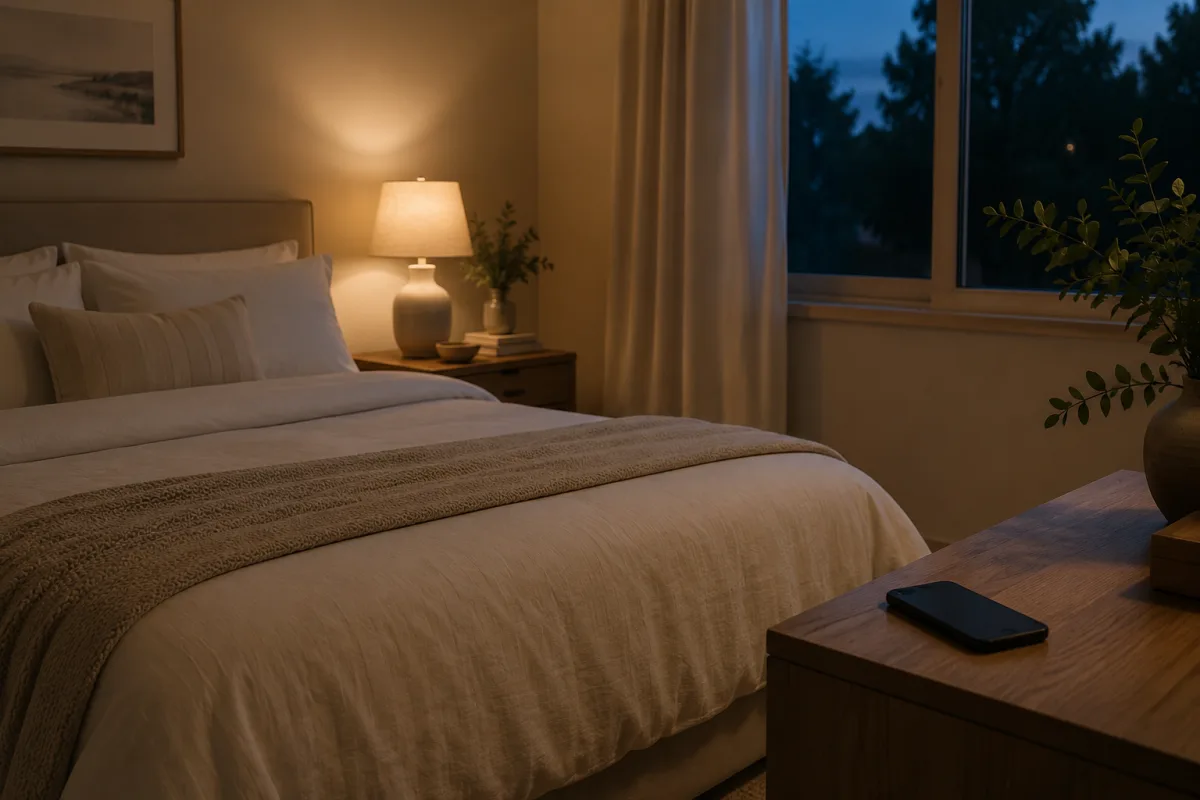
- Cultivate a Healing Home Environment: Your home should be your sanctuary, a place where your nervous system can truly relax and feel safe. If it's cluttered, chaotic, or filled with items that trigger stress, it's working against your healing process.
Think about what makes you feel calm. For some, it's minimalist design; for others, it's cozy blankets and soft lighting. Consider decluttering spaces that feel overwhelming.
Bring in elements of nature – plants, natural light, soothing colors. Ensure your bedroom is dark, cool, and quiet to promote restful sleep. My personal touch was investing in really soft sheets and creating a reading nook by a window.
Even small adjustments, like adding a diffuser with calming essential oils (lavender, frankincense), can transform a space from stressful to serene, signaling to your nervous system that it's okay to unwind. It's about consciously designing your physical space to support your mental and emotional well-being.
- Establish Healthy Boundaries (Especially with People): This is perhaps one of the most challenging but vital steps. Chronic workplace stress often thrives where boundaries are weak or nonexistent. This includes boundaries with colleagues, managers, and even friends or family who might unconsciously add to your stress load.
Learning to say "no" or "not right now" is a superpower. It's about defining what you will and won't accept, both in terms of workload and emotional energy. This might mean declining after-hours work requests, setting limits on how much you discuss work with friends, or even stepping back from relationships that are consistently draining.
For instance, I had to learn to say, "I'm not available for work calls after 6 PM." Initially, it felt uncomfortable, but the relief I felt afterward was immense. Clear boundaries communicate to your nervous system that you are in control and protected, fostering a sense of safety that is essential for healing.
This protects your energy and prevents further depletion.
Common Mistakes to Avoid
When you're finally ready to heal from chronic workplace stress, it's easy to fall into traps that can actually set you back or even exacerbate the issue. We're often conditioned to push through, to fix things quickly, or to follow general advice that might not be right for a dysregulated nervous system.
Understanding what *not* to do is just as important as knowing what to do, especially when you’re in a vulnerable state of burnout. I’ve made some of these mistakes myself, pushing too hard when I should have been gentle, or isolating myself when I needed connection. It’s all part of the learning curve, but if I can help you sidestep some of these pitfalls, I absolutely want to.
Pitfalls on the Path to Healing:
- Jumping into Intense Exercise Too Soon: While exercise is fantastic for stress relief, a nervous system that's been in overdrive for months or years needs a gentle approach. High-intensity workouts can sometimes be perceived by your body as *another* stressor, spiking cortisol and adrenaline further.
Your body is already exhausted. Instead of immediately hitting the gym for a CrossFit class, prioritize gentle, restorative movement first. Think long walks, slow yoga, swimming, or stretching. Build up intensity gradually, always tuning into how your body feels. The goal isn't to burn calories; it's to move with intention and release tension without creating more.
- Ignoring the Problem or Self-Medicating: It’s tempting to ignore the signs of chronic stress, hoping they'll just go away, or to numb the discomfort with excessive alcohol, unhealthy food, or endless scrolling. These might offer temporary relief, but they only mask the underlying issue and prevent true healing.
Acknowledge what you're feeling without judgment. Instead of numbing, try to sit with the discomfort for a moment and then choose a healthier coping mechanism – a gentle breathwork exercise, a walk, or reaching out to a supportive friend. True healing comes from addressing the roots, not just cutting off the leaves.
- Expecting Instant Results and Getting Frustrated: Healing a nervous system that’s been stressed for a long time takes time, patience, and consistency. There’s no magic pill or overnight fix. Expecting immediate transformation can lead to frustration and a sense of failure, which then adds *more* stress.
Celebrate small victories. Notice when you sleep a little better, or when you have a moment of calm. Understand that healing is a non-linear process, with good days and challenging days. Embrace the journey with self-compassion. I had to learn this the hard way – some days I felt great, others I felt like I was back to square one. Patience truly is a virtue here.
- Isolating Yourself: When you're overwhelmed, the natural inclination can be to retreat and isolate. While alone time is crucial, complete isolation can deepen feelings of anxiety and depression. Humans are wired for connection, and supportive relationships are a powerful buffer against stress.
Reach out to trusted friends, family, or a therapist. Share what you're going through. Even a simple chat with someone who genuinely cares can activate your vagus nerve and promote feelings of safety and connection. Just make sure these interactions are with people who uplift you, not those who might inadvertently add to your stress.
- Blaming Yourself: It’s easy to internalize the narrative that you’re "not strong enough" or "can't handle it" when you experience burnout. This self-blame is incredibly damaging and only adds shame and guilt to an already fragile state.
Chronic workplace stress is often a systemic issue, not a personal failing. Remind yourself that your body is responding exactly as it's designed to when under prolonged threat. You're not broken; your system is simply overloaded. Practice self-compassion and recognize that you did the best you could with the resources you had at the time.
Expert Tips for Deeper Healing
Once you’ve started laying the groundwork with body-based, cognitive, and environmental adjustments, you might be ready for some deeper dives into healing. These expert tips aren’t about quick fixes; they’re about sustained, intentional practices that can further support nervous system repair and build resilience for the long haul.
Think of these as ways to fine-tune your healing process, perhaps with professional guidance or through more immersive personal work. In my journey, integrating some of these more advanced strategies really helped me solidify my progress and develop a robust toolkit for managing life’s inevitable stressors.
Advanced Strategies for Sustained Well-being:
- Consider Professional Support (Therapy, Coaching): Sometimes, stress runs so deep that you need a guide. A therapist specializing in trauma or chronic stress can provide tools, insights, and a safe space to process underlying issues. A coach might help you with practical strategies for boundary setting, career transitions, or developing new coping mechanisms.
Don't view seeking professional help as a sign of weakness; it's a sign of immense strength and self-awareness. Cognitive Behavioral Therapy (CBT), Dialectical Behavior Therapy (DBT), or Somatic Experiencing are just a few approaches that can be incredibly effective. They offer tailored strategies and help you uncover patterns you might not see on your own.
I found immense value in working with a therapist who understood the nuances of burnout.
- Explore Mind-Body Modalities: Beyond basic breathing and movement, there are many practices that bridge the mind and body for deeper healing.
Acupuncture can help rebalance your energy system, reducing stress and promoting relaxation. Massage therapy isn't just a treat; therapeutic touch can lower cortisol, increase oxytocin (the "love hormone"), and release stored muscular tension. Even practices like Qigong or Tai Chi, with their gentle movements and meditative focus, can profoundly impact nervous system regulation.
What I love about these is how they address the physical manifestations of stress directly, offering a different pathway to calm.
- Journaling for Processing and Integration: Journaling is a powerful tool for externalizing thoughts and emotions that might otherwise cycle endlessly in your head. It helps you gain clarity, identify patterns, and process experiences without judgment.
Try stream-of-consciousness writing, where you just write whatever comes to mind without editing. Or use prompts like, "What am I feeling right now?" "What do I need?" "What were the biggest stressors today, and how did I respond?" In my experience, seeing my thoughts on paper helped me gain perspective and detach from overwhelming emotions. It’s like a quiet conversation with your deepest self, and it’s incredible for helping your nervous system integrate experiences rather than staying stuck in them.
- Reconnect with Hobbies and Passion Projects: When you're stressed, the first things to go are often the activities that bring you joy and a sense of purpose outside of work. Re-engaging with these is vital for nervous system healing. Hobbies provide a sense of flow, mastery, and pleasure, activating different brain circuits than work-related tasks.
Whether it’s painting, gardening, playing a musical instrument, hiking, or cooking, dedicate specific time to these activities. They remind you of who you are beyond your job title and provide a much-needed mental break. For me, getting back into photography was transformative; it forced me to look at the world differently and engage my creative brain.
These pursuits aren't frivolous; they're essential for restoring balance and joy, which are powerful antidotes to chronic stress.
- Long-Term Career Strategy & Exit Planning: If your workplace is truly toxic and unchangeable, no amount of personal healing will fully protect you. Sometimes, the most important step for nervous system healing is to remove yourself from the source of chronic stress.
This doesn't mean quitting tomorrow without a plan. It means starting to think strategically about your future. Can you look for a different role within your company, or at another organization?
Can you develop skills for a career pivot? Start networking, updating your resume, and exploring options. Even the act of creating an "exit plan" can be incredibly empowering and soothing to a nervous system that feels trapped.
It offers hope and a sense of agency, signaling to your body that change is possible and relief is on the horizon. This isn't giving up; it's choosing yourself and your health over an untenable situation.
Final Thoughts
Healing your nervous system after chronic workplace stress isn't a race; it's a journey, often a meandering one, with detours and moments of pause. There will be days when you feel like you're making huge strides, and others where you might feel like you're back at square one. And that's okay.
What truly matters is the commitment you make to yourself – to listen to your body, to honor your needs, and to gently guide yourself back to a place of peace and regulation. Remember, your body isn't working against you; it's communicating with you, telling you what it needs to feel safe and vibrant again.
Be patient, be persistent, and most importantly, be incredibly kind to yourself.
You deserve to live a life free from that constant hum of anxiety, to reclaim your energy, and to feel truly present in your own life. Start small, pick one or two practices that resonate with you, and commit to them consistently. The ripple effect will surprise you.
Your nervous system is resilient, and with your conscious effort, it absolutely can heal. What's the first small step you're going to take today to bring a little more calm into your world? I'm rooting for you.
Save for later
Found this helpful?
Pin this article to your Pinterest board and come back to it whenever you need a reminder.
Save to Pinterest