
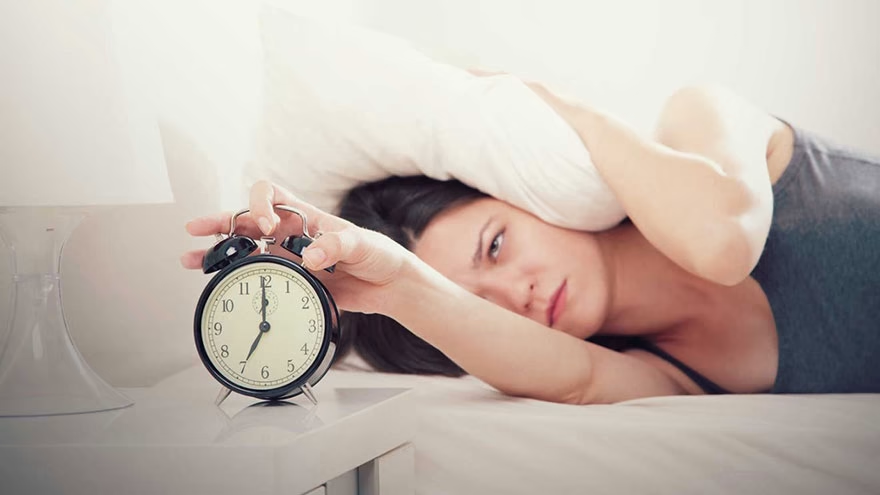
Finding a definition of sleep deprivation in journals is not just a search task. The term changes depending on whether the source is measuring hours, daytime function, or an experimental condition.
A useful note keeps the source type and measurement method attached to every definition.
Start With A Working Definition
CDC defines short sleep duration among adults as usually getting less than seven hours, on average, during a 24-hour period: CDC sleep indicator definition. That is a public health measure, not every possible research definition.
Write the definition, age group, measurement method, and source type before collecting more quotes.
Use Medical And Research Sources Differently

NCBI Bookshelf describes insufficient sleep as sleep duration shorter than needed to maintain daytime wakefulness: NCBI Bookshelf sleep insufficiency. That wording is useful because it includes function, not only hours.
If you keep notes, Livecub's guide to writing a journal can help organize source details without losing context.
Search Journals With Exact Terms

Use PubMed for terms such as sleep deprivation, insufficient sleep, short sleep duration, sleep restriction, and sleep insufficiency syndrome: PubMed search. Each term may lead to a different body of research.
Put quotation marks around exact phrases when needed, then compare how abstracts define the term.
Check The Measurement Method
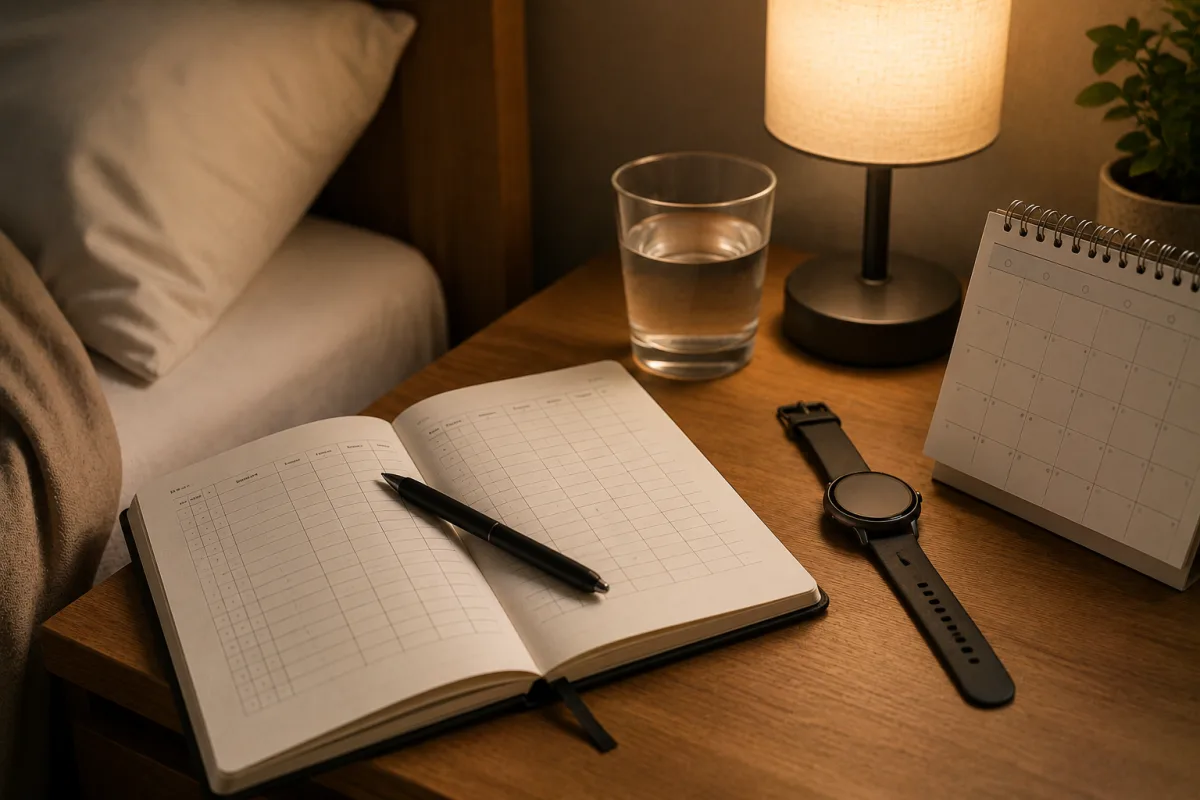
A paper may measure sleep by self-report, sleep diary, actigraphy, polysomnography, or experimental sleep restriction. Those methods should not be mixed casually.
If performance anxiety is the reason for the search, Livecub's guides to stage fright and sports tryout nerves may help connect sleep notes to real-life performance.
Record What The Definition Excludes
Some definitions exclude insomnia, shift work, medication effects, sleep apnea, or medical conditions. Others count short sleep regardless of cause.
If speech or shutdown symptoms appear with sleep loss, Livecub's guide to selective mutism can help keep the mental health context visible.
Define The Term Before Collecting Quotes
For sleep deprivation definition, write the working definition at the top of the note. Then collect sources that use the term in a similar way.
This prevents a paper, dictionary, patient page, and opinion article from being treated as if they all mean the same thing.
Check The Source Type
A journal article, review, patient education page, dictionary entry, and textbook chapter answer different questions. Use each one for what it is good at.
A definition in a study may be narrow because the researchers needed a measurable rule. That does not always match everyday use.
Save The Exact Citation Trail
Keep the title, authors, date, journal or site, and URL with each note. If a definition is repeated from another source, follow the citation back when possible.
This habit prevents accidental misquoting and makes the final explanation easier to verify later.
Do Not Force One Perfect Answer
Some concepts have clinical, research, and everyday meanings. The honest answer may be a set of related definitions rather than one sentence.
That is still useful. How to Find a Definition of Sleep Deprivation in Journals should leave the reader with a clear working meaning and a reason for choosing it.
Update The Note When Better Sources Appear
Research terms change as guidelines, diagnostic manuals, and review articles change. Add the date you checked a source so future edits are easier.
A good note can be revised without embarrassment. That is part of using sources carefully.
Keep The Advice Tied To A Real Situation
Advice about how to find a definition of sleep deprivation in journals is easier to use when it is tied to one real setting. Choose the room, person, time of day, task, or decision where the issue shows up most often.
That detail prevents the plan from becoming vague self-improvement. A kitchen table problem, a school hallway problem, and a late-night phone problem may need different steps.
Make A One-Week Test
Choose one change and test it for a week. Keep the test small enough that you can still do it on a tired day, a busy day, or a day that does not go as planned.
At the end of the week, ask what changed in mood, behavior, sleep, avoidance, connection, or follow-through. If nothing changed, make the step clearer or smaller.
Use The Body As Data
The body often notices stress before the mind has language for it. Track jaw tension, stomach changes, shallow breathing, headaches, restlessness, fatigue, or the urge to disappear.
Body signals are not proof that danger is present, but they can show when a pause, meal, walk, call, or clinical support is needed.
Protect Sleep Before Judging Yourself
Low sleep can make fear louder, patience thinner, and ordinary tasks feel personal. Before deciding you failed, ask what sleep, food, pain, caffeine, and screen time looked like.
This does not excuse harmful behavior. It gives the plan a better starting point than pure self-criticism.
Bring In One Steady Person
A steady person can help you reality-check the plan without taking it over. Choose someone who listens, asks clear questions, and can respect privacy.
Tell them the role you need: a reminder, a ride, a quiet check-in, help finding a clinician, or someone to sit nearby while you start.
Remove One Friction Point
Often the barrier is not motivation but friction. Put the notebook where you sit, save the phone number, prepare the shoes, mute the feed, or write the first sentence ahead of time.
Small environmental changes work because they reduce the number of decisions needed before the useful action begins.
Know The Red Flags
Self-harm thoughts, severe withdrawal, threats, abuse, substance misuse, inability to function, or sudden major changes in sleep, eating, or behavior need more than a solo plan.
Use urgent or professional help when safety is involved. A practical article can support care, but it cannot replace real-time support in a crisis.
Do Not Turn Progress Into A Performance
Progress may look boring from the outside: one call made, one page written, one boundary held, one walk taken, one night of better sleep.
If the change has to impress other people, it becomes another pressure source. Let the first wins be private if that makes them easier to repeat.
Keep The Plan Editable
The first plan for How to Find a Definition of Sleep Deprivation in Journals may be partly wrong. That is normal. Plans improve after they meet real schedules, real fear, real fatigue, and real relationships.
Edit the plan instead of quitting the whole effort. Change the time, size, support, wording, or environment and try again.
Leave A Record For Future You
Write down what helped, what made things worse, and what you want to try next. Future you will not remember the details as clearly as present you thinks.
A short record protects useful lessons from being lost after a bad day. It also makes the next reset faster.
Use A Clear Stop Rule
Set a point where you stop reading, planning, scrolling, or rehearsing and do the next small action. Too much preparation can become avoidance in better clothes.
A stop rule can be a timer, a page limit, a bedtime, or a promise to call someone after one more step.
Make The Plan Visible
Put the next step somewhere you will see it: a calendar, sticky note, phone reminder, or notebook page opened to the right place.
Visible plans reduce the need to remember everything while stressed. They also make it easier for one trusted person to help without guessing.
Respect What Is Not Yours To Carry
Some problems involve other people's choices, medical conditions, school rules, weather, money, or timing. Name those limits so the plan stays honest.
You can still choose a response, but you do not have to claim control over every part of the situation.
Return To Ordinary Care
After a hard effort, return to ordinary care: food, water, rest, shower, fresh air, medication as prescribed, or a message to someone safe.
Ordinary care can look unimpressive, but it keeps the next attempt possible.
Frequently Asked Questions
What is a common adult short sleep cutoff?
CDC public health indicators often use less than seven hours in a 24-hour period for adults.
Is sleep deprivation the same as insufficient sleep?
They overlap, but some sources define insufficient sleep through daytime function and sleep opportunity.
Where should I search?
Start with PubMed, NCBI Bookshelf, CDC pages, and the citations inside review articles.
What should I record from each paper?
Record age group, hours, duration, measurement method, exclusions, and the exact wording used.
Why do definitions differ?
Research definitions differ because studies measure different populations, methods, and outcomes.
This article is for general information only and isn't a substitute for medical advice. Talk to a clinician who knows your full history before making changes.

Linda Fehrman
Edits general wellness and relationship explainers. Health material is educational, avoids diagnosis and links to health-authority guidance.



Leave a reply
Replying to