
Choosing to work on anxiety without a prescription is not the same as being against medication. For some people medication is helpful or necessary; for others, skills like therapy techniques, sleep repair, movement, and gradual exposure carry most of the load. What follows are non-drug tools that can lower anxiety, support formal treatment, or help someone who is not taking medication right now. The right mix depends on your symptoms, your safety, and medical advice.
Start With a Clear Picture
Anxiety wears many faces: worry, panic, irritability, avoidance, stomach upset, muscle tension, racing thoughts, insomnia, or repeated checking. Naming what it actually does in your day is the first useful step, because a tool that fits panic is different from one that fits chronic low-grade dread. The National Institute of Mental Health describes anxiety disorders as involving excessive fear or worry severe enough to interfere with daily activities: NIMH anxiety disorders. Writing down your own pattern for a week gives you something concrete to work on instead of a vague sense of unease. Note what preceded each spike as well: too little sleep, a skipped meal, a specific conversation, or a looming deadline. Triggers that feel random usually turn out to follow a pattern once they are on paper, and that pattern tells you which tool to reach for.
Build the Core Skills
Most non-medication progress comes from a small set of practiced skills rather than one dramatic fix. Cognitive behavioral techniques target the thoughts and behaviors that keep fear running. Exposure, done in small planned steps, teaches the nervous system through repeatable proof that a feared situation is survivable. Grounding pulls attention back to the room when anxiety feels floaty or unreal. None of these work as a single heroic effort; they work as boring repetition at calm times, so the body can reach for them under pressure.
Breathing deserves a specific note, because people often turn it into a test. Try a longer exhale than inhale for about a minute, without chasing a perfect calm feeling. The goal during a spike is to ride the wave safely, not to force it to vanish. The table below sorts the main tools by what they do best.
| Tool | How to practice it | Works best for |
|---|---|---|
| Longer exhale breathing | Inhale gently, exhale slowly, repeat one minute | Early escalation, physical tension |
| Grounding (5 senses) | Name what you see, hear, and feel; press feet to floor | Panic that feels unreal or floaty |
| Graded exposure | Approach a fear in small planned steps, easiest first | Avoidance, social or performance fear |
| Worry window | 15 set minutes to write worries and mark actions | Nighttime rumination, chronic worry |
| Reducing reassurance-seeking | Delay the next check by five minutes | Checking, rereading, symptom searching |
Care for the Body
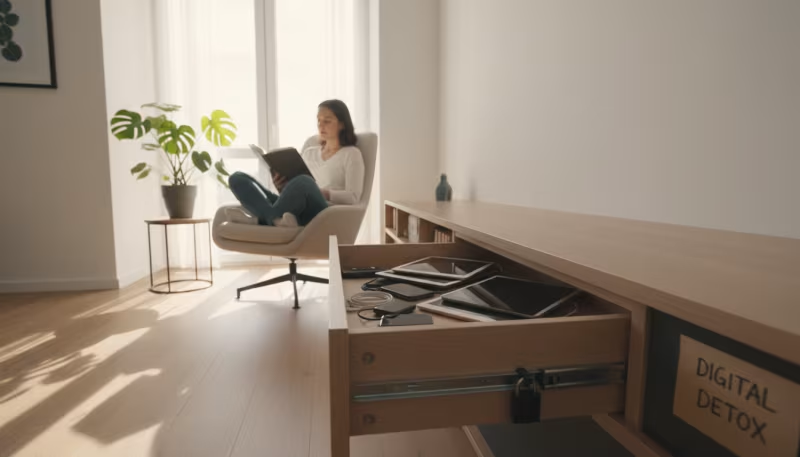
An anxious brain handles everything worse on short sleep, so protecting a steady wake time, cutting late screens, and keeping the bed for sleep is treatment support, not a luxury. Movement matters too: walking, stretching, yoga, strength work, or light cycling all release body tension and help sleep, and none of it has to be intense to count. Regular meals steady blood sugar, since skipped meals can produce shakiness and poor focus that anxiety misreads as danger.
Stimulants and depressants deserve a one-week experiment rather than a moral debate. Caffeine can mimic anxiety almost exactly with a racing heart and jitters, and alcohol often calms at first but worsens sleep and next-day anxiety. Track amount, timing, sleep, and symptoms for a week and let the pattern, not guilt, decide. Many people find that pushing their last coffee earlier in the day, or trimming a second evening drink, does more for their baseline anxiety than any single relaxation exercise. Hydration and steady meals belong in the same category of quiet, unglamorous inputs: missed meals, dehydration, and poor sleep create bodily sensations that an anxious brain readily misreads as danger, so basic body care reduces false alarms and makes every other skill easier to use.
Manage Worry and Checking
Two habits quietly feed anxiety: endless worry and constant checking. For worry, set a fifteen-minute window earlier in the day, write the worries down, mark which ones have an action, and postpone the rest when they return at night. This teaches the brain that worries will be heard without being allowed to take every hour. For checking, whether it is rereading messages, searching symptoms, or asking for reassurance, pick one limit and practice delaying the next check by five minutes. Reassurance from others belongs here too; ask a supporter to reply with "what is your next step from the plan?" rather than answering the same fear on repeat.
Add Structured Relaxation
Deliberate relaxation gives the nervous system a regular signal that it is safe to downshift. The American Psychiatric Association describes relaxation techniques as helpful for mental wellness, noting they may improve focus, mood, sleep quality, and body tension: APA relaxation techniques. Progressive muscle relaxation, guided imagery, meditation, or a genuinely low-stress hobby all qualify. Keep each session short enough that you will actually repeat it, because a two-minute practice done daily beats a twenty-minute one you avoid. If a feared situation looms, build a ladder from easiest to hardest step and climb it gradually rather than forcing the top rung. When phone calls trigger dread, for example, step one might be writing a short script, then calling after hours to reach a recording, then calling a friendly office, and only later making the call that actually scares you. Each rung gives the brain repeatable proof that the situation is survivable, which is what dissolves avoidance over time. Values can pull you up the ladder when fear resists: anxiety asks what might go wrong, while values ask what matters enough to approach anyway, whether that is parenting, friendship, health, or work. A values-based step can still feel scary; the point is that fear no longer gets the only vote.
Measure Function and Know the Red Flags
Judge progress by function, not by the absence of all fear. Ask whether you are sleeping, eating, working, driving, connecting, and handling necessary tasks better than last month. Anxiety often stays present while life quietly improves, which is a real win. Plan for setbacks in advance: a bad week does not erase practice, and a written fallback plan spares you from inventing one mid-panic.
Some signs mean self-help should not stand alone. Not sleeping, not eating, missing work or school, panic while driving, substance use to cope, or any thoughts of self-harm all call for professional help. If anxiety is severe, persistent, disabling, or tied to trauma, discuss full treatment options with a clinician, including whether medication belongs in the plan. Medication is not a failure, and non-medication tools can keep working alongside it. If a past round of therapy did not help, the fit, method, or timing may simply have been wrong; ask about CBT, exposure, or trauma-informed care before concluding that support cannot work for you.
Frequently Asked Questions
Can anxiety be managed without medication?
Sometimes. Therapy skills, exposure, sleep, movement, and relaxation help many people, but severe anxiety may still need medical treatment.
Does breathing stop panic attacks?
It can reduce escalation but may not stop panic instantly. Practiced at calm times, it helps you ride the wave more safely.
Should I avoid everything that makes me anxious?
No. Avoidance strengthens anxiety over time. Small, planned exposure steps are more useful when the situation is safe.
When should I seek professional help?
Seek help if anxiety disrupts daily life, causes panic, prevents sleep, drives heavy avoidance, or includes any self-harm thoughts.

Tory Stearns
Edits practical household, travel and lifestyle explainers. Claims that can change are linked to current primary or subject-authority sources.

Leave a reply
Replying to