Why Box Breathing is the Best Quick Fix for Panic Attacks
You know that feeling, right? That sudden, jarring lurch in your stomach, followed by your heart doing a frantic tap dance in your chest. Your palms get sweaty, your vision might narrow, and suddenly, the world feels like it's collapsing in on you. It's not just stress; it’s that overwhelming, suffocating wave of panic. Maybe you're in a crowded supermarket, maybe it hits you out of nowhere while you're just trying to relax at home. Whatever the trigger, when a panic attack takes hold, all you want is for it to stop. You're desperate for a lifeline, a quick escape hatch from the intense fear that grips you. And let's be real, finding a simple, effective tool in that moment of absolute chaos feels like searching for a needle in a haystack. But what if I told you there's a technique, ancient in its wisdom but incredibly simple, that can act as your personal emergency brake? A technique that doesn't require any fancy gadgets, special apps, or even a quiet room. It's called box breathing, and in my experience, it's not just a good idea – it's often the very best quick fix when panic comes knocking.
Why This Matters
Panic attacks are more than just feeling stressed or anxious; they're intense episodes of fear that trigger severe physical reactions without any real danger. I remember the first time I truly understood the difference. I was driving, a familiar route, and out of nowhere, my hands clenched the steering wheel, my breath hitched, and a terrifying sense of impending doom washed over me. It felt like I was having a heart attack, or losing my mind. That experience, and countless others I've heard from friends and readers, highlights just how profoundly disruptive and frightening panic attacks can be. They don't just affect your mental state; they ripple through every aspect of your life. They can make you avoid social situations, dread everyday activities, or even feel like you can't trust your own body. This isn't just about discomfort; it's about reclaiming your sense of safety and control. Think about it: if you're constantly worried about when the next attack might hit, you're not truly living. You're anticipating, you're bracing, and that's an exhausting way to navigate life. Finding a reliable, immediate coping mechanism isn't a luxury; it's a necessity for your overall well-being. It empowers you, giving you back a piece of yourself that panic tries to steal. It means the difference between being a passenger in your own body and taking the wheel back, even in the midst of a storm. And that, my friends, is why this topic doesn't just matter; it's absolutely fundamental to living a full, vibrant life.
Understanding Panic Attacks: More Than Just Stress
Let's get one thing straight: a panic attack isn't just "bad stress." It’s your body's ancient fight-or-flight system going into overdrive, even when there's no saber-toothed tiger in sight. Imagine your sympathetic nervous system, the part responsible for gearing you up for action, suddenly flipping a switch to DEFCON 1. Your heart rate skyrockets, pumping blood to your muscles so you can run or fight. Your breathing becomes shallow and rapid, trying to get more oxygen in. Your senses heighten, your pupils dilate, and your body floods with adrenaline. It's an incredible biological response designed to save your life in true emergencies. The problem is, with a panic attack, your brain interprets everyday stimuli – a sudden noise, a crowded room, even just a stray thought – as a life-threatening danger. It's a false alarm, but your body reacts as if it's real. This misfire is what makes panic attacks so terrifying and debilitating. You feel like you're losing control, maybe even dying, because your physical symptoms are so intense. You might experience dizziness, chest pain, tingling in your limbs, sweating, trembling, or a feeling of unreality. The crucial part here is understanding that these are *physical manifestations* of your body's stress response, not signs of impending doom. And because breathing is one of the quickest physiological levers we can pull, it becomes our most immediate tool for signaling to our nervous system that the threat isn't real, and it's time to calm down.
Recognizing the Early Warning Signs
Catching a panic attack before it fully escalates is like having a superpower. It allows you to intervene and often de-escalate the situation before it overwhelms you. Here's what I've learned to look for in myself and what others often describe:
- The Subtle Physical Shifts: This is usually where it starts for me. It might be a slight flutter in your chest, a sudden warmth spreading across your skin, or a faint buzzing sensation in your hands or feet. Pay attention to those initial, almost imperceptible changes. Are your shoulders tensing up without you realizing? Is your jaw clenching? Sometimes, it’s just a vague feeling of unease, a knot in your stomach, or feeling a bit "off." These are your body's quiet whispers before it starts to shout.
- The Mental Game Begins: Alongside the physical, you might notice a shift in your thoughts. Suddenly, you're feeling unusually irritable, restless, or on edge. A sense of dread or foreboding might creep in, even without a clear reason. Your mind might start racing, jumping from one anxious thought to another, or you might find it hard to focus. For some, it’s a feeling of detachment, like you're observing yourself from outside your body. Recognizing these mental shifts can give you a critical window to act.
- Environmental & Situational Triggers: Sometimes, the early warning signs aren't just internal; they're tied to your surroundings. Are you in a place that has triggered panic before? Is a social gathering becoming too overwhelming? Is there a particular scent, sound, or visual cue that tends to precede your attacks? Becoming aware of these external triggers and how your body reacts to them can help you anticipate and prepare. Maybe it’s a crowded store, a loud event, or even just being alone with your thoughts for too long. If you can identify these patterns, you can often apply your coping mechanisms even before the full-blown attack has a chance to develop.
The Magic of Box Breathing: How It Works
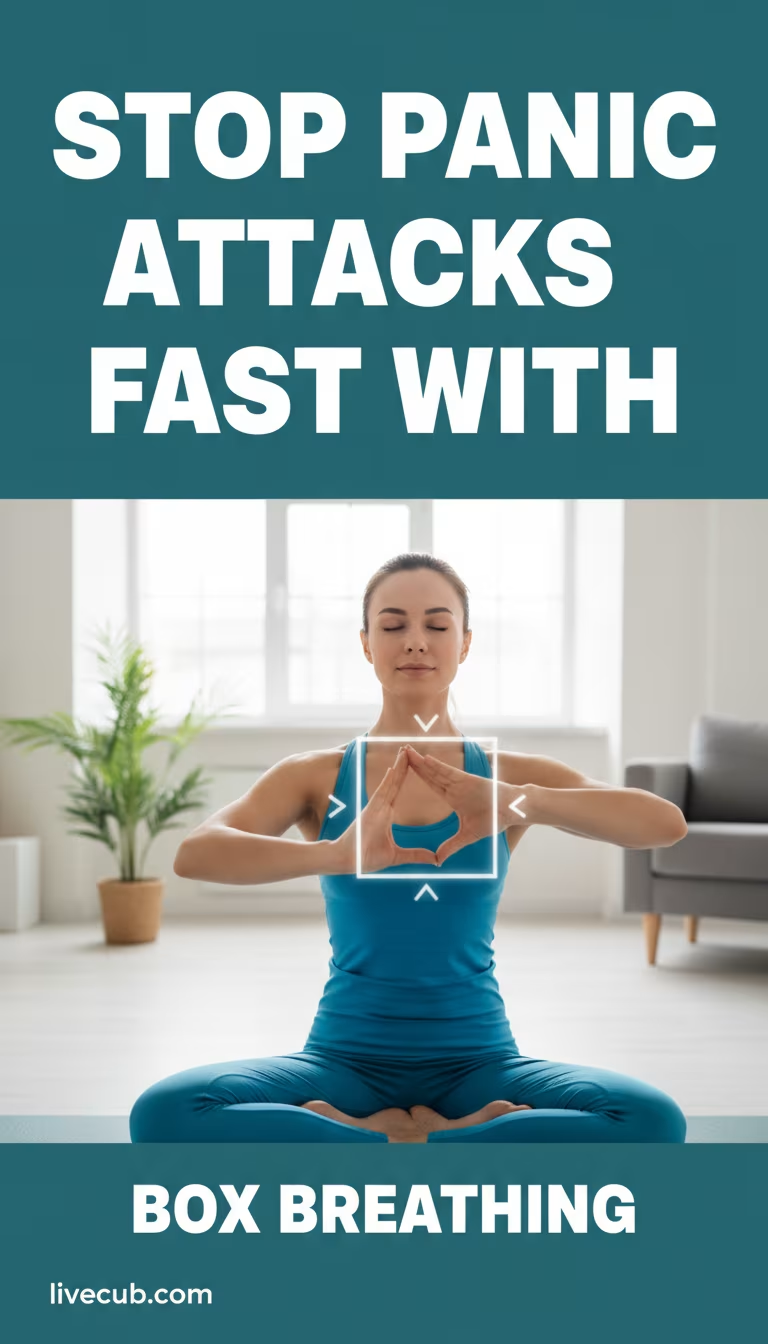
Okay, so we know what panic feels like and what's happening inside our bodies. Now, let's talk about the antidote: box breathing. It's also known as four-square breathing, and it's incredibly simple, yet profoundly effective. Here's how you do it: you inhale for a count of four, hold your breath for a count of four, exhale for a count of four, and then hold your breath again (lungs empty) for a count of four. That's one "box." You repeat this pattern, drawing a mental square with each side of the breath cycle. What I love about box breathing is its inherent simplicity. You don't need a meditation cushion, incense, or even a quiet room. You can do it anywhere: in a busy office, on a crowded train, or even in the middle of a challenging conversation. The beauty of this rhythm is that it actively engages your vagus nerve, which is a major player in your parasympathetic nervous system – the "rest and digest" system. By consciously slowing down your breath and introducing those gentle pauses, you're sending a direct message to your brain: "Hey, everything's okay. No need for alarm bells." This helps shift your body out of that high-alert fight-or-flight mode. It lowers your heart rate, decreases blood pressure, and tells your adrenal glands to chill out on the adrenaline dump. It's a physical act that has a powerful physiological impact. I remember the first time I actually felt it work. I was in a particularly stressful work situation, feeling that familiar knot tightening in my chest. I excused myself for a moment, found a quiet corner, and started counting. One… two… three… four… Inhale. One… two… three… four… Hold. One… two… three… four… Exhale. One… two… three… four… Hold. After just a few rounds, I could literally feel my shoulders drop. The frantic buzz in my head began to quiet. It wasn't an instant magical cure-all, but it was enough to break the escalating cycle and bring me back to a place where I could think clearly. That moment was a revelation, showing me the incredible power we hold just within our own breath. It truly is a personal anchor you can deploy anytime, anywhere.
Integrating Box Breathing Into Your Daily Life: Beyond the Crisis
While box breathing is an absolute lifesaver during a panic attack, its real power unfolds when you start seeing it as more than just an emergency tool. Think of it as a daily practice, a preventative measure that builds your resilience against stress and anxiety. Just like you wouldn't wait for your car to break down to get an oil change, you shouldn't wait for panic to strike before you practice regulating your nervous system. By making box breathing a regular part of your routine, you're essentially training your body and mind to access that calm state more easily. You're strengthening your vagal tone, which means your body becomes more efficient at switching from "fight or flight" to "rest and digest." It's like working out a muscle; the more you use it, the stronger and more responsive it becomes. Over time, you'll find that not only are your panic attacks less frequent or less intense, but your baseline stress levels decrease too. You'll feel more centered, more grounded, and better equipped to handle life's daily curveballs without feeling overwhelmed. This isn't just about managing symptoms; it's about cultivating a deeper sense of inner peace and control. It’s about building a solid foundation of calm that allows you to approach your day with more clarity and less reactivity. What I’ve personally found is that when I commit to a daily box breathing practice, even for just a few minutes, the small annoyances of life don't feel as catastrophic. The little things that used to trigger a spiral now feel manageable. It creates a buffer zone, a mental and physical sanctuary that's always accessible. So, let's talk about how you can weave this powerful technique into the fabric of your everyday existence.
Making Box Breathing a Habit
Building a new habit takes intentionality, but the payoff for box breathing is truly immense. Here are some actionable tips to integrate it seamlessly into your daily life:
- Morning Ritual Mastery: Before you even check your phone or make your coffee, dedicate five minutes to box breathing. Sit up in bed, feet flat on the floor, and just breathe. This sets a calm, intentional tone for your entire day, helping to prevent the morning rush from instantly triggering stress. It's a wonderful way to tell your nervous system, "Today, we're starting grounded."
- Mid-Day Mental Reset: The middle of the workday can be a hotbed of stress. Instead of reaching for another coffee or scrolling through social media, take 2-3 minutes for box breathing. Step away from your desk, go to the restroom, or even just close your eyes at your cubicle. This brief mental reset can clear your head, improve focus, and prevent that afternoon slump from turning into anxious jitters. I often do this right before a big meeting.
- Pre-Stressor Practice: Anticipate moments that usually trigger anxiety for you. Is it a difficult conversation you need to have? A public speaking engagement? A visit to a crowded place? Before you walk into that situation, do a few rounds of box breathing. It’s like putting on mental armor, preparing your nervous system to stay calm and collected even when external pressures are high. This proactive approach can significantly reduce the intensity of your reaction.
- Before Bed Wind-Down: End your day with box breathing to transition your mind and body into a state of rest. Instead of replaying your day's worries or scrolling late into the night, lie in bed and practice for 5-10 minutes. This helps quiet the "monkey mind" and signals to your body that it's time to prepare for sleep, promoting deeper, more restorative rest. It's a beautiful way to gently close the chapter on your day and invite tranquility.
- Transition Times: Utilize those small, often overlooked moments between tasks or activities. Waiting for a light to change? In line at the grocery store? Sitting in traffic? Instead of getting frustrated, use these pockets of time for a few rounds of box breathing. These micro-practices add up, reinforcing the habit and making it feel more natural and accessible throughout your day.
Common Mistakes to Avoid when Practicing Box Breathing
While box breathing is simple, it's not foolproof, and there are a few common pitfalls that can diminish its effectiveness. Being aware of these can help you refine your practice and get the most out of this powerful tool.
- Not Committing to the Counts: The "box" aspect of this technique – the equal counts for inhale, hold, exhale, hold – is what makes it so effective. If you rush through the counts or don't stick to the symmetry, you lose the regulatory power. Don't eyeball it; genuinely count to four for each segment. If four feels too long or too short, adjust it, but keep the counts equal (e.g., 3-3-3-3 or 5-5-5-5). The consistency is key to sending a clear signal to your nervous system.
- Holding Your Breath Too Forcefully: Both the inhale and exhale holds should be gentle, not strained. You shouldn't feel like you're suffocating or trying to burst a blood vessel. The holds are brief pauses, allowing your body to register the oxygen and carbon dioxide levels. If the hold feels uncomfortable, reduce your count or skip the empty-lung hold initially, gradually working your way up.
- Getting Frustrated if It Doesn't "Work" Immediately: Here's the thing: box breathing isn't a magic wand that instantly erases all anxiety. Especially during a full-blown panic attack, it might take several rounds – maybe even 5 or 10 minutes – before you feel a noticeable shift. Don't give up after one or two boxes if the panic is still roaring. Keep going. The physiological change takes time, and consistency within that moment is paramount. Be patient and compassionate with yourself.
- Using Chest Breathing Instead of Diaphragmatic Breathing: Many of us are shallow chest breathers, especially when stressed. For box breathing to be most effective, try to breathe from your diaphragm (your belly). Place one hand on your chest and one on your stomach. As you inhale, your stomach hand should rise more than your chest hand. This deep, belly breathing is what truly activates the vagus nerve and signals relaxation.
- Waiting Until Full-Blown Panic: While it's an excellent emergency tool, relying solely on box breathing when you're already in a full-blown panic spiral can make it feel harder to implement. Practice it daily, when you're calm, to build that neural pathway and make it more accessible when you really need it. The more you "train" your body to respond to this rhythm, the quicker and more effectively it will work in a crisis.
- Focusing Too Much on "Perfection": Don't get caught up in doing it perfectly. The goal isn't Olympic-level breathing; it's self-regulation. If your counts are a little off, or your mind wanders, gently guide yourself back. The effort to self-regulate is what matters most.
Expert Tips for Enhancing Your Box Breathing Practice
Once you've got the basic box breathing down, there are some ways to deepen your practice and make it even more potent. These aren't necessary for the core technique, but they can add layers of calm and focus.
- Visualize the Square: Many people find it helpful to literally visualize drawing a square as they breathe. As you inhale, imagine drawing the first side of the square going up. Hold your breath, drawing the top side across. Exhale, drawing the third side down. Hold, completing the bottom side. This visual anchor gives your mind something concrete to focus on, helping to prevent wandering thoughts, especially during intense moments of panic. It provides a simple, engaging mental task that occupies your attention.
- Add a Simple Mantra: While breathing, silently repeat a calming word or phrase during each segment. For example, during the inhale, think "I am." During the first hold, think "calm." During the exhale, think "I am." During the second hold, think "safe." Or simply "Inhale peace, exhale tension." This adds an extra layer of mindfulness and positive affirmation, helping to redirect anxious thoughts and solidify the feeling of tranquility.
- Combine with Mindful Awareness: As you breathe, try to bring your awareness to the physical sensations in your body. Notice the air entering your nostrils, filling your lungs, and the gentle rise and fall of your belly. Feel your feet on the floor, or your body supported by the chair. Engaging your other senses in a grounded way can help pull you out of the frantic head-space of panic and back into the present moment. This isn't just breathing; it's a full-body reset.
- Experiment with Counts (Carefully): While 4-4-4-4 is standard, you might find that 3-3-3-3 or 5-5-5-5 works better for you. Some advanced practitioners even try a longer exhale or empty-lung hold, like 4-4-6-2 (inhale, hold, longer exhale, shorter empty-lung hold) to further stimulate the parasympathetic system. However, I'd suggest sticking to the equal counts initially, and only experimenting when you're comfortable and calm. Never push yourself to discomfort.
- Practice with Sound or Music: For some, adding a calming, rhythmic sound or instrumental music can enhance the experience. There are many guided box breathing videos or apps that provide gentle cues and background sounds. This can be particularly helpful when you're just starting out or if you find silence too distracting during moments of high stress.
- Know When to Seek Professional Help: Box breathing is a fantastic tool, but it's not a substitute for professional mental health support. If your panic attacks are frequent, severely impact your daily life, or if you feel overwhelmed even with regular practice, please don't hesitate to reach out to a therapist or doctor. They can provide personalized strategies, diagnosis, and treatment plans that complement your self-help efforts. Think of box breathing as a powerful first aid tool, not the entire medical kit.
Final Thoughts: Your Breath, Your Anchor
Panic attacks can feel like an uncontrollable storm, leaving you feeling helpless and exhausted. But here’s the empowering truth: you carry within you one of the most effective tools for navigating those storms – your breath. Box breathing isn’t just a simple technique; it’s a profound act of self-care and self-regulation. It’s a way to reclaim your power, one conscious breath at a time. It’s a signal to your body and mind that you are safe, you are in control, and this intense feeling will pass. Remember, consistency is your greatest ally. Don’t wait for the next wave of panic to hit; integrate box breathing into your daily life. Practice it when you're calm, so it becomes second nature when you’re not. You’ll be building a stronger, more resilient nervous system, creating a personal anchor that you can drop anytime, anywhere. So, take a moment, right now. Inhale for four, hold for four, exhale for four, hold for four. Feel that shift? That’s your power. Embrace it, nurture it, and trust that you have everything you need within you to find your calm, even when the world feels chaotic. You’ve got this, friend. Take a deep breath, and keep going.
📌 Pin This For Later!

Olivia Prete
For the past 5 years, she has been sharing her thoughts and experiences through her blog, covering topics ranging from personal development to pop culture. Olivia's writing is honest, relatable, and always thought-provoking.



Leave a reply
Replying to