Press Enter to search or ESC to close
Health

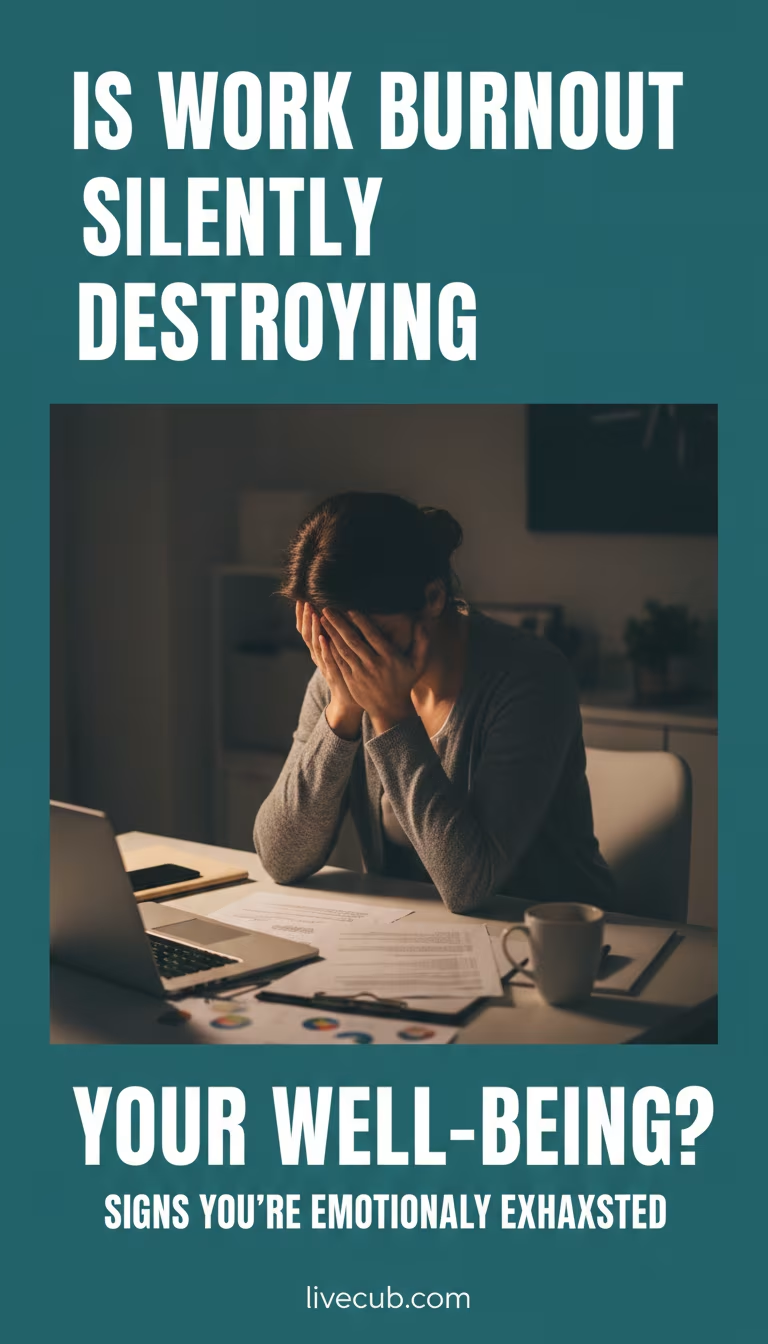
Signs You Are Experiencing Emotional Exhaustion at Work

Chiara Bradshaw
· · Updated Jan 22, 2026 · 13 min read

Signs You Are Experiencing Emotional Exhaustion at Work

Ever find yourself staring blankly at your computer screen, scrolling through emails you just read, and feeling like your brain is wrapped in cotton wool? Or maybe you snap at a colleague for something tiny, then spend the rest of the day replaying it, feeling absolutely drained and guilty? Perhaps your morning coffee just isn't cutting it anymore, and the thought of another Monday sends a shiver down your spine that feels heavier than usual.

If any of this sounds vaguely familiar, you're not alone, my friend. What you might be experiencing isn't just a bad week or a little stress; it could be the insidious creep of emotional exhaustion, especially at work. It's that feeling where your emotional gas tank isn't just low, it's running on fumes, and you're still expected to hit the accelerator.

We all face challenges, but when those challenges start to chip away at your very core, leaving you feeling empty and overwhelmed, it's time to pay attention.

Why This Matters

Here's the thing: emotional exhaustion isn't just about feeling tired. It's a deeper, more pervasive weariness that impacts your entire being – your mood, your relationships, your physical health, and yes, your performance at work. We live in a world that often celebrates constant hustle, the always-on mentality, and the idea that pushing through is the only path to success.

But that narrative, while sometimes motivating, can be incredibly damaging when it ignores the very real toll it takes on our emotional well-being. Ignoring the signs of emotional exhaustion isn't just inconvenient; it can lead to more serious issues like burnout, anxiety, depression, and even physical ailments.

Think about it: if your phone battery is constantly at 10%, you know it won't perform well, and eventually, it'll just shut down. Your emotional battery is no different. It’s not a weakness to admit you’re struggling; it’s a sign of strength and self-awareness to recognize when something needs to change.

Understanding these signs is the first, most crucial step toward reclaiming your energy, your joy, and ultimately, a more balanced and fulfilling life, both in and out of the office.

The Subtle Shifts: When Your Enthusiasm Drains Away

One of the earliest and most telling signs of emotional exhaustion is a gradual, almost imperceptible draining of your usual enthusiasm. Remember when you first started your job, or even just a few months ago, and you had that spark? That genuine interest in your projects, the camaraderie with colleagues, the satisfaction of a job well done?

With emotional exhaustion, that spark dims. It’s not an overnight switch, but rather a slow fade, like an old photograph losing its vibrant colors. You might find yourself dreading tasks you once enjoyed, or feeling completely indifferent to outcomes that previously excited you.

This isn’t just about having a bad day; it’s a sustained lack of engagement that permeates your entire workday. In my experience, this often manifests as a feeling of numbness. You’re physically present, going through the motions, but mentally and emotionally, you’ve checked out.

The passion you once had for your career or even a specific project feels like a distant memory. You might even catch yourself wondering, "Is this all there is?" or "Why am I even doing this?" These questions, when they become persistent, are huge red flags. It’s a sign that the emotional demands of your role are outweighing your ability to replenish your inner resources, leaving you feeling empty and disconnected from the very work you do.

Reclaiming Your Boundaries: Practical Tips to Guard Your Energy

  • Set Clear "Off-Limits" Times: This is a big one, and it’s about more than just logging off. It means deciding when your workday truly ends and sticking to it like glue. For example, if you decide 6 PM is your hard stop, then at 6 PM, put your work phone in a drawer, close your laptop, and resist the urge to just "check one more thing." I used to be terrible at this, always feeling like I needed to be available. But once I started setting an alarm for my workday's end and making a conscious ritual of shutting down, I noticed a massive shift. It tells your brain, "Okay, we're done here. Time to recharge." This boundary helps create a much-needed separation between your professional and personal life, preventing work from bleeding into every waking moment and siphoning off your recovery time.
  • Delegate & Say "No" More Often: Oh, the power of "no." It's a full sentence, and it's your superpower when you're feeling emotionally depleted. We often fall into the trap of saying "yes" to every request, every extra project, out of a sense of obligation, guilt, or the fear of looking uncooperative. But constantly taking on more than you can realistically handle is a direct express train to exhaustion. Start by identifying tasks that can truly be delegated to others or, more importantly, tasks that you simply don't have the capacity for right now. Practice saying, "I appreciate you thinking of me, but I'm at capacity right now and won't be able to take that on," or "Let's see if [colleague's name] has bandwidth for this." What I love about this approach is that it not only protects your own energy but also fosters a more balanced distribution of work within your team.
  • Schedule "Think Time" or "Deep Work" Blocks: In our notification-driven world, it's easy to spend your entire day reacting to emails, instant messages, and meeting requests. This constant context-switching is incredibly draining. Instead, proactively block out periods in your calendar – say, 60-90 minutes – specifically for focused, uninterrupted work on your most important tasks. During this time, silence notifications, close unnecessary tabs, and let colleagues know you're in a deep work session. Treat these blocks like non-negotiable meetings with yourself. I've found that having even one or two of these blocks a day allows me to get truly meaningful work done, reducing the feeling of constantly being pulled in different directions and creating a sense of accomplishment that helps combat that emotional drain. It’s like giving your brain a dedicated space to breathe and concentrate, rather than having it constantly jump through hoops.

Physical Manifestations: When Your Body Starts Sending Signals

Our bodies are incredibly smart, and they often start whispering (or sometimes screaming) warnings before our minds fully catch up. Emotional exhaustion isn't just a mental state; it has very real physical symptoms that can easily be dismissed as "just being tired" or "getting older." One of the most common signs I've noticed, both in myself and with friends, is a persistent feeling of fatigue that no amount of sleep seems to fix.

You might wake up feeling as tired as when you went to bed, or hit that mid-afternoon wall with a force that feels impossible to push through, even after a decent night's rest. It’s not the normal kind of tired; it’s a deep, bone-weary exhaustion that lingers. Beyond that, you might experience a significant change in your sleep patterns.

Maybe you struggle to fall asleep because your mind is racing with work worries, or you wake up frequently throughout the night. On the flip side, some people find themselves wanting to sleep all the time, using it as an escape from the demands of their day, yet never feeling truly rested.

Another common physical tell-tale sign is increased muscle tension, especially in your neck, shoulders, and jaw. I used to carry all my stress in my shoulders, making them feel like rocks by the end of the day. Headaches, often tension headaches, become more frequent.

You might also notice digestive issues like an upset stomach, changes in appetite (either overeating or losing interest in food), or just feeling generally "off." Your immune system can also take a hit, making you more susceptible to colds and other minor illnesses. It's like your body is using all its energy just to cope with the emotional strain, leaving less for basic maintenance and defense.

Pay attention to these physical cues. They're not random; they're your body's way of telling you that your emotional well-being is under siege and needs urgent attention. Ignoring them only leads to a compounding effect, where minor annoyances snowball into more serious health concerns.

The Mental Fog & Disconnection: Losing Your Spark and Your Way

Beyond the physical symptoms, emotional exhaustion profoundly impacts your mental landscape, creating a kind of fog that can make even simple tasks feel monumental. One of the most common signs here is a noticeable decrease in your concentration and focus. You might find yourself easily distracted, struggling to stay on task, or reading the same paragraph multiple times without actually absorbing the information.

That sharp, clear thinking you once had feels hazy and distant. Decision-making, which might have been second nature before, becomes agonizingly difficult, even for trivial matters. You second-guess yourself constantly, feeling overwhelmed by choices and fearing you'll make the wrong one.

This mental fogginess often comes hand-in-hand with a significant dip in your productivity, not because you're lazy, but because your brain simply doesn't have the emotional energy to perform at its usual capacity.

Another powerful indicator of emotional exhaustion is a growing sense of cynicism or negativity towards your work and colleagues. What started as minor irritations can morph into pervasive feelings of resentment, distrust, or apathy. You might find yourself complaining more, being more critical, or just generally having a pessimistic outlook on everything related to your job.

This isn't just being in a bad mood; it's a fundamental shift in your perception, where you begin to see everything through a lens of negativity. This often leads to increased irritability and a shorter fuse, not just at work, but often spilling over into your personal life. You might find yourself snapping at loved ones, feeling easily frustrated by minor inconveniences, and generally being less patient than usual.

This constant state of heightened emotional reactivity is incredibly draining and can damage relationships both professionally and personally. You might also notice a decreased sense of accomplishment or satisfaction from your work, even when you achieve something great. The joy is gone, replaced by a hollow feeling, a sign that the emotional bank account is truly depleted.

Common Mistakes to Avoid

When you're knee-deep in emotional exhaustion, it's easy to fall into certain traps that actually make things worse. One of the biggest mistakes I see people make (and have made myself!) is trying to "power through it." We think if we just work harder, push longer hours, or take on one more project, we'll somehow get to the other side where relief awaits.

But here's the honest truth: emotional exhaustion isn't cured by more effort; it's exacerbated by it. It's like trying to fill a bucket with a hole in it by pouring water in faster. You need to fix the hole first.

Another common pitfall is isolating yourself. When you're feeling emotionally drained, the thought of social interaction, even with friends, can feel overwhelming. You might cancel plans, withdraw from social activities, and become increasingly reclusive.

While some solitude is good, complete isolation deprives you of crucial emotional support and perspective, trapping you in your own negative thought patterns.

A third mistake is self-medicating with unhealthy coping mechanisms. This can look like anything from excessive alcohol consumption, overeating, binge-watching TV for hours on end, or constantly scrolling through social media. While these might offer temporary distraction or numbness, they don't address the root cause of your exhaustion and often leave you feeling worse in the long run.

They steal your precious downtime without actually replenishing your energy. Lastly, many people make the mistake of blaming themselves entirely. While personal boundaries and self-care are vital, remember that workplaces and organizational cultures play a huge role in fostering or preventing exhaustion.

It's not always just "you." Avoiding these common mistakes means recognizing that your emotional well-being is a priority, not a luxury, and that addressing exhaustion requires intentional, healthy strategies rather than just more grit.

Expert Tips for Long-Term Resilience

Moving beyond just recognizing the signs, truly tackling emotional exhaustion requires a more strategic, long-term approach. One expert tip I’ve learned is the importance of cultivating a strong support system. This isn't just about venting to anyone who will listen; it's about connecting with people who genuinely understand, offer empathy, and can provide practical advice or just a listening ear without judgment.

This could be a trusted colleague, a mentor, a friend, or a family member. Regularly scheduled check-ins with these people can be a lifeline. Another powerful strategy is to consciously practice "micro-breaks" throughout your day.

Instead of waiting for a full lunch break, step away from your screen for five minutes every hour. Stretch, walk to the window and look outside, do a quick breathing exercise, or grab a glass of water. These small resets prevent stress from accumulating to unmanageable levels and give your brain mini-chances to recalibrate.

What I love about micro-breaks is how accessible they are; anyone can do them, anywhere.

Beyond daily habits, consider proactive communication with your manager or HR. This isn’t about complaining, but about openly discussing workload, project scope, or potential solutions. A good manager wants their team to be healthy and productive, and they can't help if they don't know there's an issue.

Frame it as a desire to optimize your performance and contribution, not just a personal struggle. For instance, you could say, "I've noticed I'm feeling less focused recently, and I believe adjusting my workload slightly could help me maintain my usual high quality of work." Finally, and this might sound obvious but it's often overlooked, regularly evaluate your career path and overall job satisfaction.

Is this role still aligned with your values and long-term goals? Sometimes, emotional exhaustion is a symptom that you've outgrown a role or that the work environment is fundamentally unhealthy. It might be time to consider professional development, a new role, or even a career change.

This isn't about giving up; it's about choosing an environment where you can truly thrive and avoid recurring cycles of depletion.

Final Thoughts

Recognizing the signs of emotional exhaustion at work is more than just an academic exercise; it's an act of radical self-care. It’s pausing in the relentless current of professional life to check in with your deepest self and acknowledge that something isn't right. Remember, you're not a machine, and your emotional battery isn't infinite.

It’s okay to feel overwhelmed, and it's even more than okay – it's absolutely necessary – to take steps to replenish yourself. Don’t wait until you’re completely broken down to start making changes. Start small, be kind to yourself, and incrementally build habits that protect your peace and energy.

You deserve to feel engaged, vibrant, and alive, not just at home, but also in the hours you dedicate to your career. What’s one small step you can take today to honor your emotional well-being? Think about it, and then make a commitment to yourself.

Your future self, brimming with renewed energy and clarity, will thank you for it.

Signs You Are Experiencing Emotional Exhaustion at Work

Save for later

Found this helpful?

Pin this article to your Pinterest board and come back to it whenever you need a reminder.

Save to Pinterest
Written by

Chiara Bradshaw

Chiara Bradshaw has been writing for a variety of professional, educational and entertainment publications for more than 12 years. Chiara holds a Bachelor of Arts in art therapy and behavioral science from Mount Mary College in Milwaukee.

More posts
Chiara Bradshaw

Responses (0)

0%