
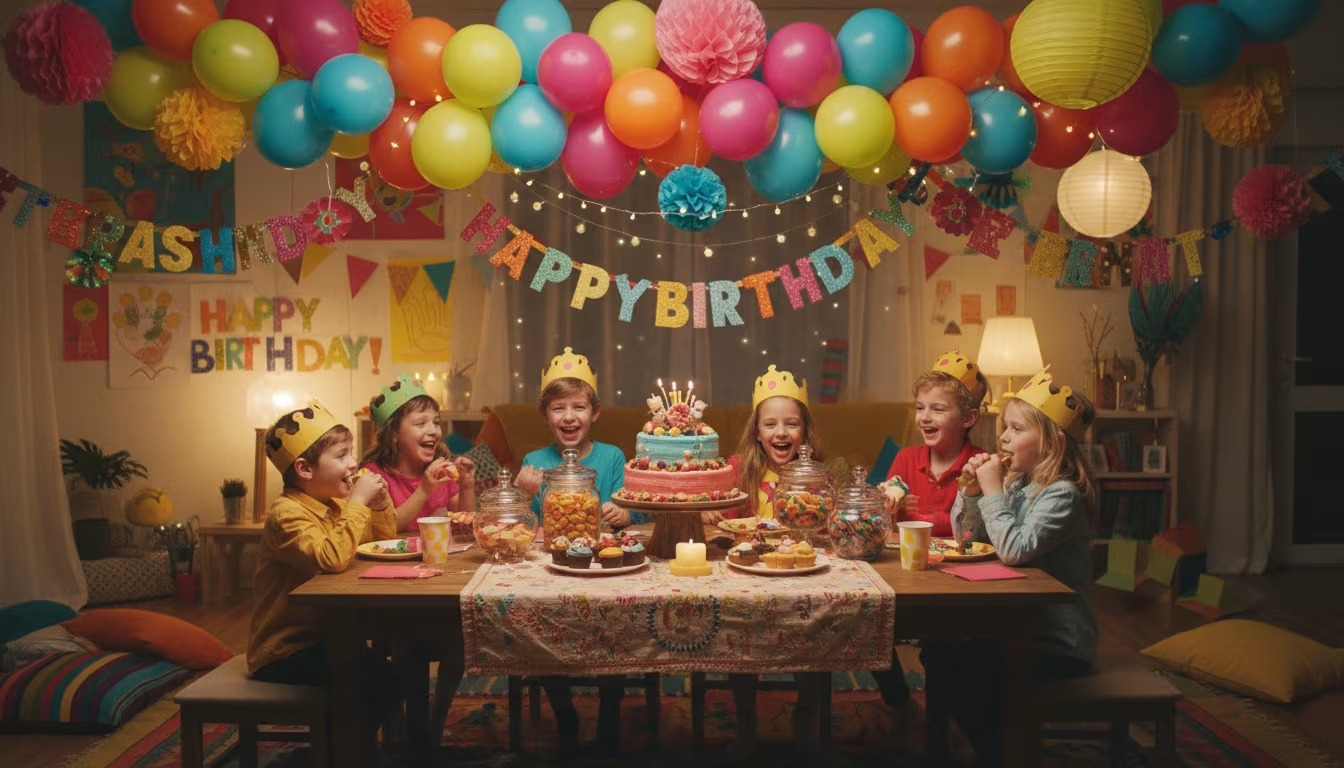
Most party budgets break for the same reason: every purchase feels small on its own. A pack of themed plates here, a bag of favors there, one more balloon bundle, and rush shipping to make it all arrive in time. None of it feels expensive in the moment, and together it doubles the total. The fix is not willpower at the checkout. It is deciding the whole shape of the day before the shopping starts.
Set the spending cap before the theme
A workable budget begins with one number, not a mood board. Consumer.gov's guide to making a budget starts from what you actually have to spend, and a party works the same way. Choose the total first, then let the theme, menu, and guest count live inside it.
That single number does the hard work for you. Once the cap is fixed, questions that used to feel emotional become simple math: this favor bag or two more guests, this decoration or the cake you actually want. The limit is not a punishment. It is what keeps the day from expanding by accident while you are distracted with everything else.
Split the total before you spend it
A cap only helps if it is divided. Assigning rough percentages up front tells you the moment one category is eating another's share, which is usually where overspending hides. The split below is a starting point for a small children's party, not a rule; shift it to match what your child and guests actually care about.
| Category | Rough share | Where the money leaks |
|---|---|---|
| Food and cake | 40% | Too many single-use platters and extra snacks "just in case" |
| One main activity | 20% | Buying several activities instead of one that lasts |
| Decorations | 15% | Themed clutter that is thrown away the same night |
| Favors | 10% | Filler toys that break before guests reach the car |
| Buffer | 15% | Rush shipping, last-minute runs, forgotten items |
The buffer row matters most. Leaving a slice unspent means the inevitable forgotten thing does not force you over the cap or into a stressful late-night store trip.
Keep the guest list short on purpose
A shorter list protects the budget better than any coupon, and it does more than that. Fewer guests means easier supervision, smaller food amounts, less seating to arrange, and a cleanup you can finish before you fall asleep. For a child's party, attention span and noise deserve as much weight as cost. The right size is simply the one the host can manage calmly, not the largest one the room technically holds.
If you are working from a simple structure, a plan like a themed children's party keeps the day from drifting by giving it a clear beginning, middle, and end.
Timing helps the guest list too. A party held between meals, say two to four in the afternoon, quietly lowers the food expectation to cake and light snacks rather than a full spread. Setting a firm end time on the invitation does the same work: guests plan around it, and the host is not left hosting a second, unbudgeted hour after the cake is gone.
Let food do two jobs
Food can be the decoration. A small dessert table, a fruit tray, or a cookie corner reads as festive without a cart full of throwaway props, and it gives guests something to gather around. Ideas for arranging a cookie display fit that double duty well: it looks intentional and it feeds people at the same time.
If anything will sit out while guests arrive, play, and drift back for seconds, plan for it. Perishable food left at room temperature has a limited safe window, so keep cold things cold, put out smaller batches you can refresh, and clear plates that have been sitting. A little staging keeps a relaxed afternoon from ending in stomach aches.
Leaning on foods that do not spoil quickly also saves both money and worry. Crackers, popcorn, whole fruit, pretzels, and dry cereal mixes cost little, need no refrigeration, and do not have to be watched every twenty minutes. Reserving the perishable items for one short serving window, rather than an all-afternoon buffet, keeps the food budget honest and the safety question simple at the same time.
Decorate for fast cleanup, and mind the balloons
The cheapest decorations are the ones you can take down in five minutes. Paper banners, a washable table cover, borrowed serving pieces, and two or three strong colors usually beat a bin of themed clutter, both at the register and at the end of the night.
Balloons deserve a specific caution around young children. The U.S. Consumer Product Safety Commission's balloon safety guidance notes that uninflated and broken balloons are a leading cause of childhood suffocation from toys. That does not ban them; it changes how you use them. Keep balloons high and out of reach, supervise closely, and pick up popped pieces immediately rather than after the party.
The same borrow-first thinking applies to nearly everything on the decoration list. Folding tables, serving platters, drink dispensers, and even extra chairs are things neighbors and relatives usually own and rarely mind lending. Every borrowed item is money that stays in the buffer, and it is one less thing to store or throw away when the day is over. A small stack of reusable basics, plain tablecloths, a few colored bowls, string lights, tends to earn its keep across birthdays for years, which makes it cheaper per party than any themed set bought once and binned.
Choose one activity and plan a clean exit
One good activity can carry a party. A craft, a backyard game, a scavenger hunt, a movie corner, or a cupcake-decorating station gives children a shared focus. Stacking ten activities mostly creates setup work and scattered attention, and it rarely makes the day feel fuller.
Plan the ending before it arrives. Put trash bags, leftover containers, coats, and favor bags near the door before the first guest knocks. Cleanup belongs in the budget because your time and energy count too, and a clear exit keeps you from paying for the party twice: once in money, and again in a midnight mess. Note what guests actually used and what food was left, so next year's plan starts from evidence instead of a blank page.
Frequently Asked Questions
How do I plan a cheap birthday party?
Set a total cap first, then divide it across food, one activity, decorations, favors, and a buffer. Trim guest count before you trim the parts your child cares about, and borrow what you can.
What costs surprise people most?
Favors, themed single-use supplies, extra snacks, and rushed purchases. Write these into the budget early so they do not sneak in one small charge at a time.
Are balloons safe for kids?
They need care around young children because uninflated and broken balloons pose a choking and suffocation risk. Keep them out of reach, supervise, and clean up broken pieces right away.
How many activities do I need?
Usually one solid activity is enough. Children often want space to play more than they want a packed schedule to follow.

Chiara Bradshaw
Covers education, culture and creative topics with an emphasis on readable explanations and verifiable references.



Leave a reply
Replying to