

Tennessee Probate Court Procedures depend on the county, the estate size, whether there is a will, and whether assets actually need probate. Tennessee probate often runs through chancery court, probate court, or a clerk and master, but the local office controls forms, filing fees, and hearing practice.
This article is general legal information, not Tennessee legal advice. Probate deadlines and estate duties can create personal liability. Talk with a Tennessee probate attorney if there is real estate, family conflict, creditor pressure, tax issues, missing heirs, a contested will, or an insolvent estate.
Start With Probate Assets
Not everything goes through probate. Joint accounts, beneficiary accounts, life insurance with a named beneficiary, retirement accounts, payable-on-death accounts, and trust assets may pass outside court. Probate is usually for assets titled only in the decedent's name without a beneficiary path.
Livecub's probate court overview can help with the basic vocabulary before focusing on Tennessee.
Find The Right County

Probate is usually filed where the decedent lived, though property location and other facts can matter. Check the local clerk, chancery court, or probate court website before preparing papers.
Davidson County's probate forms page is one example of a local Tennessee court publishing estate and fiduciary forms. Other counties may use different formatting or instructions.
File The Will
If there is a will, it generally must be delivered to the proper court. The court decides whether to admit it to probate. The named executor does not have legal authority just because the will names them; authority comes from the court.
If there is no will, the estate is intestate and the court may appoint an administrator under Tennessee law.
Petition For Authority
The person seeking authority files a petition and related documents. If approved, the court issues executor letters for an executor under a will or letters of administration for an administrator without a will. These letters are what banks and others usually want to see.
For related estate-planning questions, Livecub's questions to ask an estate lawyer can help you prepare.
Bond And Oath
Tennessee courts may require a fiduciary bond unless waived by the will, consented to by interested parties, or excused under a rule. The personal representative may also sign an oath accepting fiduciary duties.
Do not treat the appointment as ceremonial. The representative must gather assets, protect property, pay valid claims, account, and distribute correctly.
Inventory And Records
An inventory may be required unless waived. Even if waived, the representative should keep a private inventory of accounts, vehicles, household property, refunds, real estate, debts, and expenses. Good records prevent family arguments and court trouble.
For property that may involve a trust, Livecub's trustee death property transfer article can help separate trustee authority from probate authority.
Notice To Creditors
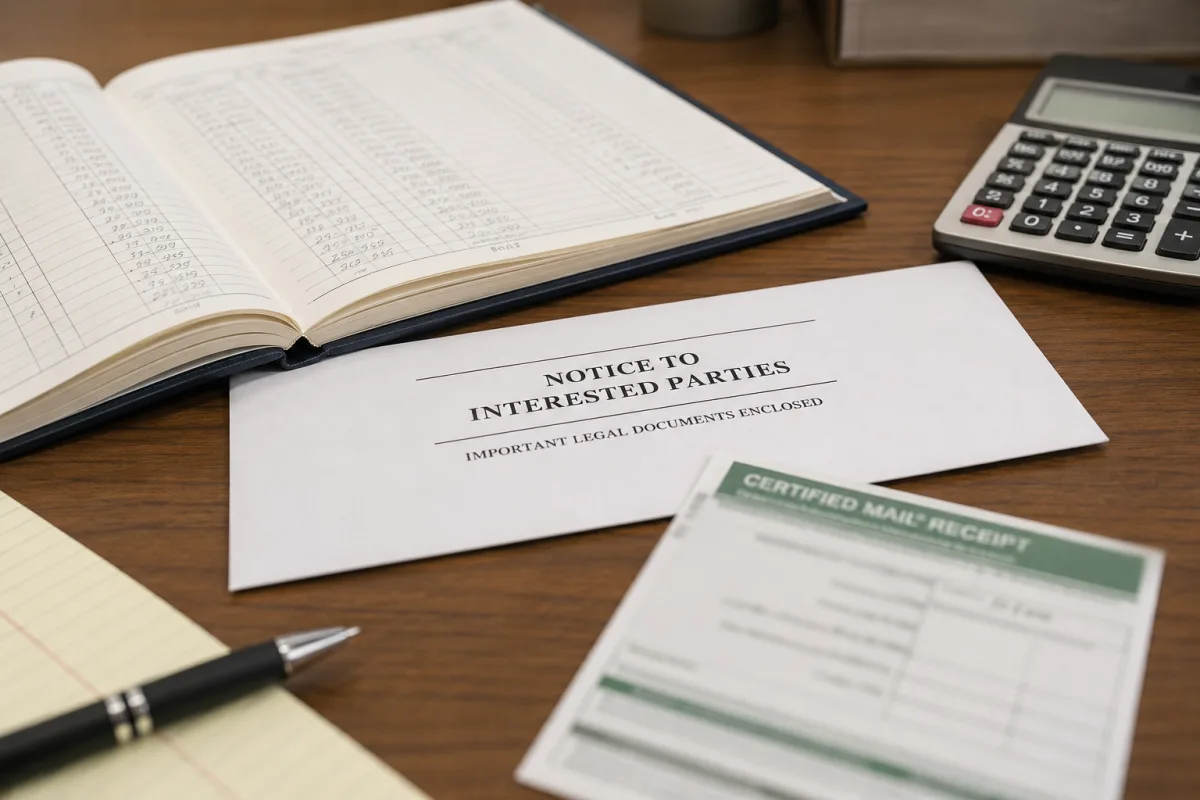
In a regular Tennessee probate, creditors receive notice and have deadlines to file claims. The Tennessee Administrative Office of the Courts probate manual discusses notice, claims, insolvency, inventories, accountings, and fiduciary duties.
Do not pay heirs before understanding creditor claims. A personal representative can create problems by distributing too soon.
Small Estate Procedure
Tennessee has a small estate process for qualifying estates. It can be faster and more limited than full probate, but it has eligibility rules, forms, and restrictions. Small estate procedure may not work if the estate includes real property or other disqualifying facts.
Tennessee Code section 30-4-103 describes small estate administration details, including limited letters and creditor differences. Check current law and local practice before relying on it.
Pay Debts In Order
Estate debts should be paid according to Tennessee priority rules, not whoever calls the loudest. Funeral expenses, taxes, secured debts, medical bills, credit cards, and family reimbursements may be treated differently.
Livecub's surviving spouse medical bills article may help with a related but separate question about personal liability.
Handle Real Estate Carefully
Tennessee real estate can raise special probate questions. Title, heirs, liens, mortgage, homestead rights, sale authority, and court approval may matter. Do not sell or transfer real estate based only on family agreement.
A title company may require court papers, affidavits, or attorney help before insuring a transfer.
Accountings And Closing
The representative may need to file accountings, receipts, releases, tax documents, or a closing statement. Some estates can close informally with waivers; others need court approval. Local rules matter.
If a death certificate is still needed, Livecub's death certificate search guide can help with that supporting document.
When To Get A Lawyer
Get legal help if the will is disputed, heirs disagree, creditors exceed assets, real estate must be sold, the representative lives out of state, taxes are unclear, or someone accuses the representative of misconduct.
Probate is paperwork, but it is also fiduciary responsibility. A mistake can cost more than advice would have.
If There Is No Will
When there is no will, Tennessee intestacy rules decide who inherits. The person who feels most responsible is not always the person with first priority to serve or inherit. The court may require notices, consents, or hearings before appointing an administrator.
Do not divide property based on family memory alone. Intestacy can surprise blended families, adult children, and surviving spouses.
Taxes And Final Bills
Even estates that do not owe estate tax may need final income tax returns, property tax handling, utility bills, insurance decisions, and care of a home. Canceling insurance too early or ignoring a vacant house can create avoidable losses.
Keep estate funds separate from personal funds. Reimbursements should be documented with receipts.
Vehicles And Personal Property
Cars, boats, household items, firearms, jewelry, and family keepsakes can create more conflict than bank accounts. Some items have title rules. Others have emotional value that far exceeds resale value.
Make an inventory with photos before distributing personal property. If heirs disagree, get court or attorney guidance before letting people remove items.
Out-Of-State Representatives
An out-of-state personal representative may face extra practical problems: mail, property checks, court appearances, local forms, and bank visits. Some Tennessee courts may require a local agent or additional information.
If the representative lives far away, a local attorney can often prevent delays that cost the estate money.
Do Not Use Estate Money Early
Before appointment, nobody should treat the estate account as available cash. After appointment, the representative should use estate money only for estate purposes and keep records. Paying the wrong person too early can make the representative responsible for fixing it.
When in doubt, wait for court authority or legal advice.
Family Agreements Need Paper
Heirs sometimes agree verbally that one person will keep a car, pay a bill, or reimburse the estate later. Those agreements can be forgotten, misunderstood, or denied. Put estate agreements in writing and keep them with the file.
If the agreement changes legal rights, ask a lawyer before relying on it.
Claims Can Be Disputed
Not every bill sent to an estate is valid. The representative may need to review claim timing, documentation, creditor identity, and whether the estate or another person is responsible. Disputed claims should be handled through the court process, not ignored.
Keep envelopes and dates. Deadlines can matter as much as the amount claimed.
Communicate With Heirs
Silence creates suspicion. A short monthly update can prevent conflict: what was filed, what bills were paid, what assets were found, what is delayed, and what happens next. Do not promise distribution dates before creditor and court steps are clear.
Good communication does not require sharing every private detail. It requires enough information to show the estate is being handled.
County Differences Are Real
One Tennessee county may require a form or hearing that another county handles differently. Filing fees, clerk instructions, judge preferences, and document naming can vary. Always check the local clerk or court website before copying a form from another county.
Local practice is why Tennessee probate advice should stay practical, not overconfident.
Frequently Asked Questions
Which court handles Tennessee probate?
It depends on the county. Probate may be handled by probate court, chancery court, or the clerk and master system.
Do all estates need probate?
No. Assets with beneficiaries, joint ownership, or trusts may pass outside probate.
What are executor letters?
They are court-issued proof that the executor has authority to act for the estate.
Does Tennessee have a small estate process?
Yes, but only qualifying estates can use it, and local forms and current law must be checked.
Can heirs take property before creditors are paid?
That can be risky. Creditor claims and estate expenses should be handled before distribution.
The Tennessee Probate Path
Tennessee probate usually starts by identifying probate assets, filing the will if one exists, petitioning for authority, receiving letters, notifying creditors, protecting assets, paying valid debts, accounting, and distributing what remains. County practice and Tennessee law guide each step.

Tory Stearns
Edits practical household, travel and lifestyle explainers. Claims that can change are linked to current primary or subject-authority sources.



Leave a reply
Replying to