
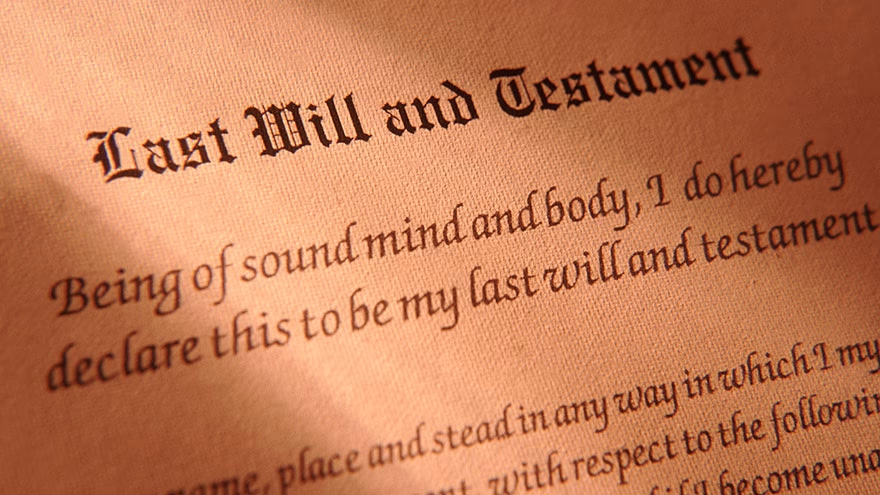
How to Record My Last Will usually means how to sign, witness, and store a will so it can be used after death. A will is not made reliable by a dramatic video or a secret drawer; it needs to meet state law.
This is general legal information, not legal advice. Will rules vary by state, and mistakes can invalidate the document or create disputes. Talk with an estate lawyer before signing if the estate or family situation is not simple.
State Law Controls
Will rules are state-specific. A valid will usually needs capacity, intent, writing, signature, and proper witnesses, but details differ. Do not copy another state's form without checking local rules.
California Courts explains that many estate forms require signing before a notary or two uninvolved witnesses in its wills and estate documents guidance.
Use The Original

Courts usually want the original signed will after death. A copy may create extra proof problems. Keep the original where it can be found, but not where it will be destroyed or hidden.
Livecub's death certificate search guide can help families understand another document often needed after death.
Witnesses
Many states require witnesses who are adults and preferably disinterested. A beneficiary witness can create trouble in some states. Witnesses should see the signing or acknowledgement as local law requires.
Texas State Law Library notes that a valid will in Texas generally must be in writing, signed, and attested by two credible witnesses in its probate guide.
Notary Issues
A notary may be used for a self-proving affidavit or other documents, but notarization alone may not replace witnesses where witnesses are required. State law decides.
Do not assume a notarized signature fixes a will that was not witnessed correctly.
Record Versus Store
People often say record my will when they mean store it safely. Some places allow deposit with a court or attorney; others do not. Recording a video is not usually a replacement for a properly executed written will.
Ask the local court or attorney what storage options exist.
Tell The Right Person
Tell your executor or trusted person where the original is stored. Do not give access to someone who may have a conflict or destroy it. A sealed envelope with instructions can help, but the original must remain accessible after death.
Livecub's questions to ask an estate lawyer can help prepare the planning meeting.
Update After Life Changes
Marriage, divorce, birth, adoption, death of a beneficiary, moving states, buying property, or changing executors can all require a will review. Old wills can create surprises.
Use a codicil or new will only under proper rules.
Avoid Handwritten Mistakes
Handwritten wills are allowed in some states and rejected or limited in others. Even where allowed, unclear wording can create disputes. Legal advice is often cheaper than a fight after death.
If power of attorney is also needed, Livecub's power of attorney article is a related but separate topic.
Do Not Mark The Original
After signing, do not staple notes, cross out clauses, or write updates in the margins unless an attorney tells you how to do it legally. Marks can raise questions about intent.
Create a new properly signed document instead.
Executor Choice
Choose someone organized, honest, and able to communicate. Ask before naming them. Serving as executor can be time-consuming and stressful.
For court process context, Livecub's probate court article can help explain what may happen later.
Funeral Wishes
A will may not be read until after funeral decisions are made. If burial, cremation, or service wishes matter, tell the right person separately and follow state rules for any required authorization.
Do not hide urgent instructions only inside the will.
Professional Help
Use an estate lawyer for blended families, minor children, disinheritance, disability planning, business ownership, real estate in multiple states, tax issues, or family conflict.
A simple will is only simple if the facts are simple.
Self-Proving Affidavit
Some states allow a self-proving affidavit, often signed with witnesses before a notary, to make probate easier later. It does not replace the will. It supports proof that the will was signed correctly.
Ask whether your state uses this tool and what wording is required.
Digital Copies
A scanned copy can help people know what exists, but it may not replace the original signed will. Store scans securely and make sure the executor can locate the original.
Digital access should not expose private financial information to everyone.
Safe Deposit Boxes
A bank safe deposit box can be secure, but access after death may be delayed if no authorized person can open it. Ask the bank and your attorney before making it the only storage location.
Security and accessibility both matter.
Revocation
A new will may revoke an old will, but the wording should be clear. Destroying old originals may also matter, depending on state law. Do not leave multiple conflicting originals without legal advice.
Conflicting wills create expensive confusion.
Witness Notes
Witnesses should use legal names and current contact information if the form asks. Years later, locating witnesses may be difficult, so a self-proving affidavit can help where allowed.
The signing ceremony should be boring and careful.
Do Not Hide It
A will that cannot be found may be treated as revoked or may force the family into extra court proof. Tell the executor where it is. A secret will is not a practical plan.
The best legal document is one the right person can find.
Use A Written Plan
A written plan keeps the next step out of memory. For a baby, it may be a sleep log. For an estate, it may be a court checklist. For bonds, it may be a buy worksheet. The form matters less than the habit of writing facts down.
Writing reduces arguments because everyone can see the same baseline.
Ask Before Acting
Some actions are hard to undo: changing a sleep plan during illness, marking a will, distributing estate property, or buying a long bond. Ask the right professional before the irreversible step.
A short question early can prevent a long repair later.
Review After Two Weeks
Give most plans a review window. Two weeks can show whether a sleep pattern, probate task list, or bond decision needs adjustment. If new warning signs appear, do not wait for the review date.
The review should update the plan, not punish the person who made it.
Keep Pressure Low
Pressure makes tired parents, grieving families, and investors rush. Lower the temperature by naming facts, deadlines, and choices. A calm process usually produces better decisions than a dramatic deadline invented by someone else.
Real deadlines still matter; fake urgency does not.
Use A Checklist Before Changes
Before changing the plan, check the basics: current facts, warning signs, deadlines, documents, and who has authority to decide. This keeps tired or stressed people from changing everything at once.
A checklist is not fancy, but it catches the easy mistakes.
Document The Reason
Write why you made the choice. Later, the reason may be hard to remember. A note can explain why a nap changed, why a will was updated, why an estate bill was paid, or why a bond was rejected.
Good notes protect the decision from hindsight panic.
Get A Second Set Of Eyes
For anything with high stakes, ask another adult or professional to review. Parents can ask a pediatrician, executors can ask a lawyer, and investors can ask an adviser. A second reader catches assumptions.
Do this before the irreversible step, not after.
Keep Attorney Notes Separate
If an attorney helped draft the will, keep their contact details with the estate folder. Do not staple notes to the original. A separate instruction sheet can point the executor to the lawyer without altering the signed document.
Frequently Asked Questions
Can I record a video will?
A video may help explain intent in some situations, but it usually does not replace a valid written will.
Do I need witnesses?
Many states require witnesses. The number and rules depend on state law.
Should a will be notarized?
Sometimes a notary is used, but notarization may not replace witnesses.
Where should I keep the original?
Keep it safe, accessible after death, and known to the executor.
Can I write changes on the will?
Do not mark the original casually. Use a valid codicil or new will.
The Practical Takeaway
Record a last will by following state signing rules, using proper witnesses or notary steps where required, protecting the original, telling the executor where it is, and updating it after life changes.

Patrick Harwood
Edits sports, consumer-finance and general legal explainers. Regulated or time-sensitive topics link to primary sources and are not professional advice.


Leave a reply
Replying to