
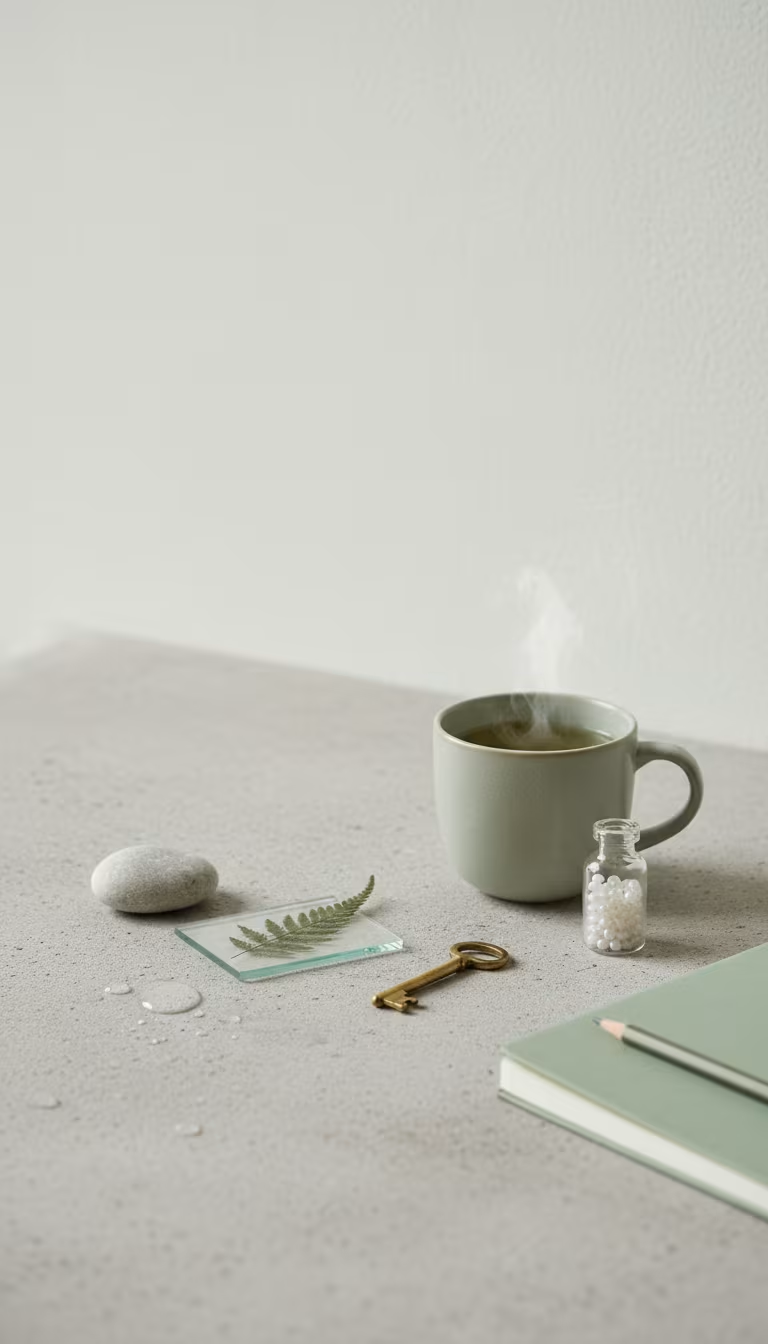
Warm light on a wall, a friendly text, the smell of coffee, a pet's weight against your feet: these are the kind of small cues that tell the nervous system "this is safe enough" before it ever has to shout. Learning to notice them on purpose is the whole practice behind glimmers. It is not a diagnosis or a cure-all. The word comes from trauma-informed and polyvagal circles, but the everyday habit overlaps with older work on mindfulness, savoring, and positive emotion.
What a Glimmer Is
A glimmer is a small moment that signals safety, ease, connection, or simple pleasure. It is deliberately ordinary, which is what makes it repeatable on a hard day. Deb Dana, who popularized the term, describes glimmers as micro-moments of regulation that support well-being; her glimmers page also stresses that they are personal. One person's comfort can be another person's stress cue, so nobody else can hand you your list.
That personal quality is the point. A glimmer is not something you should feel; it is something you actually notice your body soften around. Chasing a cue because it worked for someone else usually turns the practice into another task.
Why Small Moments Register
The nervous system does not only react to major events. All day it reads tiny inputs: tone of voice, lighting, clutter, hunger, posture, and whether a space feels welcoming. Because stress often accumulates through small negative cues, it makes sense that small positive cues can push in the other direction. Noticing a glimmer is a way of giving deliberate attention to evidence of safety that a stressed mind tends to skip past.
This lines up with the broaden-and-build idea from positive emotion research, which holds that pleasant states such as interest, contentment, and calm can widen attention and slowly build useful resources over time. A glimmer practice should never deny pain, though. It works best when both pleasant and hard feelings are allowed to exist, rather than using a nice moment to silence a difficult one.
Start With the Senses

The easiest doorway is through the senses. Look for glimmers in sight, sound, smell, taste, touch, and movement: a soft sweater, clean sheets, birdsong, mint toothpaste, sunlight across the floor, or the first cool sip of water. None of it has to impress anyone. The more unremarkable the cue, the easier it is to find again when you are tired.
Finding glimmers sits close to mindfulness, but it can be far lighter than a formal meditation session. You are not trying to empty your mind; you are letting the body register one good cue for a few breaths. The American Psychological Association notes that mindfulness meditation has research support for stress reduction and health in its overview of the practice, which is a useful bridge between the popular language and the clinical evidence.
Build a Glimmer Menu

A glimmer menu is a short list of reliable cues you already know work for you: a particular song, window light, a favorite mug, a texture, a walk route, a pet, a phrase, or a trusted person's voice. Keeping it written down matters, because in a stressed moment the mind rarely generates good options on its own.
Keep the menu short on purpose. Too many choices turn the practice into one more decision, while five familiar options are easy to reach for when you are depleted. If you want to learn what actually belongs on the list, write down three glimmers a day for a week without analyzing them at first, just recording what happened, where you were, and what your body did. The same honest format as Livecub's food journal guide works well for tracking mood and tiny moments of relief, not only meals.
Use Them During Stress
A glimmer is not a panic button, but it can soften stress when used early. The moment you notice your shoulders rising or your jaw tightening, pause and look for one cue of safety before the stress grows louder. Catching the shift early is far more effective than waiting until you are already overwhelmed and demanding that a single pleasant cue rescue you.
People who face performance pressure will recognize this early-intervention logic. Livecub's guides to stage fright and sports tryout nerves describe the same body-first approach, where you work with physical signals before they take over the moment. Pairing a glimmer with one slow breath and a longer exhale gives the nervous system time to actually stay with the cue instead of racing past it.
When Glimmers Are Hard to Find
Some days nothing feels good, and forcing delight only makes the practice hollow. On those days, aim lower: neutral counts. A room that is not loud, water that is not too cold, a chair that holds your weight, or one breath that is slightly easier than the last are all legitimate. The goal is honest noticing, not manufactured joy, and a day with one small glimmer and many hard moments is still a real day.
This matters most during grief, depression, exhaustion, or trauma recovery, when a demand to feel happy can make people feel worse. If numbness, hopelessness, panic, or trauma symptoms persist, professional support matters more than any self-guided technique. Glimmers can be a gentle skill, but they are not a substitute for care.
Build the Habit Into Existing Routines

A habit sticks when it attaches to something you already do. Tie glimmer-noticing to opening the curtains, feeding a pet, washing your hands, starting the car, making tea, or closing a laptop. After you notice the cue, stay with it for about ten slow seconds if that feels okay, which gives the body time to receive the signal rather than skimming over it.
Repetition in the same setting helps too. A chair, route, mug, or song can gather a sense of safety over time, not because the object holds any power, but because the nervous system learns through context and repetition. It also helps to name the body shift afterward: did your shoulders drop, your breath slow, your chest open? Naming that change teaches you what regulation actually feels like, which is valuable because many people only notice the body when something is wrong.
Low-Energy and Shared Glimmers
On depressed or exhausted days, glimmers may need to be almost effortless. Reach for warmth, clean water, a dim lamp, a familiar show, or simply sitting near a window. Do not demand delight from a tired body; neutral relief is a real result, and asking for more can turn a small kindness into one more thing you failed at. The whole point is to lower the bar until noticing is possible again.
Some glimmers grow when they are shared. Sending a photo to a friend, naming a funny moment out loud, or telling someone their message helped can amplify the cue rather than dilute it. Choose safe people for this, though. If someone mocks the practice, keep it private and protect the cue from becoming another source of stress. A private photo folder of glimmers, such as pets, places, colors, or small wins, can help on hard days as long as it stays a memory aid and does not turn into another feed to perform for.
Glimmers, Triggers, and Trauma
Triggers and glimmers are close cousins. Triggers warn the body about threat; glimmers point toward safety. Both can be small, fast, and sensory, which is why they often arrive before words. Understanding this lets you add glimmers without pretending a trigger disappeared. The aim is more choice, not denial. After a hard conversation, for instance, a glimmer such as washing your hands, stepping outside, or touching something textured can help the body return to the present so that repair becomes more possible.
After trauma, safety cues can feel suspicious or out of reach, and pleasant feelings may even bring grief or distrust. Start with neutral cues and move slowly. A therapist can help if the practice brings flashbacks, shutdown, panic, or shame, because gentle does not mean unsupported. Social glimmers deserve the same care: a smile, a shared joke, or someone remembering a small detail can tell the body that connection is possible, but choose safe people. If speaking becomes hard under pressure, the need for safety may be louder than the need for perfect words, a dynamic Livecub explores in its look at selective mutism.
Frequently Asked Questions
Are glimmers scientifically proven?
The exact term is not a diagnosis, but it overlaps with research on positive emotion, mindfulness, savoring, and nervous system regulation.
What is the difference between a glimmer and gratitude?
Gratitude usually involves appreciating something. A glimmer is more body-based: a cue that brings a small felt sense of safety, ease, or connection.
Can glimmers help with anxiety?
They may help some people notice safety cues earlier, but anxiety disorders can also need therapy, medication, or other professional support.
How many glimmers should I find each day?
Start with one to three. It is not a quota; the aim is building the habit of noticing small signals a stressed mind tends to overlook.
What if a glimmer stops working?
That is normal. Nervous systems change with stress, sleep, grief, and context, so keep a flexible menu and retire cues that no longer help.
This article is for general information only and is not medical or mental health advice. If distress or trauma symptoms persist, contact a qualified professional or emergency services.

Timothy Davidson
Edits step-by-step general-interest guides for clarity, realistic limits and source verification.




Leave a reply
Replying to