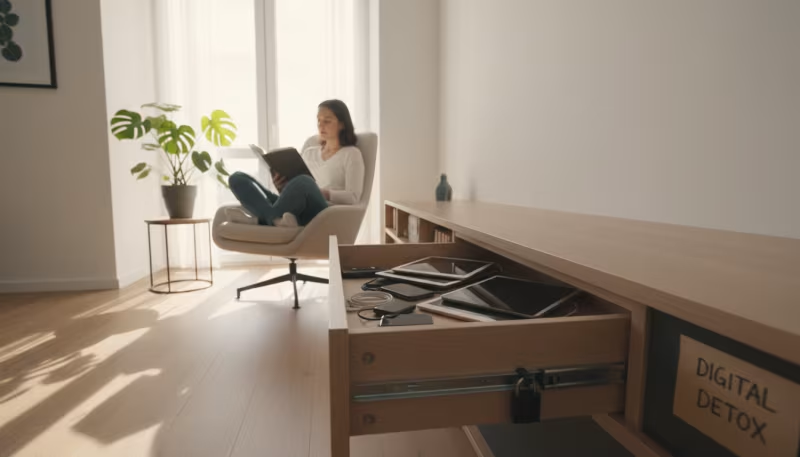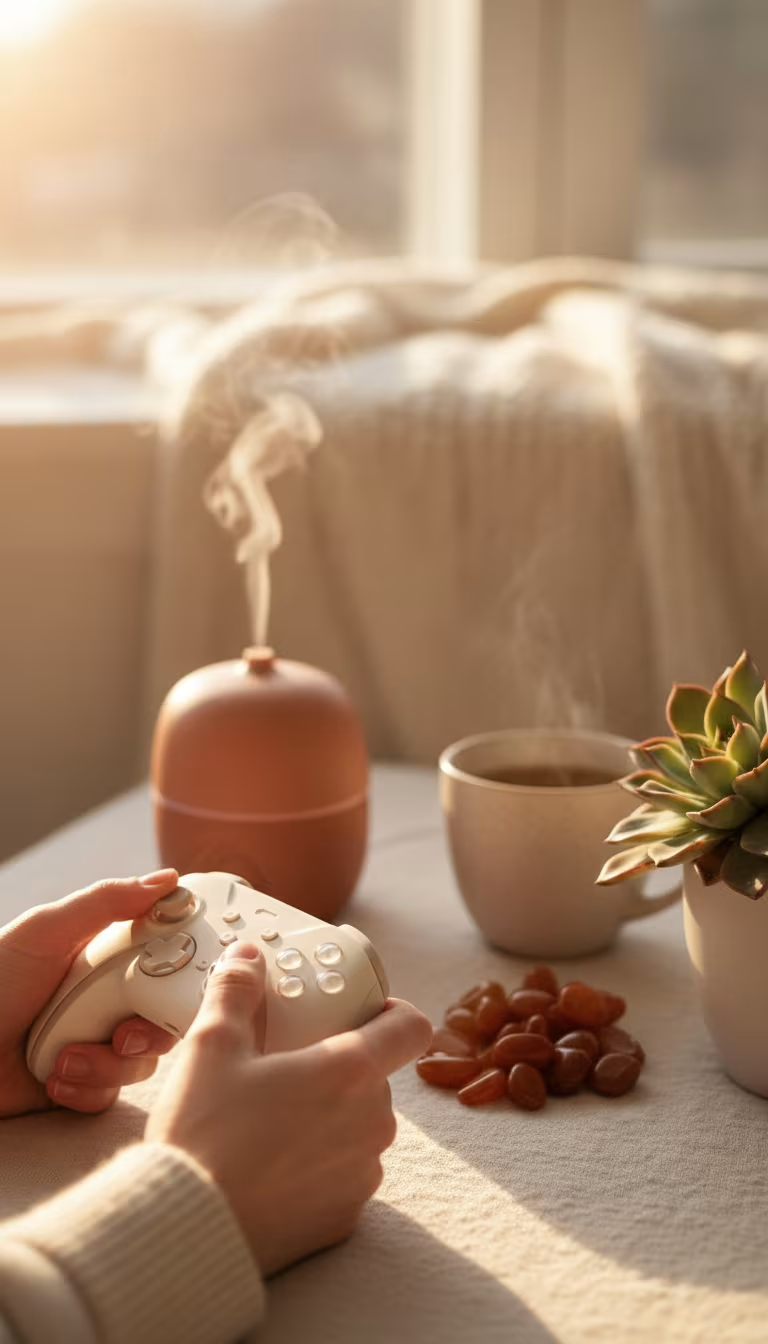
Why Gaming for Wellness is Becoming a Recognized Stress Relief Tool
Ever felt that familiar knot in your stomach after a long, draining day? Or maybe your brain just won't switch off, replaying every minor annoyance? We've all been there, searching for that perfect escape, a way to truly unwind and hit the reset button. For years, things like meditation, yoga, or a good book were the go-to remedies, and they're still fantastic, don't get me wrong. But what if I told you that the answer for some of us might be found in a place many people still consider "just a hobby" – video games? It might sound a little unconventional to some, but trust me, there's a real shift happening, and it's backed by some fascinating reasons.I know what you might be thinking: "Video games? For stress relief? Aren't they just for kids, or worse, a source of *more* stress?" And hey, that's a fair question, especially if your only experience is with high-octane competitive shooters.
But the world of gaming is incredibly vast and diverse, much like the world of books or movies. There's a whole universe of experiences waiting, designed to soothe, challenge in a healthy way, or simply transport you somewhere else entirely. It’s not just about flashy graphics or intense action anymore; it’s about connection, creativity, and a quiet sense of accomplishment.
Why This Matters
Let's be real, modern life can feel like a relentless conveyor belt of demands. Between work deadlines, family responsibilities, social pressures, and the constant hum of digital notifications, it's easy to feel overwhelmed. Stress isn't just an emotional state; it takes a physical toll on our bodies, affecting everything from our sleep and digestion to our immune system. Finding healthy, accessible, and enjoyable ways to manage that stress isn't just a nice-to-have; it's absolutely essential for our overall well-being.For a long time, gaming carried a bit of a stigma, often associated with isolation or even addiction. And while, like any activity, it *can* be taken to unhealthy extremes, that narrative largely overlooks the immense positive potential it holds. What we’re seeing now is a growing recognition from mental health professionals and researchers that specific types of gaming experiences can genuinely contribute to positive mental states.
They can foster relaxation, build resilience, and even improve cognitive functions, which is pretty amazing when you think about it.
I’ve personally seen friends and even my own family members discover this side of gaming. My sister, who never considered herself a "gamer," found immense comfort and a sense of calm playing Stardew Valley after a particularly tough period at work. She'd spend evenings tending her virtual farm, and it was like watching her visibly de-stress.
It really opened my eyes to how powerful this tool can be, not just for traditional gamers, but for anyone seeking a mindful escape. It’s not about escaping reality entirely, but rather finding a temporary, constructive space to recharge before re-engaging with it.
The Science of Play: How Gaming Calms Our Minds
It might sound counterintuitive to some, but there's a solid scientific basis for why gaming can be so good for stress relief. One of the biggest players here is the concept of "flow state." Have you ever been so engrossed in an activity that time just melts away? That's flow. When you're in flow, your brain is fully engaged in a task that's challenging enough to be interesting but not so hard that it's frustrating. This state naturally reduces self-consciousness and pushes anxious thoughts to the background. Many games are expertly designed to guide players into this very state, offering just the right balance of challenge and reward.Beyond flow, gaming can provide a powerful dose of cognitive distraction. When your mind is racing with worries, sometimes you just need to interrupt that loop. A captivating game can do exactly that, pulling your focus away from real-world stressors and directing it towards a solvable problem or an engaging narrative.
It's not about ignoring your problems indefinitely, but about giving your brain a much-needed break from rumination, allowing it to return to those challenges with a fresher perspective and less emotional charge.
What's more, many games offer a sense of agency and accomplishment that can be incredibly therapeutic. In our daily lives, we often face situations where we feel a lack of control, which is a major driver of stress. In a game, you're typically presented with clear goals and the means to achieve them.
Completing a quest, solving a puzzle, or building something from scratch gives you immediate feedback and a tangible sense of mastery. This feeling of competence can boost your mood and self-esteem, which are excellent antidotes to stress and anxiety.
Finding Your Flow: Practical Tips for Mindful Gaming
- Choose Games Deliberately: Don't just pick up any game. Research titles known for relaxation, puzzles, or engaging stories. Think about what kind of experience you need right now.
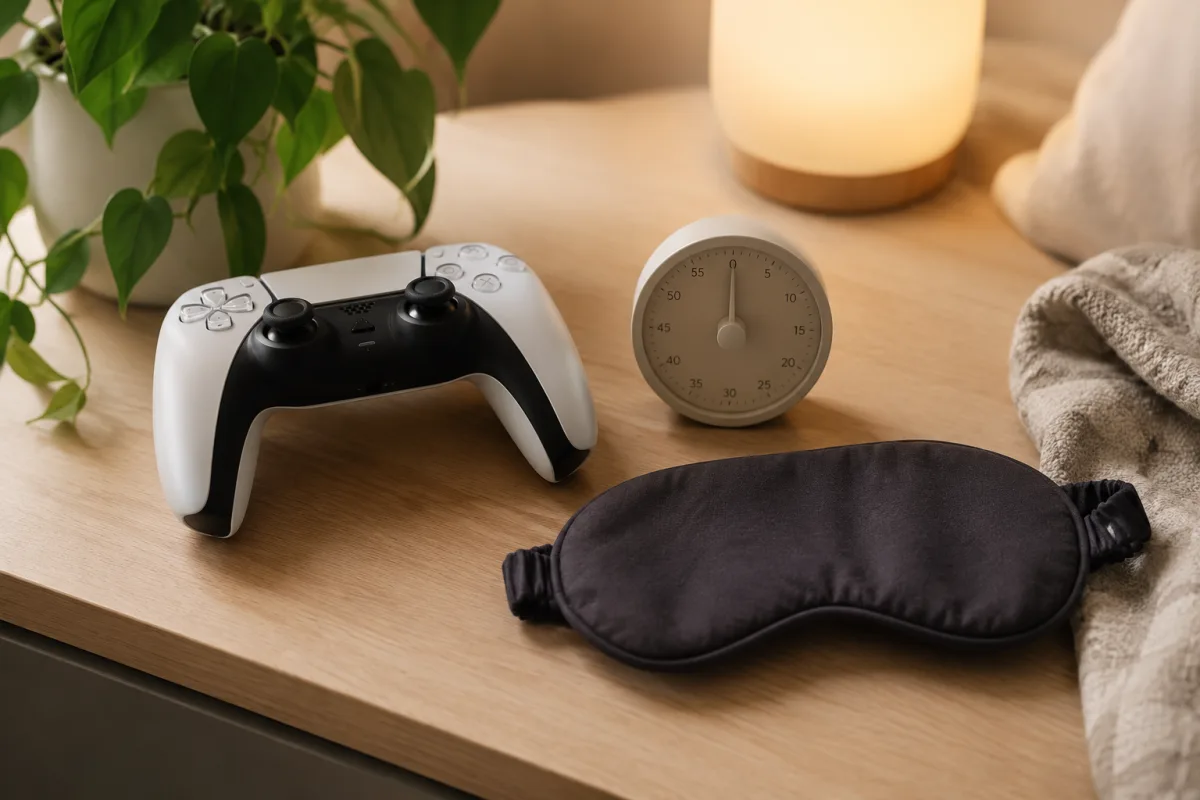
- Set a Timer: Decide beforehand how long you’ll play. A 30-60 minute session can be plenty to find your flow without overdoing it.
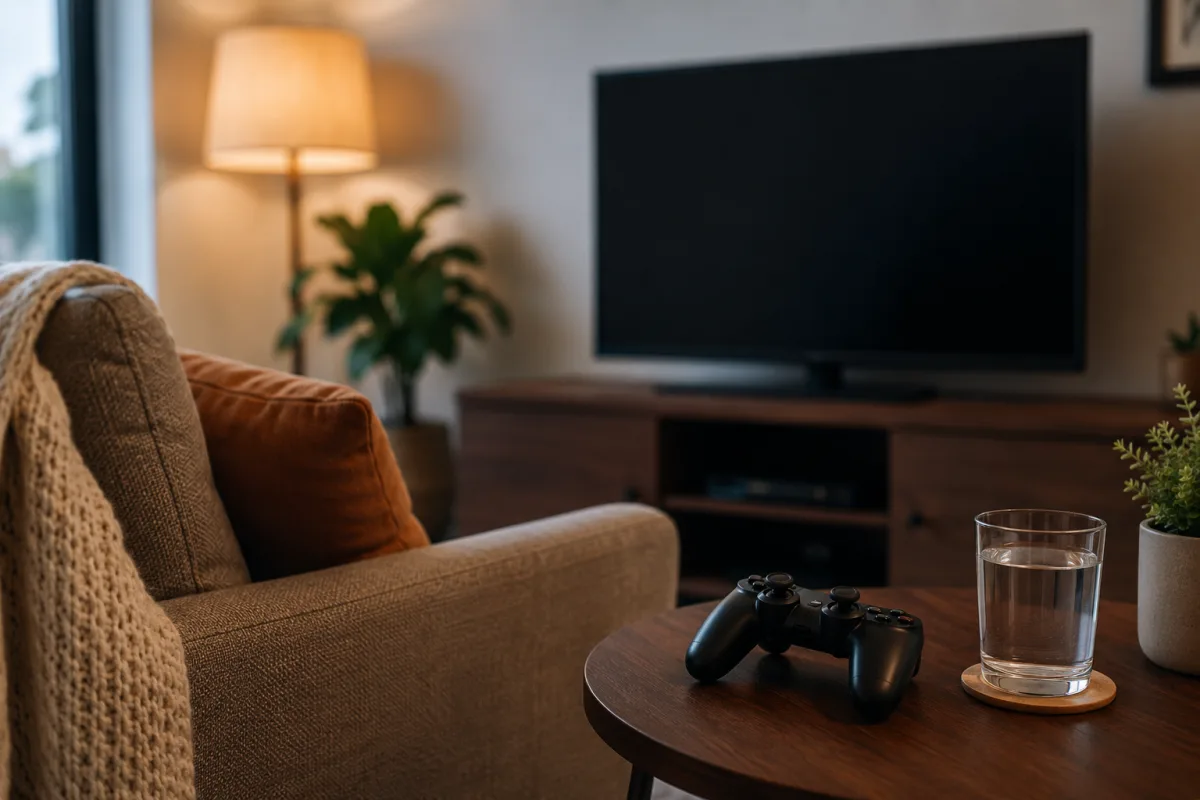
- Create a Relaxing Environment: Dim the lights, put on some comfortable headphones, and make sure you won't be interrupted. Treat it like a mini-retreat.
- Focus on the Experience, Not Just the Win: Remind yourself that the goal is relaxation and enjoyment, not necessarily perfect scores or beating everyone else.
Connecting and Coping: The Social Side of Gaming Wellness
While some portray gaming as an isolating activity, it's increasingly becoming a powerful tool for social connection, which is a significant factor in mental wellness. Think about it: loneliness and social isolation are huge contributors to stress and depression. Online multiplayer games, especially cooperative ones, provide opportunities to interact with friends, family, or even strangers from around the world. These interactions can range from casual chats while exploring a virtual world to intense strategizing sessions that build camaraderie.I've personally found this to be one of the most unexpected benefits. During periods when I've felt disconnected, jumping into an online game with friends has been a lifeline. It’s a low-pressure way to hang out, share laughs, and feel part of a community without the logistical hurdles of meeting up in person.
Whether it's building a virtual house together in a crafting game or tackling challenges as a team in an adventure title, these shared experiences foster a sense of belonging that's deeply comforting.
Beyond established friendships, gaming communities can also offer support networks. There are countless forums, Discord servers, and in-game guilds centered around specific games, where people connect over shared interests. In these spaces, individuals can discuss strategies, share personal stories, and even find empathy for real-world struggles, all within a context that feels safe and inclusive.
This kind of social interaction can reduce feelings of isolation and provide emotional support, which are vital for managing stress.
Building Bridges: Tips for Social Gaming for Wellness
* Play with Friends: Coordinate game times with your buddies. Even a short session can be a great way to catch up and unwind together. * Join a Friendly Community: Seek out online communities or guilds known for their positive and supportive atmosphere, not just competitive play. * Cooperative Over Competitive: Look for games that emphasize teamwork and shared goals rather than direct player-versus-player competition, especially when you’re trying to de-stress. * Use Voice Chat Mindfully: While voice chat can enhance connection, don’t feel pressured if you prefer text chat or just listening. Focus on what makes you feel comfortable and engaged. * Celebrate Small Victories Together: Acknowledge and cheer on your teammates' achievements. That shared positive reinforcement boosts everyone's mood.Beyond Entertainment: Cognitive Benefits and Skill Building
Gaming isn't just about relaxation and connection; it's also a surprisingly effective way to sharpen your mind and develop valuable skills. Many games inherently require problem-solving, strategic thinking, and quick decision-making. Think about puzzle games that challenge your logic, or strategy games where you need to plan several steps ahead. Engaging with these types of mental challenges can be incredibly stimulating and can even act as a form of "brain training," keeping your cognitive functions agile.In my own experience, playing certain puzzle-based adventure games has definitely improved my ability to think critically under pressure. It's like a mental workout that doesn't feel like work at all. You’re presented with a complex situation, and you have to analyze information, test hypotheses, and adapt your approach until you find a solution.
This kind of active engagement can actually enhance your focus and problem-solving skills, which can then spill over into your real-world challenges, helping you feel more capable and less stressed when faced with complex decisions.
Furthermore, many games improve hand-eye coordination, reaction time, and spatial reasoning. Even games that seem purely recreational often require a degree of precision and motor skill. Take rhythm games, for example, which demand excellent timing and quick reflexes.
Or consider open-world games where you navigate complex environments and remember landmarks. These subtle cognitive demands are constantly working your brain in positive ways, without you even realizing it, contributing to a feeling of mental agility and competence.
Level Up Your Brain: Specific Gaming Genres for Cognitive Boosts
Puzzle Games (e.g., Portal, Tetris, Sudoku apps)
These games are fantastic for logical reasoning, spatial awareness, and pattern recognition. They train your brain to approach problems from different angles and can provide a satisfying sense of accomplishment when you crack a tough one.
Strategy Games (e.g., Civilization, Chess, Real-Time Strategy titles)
Strategy games demand long-term planning, resource management, and foresight. They teach you to think critically, anticipate outcomes, and adapt to changing circumstances, all while engaging your brain in a deep, analytical way.
Role-Playing Games (RPGs) (e.g., The Witcher, Elder Scrolls, Final Fantasy)
RPGs often feature complex narratives, character development, and moral choices. They can enhance empathy, decision-making skills, and immerse you in rich storytelling that sparks creativity and imagination.
Rhythm/Music Games (e.g., Beat Saber, Guitar Hero, Dance Dance Revolution)
These games are excellent for improving reaction time, hand-eye coordination, and timing. They provide a fun and active way to engage both your body and mind, often leading to a sense of joyful movement and accomplishment.
Common Mistakes to Avoid When Using Gaming for Wellness
While gaming can be a fantastic tool for wellness, it’s not without its pitfalls if approached incorrectly. One of the biggest mistakes people make is treating gaming as a complete escape from responsibilities rather than a healthy form of self-care. It’s important to remember that gaming should supplement your life, not replace it. If you’re constantly choosing games over essential tasks like work, exercise, or spending time with loved ones, then it’s probably doing more harm than good for your overall well-being.Another common misstep is falling into the trap of overly competitive gaming when your goal is stress relief. Highly competitive games, especially those with toxic communities, can actually *increase* stress and anxiety rather than alleviate it. If you find yourself yelling at the screen, feeling frustrated, or experiencing "gamer rage," then that particular game or play style isn't serving your wellness goals.
The point is to unwind, not to invite more tension into your life.
Lastly, neglecting physical well-being while gaming is a big no-no. It’s easy to get lost in a game for hours, slouching in a chair, eyes glued to a screen. This can lead to eye strain, neck and back pain, and a sedentary lifestyle, which ultimately contribute to more stress and poorer health.
Remember, even the most relaxing game can't replace fresh air, movement, and proper posture. You’re aiming for balance, not trading one unhealthy habit for another.
Expert Tips for Integrating Gaming into Your Wellness Routine
For those of us who are really serious about harnessing gaming's power for wellness, here are some slightly more advanced tips I've picked up over the years. These aren't just about playing games, but about integrating them mindfully into a holistic self-care strategy. It’s about being intentional with your playtime and maximizing its positive impact.Conscious Game Selection
Don't just play what's popular or what everyone else is playing. Take a moment to reflect on your current emotional state and what kind of mental break you actually need. Are you feeling overwhelmed and need a simple, repetitive task?
A cozy farming simulator might be perfect. Are you feeling mentally sluggish and need a jolt of problem-solving? A challenging puzzle game could hit the spot.
Tailoring your game choice to your specific wellness need makes a huge difference in the outcome.
The 20-20-20 Rule for Eye Health
This is a classic for screen users, but it's especially important for gamers. Every 20 minutes, look at something 20 feet away for at least 20 seconds. This simple practice helps prevent eye strain and fatigue, keeping your eyes feeling fresh so you can enjoy your game (and the rest of your day) without discomfort. Set a silent alarm on your phone if you tend to lose track of time.
Incorporate Movement Breaks
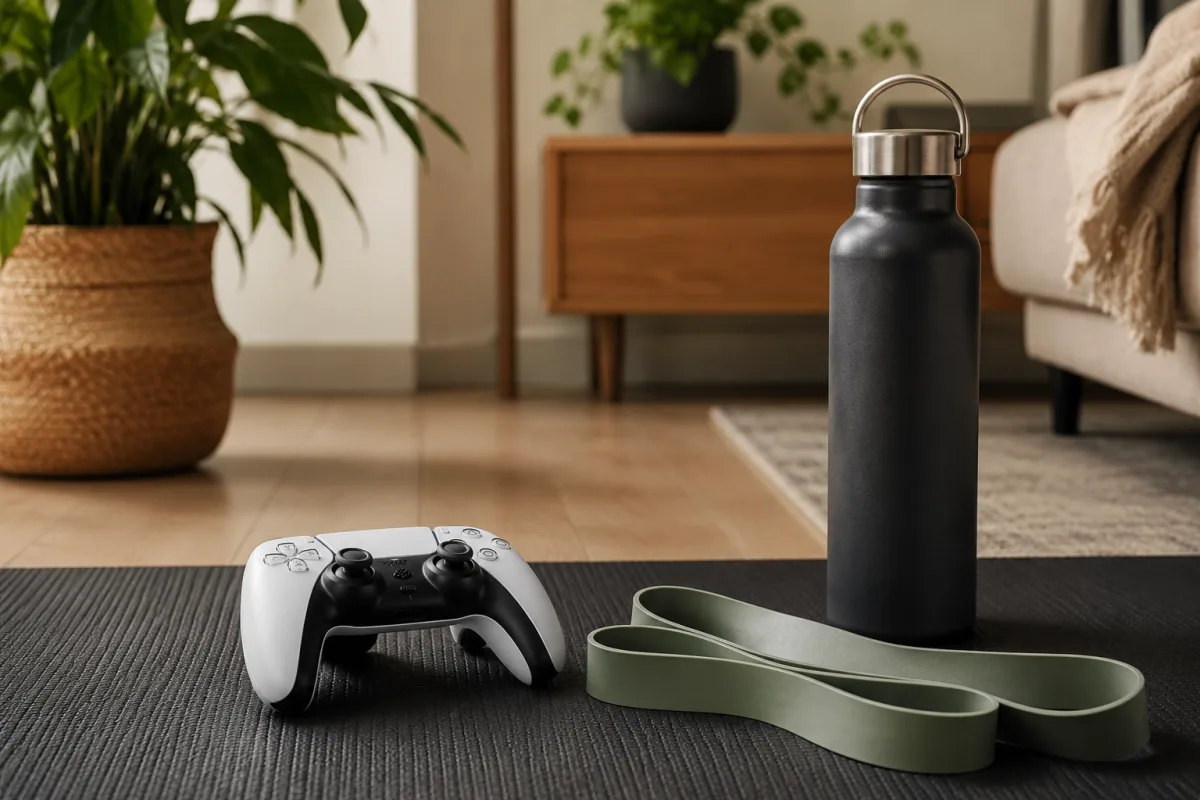
Even if you're engrossed in an epic quest, your body still needs to move. After an hour or two of gaming, stand up, stretch, walk around the room, or do a few quick exercises. This isn't just about preventing stiffness; it gets your blood flowing, re-energizes your brain, and helps to break the sedentary pattern. Think of it as a mini-recharge for your physical self.
Journal Your Gaming Experience
This might sound a little extra, but bear with me. After a gaming session, take a minute to jot down how it made you feel. Did it relieve your stress?
Did you feel a sense of accomplishment? Were there any frustrations? This simple act of reflection helps you understand which games and play styles are truly beneficial for your well-being and which ones you might want to adjust or avoid in the future.
It turns passive entertainment into an active learning experience for your self-care journey.
Utilize Gaming for Mindfulness
Believe it or not, some games can be a form of active meditation. Games like "Journey," "Flower," or even walking simulators can encourage slow, deliberate exploration and focus on sensory details. Pay attention to the colors, sounds, and textures in the game.
This can train your mind to be present and observant, much like traditional mindfulness practices, but within an interactive and engaging context.
Balance Solo and Social Play
Recognize that both solo and social gaming offer different kinds of wellness benefits. Sometimes you need quiet, focused "me time" to recharge your internal batteries. Other times, you need the camaraderie and connection that comes from playing with friends.
Be conscious of what your emotional needs are on a given day and choose your gaming experience accordingly. It’s about having a diverse toolkit for different situations.
Final Thoughts
So, there you have it. Gaming for wellness isn't just a niche idea anymore; it's a legitimate, research-backed strategy for managing stress and enhancing mental well-being. It’s about understanding that play, in all its forms, is essential for a balanced life. And for many of us, the interactive, immersive worlds of video games offer a unique and powerful path to relaxation, connection, and cognitive growth. It's not about escaping reality forever, but about building a stronger, more resilient you, one virtual adventure at a time.My hope is that you'll feel empowered to explore this idea, even if you’ve never considered yourself a "gamer." Start small, pick a cozy game, set some boundaries, and see how it feels. You might just discover a wonderfully unexpected ally in your personal journey toward a calmer, more joyful life. What do you have to lose? Maybe just a little bit of stress. And who wouldn’t want that?
Save for later
Found this helpful?
Pin this article to your Pinterest board and come back to it whenever you need a reminder.
Save to Pinterest