Press Enter to search or ESC to close
Health

The Role of Pet Ownership in Reducing Daily Cortisol Levels

Cashie Evans
· · Updated Feb 17, 2026 · 13 min read

The Role of Pet Ownership in Reducing Daily Cortisol Levels

Ever feel that knot in your stomach, the one that tightens a little more with every email alert, every traffic jam, every looming deadline? You know, that relentless buzz of everyday stress that just won't quit? I've been there so many times, wondering if there was any real escape from the constant pressure of modern life. It's like we're all walking around with an invisible stress meter, and most days, it feels like it's perpetually in the red. What if I told you that the secret to turning down that volume, to softening that internal tension, might be wagging its tail or purring contentedly right next to you? For many of us, our furry, feathered, or even scaled companions aren't just pets; they're bona fide stress-busters. They offer a unique kind of comfort and connection that can literally change our body chemistry.

Why This Matters

Here’s the thing: that "knot in your stomach" feeling isn't just in your head. It’s a very real physiological response, often linked to the release of cortisol, our body's primary stress hormone. A little cortisol is perfectly normal and even helpful – it’s what gives you that burst of energy to tackle a challenge or react quickly to danger. But consistent, high levels of cortisol? That’s where we run into trouble. Chronic high cortisol can wreak havoc on your well-being. We’re talking about everything from disrupted sleep and stubborn weight gain (especially around the midsection) to a weakened immune system that leaves you vulnerable to every bug going around. It can also mess with your mood, making you feel irritable, anxious, or just plain drained. In my experience, it’s like living life on high alert, and it's simply exhausting. So, if something as simple and joyful as having a pet can help us bring those cortisol levels down to a healthier, more manageable baseline, shouldn't we be exploring that? It’s not just about feeling better in the moment; it’s about protecting your long-term health and enhancing your overall quality of life. Understanding this connection is the first step toward harnessing the power of your pet for a calmer, happier you.

The Science Behind the Cuddles: A Deeper Look

It’s not just anecdotal — there’s some pretty cool science behind why spending time with our pets makes us feel so good. When you stroke your cat, play fetch with your dog, or even just watch your fish swim peacefully, your brain starts doing some amazing things. It’s like a little internal pharmacy kicks into gear, releasing a cocktail of feel-good hormones that actively counteract the effects of stress. One of the big players here is oxytocin, often called the "love hormone" or "cuddle hormone." This is the same hormone that's released during bonding between mothers and babies, and it plays a huge role in social bonding and feelings of attachment. When you interact positively with your pet, your oxytocin levels go up, and guess what? Oxytocin is known to directly inhibit the release of cortisol. It literally tells your stress response to take a chill pill. Beyond oxytocin, studies have shown that pet interaction can lower your blood pressure, slow your heart rate, and even relax muscle tension. These are all direct physiological markers of stress reduction. It’s a biological feedback loop: your pet gives you love, you feel calm, your body responds by turning down the stress signals. This isn't just about a temporary mood boost; it's about shifting your body into a more relaxed state, which has cumulative benefits over time.

Simple Interactions, Powerful Results

You don't need to do anything elaborate to reap the stress-reducing benefits of your pet. Often, the simplest moments are the most powerful. It's about being present and allowing yourself to connect with their innocent joy and unconditional affection.

Mindful Petting:

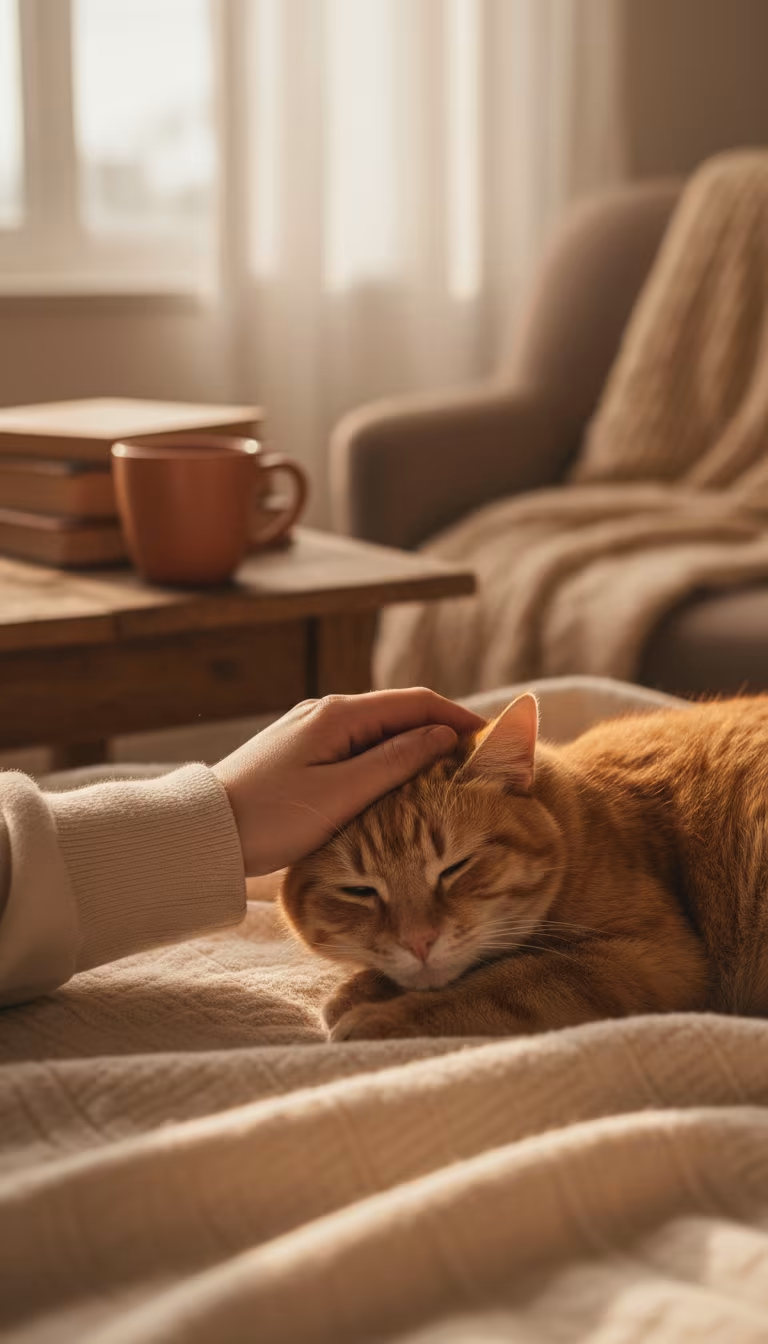
Take five minutes to gently stroke your pet, paying attention to the texture of their fur and their rhythmic breathing. Feel the warmth of their body against your hand. This simple act can be incredibly grounding and meditative.

Engage in Play Sessions:

Whether it's chasing a laser pointer with your cat or throwing a ball for your dog, active play is a fantastic way to break free from stressful thoughts. It encourages laughter, light exercise, and focused interaction, all of which reduce tension.

Share Quiet Moments:

Sometimes, just having your pet nearby, perhaps curled up on your lap while you read or resting at your feet while you work, can provide a steady sense of calm. Their presence is a comforting anchor, a reminder of simplicity and unconditional acceptance.

The Gift of Routine and Responsibility

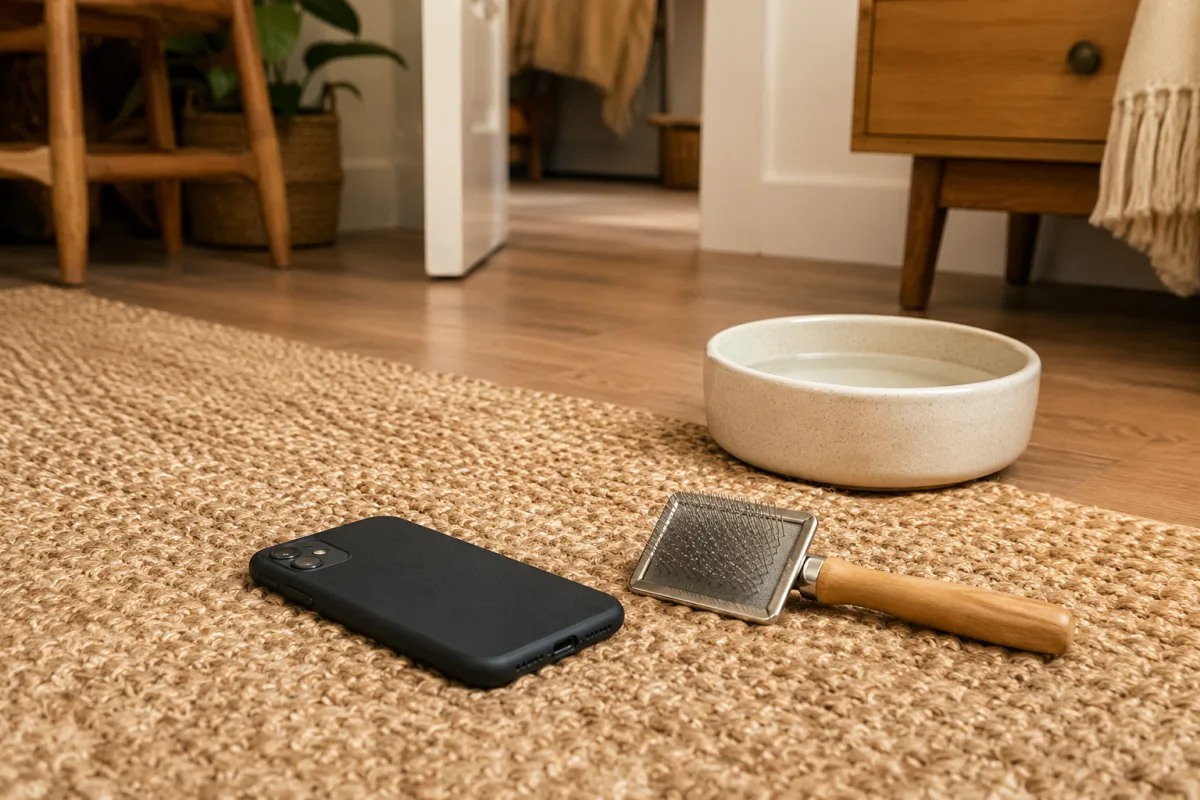
Living with a pet isn’t just about the cuddles and cute moments; it also comes with a built-in structure. And let me tell you, in a world that often feels chaotic and unpredictable, having a solid routine can be a huge stress mitigator. Our pets thrive on predictability, and by providing that for them, we inadvertently create more stability for ourselves. Think about it: that morning walk with your dog isn't just exercise for them; it's a guaranteed block of time for *you* to step away from your inbox, breathe fresh air, and move your body. Those moments become non-negotiable breaks in your day, forced pauses that disrupt the cycle of constant stress and overwhelm. I know for me, my dog’s insistence on his morning stroll, rain or shine, has been a lifesaver for ensuring I actually get outside before my day totally spirals. Beyond routine, there’s the beautiful burden of responsibility. Knowing that another living creature depends on you for their well-being can be incredibly empowering and a wonderful distraction from self-focused worries. It gives your day purpose beyond your own immediate needs and challenges. When you're busy caring for your pet – feeding them, grooming them, training them – your mind has less bandwidth to ruminate on stressful thoughts. This shift in focus, even for short periods, can provide much-needed mental relief.

Building Stress-Busting Routines with Your Pet

Integrating your pet into your daily and weekly routines can transform ordinary tasks into powerful stress-reduction opportunities. It’s about leveraging their natural needs to support your own well-being.

Scheduled Outdoor Adventures

Make walks or outdoor playtime a consistent part of your day. Even a 20-minute stroll around the block can do wonders for both your physical and mental health. The fresh air, natural light, and gentle exercise are excellent antidotes to stress, and your dog will love you for it.

If you have a cat, consider harness training for supervised outdoor time or setting up a "catio" to give them safe access to the outdoors. Just watching them explore can be incredibly calming.

Mindful Feeding Times

Turn mealtime into a moment of connection. Instead of rushing, take a few minutes to engage with your pet as they eat. Talk to them, pet them, and observe their contentment. This simple act reinforces your bond and encourages you to slow down and appreciate a basic act of care.

Dedicated Play & Training Slots

Block out specific times each day for interactive play or a short training session. This structured engagement prevents boredom for your pet and ensures you get those valuable bonding moments. It's a fantastic way to redirect mental energy from stressors to positive interaction.

Even ten minutes of focused play can significantly reduce your perceived stress levels. It’s a mini-mental vacation, a delightful break in the middle of a busy day.

Unconditional Love and Social Support

Perhaps one of the most profound ways pets help us manage stress is through the sheer power of unconditional love and unparalleled companionship. In a world where relationships can sometimes feel complex and conditional, the love we receive from our pets is refreshingly straightforward. They don't care if you had a bad hair day, messed up at work, or forgot to respond to that text message. They just love you, period. This non-judgmental acceptance is a balm for the soul. It fosters a deep sense of security and belonging, which are fundamental to emotional well-being and stress resilience. When you feel understood and loved, even by a furry friend, it buffers against feelings of loneliness and isolation, which are major contributors to chronic stress and anxiety. I've found that on my toughest days, just having my dog rest his head on my lap can make me feel less alone and more capable of facing whatever comes next. Beyond direct companionship, pets can also be wonderful catalysts for human social interaction. Think about how many conversations start at the dog park, or how a friendly cat peering out a window can spark a chat with a neighbor. These casual interactions, even brief ones, contribute to our social fabric and can provide a sense of community, further reducing feelings of isolation. Your pet isn't just a friend to you; they can be a bridge to other people, too.

Harnessing Your Pet's Unique Support System

Understanding how your pet provides emotional support can help you lean into those benefits more intentionally. It's about recognizing the multifaceted ways they contribute to your mental landscape.

The Listening Ear (or Paw)

Talk to your pet. Seriously! While they might not understand your words, they absolutely understand your tone and emotions. Venting your frustrations or sharing your joys with an attentive, non-judgmental listener (even if it's a fluffy one) can be incredibly therapeutic. It's a safe space to process your thoughts and feelings without fear of criticism.

Companionship Against Loneliness

Actively seek out your pet's company when you feel lonely or down. Curl up on the couch together, invite them onto your bed, or simply have them in the same room as you. Their comforting presence can significantly reduce feelings of isolation and remind you that you're never truly alone.

Social Bridge Building

Use your pet as a reason to connect with others. Take your dog to dog-friendly cafes, parks, or community events. Join online pet communities. These interactions can lead to new friendships and broaden your support network, providing both human and animal connections that benefit your overall well-being.

A simple smile or conversation sparked by your pet can lighten your mood and make you feel more connected to the world around you, chipping away at those stress-inducing isolated feelings.

Common Mistakes to Avoid

While pet ownership offers incredible benefits for stress reduction, it’s not a magic bullet, and there are certainly pitfalls to be aware of. Rushing into pet ownership without proper consideration or misunderstanding your pet's needs can actually *add* stress, which is the exact opposite of what we're aiming for. One big mistake is expecting your pet to solve all your problems. Your furry friend can support you, comfort you, and help manage stress, but they can’t be a substitute for addressing core issues like therapy, healthy coping mechanisms, or necessary lifestyle changes. It’s unfair to put that kind of pressure on an animal, and it will leave you feeling disappointed. Another common pitfall is neglecting your pet’s needs. A stressed, neglected, or unwell pet will ironically increase *your* stress. This includes not providing adequate exercise, proper nutrition, regular vet care, or mental stimulation. A happy, healthy pet is a better stress-reducer, and ensuring their well-being is part of the responsibility. Don't fall into the trap of thinking a pet is a decorative item or a one-way emotional ATM. Finally, choosing the wrong pet for your lifestyle can lead to significant stress. A high-energy dog in a tiny apartment with owners who prefer quiet evenings might lead to frustration for everyone involved. Research breeds, understand their typical temperaments and needs, and be honest about your capacity and lifestyle before bringing a new companion home. Matching your pet to your life is key to a harmonious, stress-reducing relationship.

Expert Tips for Maximizing Pet-Induced Calm

If you're already a pet owner, or you're considering becoming one, there are ways to really amplify the stress-reducing power of your animal companion. These aren't just about general pet care; they're about intentionally integrating your pet into your wellness routine. First off, consider mindful interaction. Don't just pet your dog while scrolling through your phone. Instead, dedicate specific time to fully engage with them. Make eye contact, pay attention to their responses, and be present in the moment. This deepens your bond and allows both of you to fully experience the calming effects of connection. It’s like a mini-meditation session for both of you. Next, think about integrating your pet into your self-care rituals. If you practice yoga, let your cat stretch alongside you. If you enjoy quiet reading, have your dog curl up at your feet. For me, my evening wind-down routine often involves a final snuggle session with my pup before bed, which helps signal to my brain that it's time to relax and promotes better sleep. Their presence can make these moments feel even more restorative. Lastly, and this is an important one: learn to recognize and respond to your pet's stress signals. Just like us, pets can get stressed or anxious, and an unhappy pet can inadvertently increase your own stress. Pay attention to changes in their behavior – excessive barking, hiding, destructive chewing, or changes in eating habits. Addressing their needs promptly, whether it's through more exercise, a vet visit, or positive reinforcement training, ensures a happier pet and a calmer household for everyone. It's a two-way street; caring for them is caring for yourself.

Final Thoughts

So, whether you’re a long-time pet parent or someone just starting to consider bringing a furry friend into your life, I hope this helps you see just how powerful these relationships can be. Our pets offer more than just companionship; they provide a built-in mechanism for de-stressing, a constant source of unconditional love, and a gentle reminder to slow down and enjoy the simple things. They encourage us to move, to connect, and to feel deeply, all of which are essential for keeping those pesky cortisol levels in check. It's not about escaping life's challenges, but about building resilience and finding pockets of peace amidst the storm. What a gift, right? So go ahead, give your pet an extra scratch behind the ears, throw that ball one more time, or just enjoy a quiet moment with them. Your mind and body will thank you for it.
The Role of Pet Ownership in Reducing Daily Cortisol Levels

Save for later

Found this helpful?

Pin this article to your Pinterest board and come back to it whenever you need a reminder.

Save to Pinterest
Written by

Cashie Evans

Cashie is a freelance writer covering a variety of topics, including parenting, tips and tricks. She took her love of writing to the Web. Cashie attended Louisiana State University and received her bachelor’s degree in 2009.

More posts
Cashie Evans

Responses (0)

0%