

The Top 10 Reasons to Buy Travel Insurance are not the same for every trip. A weekend road trip, a cruise, a backpacking route, and an overseas family visit carry different risks.
Travel insurance is worth considering when the money at risk, medical exposure, itinerary complexity, or destination uncertainty would hurt more than the policy cost.
1. Prepaid Trip Costs
Flights, tours, cruises, rentals, and hotel deposits can be partly or fully nonrefundable. Trip cancellation coverage may reimburse covered prepaid costs if the reason fits the policy.
NAIC explains that trip cancellation, interruption, and delay coverage can pay back prepaid costs for covered reasons such as illness, severe weather, or certain travel disruptions: NAIC travel insurance overview.
2. Trip Interruption
Cancellation happens before you leave. Interruption happens after the trip starts. That matters if a covered illness, family emergency, or destination problem sends you home early.
Read how the policy handles unused trip costs and extra transportation. The details matter more than the name of the plan.
3. Medical Care Abroad

Many travelers assume health insurance follows them everywhere. It may not, and Medicare coverage outside the United States is limited in many situations.
The U.S. State Department advises travelers to check insurance before leaving and discusses travel health and medical evacuation coverage: State Department travel insurance guidance.
4. Medical Evacuation

A serious injury in a remote area can require transport to a better hospital or even another country. Evacuation costs can be far beyond ordinary vacation expenses.
CDC says travelers going to remote destinations or places where care may not meet U.S. standards should consider medical evacuation insurance: CDC travel insurance guidance.
5. Travel Delays
Weather, mechanical issues, strikes, missed connections, and schedule changes can create meals, lodging, and transport costs. Delay coverage may help if the delay meets policy rules.
Look for the waiting period, daily limits, required receipts, and covered reasons. A delay benefit is not a blank check.
6. Baggage Loss Or Delay
A lost bag can be annoying on a beach trip and serious on a work, wedding, hiking, or medication-dependent trip. Baggage coverage may reimburse covered items within limits.
Check exclusions for electronics, jewelry, cash, sports gear, and unattended bags. Some expensive items need separate coverage.
7. Severe Weather
Hurricanes, winter storms, wildfires, and floods can affect flights and destinations. Insurance may help only if bought before the event becomes known and if the policy covers the situation.
Do not buy after the storm is named and expect full coverage. Timing and wording are everything.
8. Family Emergencies
A hospital stay, death in the family, or sudden medical issue can change travel plans quickly. Some policies cover these events; others define family and documentation narrowly.
For family money planning beyond travel, Livecub's kids and money guide can help households talk about costs before emergencies hit.
9. Cruise And Tour Rules
Cruises and guided tours often have strict cancellation schedules. As departure gets closer, the refundable amount may drop sharply.
Buy coverage early enough to match those rules. Also check whether missed ports, itinerary changes, or supplier failure are covered.
10. Credit Card Gaps
Some credit cards include travel benefits, but coverage may be limited by trip cost, payment method, medical care, evacuation, rental cars, or exclusions.
Compare the card benefit guide against the policy. Do not assume two products cover the same risk because both mention travel.
Contract Details Matter
Insurance is a contract, not a general promise. Covered reasons, exclusions, documentation, deadlines, and benefit caps decide what happens when you file a claim.
For a broader example of reading financial product differences carefully, Livecub's fixed annuity and fixed index annuity guide shows why similar names can hide different rules.
When You May Skip It
You may skip travel insurance for a cheap, refundable, domestic trip if medical coverage is already clear and losing the trip cost would not strain your budget.
That choice should be deliberate. Self-insuring means you accept the loss if plans change.
How To Compare Policies
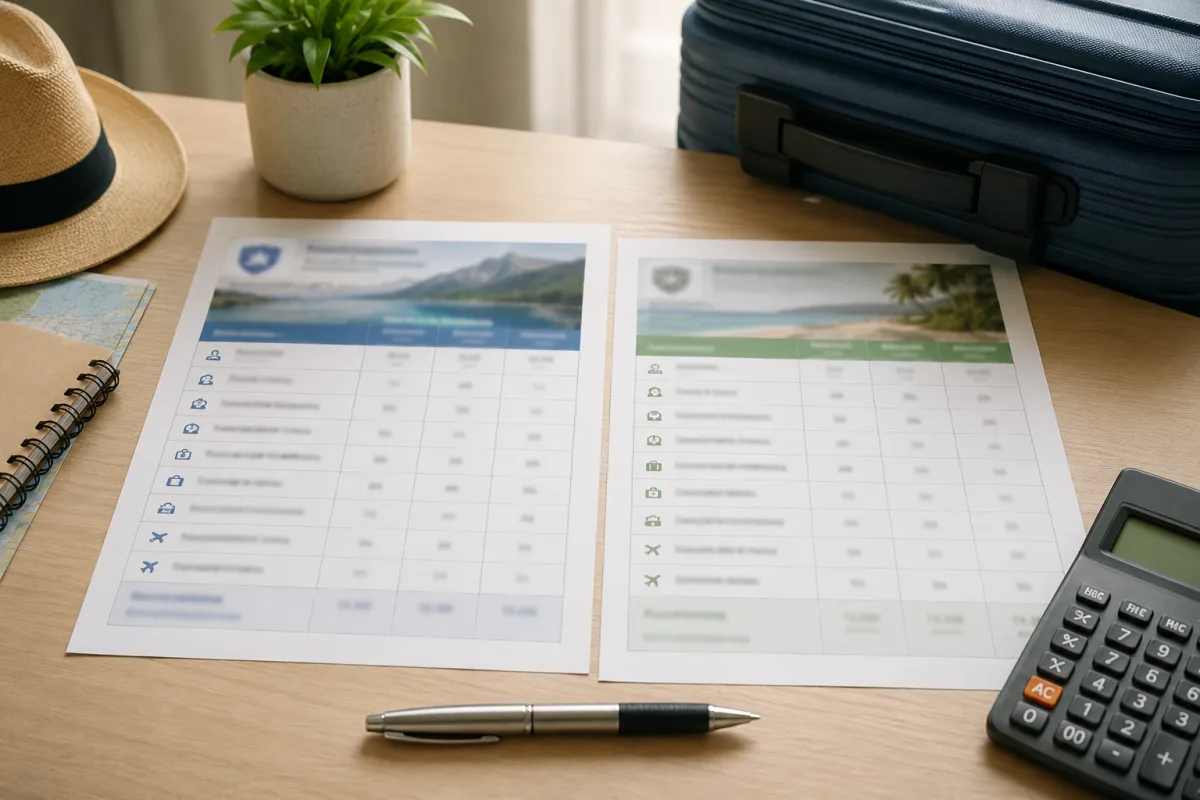
List the risks you actually need covered: cancellation, medical, evacuation, delay, baggage, rental car, adventure activities, or pre-existing condition waiver.
Then compare policy wording, not just price. Livecub's financial calculator guide is not about insurance, but it reinforces the habit of comparing numbers before deciding.
Claims Need Proof
Keep receipts, medical notes, airline notices, police reports, and cancellation emails. Claims are easier when documentation is saved during the problem, not reconstructed later.
Before departure, store policy numbers and assistance contacts offline. A policy you cannot find during a crisis is less useful than it looked at purchase.
Destination Risk Changes The Decision
A domestic city break with refundable lodging is different from a remote international trip with multiple flights. The farther you are from familiar medical care and easy replacement transport, the more coverage may matter.
Check destination advisories, weather season, medical access, and local transport reliability before buying. The policy should match the trip you are actually taking.
Pre-Existing Condition Waivers
Some plans offer a pre-existing condition waiver only if you buy within a set window after the first trip payment and insure the full eligible trip cost.
This is one reason timing matters. If a traveler has recent treatment, medication changes, or a chronic condition, waiting too long can remove options.
Cancel For Any Reason
Cancel-for-any-reason coverage is usually an optional upgrade with strict rules. It may reimburse only a percentage of costs and may require cancellation before a deadline.
It can help when your concern is not a standard covered reason, but it is not the same as full freedom to cancel at the last minute for full reimbursement.
Assistance Services
Many travel policies include an assistance number that can help locate care, coordinate translation, or guide next steps during a covered emergency.
Assistance is not the same as unlimited payment. Still, having one number to call can reduce confusion when you are sick, stranded, or dealing with lost documents.
Traveling With Children
Children can change the insurance decision because illness, schedule disruption, and lost bags may affect the whole family. A cheap delay can become costly when meals, lodging, and replacement items multiply.
Check how the policy defines covered family members and traveling companions. Families should also know who can make decisions if one adult is sick or unreachable.
Expensive Gear Or Formal Events
A ski trip, destination wedding, photography trip, or formal event can make baggage loss more than a small inconvenience. Replacement clothing or gear may be hard to find quickly.
Review item limits before assuming the policy protects the full value. For high-value items, receipts and separate coverage may matter.
Supplier Problems
Airlines, cruise lines, tour operators, and local transport companies can change plans or fail. Some policies cover certain supplier issues, while others exclude them.
This is a contract question. Look for terms such as common carrier, financial default, bankruptcy, and covered delay before relying on the benefit.
Buy For The Trip You Booked
Do not buy the same policy out of habit every time. A refundable hotel weekend and a prepaid international tour do not need the same protection.
Match coverage to the real exposure: money paid, health risk, distance from care, weather season, and how easily you could replace the trip.
If the exposure is small, skipping coverage may be rational. If the loss would damage your finances, read the policy before you rely on luck.
Frequently Asked Questions
What are the top reasons to buy travel insurance?
Common reasons include prepaid trip costs, medical care abroad, evacuation, delays, baggage problems, weather, family emergencies, cruises, tours, and credit card gaps.
Does travel insurance cover every cancellation?
No. Policies cover listed reasons unless you buy a plan with broader cancel-for-any-reason terms and meet its rules.
Do I need travel medical insurance abroad?
Check your existing health plan first. Many travelers buy medical or evacuation coverage when going overseas or to remote areas.
When should I buy travel insurance?
Buy soon after booking if you want the best chance at time-sensitive benefits, but read the policy for exact deadlines.
Is credit card travel insurance enough?
Sometimes, but it may have gaps. Compare card benefits with your trip cost, health needs, evacuation risk, and exclusions.
The best reason to buy travel insurance is not fear. It is a clear match between your trip risks, your budget, and the policy language you are willing to rely on.

Patrick Harwood
Edits sports, consumer-finance and general legal explainers. Regulated or time-sensitive topics link to primary sources and are not professional advice.




Leave a reply
Replying to