

Treatment for Stage Fright depends on how often it happens, how much it interferes with life, and whether the fear is limited to performances or part of broader social anxiety.
The goal is not to become fearless. The goal is to perform with enough steadiness that fear no longer makes your choices for you.
Start With The Pattern
Write down when stage fright appears: speeches, music, tests, interviews, meetings, sports, auditions, or reading aloud. Note symptoms, avoidance, and what you do to cope.
NIMH explains that social anxiety disorder involves strong fear about social situations where someone may be judged, and that treatment can include therapy and medication: NIMH social anxiety disorder.
A clear pattern helps you decide whether self-help is enough or professional care is needed.
Use Gradual Exposure
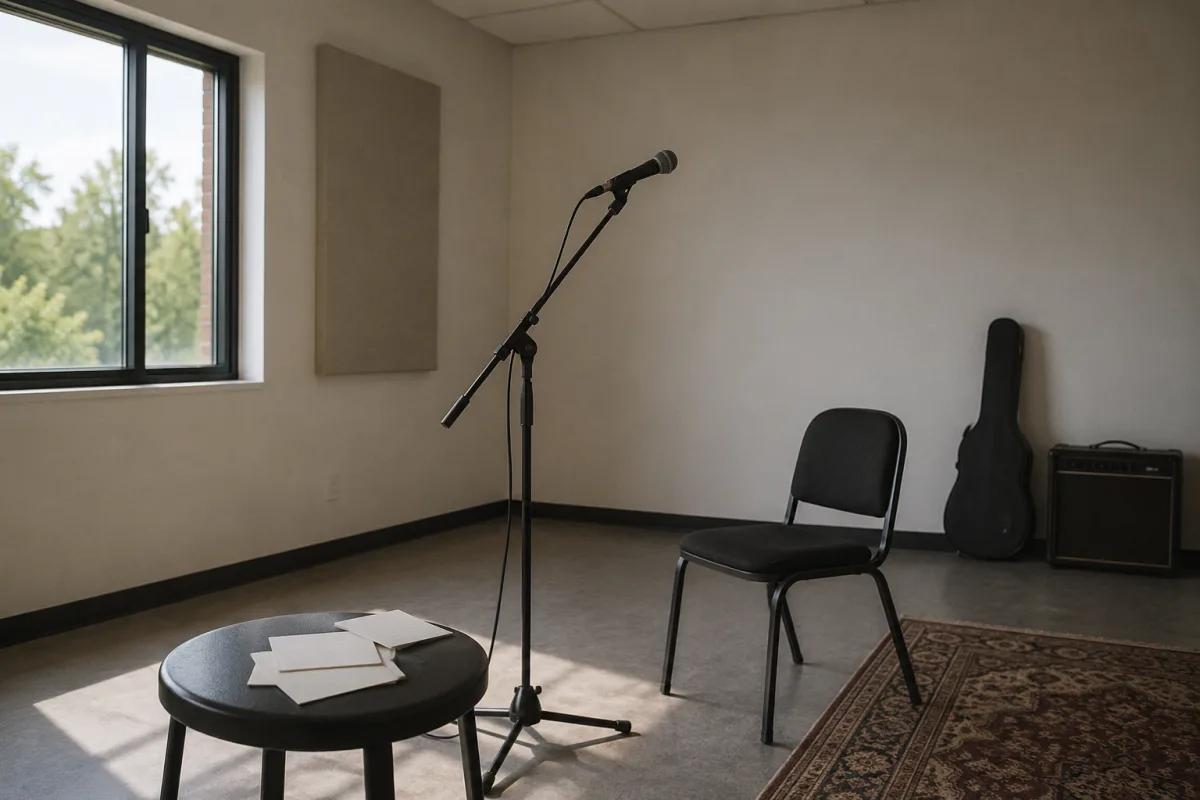
Gradual exposure means practicing the feared task in steps. The steps should be uncomfortable but manageable.
For public speaking, the ladder might be reading aloud alone, recording yourself, speaking to one friend, asking a question in a small group, then giving a short presentation.
Do not start with the scariest version. The nervous system learns through repetition and recovery.
Try Cognitive Behavioral Therapy
CBT helps people notice fear predictions, test them, practice new behavior, and reduce avoidance. It is one of the main treatments used for social anxiety and performance fear.
Mayo Clinic's social anxiety treatment page says treatment commonly includes psychotherapy, medication, or both: Mayo Clinic social anxiety treatment.
A therapist may help you build exposure steps, challenge catastrophic predictions, and practice staying present during symptoms.
Practice Performance Recovery
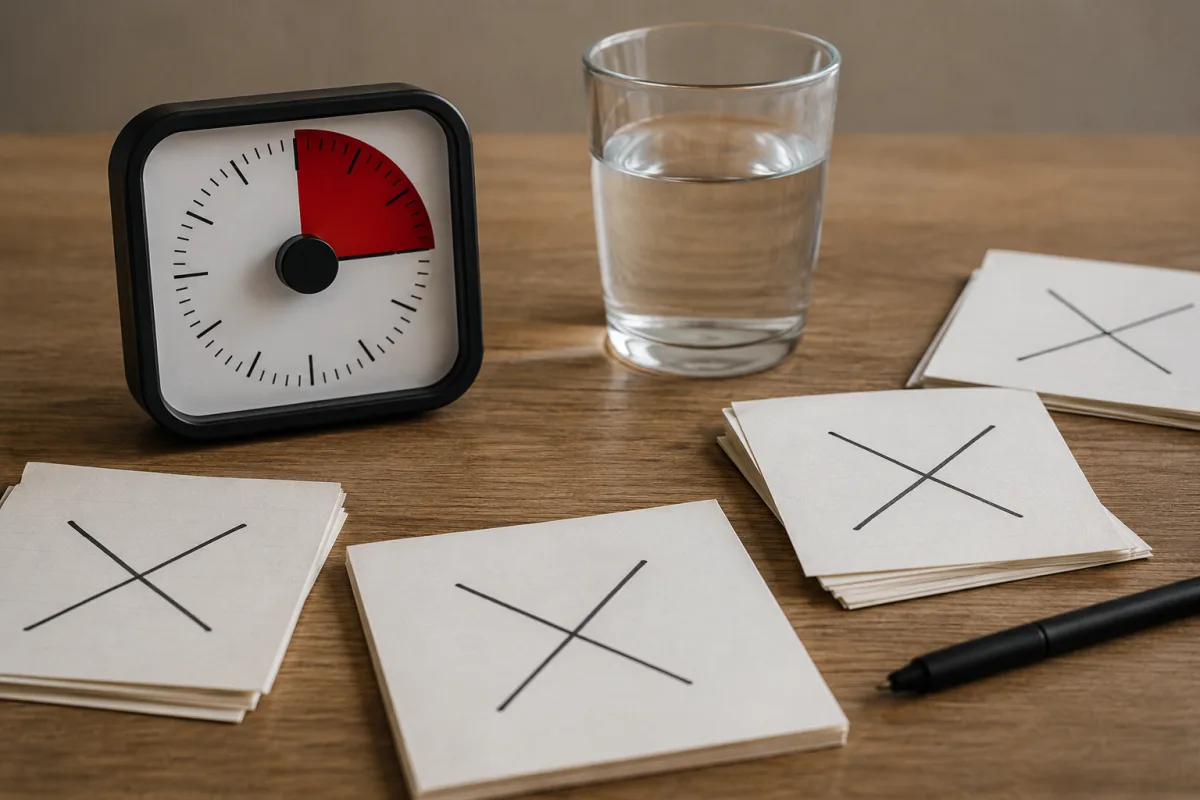
Many people practice the perfect version. Treatment works better when you also practice the messy version: losing your place, pausing, restarting, or answering a question.
Recovery skills make mistakes less threatening. If you know how to continue, a stumble no longer feels like disaster.
The internal guide on stage fright coping can help with short-term tools, while treatment builds longer-term change.
Calm The Body, But Do Not Chase Zero Anxiety
Breathing, grounding, stretching, warming up, and reducing caffeine can help physical symptoms. Use them to lower intensity, not to demand a blank mind.
If you wait until anxiety is zero, you may never perform. A better target is anxiety that you can carry.
For sports settings, sports tryout nerves may be useful.
Medication May Be An Option
Some people benefit from medication, especially when physical symptoms such as shaking, fast heartbeat, or sweating block a specific performance.
Cleveland Clinic notes that beta-blockers may help some people with situational anxiety such as stage fright, but medication decisions belong with a clinician: Cleveland Clinic beta-blockers for anxiety.
Do not borrow medication or mix it with alcohol. Health history, asthma, heart rhythm, blood pressure, pregnancy, and other medicines all matter.
Treat Broader Anxiety If Present
If stage fright is part of social anxiety, panic, depression, trauma, or obsessive checking, treating only the performance day may not be enough.
A professional can help decide whether therapy, medication, group treatment, or a combined plan fits.
If communication shuts down in specific social settings, selective mutism treatment may be relevant to discuss.
Use Rehearsal That Matches Reality
Practice standing up, using the same notes, speaking at real volume, wearing similar clothes, and timing the performance.
If the event includes questions, practice questions. If it includes a microphone, practice holding one. If it includes waiting, practice the waiting period.
Realistic rehearsal makes the event less novel.
Reduce Safety Behaviors Slowly
Safety behaviors are habits that feel protective but keep fear alive: hiding behind notes, avoiding eye contact completely, over-rehearsing, apologizing repeatedly, or gripping the podium.
Choose one to reduce at a time. For example, glance at notes less often or make brief eye contact with one friendly face.
Do not remove every support at once. Treatment should be challenging, not reckless.
Build A Post-Performance Review

After the performance, write three facts: what happened, what went better than feared, and what to adjust next time.
Do this before replaying the event for an hour. Anxiety reviews are often biased toward flaws.
If self-criticism is the main problem, journaling structure can be adapted into a neutral performance journal.
When To Seek Professional Help
Seek help if stage fright causes avoidance, vomiting, panic attacks, missed school or work, substance use, or intense dread for weeks before events.
Treatment can work, but it often requires repeated practice and honest reporting of avoidance habits.
You do not need to wait until fear ruins a major opportunity before asking for help.
Create A Performance Day Plan
Plan sleep, food, caffeine, arrival time, warmup, notes, water, and the first action after arriving. Reducing chaos lowers the number of problems your nervous system must solve.
Do not add a brand-new ritual on the big day. Use routines you have practiced before.
If waiting is the hardest part, bring a simple task such as reviewing the opening line or walking slowly for two minutes.
Work With The First Minute
The first minute often carries the most fear. Script it carefully and practice it more than the rest.
Know your first sentence, where your eyes will go, and what you will do with your hands. After the first minute, momentum often helps.
If you stumble, pause and restart the sentence. Most audiences tolerate pauses better than rushed panic.
Use Feedback Carefully
Ask for feedback on one or two specific things, not your whole worth as a performer. For example: was the opening clear, and did the pace work?
Specific feedback supports treatment. Vague feedback can become fuel for rumination.
Choose reviewers who can be honest without humiliating you.
Do Not Self-Medicate
Alcohol, unprescribed pills, or borrowed beta-blockers can create safety problems and make fear harder to treat over time.
If medication seems necessary, talk with a clinician before the event. Health history and interactions matter.
A treatment plan should make performance safer, not simply numb the fear for one night.
Make A Practice Calendar
Set practice dates before the performance. Include solo practice, practice with one listener, practice with distractions, and a final light run-through.
Spacing practice over days works better than cramming the night before. Cramming teaches panic as much as content.
Put recovery practice on the calendar too: pause, lose your place, restart, and answer a question.
Use The Audience As People
Anxiety turns the audience into a single judging wall. Treatment often includes seeing them as individual people: one tired person, one curious person, one supportive person.
Choose one friendly or neutral face to return to during the performance. Do not scan for the most critical expression.
This shifts attention from threat hunting to communication.
Prepare For Aftershocks
Anxiety can spike after the event as the mind replays mistakes. Plan the after-period: drink water, leave the room, write three facts, and do one normal activity.
Do not ask five people for reassurance right away. That can turn the event into another checking loop.
If feedback is needed, schedule it for later when your body is calmer.
Keep Treatment Measurable
Measure progress by behavior: fewer avoided events, shorter recovery time, more realistic practice, and less reliance on safety habits.
Fear may still appear while progress is happening. The key question is whether fear has less control over choices.
Bring those behavior measures to therapy or medical visits if you are getting professional help.
A useful treatment plan should tell you what to practice next, not only why the fear exists.
If the plan is not changing your behavior over time, bring that back to the professional helping you and revise the steps.
Work On One Setting At A Time
Stage fright can appear in many places, but treatment is easier when one setting is chosen first. Pick meetings, auditions, speeches, interviews, or sports, then build a ladder for that setting.
Once one ladder becomes easier, the skill can transfer to another setting. Trying to fix every performance fear at once can make the plan too vague.
Specific practice gives you clearer progress and better questions for a therapist or clinician.
Frequently Asked Questions
Can stage fright be treated?
Yes. Gradual exposure, CBT, realistic rehearsal, and sometimes medication can help.
Are beta-blockers safe for stage fright?
They may be an option for some people, but only a clinician can decide if they are safe for you.
How fast can treatment work?
Some tools help the same day, but durable change usually comes from repeated practice.
Should I avoid performances while treating it?
Avoiding everything often keeps fear strong. Use gradual, planned exposure instead.
What if I panic on stage?
Pause, breathe, ground yourself, continue if safe, and discuss panic symptoms with a professional.
This article is for general information only and isn't a substitute for medical or mental health advice. If symptoms affect daily life, talk with a qualified professional.

Cashie Evans
Covers parenting and practical household topics with clear steps, safety notes and links to current guidance.


Leave a reply
Replying to