

What Are the Risks Associated With Owning a Corporate Bond? Corporate bonds can provide income, but they are loans to companies. That means the investor depends on the issuer's ability and willingness to pay.
The main risks are credit/default risk, interest rate risk, call risk, inflation risk, liquidity risk, event risk, tax issues, and concentration. A higher yield may be compensation for one or more of those risks.
Credit Risk
Credit risk is the risk that the company cannot make interest or principal payments. A financially weak issuer may default, restructure, or repay less than expected.
Investor.gov explains that bonds are debt securities where the issuer promises interest and principal, subject to issuer risk: Investor.gov bonds.
Default Risk
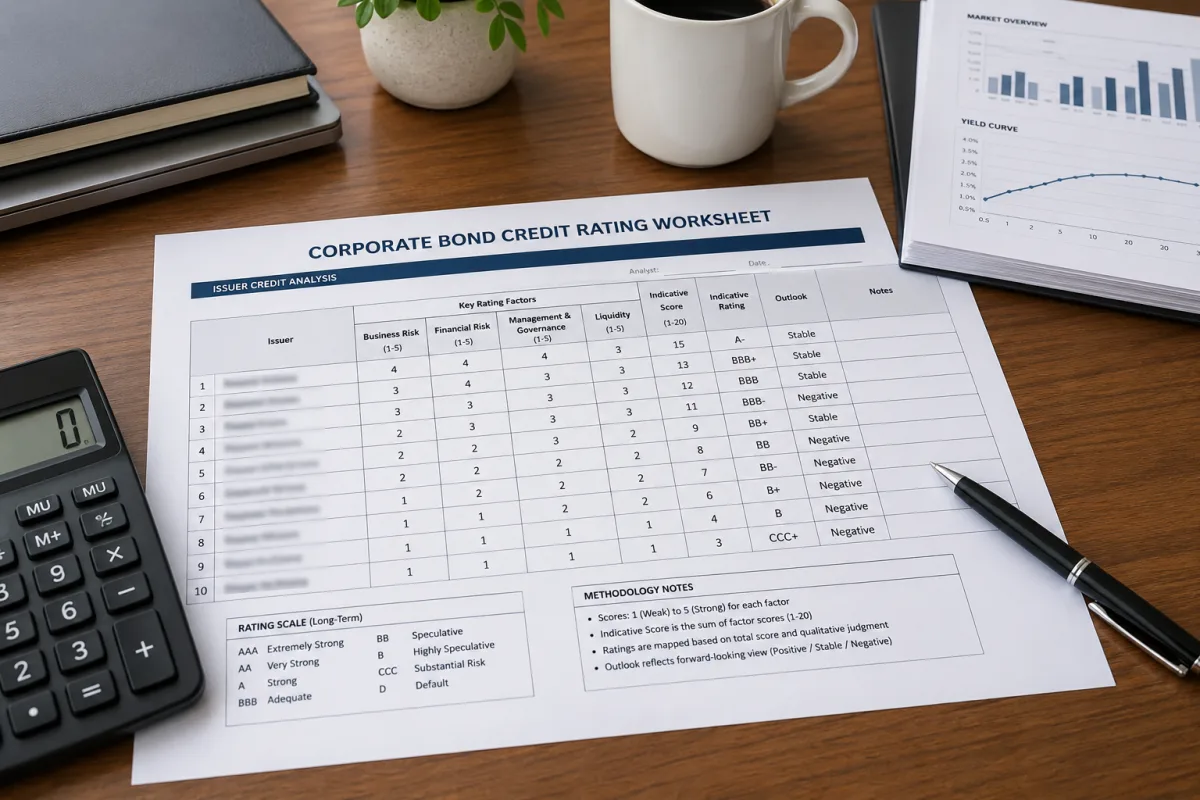
Default can mean missed interest, missed principal, covenant breach, bankruptcy, or restructuring. Bondholders may recover some money, but timing and recovery are uncertain.
Livecub's U.S. Treasury bond buyer guide can help readers compare corporate issuer risk with government debt demand, though the products are different.
Interest Rate Risk

When market rates rise, existing fixed-rate bond prices often fall. Longer maturities and higher duration usually increase the sensitivity.
FINRA says bond prices and interest rates tend to move in opposite directions and lists interest rate risk among key bond risks: FINRA bond risks.
Call Risk
If a bond is callable, the company may redeem it early, often when rates fall. That can force the investor to reinvest at lower rates.
Always compare yield to maturity, yield to call, and yield to worst. The coupon alone can mislead.
Inflation Risk
A fixed coupon buys less if inflation rises. Even if every payment arrives on time, purchasing power can fall.
Inflation risk is stronger when maturity is long and coupons are fixed.
Liquidity Risk
Some corporate bonds trade infrequently. If you need to sell, the bid may be lower than expected, especially in stressed markets.
Livecub's selling before maturity guide covers a different market, but sale timing risk applies to many fixed-income products.
Ratings Risk
Ratings can help, but a downgrade can lower price and change who is willing to hold the bond. Ratings are not guarantees.
Read the issuer's financial condition and sector pressures instead of relying only on a letter grade.
Event Risk
A merger, lawsuit, regulation change, product failure, cyber event, or debt-funded acquisition can change credit quality quickly.
Corporate bonds are tied to business events. A company that looked stable can become riskier after a major decision.
Sector Risk
Owning many corporate bonds from the same sector can create hidden concentration. Energy, banks, retail, telecom, and health care can face different shocks.
Write the sector beside each holding. If one industry dominates the list, the portfolio may be less diversified than it looks.
Tax Risk
Corporate bond interest is usually taxable. After-tax yield may be lower than the headline yield, especially in taxable accounts.
Compare after-tax return if you are choosing between corporate, municipal, Treasury, and fund options.
Complex Structures
Some corporate bonds have floating rates, make-whole calls, convertibility, subordination, or unusual covenants. Complexity can change risk and recovery.
Livecub's fixed annuity and fixed index annuity guide covers a different product, but it can help readers notice how contract terms change risk.
Position Size

A risky bond may be tolerable as a small holding and dangerous as a large one. Position size turns risk from theory into portfolio damage.
Livecub's bond calculator guide can help readers keep yield, price, and maturity assumptions visible before buying.
Bond Funds
SEC Investor.gov says bond funds can lose value from interest rate and credit risk, and their prices can fluctuate: Investor.gov bond funds.
If you own corporate bonds through a fund, look at duration, credit quality, sector exposure, fees, and redemptions.
Before Buying
Ask why the bond yields more than a safer benchmark. The answer may be maturity, credit, liquidity, call terms, or market stress.
If you cannot identify the reason, you are not ready to decide whether the extra yield is worth it.
Subordination
Some corporate bonds are senior; others are subordinated. In bankruptcy, priority can affect recovery.
Read where the bond sits in the capital structure before comparing yields. Two bonds from the same company can have different recovery prospects.
Covenants
Bond covenants may limit company actions or require certain protections. Weak covenants can leave bondholders with fewer protections during stress.
A higher yield may not compensate for poor covenant protection. Look for limits on new debt, asset sales, liens, and change-of-control events.
Reinvestment Risk
Coupons and maturities create cash that must be reinvested. If rates are lower later, future income can drop.
This risk exists even when the issuer pays exactly as promised. It shows up slowly, often after a called bond or maturing bond leaves cash idle.
Duration
Duration estimates how sensitive a bond price may be to rate changes. Longer duration usually means more price movement when rates change.
Do not confuse coupon with duration. A high coupon can still carry rate risk if the maturity and cash-flow timing are long.
Spread Risk
Corporate bonds trade with a spread above safer benchmarks. If investors demand more spread for that issuer or sector, the bond price can fall.
A company can keep paying on time while its bond price drops because the market wants more compensation for the same risk.
Financial Statements
Issuer reports matter because bondholders are lending money. Revenue, cash flow, debt maturities, interest coverage, and refinancing needs can all affect risk.
A simple table with debt due by year can reveal pressure that a coupon headline does not show.
Callable Bonds
A callable bond gives the issuer flexibility. That flexibility belongs to the company, not the investor, and it can cap upside when rates fall.
Always check the first call date, call price, make-whole terms, and yield to worst. A high yield to maturity can hide a much lower call outcome.
High Yield
High-yield corporate bonds can offer more income because the market sees more credit risk. The higher coupon is not free money.
During stress, high-yield prices can fall sharply, liquidity can dry up, and refinancing can become harder for weaker companies.
Single-Issuer Exposure
Owning one corporate bond is concentrated lending to one company. Even a familiar brand can run into debt, lawsuits, regulation, or product problems.
Limit the damage any one issuer can do. Diversification does not remove risk, but it can reduce dependence on one management team.
Fund Versus Individual Bond
A bond fund can spread issuer risk, but the fund price can move every day and does not have one maturity date for the investor.
An individual bond has its own maturity and issuer risk. A fund adds manager decisions, fees, flows, and portfolio turnover.
Selling Early
Many investors plan to hold to maturity, then sell when cash is needed. The sale price may be very different from the account value shown earlier.
Before buying, ask how often the bond trades and how wide the bid-ask spread tends to be in normal and stressed markets.
Documentation
Keep the trade confirmation, offering document, call schedule, rating history, and any issuer reports in one place.
If the bond later drops in price, those records help separate normal rate movement from issuer-specific trouble.
Benchmark Comparison
Compare the yield with Treasury yields and similar corporate bonds of the same maturity and rating area.
A yield that looks generous may simply be the market charging for lower liquidity, weaker credit, or call terms.
Review Dates
Set calendar reminders for call dates, maturity, earnings releases, and rating updates. Corporate bond risk changes after purchase.
A bond that fit the account last year may no longer fit after rates, company debt, or cash needs change.
Frequently Asked Questions
What is the biggest risk of corporate bonds?
Credit risk is central, but rate risk, call risk, liquidity risk, inflation risk, event risk, tax risk, and concentration also matter.
Can corporate bonds default?
Yes. A company can miss interest or principal payments, restructure debt, enter bankruptcy, or repay less than expected.
Are investment-grade corporate bonds safe?
They may have lower credit risk than high-yield bonds, but they can still lose value or be downgraded.
Why do corporate bond prices fall when rates rise?
Older fixed-rate bonds may become less attractive than new bonds with higher yields, lowering market prices.
How can I reduce corporate bond risk?
Diversify issuers and maturities, check credit quality, review call terms, size positions, and avoid buying only for yield.
Corporate bond risk is not just default. Review rate sensitivity, credit quality, call terms, liquidity, tax impact, sector exposure, and position size before buying.

Tory Stearns
Edits practical household, travel and lifestyle explainers. Claims that can change are linked to current primary or subject-authority sources.




Leave a reply
Replying to