
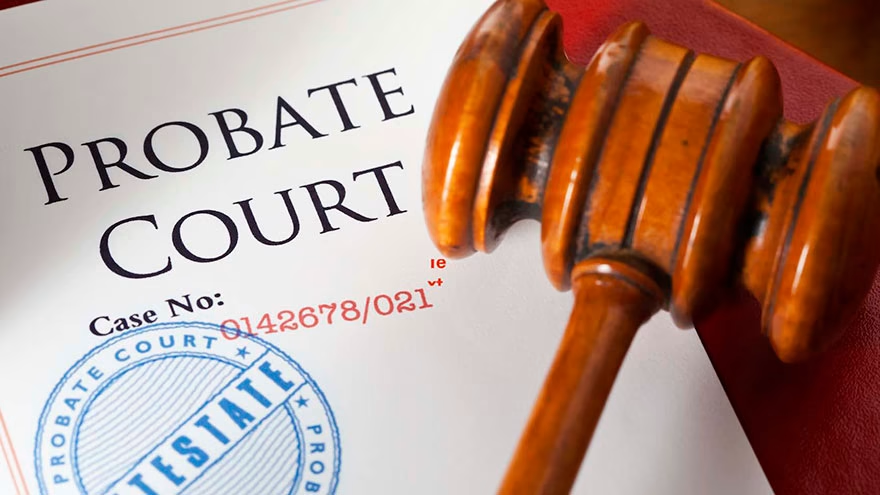
What Is Probate Court? Probate court is the part of the court system that deals with a deceased person's estate, and in some states related guardianship or conservatorship matters too.
The basic job is orderly transfer. The court or clerk helps confirm who has authority, what property is in the estate, which debts need attention, and who receives what remains under a will or state law.
What Probate Means
Probate is a legal process after death. California Courts describes probate as the process used to transfer or inherit property after the owner has died: California Courts probate guide.
Cornell's Wex legal encyclopedia describes probate court as a court of limited jurisdiction handling death-related estate administration, validating wills, appointing executors or administrators, and resolving disputes among heirs or beneficiaries: Cornell Wex probate court.
The details are state specific. The same word can cover a simple clerk appointment in one county and a contested court case in another.
What Probate Court Does
The court may admit a will to probate, appoint an executor or administrator, issue letters showing authority, require notice to heirs and creditors, review inventories and accountings, and approve final distribution.
If there is no will, the estate is usually handled under state intestacy law. That means state law decides who inherits, not a family vote.
If you want a plain next-step view, what happens in probate court is the closest internal guide to the hearing and administration flow.
Who Appears In Probate
Common participants include the personal representative, executor, administrator, heirs, beneficiaries, creditors, lawyers, court clerks, judges, and sometimes commissioners, guardians, or trustees.
The person asking for authority may need a death certificate, original will, petition, list of heirs, bond information, and filing fee. Requirements vary by state and county.
If you do not yet have a death certificate, searching for a death certificate may be a practical first step before calling the court.
Property That May Need Probate

Probate usually deals with property titled only in the deceased person's name and without a beneficiary designation or automatic transfer method. Examples may include a sole bank account, vehicle, house, refund, or claim owed to the estate.
Property may avoid probate if it has a valid beneficiary designation, joint ownership with survivorship rights, transfer-on-death registration, payable-on-death account, or trust ownership. The rules depend on the asset and state.
If a trustee dies or trust property is involved, property transfer after trustee death may help separate trust administration from probate administration.
What Probate Court Does Not Do
Probate court does not rewrite a will because the family thinks it is unfair. It does not turn a bad estate plan into a neat one. It also does not usually manage assets that legally pass outside probate.
The court may resolve disputes, but it works through filings, evidence, deadlines, and state law. A judge will not know family history unless a party presents it in the proper way.
Probate also does not erase debts automatically. Creditor rules, spouse liability rules, and estate solvency can be technical. For medical bills, surviving spouse medical bill liability is a related issue to review carefully.
Will Or No Will
With a will, probate often asks whether the will is valid and who should serve as executor. Without a will, the court may appoint an administrator and distribute property under intestacy law.
A will can name beneficiaries and an executor, but it does not always avoid probate. It usually tells the probate court what the deceased person wanted.
Trust planning can change the route. Credit shelter trusts, revocable trusts, and irrevocable trusts may reduce or redirect probate issues when drafted and funded correctly.
For trust-related planning context, credit shelter trust basics may help frame the vocabulary before a lawyer meeting. Irrevocable trusts raise a different set of planning and control questions.
How Long Probate Takes
Timing depends on state law, court backlog, creditor periods, tax issues, real estate sales, missing heirs, disputes, and how organized the records are. A small estate procedure may move quickly. A contested estate can take many months or longer.
The fastest cases usually have clear documents, cooperative beneficiaries, known assets, no creditor fights, and a personal representative who keeps clean records.
The slowest cases often involve missing records, family conflict, unclear title, out-of-state property, business interests, tax returns, or suspected misuse of funds.
Documents The Court May Ask For
Common documents include an original will, death certificate, petition or application, list of heirs, bond information, asset list, mailing addresses, and proof of notice. Some courts also require tax forms or fiduciary forms.
If the estate includes real estate, bring deeds, mortgage statements, tax bills, and insurance information. If it includes financial accounts, bring recent statements and beneficiary information if available.
Do not assume a photocopy of a will is enough. Original-will rules can be strict, and a missing original may require extra evidence or a different procedure.
Costs, Privacy, And Deadlines
Probate may involve filing fees, publication costs, bond premiums, appraisal fees, accounting fees, attorney fees, and court costs. Some are small; some can affect estate cash flow.
Probate filings can become public records. That can matter when the estate includes family conflict, business assets, creditor pressure, or sensitive beneficiary information.
Deadlines matter. Missing an inventory, accounting, notice, or creditor deadline can create personal risk for the representative. Good records are not busywork; they are protection.
What To Bring To A First Call
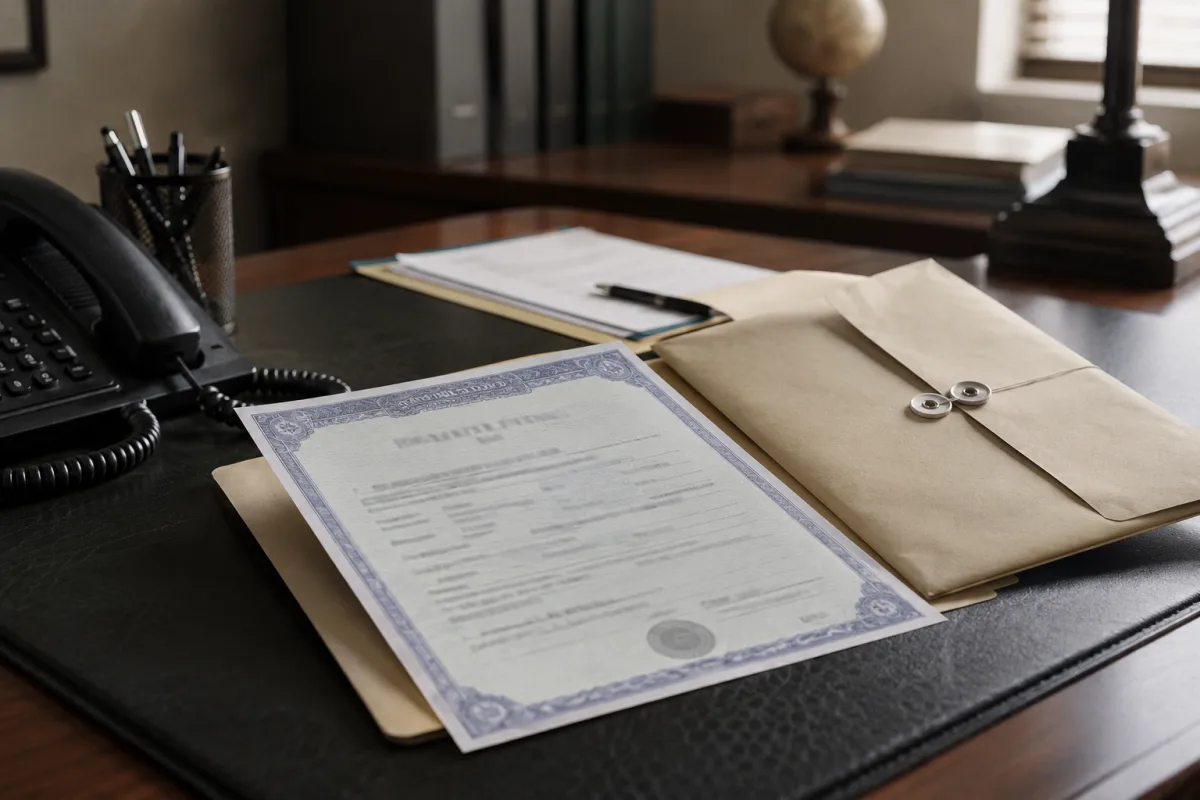
Before calling a clerk or attorney, gather the death certificate if available, original will, trust documents, deed, vehicle titles, bank statements, beneficiary forms, names and addresses of heirs, and any urgent bills.
Do not file random forms just because they are online. The correct form depends on state, county, estate size, asset type, and whether anyone is objecting.
Virginia's court self-help page, for example, says probate in Virginia is handled by Circuit Court and is used to transfer property owned by a person who dies: Virginia probate overview.
When To Talk To A Lawyer
Get legal advice if there is a contested will, blended family conflict, creditor pressure, insolvent estate, real estate, business ownership, tax concern, trust issue, or suspicion that someone took property before death.
A lawyer can also help you decide whether full probate is needed, a small-estate affidavit is available, or an asset passes outside court.
If you are interviewing counsel, questions to ask an estate lawyer can help turn a vague consultation into a focused conversation.
When Probate Becomes A Dispute
Disputes can involve will validity, undue influence, capacity, missing money, beneficiary disagreements, creditor claims, executor behavior, or disagreement over selling a house.
A disputed estate may need hearings, discovery, mediation, accounting objections, or a petition to remove a representative. That is different from routine administration.
If the estate is already tense, avoid promises in texts or family meetings. Get legal advice before distributing property, closing accounts, or selling assets.
Common Misunderstandings
Probate court is not only for rich estates. A modest bank account, vehicle, refund, or house can trigger probate if title and beneficiary designations require it.
Probate is also not proof that someone did something wrong. Many estates need probate simply because property was titled in one person's name.
Another misunderstanding is that the oldest child automatically has authority. Authority usually comes from a will, court appointment, state law, or valid planning document.
If several relatives believe they are in charge, slow down before anyone sells property or empties accounts. The court process exists to settle authority before damage is done.
A calm first filing can prevent months of cleanup. Confirm the local rule before acting. Keep proof of every step carefully.
Frequently Asked Questions
Is probate court always required?
No. Some assets pass by beneficiary designation, joint ownership, trust, or small-estate procedure.
Does having a will avoid probate?
Not always. A will often guides probate rather than avoiding it.
Who runs the estate during probate?
The court-appointed executor or administrator usually handles assets, notices, debts, records, and distribution.
Can family members divide property on their own?
They should not ignore title, creditor, tax, or court rules. Informal division can create disputes and liability.
Where do I start?
Start with the court or clerk in the county tied to the deceased person's residence, then confirm local requirements.
This article is for general information only and isn't legal advice. Laws vary by state and facts; talk to a licensed attorney in your jurisdiction before acting.

Patrick Harwood
Edits sports, consumer-finance and general legal explainers. Regulated or time-sensitive topics link to primary sources and are not professional advice.



Leave a reply
Replying to