

What Is the Meaning of Travel Insurance? Travel insurance is a policy or plan that covers certain financial losses tied to a trip. It may address trip cancellation, interruption, delay, baggage loss, emergency medical care, medical evacuation, or rental car damage, depending on the policy.
This is general finance and insurance education, not legal or insurance advice. Every policy has limits, covered reasons, exclusions, deadlines, and documentation rules. Read the certificate before buying, not after a claim.
What Travel Insurance Covers
Travel insurance usually protects against listed travel risks, not every disappointment. A policy may cover prepaid trip costs if a covered reason forces cancellation. Another part may help with delayed bags, emergency medical treatment abroad, or evacuation.
NAIC describes travel insurance as coverage for risks linked to travel, including cancellation, delays, and baggage loss.
Covered Reasons Matter
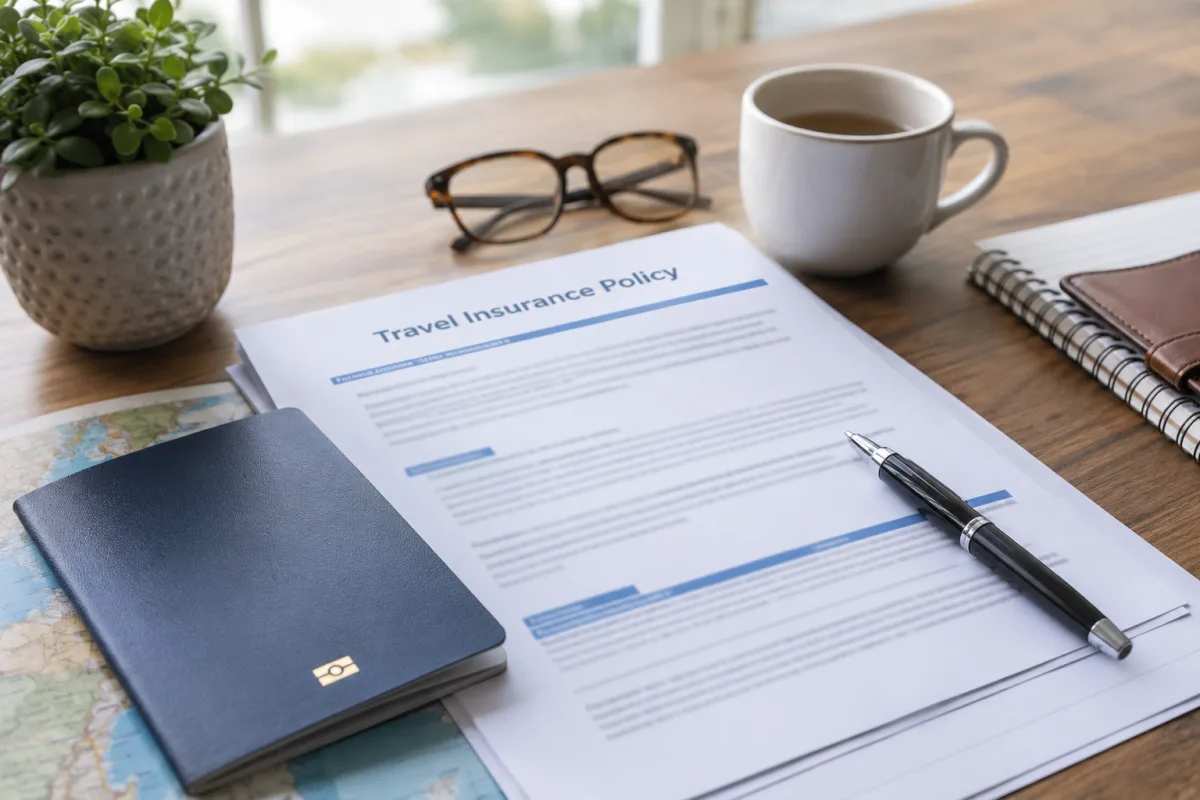
Most trip cancellation coverage works only for covered reasons. Illness, injury, severe weather, jury duty, job loss, or travel supplier issues may be treated differently by each policy. A change of mind is usually not covered unless you bought a specific cancel-for-any-reason option.
Do not assume the headline covers your exact fear. Ask what wording applies to your trip.
Medical Coverage
Domestic health insurance may not work the same way outside the United States, and Medicare coverage abroad is limited. Travel medical insurance can help with emergency care, but preexisting condition rules and exclusions matter.
The Insurance Information Institute explains travel insurance coverage in plain terms, including medical, baggage, and cancellation topics.
Trip Interruption
Trip interruption coverage may help if you must cut a trip short for a covered reason. It may reimburse unused prepaid costs or extra transportation, up to limits. The policy decides what counts.
Save receipts, airline notices, doctor notes, and hotel cancellation records.
Baggage And Delay
Baggage coverage usually has limits per item and may exclude cash, documents, jewelry, or electronics above a small cap. Delay coverage may start only after a stated number of hours and require receipts.
For household money habits, Livecub's kids and money guide can help families talk about travel spending before a trip.
Cancel For Any Reason
Cancel-for-any-reason coverage can offer more flexibility, but it often costs more, must be bought early, and may reimburse only a percentage. It is not the same as full refund freedom.
Check the purchase window and cancellation deadline before relying on it.
Credit Card Coverage
Some credit cards include travel protections, but limits and covered reasons vary. Coverage may require using that card for the trip. Benefits may not replace a full travel policy.
Compare card benefits with the policy you are considering.
Existing Insurance
Homeowners, renters, auto, health, and credit cards may already cover parts of a travel problem. Travel insurance can fill gaps, but duplicate coverage can confuse claims.
For safer savings context, Livecub's U.S. Treasury bonds article explains why some people keep trip money separate from longer-term investments.
Exclusions
Common exclusions may include foreseeable events, intoxication, high-risk activities, certain pregnancy issues, ignored government warnings, or preexisting conditions unless a waiver applies. Exclusions are where many surprises live.
Read the exclusions slowly. They matter more than the sales page.
Claims Need Proof

A claim may need receipts, medical notes, police reports, airline letters, delay notices, and proof of payment. If you cannot document the loss, payment may be delayed or denied.
Create a trip folder before departure with policy, receipts, and emergency numbers.
When It May Be Worth It
Travel insurance may be more useful for expensive prepaid trips, international travel, cruises, medical risk, complicated connections, or trips with elderly relatives. It may be less useful for a cheap refundable weekend.
For old savings being used for travel, Livecub's saving bonds value guide may help locate cash before booking.
Questions Before Buying

Ask: what reasons are covered, what is excluded, what documents are needed, what medical limits apply, how preexisting conditions work, and whether the policy covers every traveler.
Write down answers from the insurer or agent and keep them with the policy.
Single-Trip Versus Annual Plans
Single-trip policies cover one planned trip. Annual plans may cover multiple trips during a year, but trip length caps and benefit limits still apply. Frequent travelers should compare both, using real trip patterns rather than wishful thinking.
An annual plan is not automatically better; it depends on how often you travel and what risks matter.
Cruise And Tour Risks
Cruises and tours can have strict cancellation windows, medical evacuation concerns, and prepaid costs. Check whether the policy covers missed connections, supplier default, medical evacuation from ports, and weather disruption.
A cheap policy with low evacuation coverage may not match a complicated trip.
Preexisting Conditions
Preexisting condition waivers often have purchase deadlines and eligibility rules. If health history is part of the reason you want coverage, read this section before buying. Do not rely on a sales summary.
Ask the insurer how the look-back period works and what documents would be needed.
Rental Car Damage
Some travel plans include rental car damage coverage, but liability may be excluded. Your personal auto policy, credit card, and rental company coverage may all interact. International rentals can be different.
Read the rental car section before declining coverage at the counter.
Travel Supplier Failure
Airline, cruise, tour, or agency failure may be handled differently from weather or illness. Some policies exclude insolvency unless the supplier is on an approved list or the policy was bought soon after deposit.
If supplier failure worries you, ask about that exact phrase.
Claim Timing
Policies usually require prompt notice. Waiting months can create problems. If a covered event happens, call the assistance number, follow instructions, and keep a written record of what you were told.
The claim process begins during the problem, not only after the trip ends.
Build A Simple Checklist
A checklist keeps the next action visible when stress rises. Write the document to gather, the call to make, the date to review, and the proof to save. Keep the list short enough to finish.
A short checklist prevents good advice from staying vague.
Use A Review Date
Set a date to review the plan instead of trying to make it perfect now. Insurance, legal work, recovery, and budgets all change when new facts arrive. A review date lets you act now without pretending the first version is final.
Put the review on a calendar, not only in memory.
Keep Evidence
Save receipts, screenshots, notes, forms, messages, appointment summaries, or symptom logs depending on the topic. Evidence protects you from guesswork and makes professional help more useful.
Good records are quiet until you need them. Then they matter a lot.
Know The Limit
Every plan has a limit. A policy excludes something, a lawyer cannot represent everyone, a routine cannot cure illness, and a budget cannot control every price. Naming the limit keeps the advice honest.
The limit is not a flaw; it is where judgment and help come in.
Ask One Direct Question
Before spending money, filing papers, changing routines, or making a family plan, ask one direct question: what would make this safer or clearer? That question usually points to the missing document, call, boundary, or estimate.
Direct questions keep the plan practical.
Avoid Panic Decisions
Stress can push people toward fast purchases, rushed filings, big promises, or unrealistic routines. Pause long enough to check the facts. A slower decision made with better information often costs less.
Urgency should come from real deadlines, not pressure from a sales page or anxious relative.
Update After New Facts
A plan should change after new facts: a denied claim, court request, symptom change, workplace answer, or childcare quote. Updating is not failure. It means the plan is alive enough to match reality.
Keep the old note so you can see why the change was made.
Frequently Asked Questions
Does travel insurance cover any cancellation?
No. Standard coverage usually requires a listed covered reason.
Is travel medical insurance the same as health insurance?
No. It is travel-specific and has its own limits, exclusions, and claim rules.
Do credit cards replace travel insurance?
Sometimes partly, but card benefits vary and may have lower limits.
What is cancel-for-any-reason coverage?
An optional upgrade that may reimburse part of the trip if rules and deadlines are met.
When should I buy it?
Often soon after booking, especially if you want certain waivers or upgrades.
The Practical Takeaway
Travel insurance means limited financial protection for covered travel risks. Read the policy, compare existing benefits, document prepaid costs, and ask about exclusions before paying.

Patrick Harwood
Edits sports, consumer-finance and general legal explainers. Regulated or time-sensitive topics link to primary sources and are not professional advice.




Leave a reply
Replying to