
Who Needs Probate Court? The short answer is that probate court may be needed when a deceased person's assets cannot legally transfer without court authority. The exact answer depends on state law, title, beneficiary designations, debts, disputes, and estate size.
A will does not automatically avoid probate. A trust does not automatically solve every asset. The practical first step is to list each asset and ask how that asset transfers.
Probate Basic Question
Probate is the court process that helps transfer property after death, confirm authority, deal with debts, and settle disputes under state law.
California Courts describes probate as the area of law covering what happens to someone's property, bills, and debts after death, handled by the probate division of superior court: California Courts probate guide.
Sole Name Assets
Probate is commonly needed when property is titled only in the deceased person's name and has no beneficiary designation or transfer-on-death instruction.
Examples can include a house, bank account, vehicle, brokerage account, or business interest held only by the decedent. State shortcuts may still apply for small estates.
A Will Still May Need Court
A will says who should receive property and who should serve as executor, but the court may still need to admit the will and appoint the executor.
The District of Columbia Courts explains that probate helps make sure assets are distributed, debts and taxes are paid, and the will is valid if there is one: DC Courts probate division.
No Will
If someone dies without a will, probate court may appoint an administrator and distribute probate assets under intestacy law.
That does not mean the state automatically takes everything. It means state law supplies the inheritance order for assets that pass through the estate.
Real Estate
Real estate often pushes families toward probate, especially when the deed names only the deceased person and no transfer-on-death deed or trust applies.
If real estate is in another state, ancillary probate may be needed there. Local counsel matters because real estate transfer rules are state-specific.
Debts And Creditors
Probate can create a formal process for creditor claims, estate bills, tax filings, and final distributions. This can protect the personal representative when handled correctly.
Skipping court does not erase debts. It may simply leave family members unsure who has authority to pay, sell, or distribute property.
Small Estate Options
Many states offer small estate affidavits, simplified probate, summary administration, or transfer procedures below certain dollar limits.
Those limits and rules vary. Funeral bills, real property, vehicle title, waiting periods, and heir consent can affect which shortcut is available.
Nonprobate Assets
Some assets pass outside probate by contract or title. Common examples include life insurance with a named beneficiary, retirement accounts with beneficiaries, and payable-on-death accounts.
Joint property with survivorship rights may also pass outside probate. Check the actual title and beneficiary form instead of relying on family assumptions.
Trust Assets
Assets properly titled in a living trust may avoid probate, but assets left outside the trust may still need court help.
Livecub's irrevocable living trust guide can help readers think about trust structure, though revocable and irrevocable trusts work differently.
Trustee Transfers
If a trustee dies or trust property needs transfer, the next steps depend on the trust document, title records, and state law.
Livecub's trustee death property transfer guide can help with the vocabulary before legal review.
Disputes
Probate court may be needed when heirs fight over the will, beneficiary identity, executor conduct, asset value, creditor claims, or missing property.
Cornell's Legal Information Institute notes that probate courts can validate wills, appoint executors or administrators, and resolve disputes among heirs or beneficiaries: LII probate court definition.
Death Certificate
Most probate and nonprobate transfers need certified death certificates. Banks, title offices, insurers, courts, and retirement custodians may each need copies.
Livecub's death certificate search guide can help families understand this early record step.
Attorney Questions
You may need an estate lawyer if there is real estate, a contested will, blended family issues, out-of-state property, business ownership, debt pressure, or tax questions.
Livecub's questions for an estate lawyer can help turn a worried call into a useful first meeting.
Personal Representative
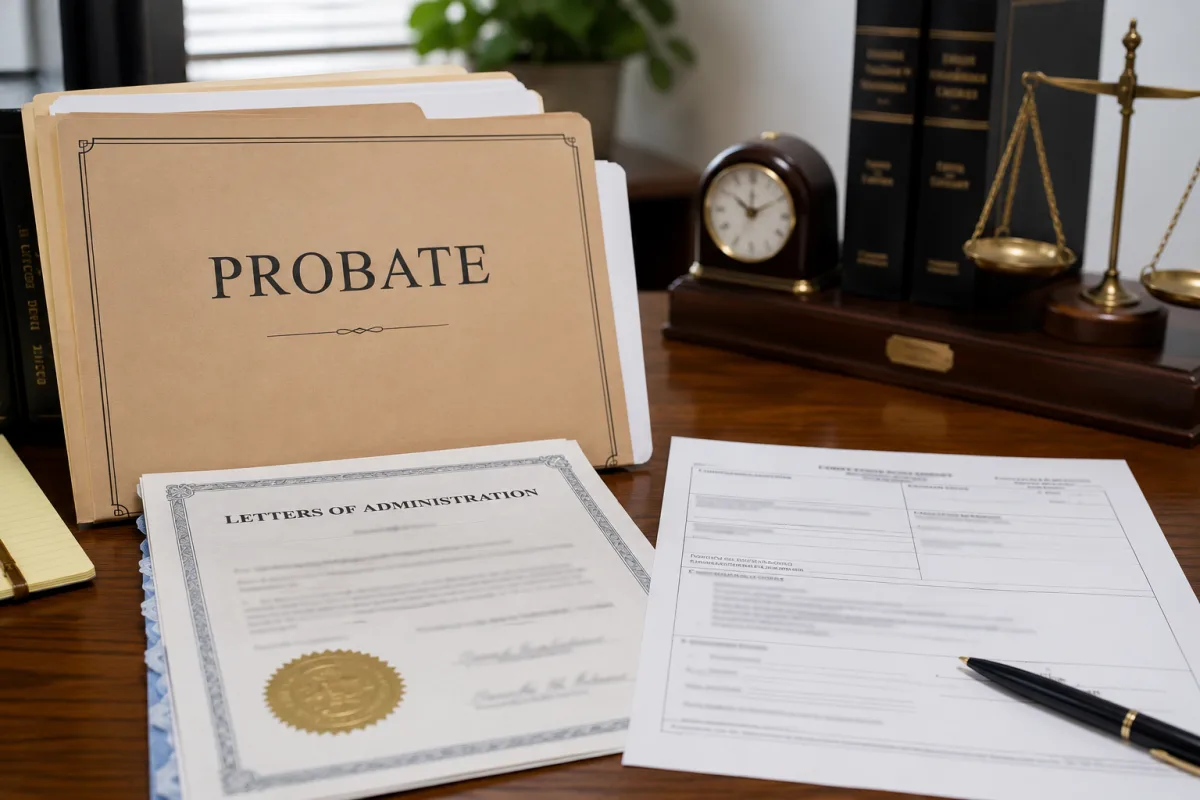
A personal representative, executor, or administrator usually needs legal authority before collecting estate assets, paying estate debts, selling property, or distributing assets.
Court appointment papers may be what banks and buyers need before they cooperate. The exact document name depends on local law.
Local Court Rules
Probate is local. Forms, filing fees, notice rules, publication rules, bond requirements, inventories, accountings, and hearing schedules differ by jurisdiction.
Use the court website for the county or state involved. A national article can explain concepts, but it cannot replace local filing rules.
When Probate May Not Be Needed
Probate may not be needed when all assets pass through beneficiary forms, survivorship title, trust ownership, or small-estate procedures.
Still, someone should confirm there are no sole-name assets, refund checks, unpaid wages, lawsuits, or property discovered later.
What Happens In Court
Probate may involve filing a petition, giving notice, proving the will, appointing a representative, inventorying assets, paying claims, and distributing what remains.
Livecub's what happens in probate court guide can help readers picture the process before they see local forms.
First Working List
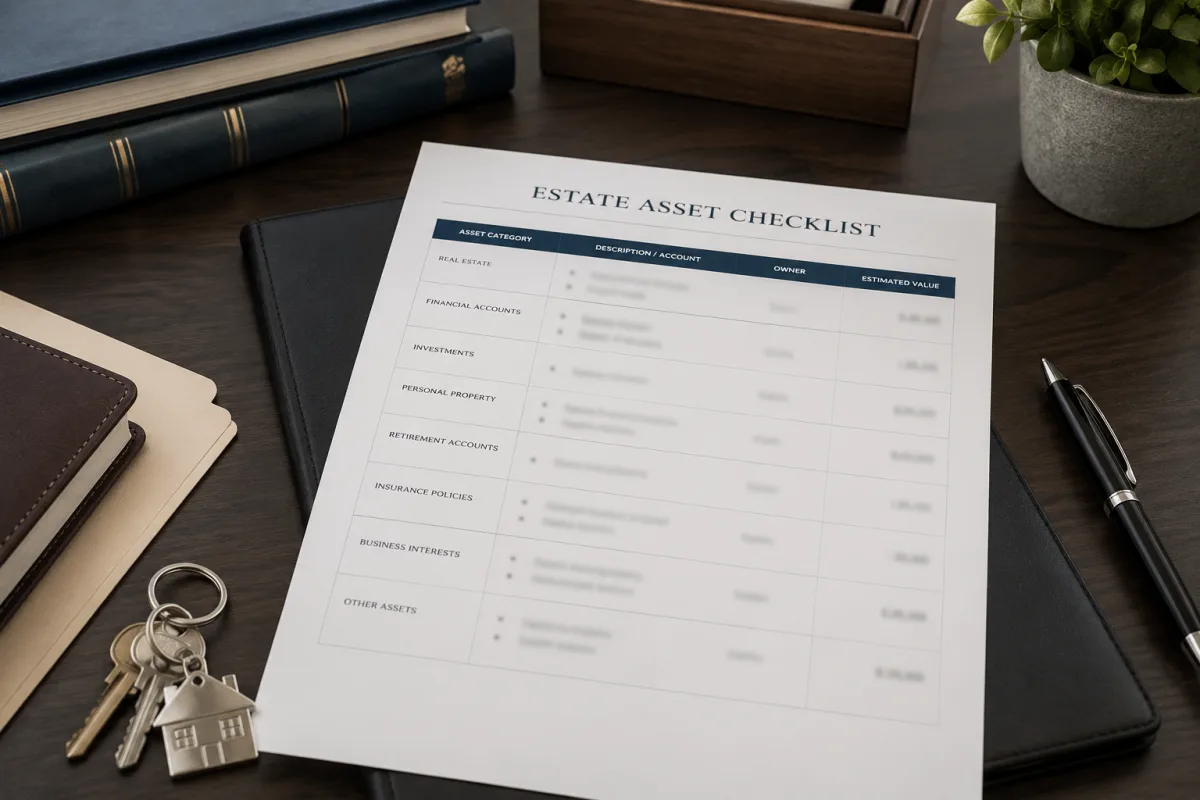
Make a list with asset name, institution, account number ending, title owner, beneficiary, approximate value, debt attached, and document location.
Then mark each item as likely probate, likely nonprobate, or unknown. The unknown column is where legal advice usually starts.
Inventory First
Families often ask about probate before they know what property exists. Start with mail, tax returns, account statements, deeds, vehicle titles, and insurance papers.
The inventory does not need to be perfect on day one. It needs to be organized enough to show what transfers how.
Bank Accounts
A bank may freeze or restrict an account after learning of a death unless there is a joint owner, payable-on-death beneficiary, or court-appointed representative.
Do not assume the nearest relative can sign. Banks usually need documents that match their legal and compliance rules.
Vehicle Titles
Vehicles may have transfer shortcuts in some states, but the title still has to move legally. Loans, co-owners, and estate value can affect the process.
Check the motor vehicle agency rules before selling, gifting, or driving a vehicle that belonged to the decedent.
Refund Checks
Small assets discovered later can still create authority problems. Refund checks, final wages, deposits, or class action payments may arrive after other assets transfer.
If there is no estate account or representative, even a small check can be hard to cash properly.
Out Of State Property
Real estate outside the home state may require a second proceeding or local recording steps. This surprises many families.
List each parcel by county and state. The location of land can matter as much as the residence of the person who died.
Court Letters
Court appointment letters are proof that the representative has authority. Many institutions will not act without them.
Keep certified copies available. Some places keep a copy; others only need to inspect it.
Timing
Probate can take months, and contested estates can take longer. Small estate shortcuts may be faster, but they still have rules.
Do not promise heirs a distribution date until debts, notices, taxes, property sales, and court requirements are clearer.
Household Property
Furniture, jewelry, tools, collections, and household items can create more conflict than their dollar value suggests.
Before anything is removed, make a simple list and take photos if the family expects disagreement. Sentimental property still belongs in the estate discussion.
Safe Deposit Boxes
A safe deposit box may contain a will, deed, jewelry, or records, but access rules vary by state and institution.
Call the bank before drilling, emptying, or removing items. The person allowed to inspect a box may not be allowed to take everything in it.
Frequently Asked Questions
Does everyone need probate court?
No. Probate depends on state law, asset title, beneficiary designations, debts, disputes, and small-estate procedures.
Does a will avoid probate?
Usually no. A will may guide probate, but the court may still need to validate it and appoint the executor.
Which assets usually avoid probate?
Assets with valid beneficiaries, survivorship title, payable-on-death designations, or proper trust ownership may avoid probate.
When is probate court more likely?
Probate is more likely with sole-name assets, real estate, no beneficiaries, disputes, creditor issues, or no clear authority.
Should I ask a lawyer before filing probate?
Legal help is wise when real estate, conflict, debt, taxes, unclear title, or out-of-state property is involved.
The person who needs probate court is usually the person trying to transfer or manage assets without enough authority. Start with title, beneficiaries, debts, and local rules.

Tory Stearns
Edits practical household, travel and lifestyle explainers. Claims that can change are linked to current primary or subject-authority sources.



Leave a reply
Replying to