
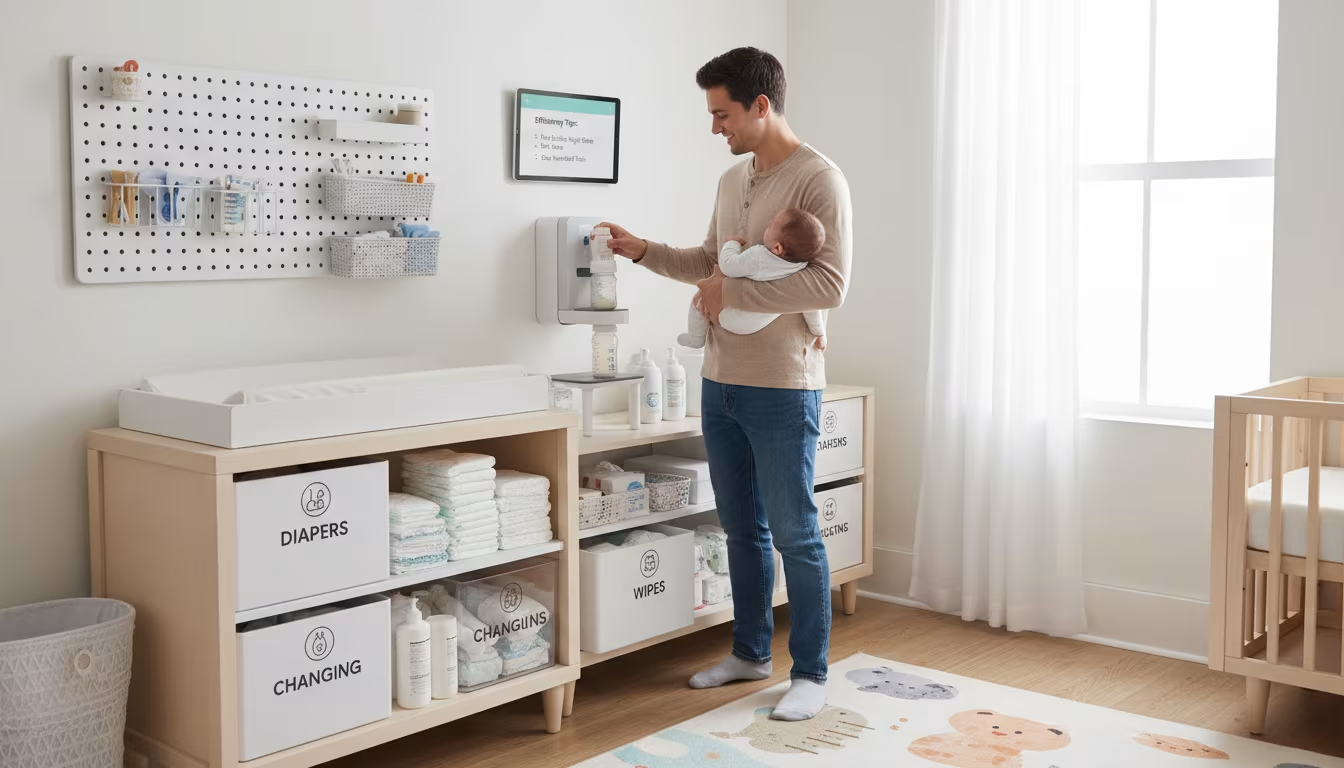
The first months with a newborn are less about doing everything right and more about not having to decide everything twice. When sleep is measured in ninety-minute pieces and the baby needs care again before you have finished the last cup of coffee, the systems that survive are the plain ones: a basket within reach, a safe place to lay the baby down, food you can eat with one hand. The point is to remove repeated decisions, not to turn a newborn into a productivity project.
Set up stations where care actually happens
New parents often picture one perfect nursery, then discover that diapers and clean shirts are needed in the living room at 2 p.m. and beside the bed at 2 a.m. Build small care stations in the places you already sit. Each one can hold diapers, wipes, a changing pad, a spare baby outfit, a parent shirt, hand sanitizer, and a small trash plan.
Keep every station simple enough to restock in under a minute. If it needs twelve bins and a label maker, it may quietly fail by day four. A basket on the floor beats a beautiful drawer across the house. Anything you might reach for during a blowout or a midnight feed should be grabbable without leaving the baby unattended.
Make safe sleep the default
Safe-sleep advice feels repetitive because tired adults reach for shortcuts. The American Academy of Pediatrics, through HealthyChildren.org, says babies should sleep on a firm, flat, non-inclined surface, on their back, with soft objects and loose bedding kept out of the sleep space. The trick is to put the safest setup in the easiest location, so the default choice is also the safe one.
In practice that means a fitted sheet on an approved crib, bassinet, portable crib, or play yard — and resisting the urge to let a convenience device become a sleep space just because the baby dozed off there once. HealthyChildren's safe sleep guidance is worth bookmarking for the moments when relatives offer older advice with real confidence.
Log feeds and store milk without tracking everything
A feeding log helps when the days blur together, but it should never become a scorecard for your parenting. Track the basics your clinician cares about: time, amount or nursing side if useful, and wet and dirty diapers. If you are pumping and storing human milk, storage times matter more than most other numbers, and guessing at 3 a.m. is how good milk gets thrown away.
The table below reflects the storage windows published in CDC's breast milk storage guidance. Label every container with the date and time before you chill or freeze it.
| Freshly expressed milk | Storage location | Use within |
|---|---|---|
| Room temperature | Countertop (up to about 77°F) | 4 hours |
| Refrigerator | Back of the fridge | 4 days |
| Freezer | Back of the freezer | 6 months (best); up to 12 months acceptable |
| Thawed (previously frozen) | Refrigerator | 1–2 days; do not refreeze |
If you use formula instead, prepare and store it according to the label and your pediatrician's instructions rather than adapting milk timelines to it.
Batch the chores and keep one-handed food ready
Newborn care creates tiny chores that return constantly: bottles, pump parts, laundry, trash, dishes, burp cloths, and snacks. Batch what you can. Wash feeding items at set times, run a small laundry load before the hamper becomes a wall, and reset one care basket before bed. Lower the standard on purpose — a clean towel within reach beats a perfectly folded one you never grab.
Food belongs to the same system. A freezer holding soup, burritos, muffins, chopped vegetables, and cooked rice is far more useful than an ambitious meal plan. The same logic behind freezing fresh vegetables applies here: portion small, label clearly, and make thawing easy. For the adult in the chair, keep food that survives interruption — wraps, boiled eggs, yogurt, cut fruit, cheese, and leftovers in single servings. A few stir fry sauces can keep rice, eggs, and frozen vegetables from tasting like the same meal every night. Put a water bottle and a snack wherever feeds happen, so eating does not depend on remembering to eat.
Make help specific before you need it
“Let us know if you need anything” is kind but useless when you are too tired to assign a task. Write the list before the baby arrives or before the next hard week: walk the dog, drop groceries at the door, hold the baby while I shower, take the older child to the park, fold one load of laundry. Specific requests get accepted — people will happily bring lunch Tuesday at noon but freeze when asked to solve “everything.”
Two caregivers can add a daily ten-minute check-in borrowed loosely from these interactive marriage seminar ideas, kept strictly practical: sleep, food, one stress point, one thing that needs doing, and one thank-you. It also helps to handle the boring paperwork early — one folder for birth records, insurance, pediatrician details, and immunization records — and, if it fits your family, to prepare for a later conversation using questions to ask an estate lawyer rather than avoiding the topic because it feels heavy.
Watch the adults, not only the baby
New parents get skilled at tracking ounces and diapers while ignoring their own sleep, pain, appetite, mood, and worry. Postpartum Support International offers help for perinatal mood and anxiety concerns, and the transition to parenthood is a genuine risk window for mental health, not a character test. If sadness, rage, panic, intrusive thoughts, or numbness feels intense or persistent, contact a clinician or crisis resource rather than waiting for the next routine checkup.
Night care deserves its own quiet plan made before the hardest night, not at 3 a.m. If there are two caregivers, decide who takes which window and what actually counts as an emergency. Solo-night parents need safe places to set the baby down, snacks and a charged phone within reach, and one person who can be called if the night turns unsafe. Night systems should be boring on purpose; the fewer choices required in the dark, the calmer the whole household stays.
This article is general information and is not medical advice. Ask your pediatrician or clinician about your own baby, feeding, sleep, or health concerns.
Frequently Asked Questions
What should new parents prepare before the baby arrives?
A safe sleep space, feeding supplies, diapers, a few freezer meals, emergency contacts, and a short list of specific help others can provide. Prepared systems matter more than a fully decorated nursery.
How can new parents get more sleep?
Use shifts when possible, drop optional chores, accept specific help, and keep nights boring so everyone returns to sleep faster. Protecting adult sleep is part of caring for the baby.
Do newborn care apps help?
They help when they track only useful basics such as feeds and diapers. If an app increases anxiety, simplify the log or switch to paper.
What is a good gift for new parents?
Food, errands, cleaning help, pet care, rides for older children, and nonjudgmental company usually beat decorative clutter.

Timothy Davidson
Edits step-by-step general-interest guides for clarity, realistic limits and source verification.



Leave a reply
Replying to