
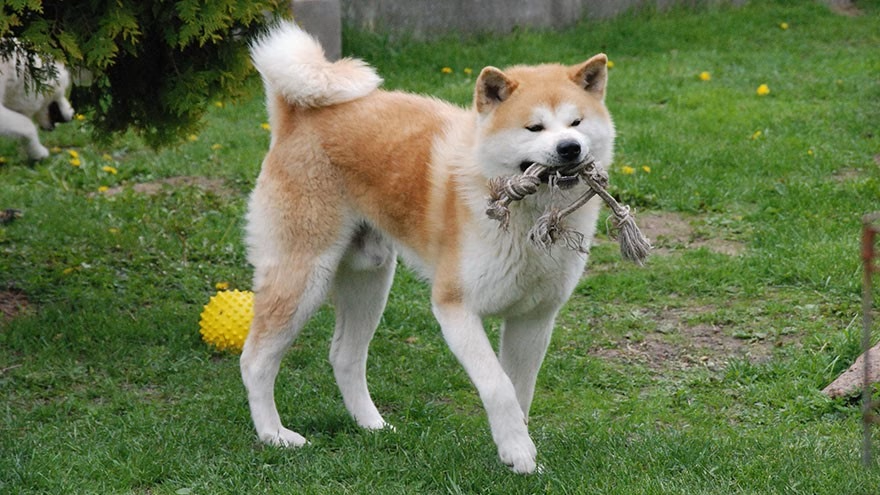
An Akita Inu training guide should be honest from the start: this is not a casual, everyone-gets-a-turn-at-the-leash kind of breed. Akitas are powerful, independent, loyal, clean, and often reserved with strangers. Training works when it builds trust, structure, and calm judgment, not when it tries to bully the dog into constant obedience.
Many owners love the Akita's dignity and quiet presence. Those same traits can become difficult if the dog is under-socialized, allowed to rehearse guarding, or treated like a dog-park social butterfly. The plan should begin early and continue for life.
What Makes Akita Inu Training Different?
The AKC recognizes both the Akita and the Japanese Akitainu, and both are serious spitz-type dogs with strong identity. The AKC Japanese Akitainu profile connects the breed to the official parent club and breed information. Owners should learn the specific line and type they are bringing home.
Akitas often think before responding. That can look stubborn, but it is not solved by shouting. Clear rules, calm rewards, and consistent household routines work better than emotional arguments.
When Should Training Start?
Start the first day at home. Teach name response, come, sit, down, wait, leave it, drop it, crate, leash pressure, grooming handling, and calm rest. Short sessions fit the breed better than repetitive drilling.
The AKC Akita profile describes the breed as dignified, courageous, and profoundly loyal. Those traits need early guidance. A puppy that learns polite routines becomes easier to manage as strength and confidence grow.
How Do You Socialize An Akita?
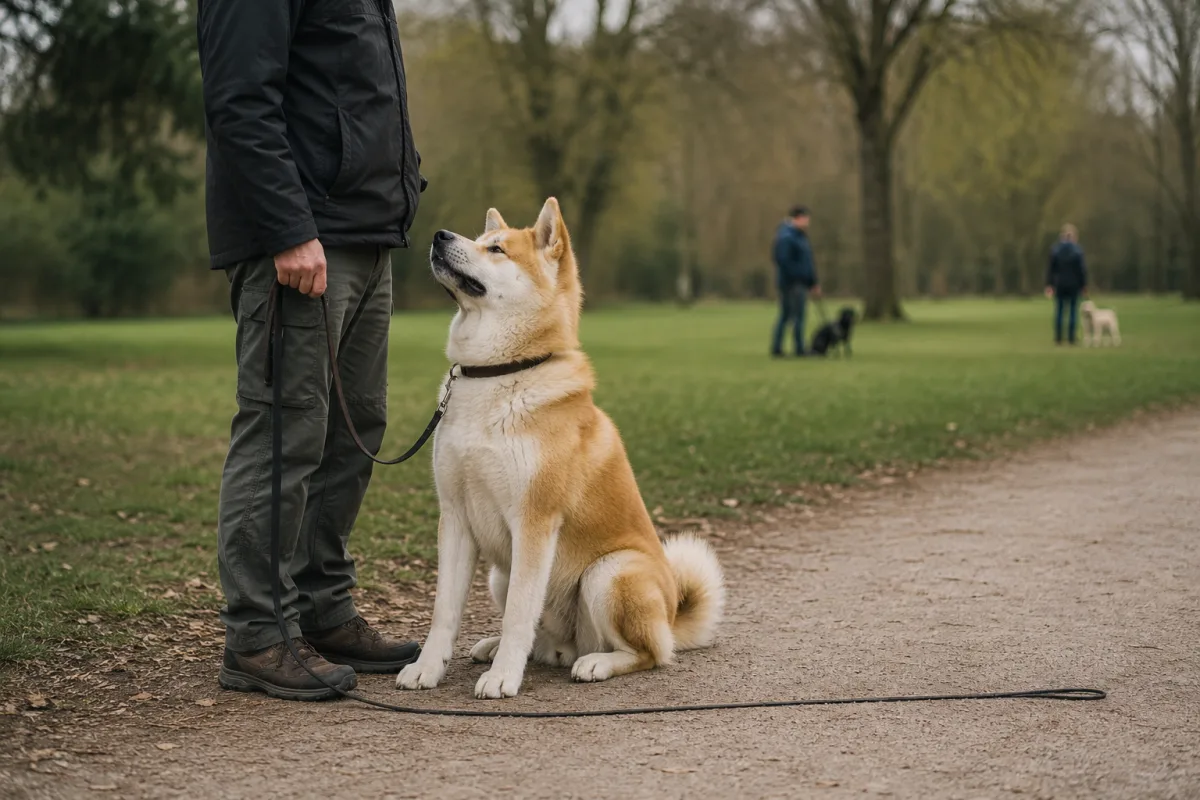
Socialization should create neutrality, not forced friendliness. Let the puppy experience people, surfaces, sounds, cars, vet handling, grooming, quiet dogs at a distance, and normal public movement. Reward calm observation and give space before the dog becomes overwhelmed.
VCA notes that Akitas are territorial and need young socialization with other dogs and people, and that many do not do well in dog parks. That is practical advice. A controlled walk near other dogs is often better than loose chaos.
Can Akitas Go To Dog Parks?
Many should not. Dog parks mix unknown dogs, poor owner control, toys, gates, crowding, and sudden movement. An Akita may tolerate some dogs and reject others, especially with maturity. That is not a failure if you plan for it.
Use parallel walks, calm training near parks, fenced private spaces, and known dog friends if appropriate. Do not let public pressure decide your dog's social life. If you compare another powerful breed, Livecub's Rottweiler questions show how size and temperament affect everyday choices.
How Do You Teach Recall?
Train recall, but manage expectations. Start indoors, pay well, and practice on a long line outdoors. Use a happy cue, reward generously, and release the dog back to calm exploration. Never punish the dog after it returns.
Many Akitas should stay leashed or fenced in open areas. Prey drive, independence, and selective dog tolerance can override a casual recall. Secure management is not an insult to the dog; it is respect for reality.
How Do You Handle Leash Manners?
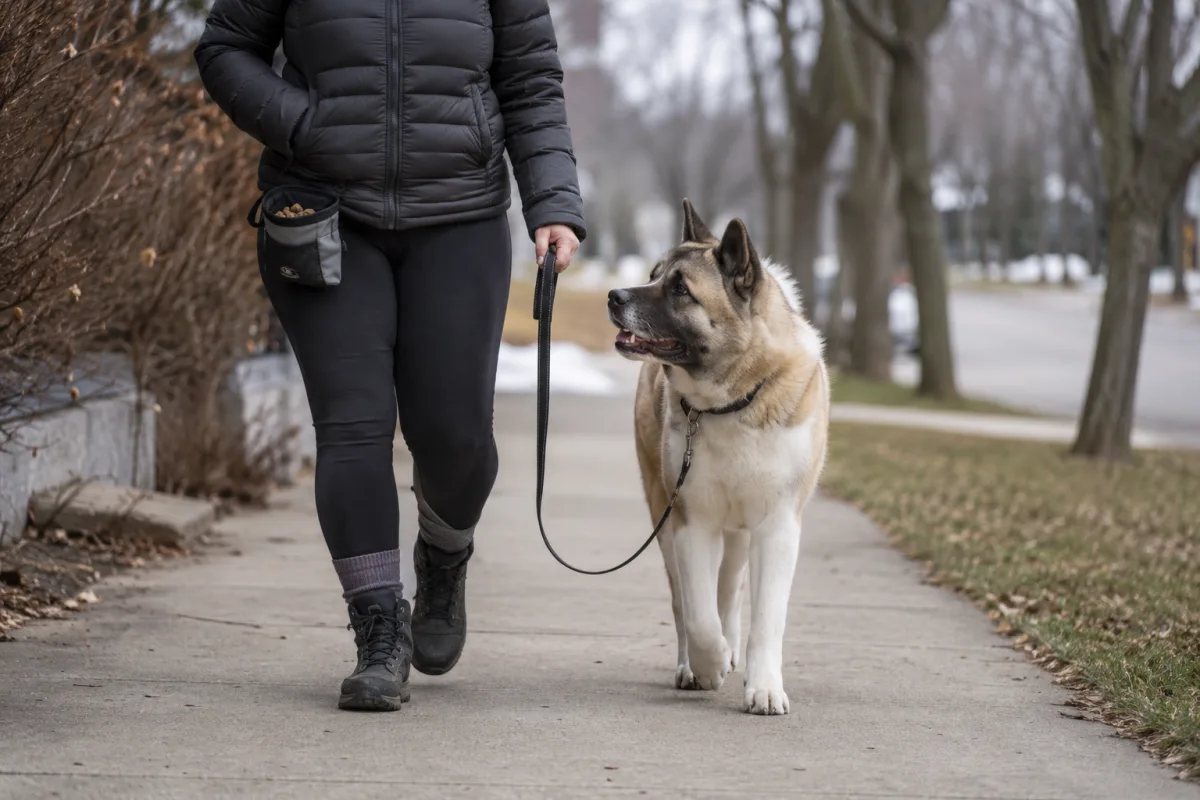
Begin before the dog is strong. Reward the dog beside you, stop when pulling starts, and practice turns in quiet places. Do not wait until adolescence to discover that a large Akita can move a person who was not ready.
Use clear walking routines. One cue can mean polite walking; another can mean sniff time. This gives the dog structure without denying its need to investigate. Livecub's biggest dog breeds article is a useful reminder that body size changes training stakes.
How Much Exercise Does An Akita Need?
Akitas need daily exercise and mental work, but they are not usually frantic all day. Walks, hiking in safe weather, obedience games, scent work, calm tug rules, and food puzzles can help. Heat management matters because of the coat.
Mental work is especially useful. A short training session that asks the dog to think may do more than another mile of frustrated leash pulling. If you like active-breed comparisons, Livecub's German Shorthaired Pointer questions show a different style of energy.
How Do You Manage Guarding And Territory?
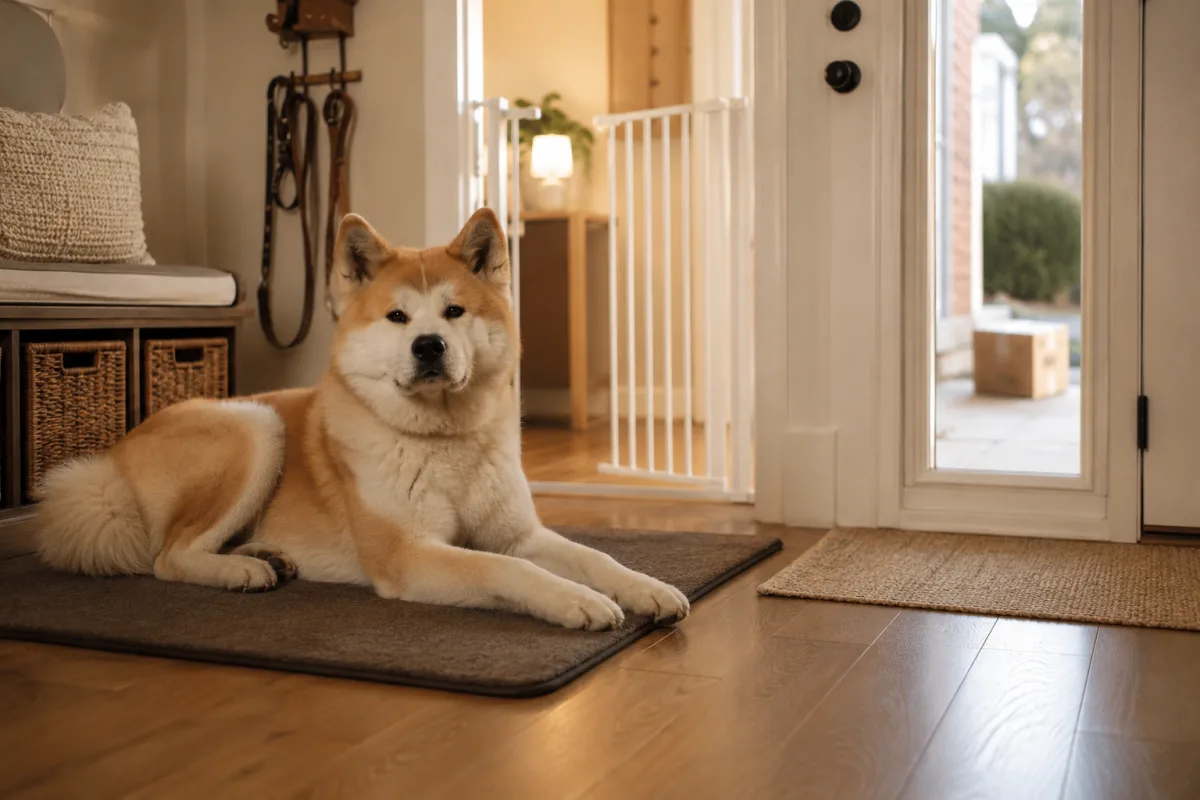
Do not encourage suspicion. Teach the dog that visitors, delivery sounds, and neighbors are handled by you. Use gates, leashes, place training, and rewards for calm observation. Prevent fence fighting, window rehearsals, and doorway rushing.
Resource guarding needs careful help. If the dog stiffens over food, toys, resting places, or people, do not grab and scold. Work with a qualified trainer or behavior professional who understands large, independent breeds.
What Grooming Handling Should Be Trained?
Teach brushing, nail handling, ear checks, mouth checks, collar holds, and calm standing. Akitas shed heavily at times, and grooming a large dog that resists can become a battle. Start when the dog is young and reward cooperation.
Livecub's longhair Dachshund grooming guide covers another coat, but the training principle is the same: make handling normal before it becomes urgent.
How Should A Daily Routine Look?
A good Akita routine gives the dog structure without constant noise. Start with a calm toilet break and walk, then a short training session before breakfast. Use food puzzles, scent games, or obedience practice instead of leaving all energy to build until evening.
Plan rest just as carefully as activity. Some Akitas become pushy when they are bored, but others become difficult because they are overstimulated. A place bed, crate, quiet room, or predictable rest time teaches the dog that the household does not revolve around constant access to every sound and visitor.
How Do You Train Around Children?
Akitas can be deeply loyal to family, but that does not remove the need for boundaries. Children should not climb on the dog, grab the face, sit in the dog's bed, or interrupt meals. The dog should learn calm exits, place cues, and polite movement through tight spaces.
Manage visiting children even more carefully. Running, squealing, rough play, and food can trigger poor decisions in many dogs, especially powerful breeds with strong personal space. Use gates, leashes, and supervised routines so the dog is not forced to make choices it has not been trained to make.
When Do You Need A Professional Trainer?
Call a qualified trainer or behavior professional if the Akita stiffens over food or toys, guards rooms, stalks other dogs, lunges at visitors, bites the leash, or refuses handling in ways that create risk. Early help is easier than waiting until the dog has rehearsed the behavior for months.
Choose help that respects the breed's independence and strength. A trainer should teach management, body language, reward timing, and clear household routines. The goal is not to win a contest with the dog. It is to build a life where the dog understands what is allowed and trusts the owner to handle pressure.
What Changes During Adolescence?
Adolescence can make an Akita look less cooperative than it was as a puppy. The dog may become more selective with dogs, more alert to property lines, slower to respond, or less tolerant of clumsy handling. This stage needs calmer structure, not louder correction.
Return to basics in easy places. Reward leash position, recall check-ins, calm doorway behavior, and relaxed handling. Reduce risky freedom until judgment improves. An adolescent Akita does not need a busier social calendar; it needs repeated proof that the owner's rules are steady everywhere. Keep sessions short enough that the dog can finish well, then stop before frustration builds for either of you.
Frequently Asked Questions
Are Akitas hard to train?
They can be challenging because they are independent and powerful, but they learn with calm consistency.
Can Akitas be off leash?
Many should stay leashed or fenced because prey drive, independence, and dog selectivity can override recall.
Are Akitas good with other dogs?
Some are selective, especially as adults. Careful introductions and management are necessary.
Do Akitas need a firm owner?
They need a calm, consistent owner. Harshness can damage trust and increase resistance.
What is the first thing to teach?
Name response, recall foundations, handling, crate comfort, and calm leash habits should start early.
What Is The Best Training Mindset?
Train the Akita like a thinking partner with serious instincts. Build trust, set rules early, socialize for neutrality, manage freedom wisely, and keep training calm. The reward is not a dog that loves every stranger. It is a dog that can live safely and confidently in your world.

Tory Stearns
Edits practical household, travel and lifestyle explainers. Claims that can change are linked to current primary or subject-authority sources.


Leave a reply
Replying to