

Baby Shower Gift Ideas for the Mom to Be are better when they help the mother, not only the nursery. The best gifts reduce work, support recovery, and respect infant safety.
Give Practical Support
ACOG says a postpartum support network can include family, friends, and health care professionals: ACOG postpartum support network.
Meal cards, rides, cleaning help, and sibling care can be better than another decorative item.
Ask what would actually help.
Avoid Unsafe Sleep Gifts
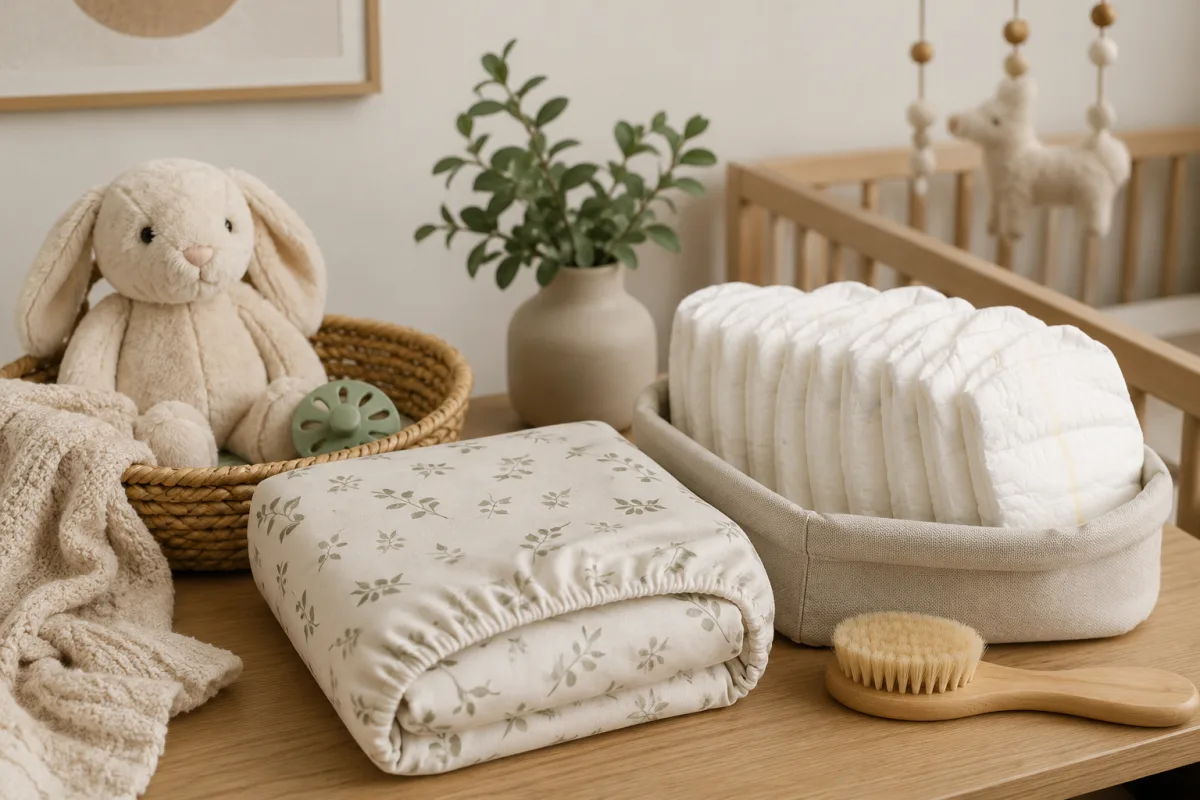
CPSC safe sleep guidance says bare is best and babies should sleep in products intended for sleep: CPSC safe sleep.
Skip loungers, pillows, wedges, and items that imply unsafe sleep.
Choose fitted sheets, diapers, or feeding support instead.
Support Warning-Sign Awareness
CDC lists urgent maternal warning signs and encourages immediate care for concerning symptoms: CDC urgent maternal warning signs.
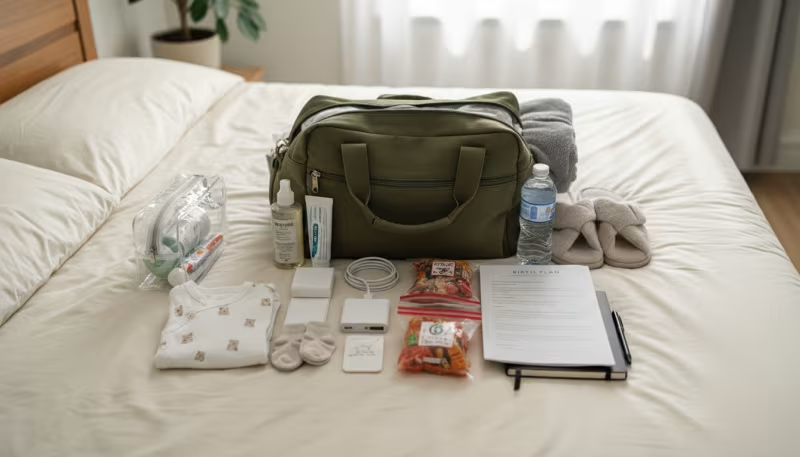
A thoughtful gift can include emergency contact cards, water bottle, snacks, and a ride plan.
Gifts should make care easier, not add clutter.
Think Past The Party
A baby shower gift should still be useful after the photos are taken. Ask what the mother will need at 2 a.m., at the first appointment, and during recovery.
That question points toward diapers, wipes, easy meals, feeding supplies, water bottles, soft clothing, pharmacy cards, and help with errands.
Decorative gifts can be sweet, but they should not crowd out items that reduce work. New parents usually remember the people who made a hard week easier.
If the registry is small, do not treat it as a challenge to be more creative. The listed items may reflect space, budget, safety, and feeding choices.
Choose Consumables And Services
Consumable gifts are often welcome because they do not need storage forever. Diapers in multiple sizes, wipes, freezer meals, snacks, and household supplies get used.
Services can be even better: cleaning, laundry, dog walking, sibling care, meal delivery, rides, or a scheduled visit where the guest does chores.
Make service gifts specific and easy to redeem. A vague promise creates emotional work for the mother, who has to ask later.
If money is tight, group gifts can cover one meaningful need instead of many small items that do not solve a real problem.
Keep Safe Sleep Plain
Safe sleep gifts should be boring in the best way: a firm approved sleep surface, fitted sheets, wearable blankets when appropriate, and no loose pillows or wedges.
Avoid novelty products that look cozy but are not meant for sleep. A tired parent may use whatever is nearby if the gift sends the wrong signal.
Do not gift used sleep products unless safety, recall status, parts, and instructions are verified. Missing hardware can turn a bargain into a hazard.
Attach the manual and leave warning labels in place. The gift should make safe use easier, not require the parent to search for rules later.
Match The Gift To The Mother
The mother is not only the person opening gifts for the baby. Include something for her recovery, comfort, hydration, food, privacy, or quiet.
Respect her preferences. Do not use a gift to push visitors, feeding choices, sleep methods, photos, or advice she did not request.
For a close friend, ask what would lighten the week after birth. For a coworker or distant relative, choose practical registry items or flexible cards.
A thoughtful gift does not need a clever theme. It needs to be safe, useful, and easy for the mother to accept.
Support roles matter, so emotional support during early labor fits any plan that asks another adult to stay calm and useful.
For nausea, low appetite, or postpartum recovery days, bland diets for pregnancy keeps food advice simple and gentle.
Mood changes deserve attention too; depression during pregnancy is a related pregnancy mental-health topic.
Start With Personal Care
For baby shower gifts for mom to be, public guidance is a starting point, not a personal plan. Medical history, trimester, blood pressure, prior birth, medication, mood, support, and distance from care can change the advice.
Use general information to prepare questions for an obstetric clinician. Bring dates, symptoms, product names, medicines, and what has already been tried.
If symptoms feel urgent, call the care team, labor unit, or emergency services instead of waiting for a routine appointment.
Know Warning Signs
Pregnancy and postpartum warning signs should be written down where support people can see them. Severe headache, chest pain, trouble breathing, heavy bleeding, fainting, fever, vision changes, and thoughts of self-harm need prompt attention.
Support people should not minimize symptoms because pregnancy is expected to be uncomfortable. Some symptoms are common; others are warning signs.
When in doubt, state the facts to a clinician and let trained staff triage the concern.
Plan The Support Work
Useful support is specific: drive, call, take notes, bring food, manage older children, handle pharmacy trips, protect rest, or sit quietly during labor.
The pregnant person should not have to manage everyone else's feelings while managing symptoms.
A support plan should name people, phone numbers, backup rides, and who can make a call if the pregnant person cannot.
Keep Food, Fluids, And Rest Visible
Pregnancy care is harder when the basics disappear. Keep water, small meals, snacks, rest blocks, and appointment reminders visible.
If nausea, pain, stress, or work makes eating and sleeping nearly impossible, treat that as a care issue.
Support can be practical instead of dramatic: make a meal, refill water, drive to an appointment, or take over a chore.
Prepare For Change
Pregnancy plans change because bodies change. What worked last week may not work after swelling, nausea, pain, fatigue, or a new medical instruction.
Review the plan after appointments, after symptoms change, and before the final weeks of pregnancy.
A flexible plan is stronger than a perfect-looking plan that cannot adjust.
Protect Privacy And Consent
Support people can help without taking over. Ask what information may be shared, who is allowed in appointments, and how decisions should be discussed.
The pregnant person's comfort, consent, and medical privacy matter even when family members are excited or worried.
If the topic includes legal rights, paternity, or family conflict, get state-specific legal advice rather than relying on general pregnancy guidance.
Create A Follow-Up Note
After a call, appointment, procedure, or birth plan discussion, write down what was decided and what should happen next.
A follow-up note can include symptoms to watch, medication instructions, next appointment, product limits, and who is responsible for each task.
This note is especially useful when several support people are helping.
Before Trying It
Before using advice about baby shower gifts for mom to be, write one page that includes the plan, the reason for it, who is helping, and when to call the care team.
Keep the page short enough that someone can use it during a stressful moment. Phone numbers, symptoms, medications, allergies, and transport details should be easy to find.
Support should be agreed, not assumed. Ask what kind of help is welcome, what should stay private, and who can receive updates if plans change.
Products, comfort measures, gifts, and routines should all be checked against the pregnant person's symptoms and medical instructions. What helped a friend may not fit this pregnancy.
Make room for rest and food before the day becomes hard. Small supports work better when they are ready before nausea, swelling, pain, or fatigue is high.
If a warning sign appears, stop the plan and call. Do not keep massaging, crafting, shopping, traveling, or waiting because the activity was already scheduled.
After any call or appointment, update the note. Pregnancy guidance is easier to follow when the latest instruction is written where support people can see it.
If the plan feels hard to explain, slow it down. A clear next step, a phone number, and one calm support person are more useful than a long plan nobody can follow.
Keep that note where it can be found quickly.
Frequently Asked Questions
What is the first step for baby shower gifts for mom to be?
Use public guidance to prepare questions, then ask the obstetric care team how it applies to the pregnancy.
When should someone call urgently?
Call for heavy bleeding, chest pain, trouble breathing, fainting, severe headache, vision changes, fever, severe pain, or thoughts of self-harm.
What can a support person do?
Drive, take notes, prepare food, manage calls, protect rest, watch warning signs, and respect privacy.
Can advice online replace prenatal care?
No. Online information cannot account for personal history, symptoms, or local emergency care.
How should decisions be recorded?
Write down symptoms, calls, instructions, appointments, products used, and follow-up steps.
This article is for general information only and is not medical, pregnancy, labor, or emergency advice. Contact your obstetric care team for personal guidance and call emergency services for urgent symptoms.

Chiara Bradshaw
Covers education, culture and creative topics with an emphasis on readable explanations and verifiable references.



Leave a reply
Replying to