
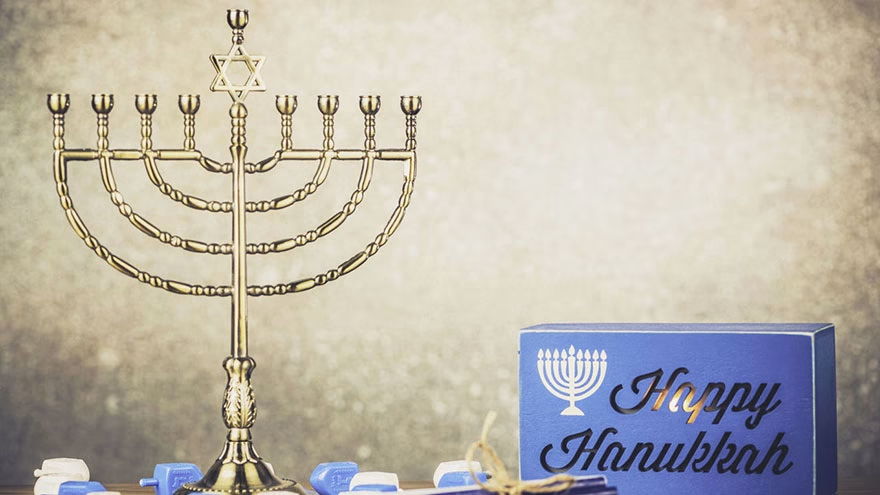
A Blue and White Home Is Only One Hanukkah Look
A blue and white home can look beautiful for Hanukkah, but it is not the only way to make the holiday feel present. Candlelight, oil, metal, glass, books, paper, food, family objects, and a set table can carry more meaning than a strict color rule. The home should feel like the people who live there.
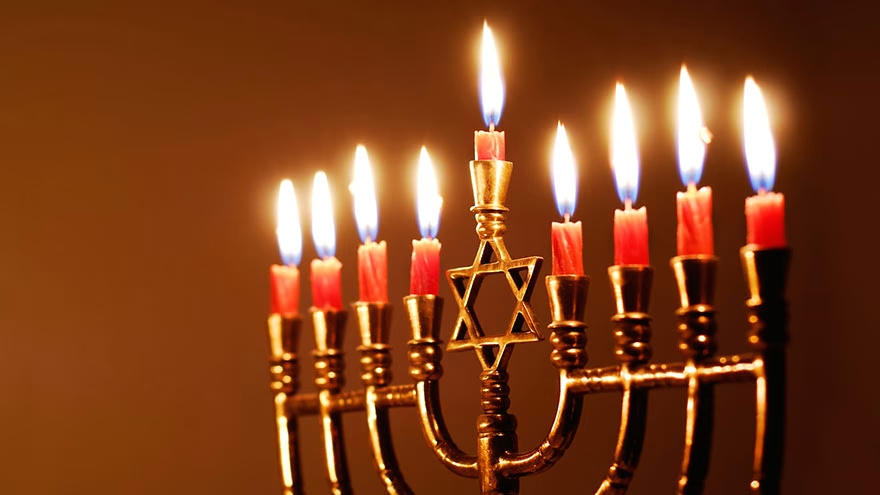
My Jewish Learning's Hanukkah 101 guide notes that much of Hanukkah activity takes place at home, with lighting the hanukkiah or menorah at the center. That gives the room a natural focal point before any decoration is added.
Blue and white can stay in the palette, but they do not need to dominate every napkin, ribbon, and candle. Start with the light, then build the room around it.
Why Blue and White Became So Familiar
In many American homes, blue and white feel like default Hanukkah colors. Time's history of Hanukkah colors explains that the blue-and-white association in the United States is tied more to modern American Jewish culture and the colors of the Israeli flag than to a fixed religious rule for the holiday.
That history matters because it gives families permission to decorate with more range. Blue, white, and silver can be part of the room without becoming a theme that erases everything else.
Try adding warm metal, olive green, amber glass, cream linens, deep navy, natural wood, clay, or soft gray. These colors still sit comfortably beside blue and white, but they make the room feel less like a store display.
For the first evening of the holiday, Livecub's first night of Hanukkah guide can help match the decor to the actual flow of the night.
Start With the Entry and Table
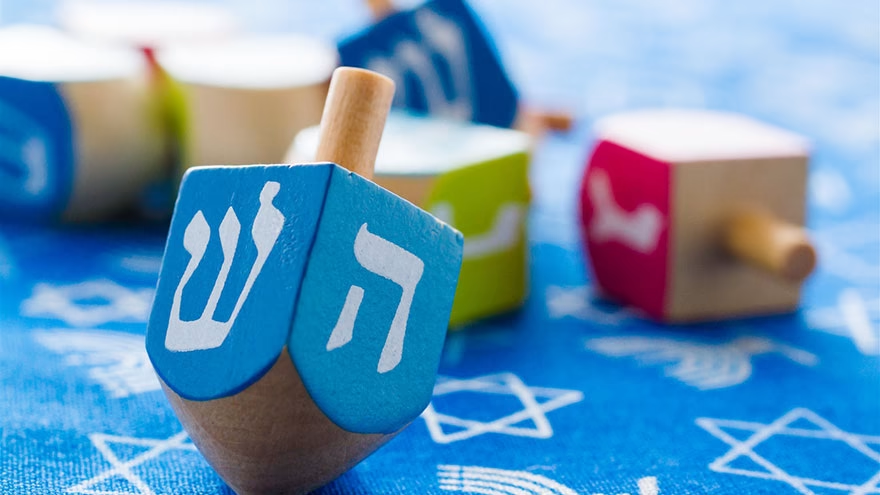
If you do not want to redecorate the whole home, focus on the entry and the table. A small tray near the door, a bowl for dreidels, a blue runner, a brass dish, or a simple paper garland can signal the holiday without filling every room.
The table can carry the main color story. Use everyday dishes if they are beautiful and practical. Add one seasonal layer: folded napkins, a low centerpiece, blue glass, fresh greenery, or a small dish of chocolate coins.
Choose two zones rather than scattering tiny decorations everywhere. The home will feel calmer, and guests will understand where the holiday focus is.
Let the Menorah Shape the Room
The menorah is already sculptural. A brass menorah, ceramic menorah, glass menorah, modern metal menorah, or inherited family menorah will suggest different colors and textures around it.
The National Endowment for the Arts wrote about the Jewish Museum's Hanukkah lamp collection in Hanukkah lamps and history, noting how lamps can hold personal, historic, and cultural stories. That is a better starting point than matching everything to wrapping paper.
Place the menorah where it can be seen and used safely. Keep flammable garland, paper, napkins, curtains, and dried flowers away from flame. If children are helping, keep the setup clear and supervised.
The menorah should not compete. Let the surrounding decor support it rather than burying it in shiny objects.
Use Texture Instead of More Color
If the room already has blue and white, add texture instead of more color. Linen napkins, a woven runner, hammered metal, ceramic dishes, matte paper, wood trays, and clear glass can change the mood without making the palette busy.
Candlelight likes texture. It catches on metal edges, glass rims, and folded fabric. A simple table with one strong menorah, a low runner, and a few small dishes can feel more considered than a room filled with themed items.
Paper decorations can work well if they are kept away from flame. Cut paper stars, simple place cards, handmade garlands, or children's art can make the home feel lived in rather than staged.
For a dessert or snack table, Livecub's cookie display guide is useful for spacing, height, and keeping food from looking crowded.
Layer Light Without Overdoing It
The menorah gives the central light, but the rest of the room can stay soft. Use warm lamps, low string lights away from flame, or reflective surfaces that catch candlelight. Avoid lighting that makes the space feel like a party supply aisle.
Mirror, glass, and metal can multiply the glow. A small brass tray under serving pieces, clear glass cups, or a polished bowl can add warmth without adding more color.
If using electric lights, tape down cords or keep them behind furniture. A beautiful setup is not worth a tripping hazard.
Bring in Oil, Food, and Table Warmth
Hanukkah food already brings color. Latkes, applesauce, sour cream, jelly doughnuts, citrus, herbs, chocolate coins, and warm drinks can do more for the room than another package of blue decorations.
Use serving pieces as decor. A wooden board, small bowls, white plates, amber glasses, or a tray for toppings can make the table feel deliberate. Food should be easy to reach, not arranged like a fragile centerpiece.
Moments around food are also where guests linger. Keep the table practical: napkins nearby, serving utensils clear, and hot items away from small hands.
Livecub's fudge icing recipe is not a Hanukkah recipe, but it can fit a dessert table if the family tradition leans chocolate.
Add Personal Objects
A home feels more meaningful when it includes objects with memory. Use a grandparent's candlesticks, a child's drawing, a favorite serving dish, a family photo, a travel souvenir, a handmade dreidel, or a book of blessings.
Not every object needs to be blue or white. In fact, personal items often look better when they keep their own color. A room becomes warmer when the holiday sits inside the family's real life.
If hosting children, add a small game area away from flame and food traffic. Livecub's Hanukkah party games guide can help keep the decor and activity plan connected.
Personal beats coordinated when the coordinated version feels empty.
Make Room for Children and Guests
A home with children does not need fragile decor everywhere. Put paper crafts, dreidels, books, and games where kids can reach them safely. Keep breakable pieces and candle items higher or farther back.
Guests also need somewhere to land. Leave part of a counter clear for food, keep a place for coats, and avoid centerpieces that block conversation. The best holiday rooms make people comfortable before they notice the details.
Decor should support the evening. If it gets in the way of lighting, eating, talking, or playing, simplify it.
Keep the Decor Safe and Usable
Holiday decor fails when it makes the room hard to use. Leave space for plates, chairs, coats, candle lighting, and conversation. Do not cover every flat surface.
Keep open flames away from anything that can catch. If using electric lights, avoid overloaded outlets and loose cords where people walk. If using oil, protect the surface beneath the menorah.
After candle lighting, the room should still function. Guests should know where to sit, where to put cups, and where children can move.
Decorating a Small Home
In a small apartment, use height and repetition instead of bulk. A narrow runner, one tray, a few matching napkins, and a safe menorah setup can do enough. Do not fill the only table with objects that must be moved before dinner.
Repeat one material rather than one color. Brass candlesticks, brass napkin rings, and a brass serving spoon can make the room feel connected without forcing everything into blue and white.
Use decorations that pack flat: paper pieces, fabric runners, small cards, and reusable ribbon. They store easily and do not take over closets after the holiday. Label the storage bag clearly for next year before storing everything.
Frequently Asked Questions
Does Hanukkah decor have to be blue and white?
No. Blue and white are familiar in many American homes, but Hanukkah decor can include warm metals, glass, wood, paper, food, and personal objects.
What should be the focal point of Hanukkah decor?
The menorah is usually the natural focal point because candle lighting is central to the holiday at home.
How can I make Hanukkah decor feel less commercial?
Use family objects, handmade paper pieces, real serving dishes, books, candlelight, and food rather than relying only on themed decorations.
Is it safe to decorate around the menorah?
Yes, but keep paper, fabric, garland, curtains, and other flammable materials away from flame or hot oil.

Olivia Prete
Edits culture and personal-development articles, distinguishing opinion and experience from verifiable claims.
Leave a reply
Replying to