
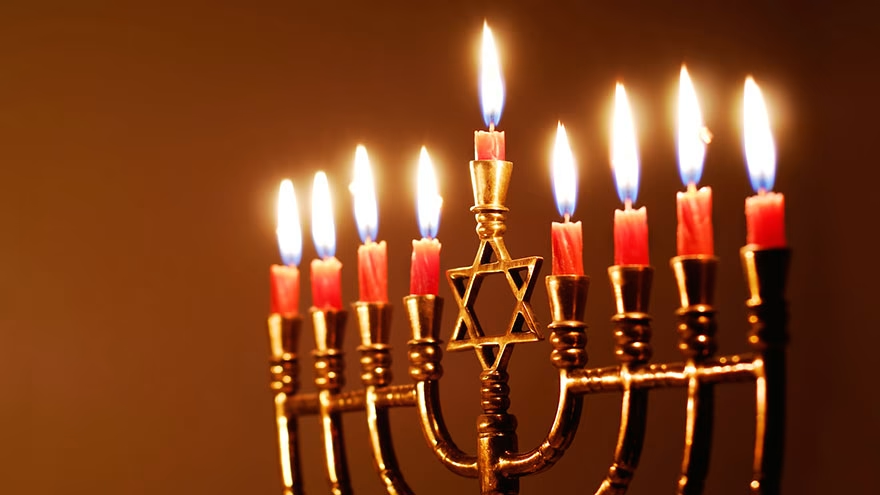
The First Night of Hanukkah Sets the Pace
The first night of Hanukkah can be simple and still feel meaningful. The main ritual is lighting the first candle on the menorah, saying the blessings, and letting the light become the center of the evening. Food, games, songs, and gifts can support that moment, but they do not need to crowd it.
My Jewish Learning's Hanukkah candle-lighting guide explains the basic candle-lighting order and blessings. Use a trusted local custom if your family or community has one, because Jewish practice can vary by tradition.
Start with the candles, then build the night around them.
Prepare the Menorah Before Sunset
Set up the menorah before the evening gets busy. Choose a stable surface away from curtains, paper, pets, and small children. Put matches or a lighter nearby, check that the candles fit securely, and decide where everyone will stand.
On the first night, place one candle in the menorah plus the shamash, the helper candle used for lighting. Many households place candles from right to left and light from left to right, beginning with the newest candle. Follow your family's custom if it differs.
Livecub's Beyond the Blue and White Home can help if you want holiday decor that feels warm without turning the ritual space into a cluttered display.
Say the Blessings Slowly
The first night includes the regular candle blessings and the Shehecheyanu, a blessing said at special first moments. If someone in the home does not know the Hebrew, print or open the words ahead of time so the lighting does not become a scramble.
Reform Judaism's Hanukkah candle lighting page gives a clear version of the blessing sequence and candle-lighting practice. Families can use it as a reference without needing the night to feel formal.
Go slowly enough for children and guests to follow. The first night is a good time to explain what is happening in plain language.
The ritual lands better when no one feels rushed.
Let the Candles Have Their Moment
After lighting, pause before the room moves back into dinner, gifts, or cleanup. Sit nearby, sing, talk, or simply let the candles burn while people settle. That small pause gives the night its shape.
If guests are talking loudly or children are excited, gently bring attention back to the menorah for a minute. The first night does not need to be solemn, but it should not skip past the light too quickly at home either tonight.
Keep Candle Safety Part of the Ritual
Hanukkah candles are meant to be seen, but they still need ordinary fire safety. Do not leave lit candles unattended. Keep the menorah on a heat-safe, stable surface. Move decorations, napkins, gift wrap, and sleeves away from flame.
If young children are helping, give them a role that fits their age. They can set out napkins, choose a song, pass out dreidels, or stand beside an adult during lighting. The person actually lighting the candles should be steady and focused.
Do not move the menorah after lighting unless there is a safety problem. Plan placement first so the candles can burn peacefully.
Choose the Right Place for the Light
Many households place the menorah where it can be seen, because publicizing the miracle is part of Hanukkah practice. That might mean a window, a doorway, or another visible place, depending on safety and family custom.
Visibility should not override caution. If a window ledge is narrow, drafty, or close to curtains, choose a safer table. The ritual should bring attention to the light, not anxiety about the flame.
If you live in an apartment, shared building, dorm, or place with candle restrictions, check rules early. Some people use electric menorahs for display while lighting candles safely in another permitted setting.
Tell the Story Without Turning It Into a Lecture
Hanukkah remembers the rededication of the Temple and the story of oil lasting eight days. It also carries themes of Jewish resilience, religious practice, light, and identity. The first night can hold all of that without becoming a speech.
For young children, tell the story in a few sentences. For older children or adults, ask one question: what does it mean to bring light into a dark season? That question can open a better conversation than a long explanation.
Chabad's menorah lighting instructions give another traditional reference for lighting practice and placement.
Plan Simple Food
Hanukkah food often honors oil through latkes, sufganiyot, and other fried foods. On the first night, choose a menu you can manage. A tray of latkes, applesauce, sour cream, salad, soup, or store-bought doughnuts can be enough.
If you are hosting, do not let frying keep you away from the candle-lighting. Make part of the meal ahead, keep toppings simple, and decide whether the food comes before or after the candles.
For dessert presentation, Livecub's cookie display guide can help if you are setting out rugelach, cookies, doughnuts, or small sweets for guests.
Make Space for Children
Children often remember Hanukkah through small jobs. Let them place napkins, choose the first song, hand out dreidels, count the candles, or help plate food. If they are old enough to help with blessings, practice before the evening.
Keep explanations short and repeatable. "Tonight we light one candle because it is the first night" is enough for a young child. Older children may be ready to talk about courage, identity, and why light matters in winter.
Participation teaches better than a rushed speech.
Use Dreidel and Games for Connection
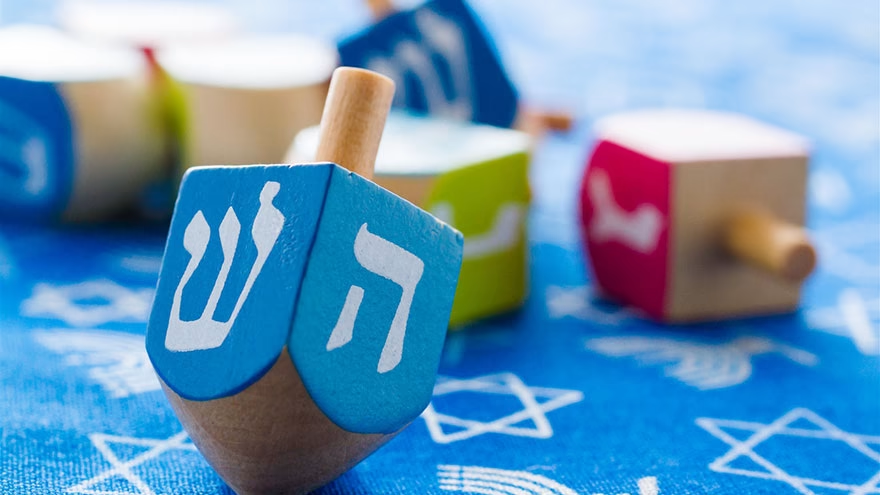
Dreidel is easy to teach and works well after the candles are lit. Use gelt, raisins, nuts, stickers, or small tokens. If the group includes mixed ages, keep the stakes light so the game stays playful.
Livecub's Hanukkah party games article is a natural next step if you want more than dreidel, especially for a family gathering or school-age children.
Games should support the night, not drown out the candles.
Gifts, Music, and Family Rhythm
Some families give gifts on the first night. Others give gelt, books, pajamas, charity money, or no gifts at all. There is no need to copy another household's rhythm if it does not fit yours.
Music can help the evening feel shared. Sing one song after lighting, play a quiet playlist during dinner, or let children choose a favorite. Keep the first night manageable so you have energy for the rest of the holiday.
If guests are new to Hanukkah, explain what is happening without making them perform expertise. A welcoming table can teach through participation.
Include Giving Without Making It Formal
Some families use Hanukkah as a time to talk about tzedakah, giving, and responsibility. On the first night, that can be as simple as setting aside coins, choosing a cause, or letting children help decide where a small donation will go.
Giving does not need to replace gifts or games. It can sit beside them as a reminder that celebration is not only about receiving. Keep the gesture concrete so children can understand it.
A small act of giving can become a yearly habit.
Set Up the Rest of the Week
The first night can also make the next seven nights easier. Put candles in one place, keep matches or a lighter nearby, plan one or two simple meals, and decide which nights will be quiet and which nights might include guests.
Do not try to make every night equally big. Hanukkah lasts eight nights, and a sustainable rhythm often feels better than a packed schedule. One night can be for family, one for friends, one for a game, and one for a quiet lighting.
Before bed, check that candles are fully out and the ritual space is ready for tomorrow. That small reset makes the second night calmer.
Frequently Asked Questions
How many candles do you light on the first night of Hanukkah?
You light one Hanukkah candle, using the shamash helper candle to light it.
What blessings are said on the first night?
The first night usually includes the candle blessings and Shehecheyanu, though wording and practice may vary by tradition.
Can non-Jewish guests attend a Hanukkah lighting?
Yes, if invited respectfully. Explain the ritual simply and let guests participate in ways that feel appropriate.
Should food be served before or after lighting?
Either can work. Many families light first, then eat, but safety, timing, and family custom should guide the plan.

Chiara Bradshaw
Covers education, culture and creative topics with an emphasis on readable explanations and verifiable references.
Leave a reply
Replying to