
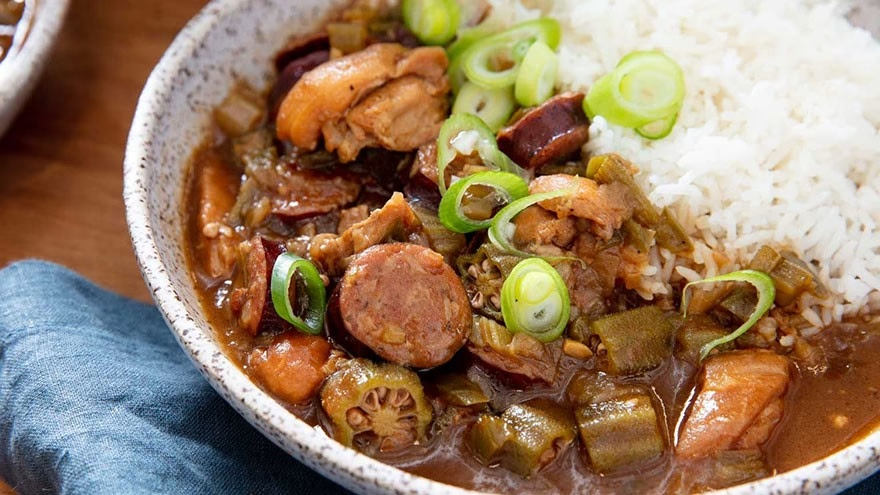
Why This Chicken and Sausage Gumbo Works
Chicken and sausage gumbo is not a quick soup with Cajun seasoning sprinkled on top. The flavor comes from a dark roux, browned sausage, seasoned chicken, the onion-celery-bell pepper trinity, stock, and time. If the roux is pale, the gumbo tastes flat. If the roux burns, the whole pot tastes bitter.
Explore Louisiana's chicken and sausage gumbo recipe uses andouille, chicken, oil, flour, trinity vegetables, stock, garlic, bay leaves, seasoning, hot sauce, green onions, and filé powder. That gives a solid Louisiana reference point for building a home version.
This recipe keeps the spirit practical: use a careful roux, avoid rushing the vegetables, simmer until the chicken is tender, and serve over rice. Tomatoes are left out here because many Cajun-style chicken and sausage gumbos do not need them.
The key is patience at the roux. Everything after that is easier.
Ingredients for the Gumbo
This makes a generous pot for about six to eight servings, depending on rice and appetite.
- 3/4 cup neutral oil or rendered fat
- 3/4 cup all-purpose flour
- 1 1/2 pounds boneless chicken thighs, cut into large bite-size pieces
- 1 pound smoked andouille or smoked sausage, sliced
- 1 large yellow onion, diced
- 1 green bell pepper, diced
- 3 celery ribs, diced
- 4 garlic cloves, minced
- 2 quarts chicken stock, warm
- 2 bay leaves
- 1 teaspoon dried thyme
- 1 to 2 tablespoons Cajun seasoning, adjusted for salt level
- Hot sauce, green onions, parsley, cooked white rice, and filé powder for serving
Use chicken thighs if possible. They stay tender through the simmer better than lean breast meat. If your sausage is very salty, reduce added seasoning until the gumbo has simmered.
For another chicken recipe with a different flavor direction, Livecub's easy Yugoslavian chicken recipe is useful for comparing how seasoning and cooking liquid change the whole dish.
Ingredient Notes Before You Start
Use a neutral oil with a high smoke point for the roux. Butter tastes good in many dishes, but it can scorch during a long dark roux. If you have rendered chicken fat, use part fat and part oil for a richer pot.
Andouille brings smoke, salt, and garlic. If you use a milder smoked sausage, the gumbo may need more pepper, thyme, or hot sauce at the end. Taste after simmering before adding a heavy hand of seasoning.
Warm stock blends into the roux more smoothly than cold stock. It also helps the pot return to a simmer faster. Cold liquid can clump if it is poured in too quickly, so add stock in stages and stir the bottom of the pot.
Make the Dark Roux
Set a heavy pot over medium heat and add the oil. Whisk in the flour until smooth. Cook, stirring constantly, until the roux turns deep brown and smells nutty, not scorched. This can take time, and the color should build gradually.
Do not walk away. A dark roux can move from perfect to burned quickly. If it smells acrid or has black specks, throw it out and start over. No amount of sausage can hide burned flour.
When the roux reaches the right color, add the onion, bell pepper, and celery. The vegetables will slow the browning and release moisture. Stir until they soften and pick up the roux.
Roux color builds flavor. A gumbo with a proper roux tastes deeper before any extra seasoning is added.
Brown the Sausage and Chicken
Brown the sausage in a separate skillet or before making the roux if you prefer. Browning adds flavor and lets you judge how much fat the sausage gives off. Remove it and set it aside.
Season the chicken lightly and brown it in batches. It does not need to cook through at this stage. The goal is surface flavor and better texture during the simmer.
After the vegetables soften in the roux, add garlic and stir briefly. Then slowly add warm stock while stirring so the roux blends smoothly. Add sausage, chicken, bay leaves, thyme, and some Cajun seasoning.
For seasoning blends, Livecub's homemade seasoning mix guide covers a different cuisine, but the same principle applies: control salt before adding more spice.
Season Without Turning the Pot Salty
Cajun seasoning blends vary wildly. Some are mostly salt; others are pepper, garlic, onion, paprika, and herbs with little sodium. Read the label or taste a pinch before adding a full tablespoon.
Build the flavor in smaller steps. Add some seasoning when the chicken goes in, simmer, then taste the broth after the sausage has given up its salt. Hot sauce, black pepper, cayenne, and green onions can add life without dumping in more sodium.
If the gumbo becomes too salty, add unsalted stock and simmer a little longer. More rice in the bowl helps, but it does not truly fix the pot. Season late if the sausage is salty.
Simmer Until the Gumbo Comes Together
Bring the pot to a gentle simmer, then cook until the chicken is tender and the broth tastes rounded. Skim excess fat if needed. Stir now and then so nothing sticks to the bottom.
The Southern Foodways Alliance's short history of gumbo explains how gumbo reflects multiple cultural influences, including okra, filé, and dark roux traditions. That history helps explain why no single pot represents every family or region.
Okra can be added if you like its body and flavor. Filé powder should usually be added off heat or at the table because it can turn stringy if boiled hard. Rice should be cooked separately so leftovers do not become gluey.
Serve gumbo over white rice with green onions, parsley, hot sauce, and filé if desired. Livecub's basic corn souffle recipe would make a soft, sweet side if the meal needs balance.
Serving and Make-Ahead Tips
Cook the rice separately and keep it plain. Gumbo is already seasoned, smoky, and rich, so the rice should give the bowl structure without competing. Long-grain white rice is common, but use what your household likes.
For a party, make the gumbo one day ahead and reheat it gently. The rest gives the flavors time to settle. Keep toppings separate so green onions and parsley stay fresh instead of wilting into the pot.
If the gumbo thickens overnight, loosen it with warm stock or water. Add liquid in small splashes because cold leftover gumbo can look thicker than it will after reheating.
Set hot sauce on the table instead of forcing one heat level into the whole pot.
Food Safety and Storage
The USDA FSIS safe temperature chart lists 165 degrees Fahrenheit for poultry. Check large chicken pieces if you are unsure, especially when using mixed cuts.
Cool leftovers promptly in shallow containers and refrigerate. Reheat until hot. Gumbo often tastes better the next day, but rice should be stored separately for the best texture.
Do not cool a huge pot slowly. Divide it so the center cools faster and the refrigerator is not forced to handle one heavy, steaming container.
For a broader poultry comparison, Livecub's grilled whole duck recipe shows why different poultry dishes need different timing and doneness checks.
How to Fix Common Gumbo Problems
If the gumbo tastes flat, it may need salt, longer simmering, a darker roux next time, or more browned sausage flavor. Add seasoning in small steps because sausage and Cajun blends can already be salty.
If it is too thick, add warm stock. If it is too thin, simmer uncovered or use okra in a future batch. Do not dump raw flour into the pot at the end; it will taste pasty.
If the gumbo is greasy, skim the surface or chill leftovers and remove solidified fat. A little sheen is normal, but a slick layer can make the bowl feel heavy.
The best gumbo lesson is simple: build flavor in layers, keep the roux moving, and let the pot settle into itself.
Frequently Asked Questions
Can I use chicken breast in gumbo?
Yes, but thighs usually stay more tender during the simmer. If using breast, avoid overcooking.
Does Cajun gumbo need tomatoes?
Not usually for this style. Some regional or family versions use tomatoes, but this chicken and sausage version does not need them.
What is the Cajun trinity?
It is onion, celery, and bell pepper, the vegetable base for many Cajun dishes.
Can gumbo be made ahead?
Yes. It often improves after resting. Store gumbo and rice separately and cool leftovers promptly.

Cashie Evans
Covers parenting and practical household topics with clear steps, safety notes and links to current guidance.




Leave a reply
Replying to