
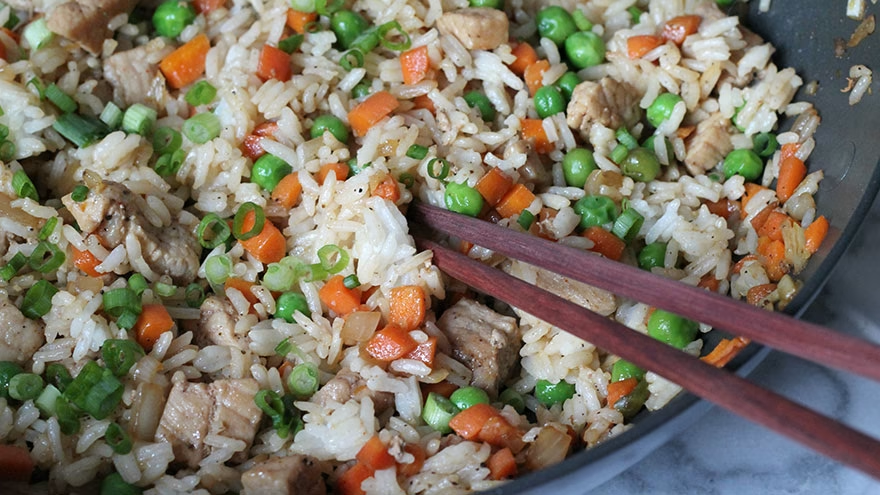
Pork Fried Rice Works Best With Cold Rice
To make pork fried rice that tastes like fried rice rather than soft rice casserole, start with cooked rice that has been chilled. Cold rice separates in the pan, absorbs seasoning more evenly, and browns better. Fresh hot rice carries too much steam and can turn sticky before the pork and vegetables finish.
FoodSafety.gov's cold food storage chart lists cooked leftovers for a short refrigerated window. For fried rice, that means chilled rice is useful, but it still needs safe cooling and storage.
Texture starts before the pan gets hot.
Ingredients
For four generous servings, use about 4 cups cooked chilled rice, 10 to 12 ounces thin-sliced pork, 2 eggs, 1 cup diced vegetables, 3 sliced scallions, 2 tablespoons neutral oil, 1 to 2 tablespoons soy sauce, 1 teaspoon toasted sesame oil, garlic, ginger, and white pepper.
Use peas, carrots, corn, cabbage, bell pepper, or whatever cooks quickly. Keep vegetables dry. Wet vegetables steam the rice and cool the pan. If using frozen vegetables, thaw and pat them dry first.
For a seasoning companion, Livecub's Asian seasoning mix guide can help readers think through garlic, ginger, soy, and heat without overcomplicating the dish.
The pan should fry, not steam.
Prepare the Rice the Day Before
Cook the rice a little firm, spread it out so steam escapes, then refrigerate it once it has cooled enough for safe storage. Long-grain rice, jasmine rice, and medium-grain rice can all work, but very wet rice is harder to fry.
Before cooking, break up cold clumps with clean hands or a spoon. If the rice feels dry, that is not a problem. The pan, soy sauce, egg, pork juices, and vegetables will bring it back to life.
Cold rice is a feature, not a compromise.
Season the Pork Lightly
A short marinade gives the pork better texture without making the whole dish salty. Use a small splash of soy sauce, a pinch of sugar, a little cornstarch, and a few drops of oil. Ten to fifteen minutes is enough for thin slices.
Do not drown the pork in marinade. Wet pork will steam and spit in the hot pan. Pat off excess moisture if needed before cooking.
Cook the Pork Safely
Cut pork thinly across the grain so it cooks fast. Season it with a little soy sauce, cornstarch, and oil if you want a tender stir-fry texture. Cook the pork in a hot pan until it is browned and safely cooked, then remove it before the rice goes in.
FoodSafety.gov's safe minimum temperature chart lists 145 degrees Fahrenheit with rest time for pork steaks, roasts, and chops, and 160 degrees Fahrenheit for ground pork. Use the right standard for the cut you are cooking.
Do not crowd the pork. Crowding drops the pan temperature and creates gray, wet meat. Brown in batches if needed.
Use the Right Pan Heat
A wok is helpful, but a large skillet works if it gets hot and gives the ingredients room. Heat the pan before adding oil. Add food in stages so the pan stays hot: pork first, then egg, vegetables, rice, seasonings, and scallions.
If the rice sticks, do not panic. Let it sit for a few seconds, then scrape and toss. If it burns instantly, the pan is too hot or too dry. Fried rice needs assertive heat, not reckless heat.
For another high-heat cooking reference, Livecub's Chinese fried chicken wings article pairs well because timing and temperature shape texture.
Set Everything Beside the Stove
Fried rice moves too fast for chopping mid-recipe. Put pork, egg, rice, vegetables, scallions, garlic, ginger, soy sauce, and sesame oil within reach before heating the pan.
This setup prevents overcooking. If you have to search for soy sauce while the egg is in the pan, the egg will not wait politely. Good fried rice is partly organization.
Cook the Egg Separately
Scramble the eggs quickly in the hot pan, then remove them or push them to the side before adding the rice. This keeps the egg tender and prevents raw egg from coating the rice into a heavy mass.
Some cooks pour egg directly over rice, but that takes more control. If you are a beginner, separate cooking is easier and more reliable. Add the cooked egg back near the end and break it into soft pieces.
Egg should be visible, tender, and not rubbery.
Add Rice and Seasoning in Layers
Add the rice and press out clumps with a spatula. Toss until the grains are hot and separate. Add soy sauce around the edge of the pan so it sizzles slightly before mixing in. This spreads the flavor and reduces wet patches.
Use less soy sauce than you think at first. Pork, rice, and vegetables can always take another splash, but over-salted fried rice is hard to fix. Sesame oil belongs at the end because its aroma fades with long cooking.
Livecub's Philippines corned beef recipe is a different comfort dish, but it shows how pantry seasoning and rice-friendly food can carry a simple meal.
Vegetables Should Stay Bright
Add vegetables after the pork and egg are cooked, but before the rice finishes. Quick vegetables should stay colorful and slightly firm. If they turn dull and watery, they stayed in the pan too long.
Cut everything small and similar in size. Fried rice moves quickly, so the knife work matters. Large carrot chunks and tiny peas will not cook at the same rate.
Small cuts keep the pan fast.
Useful Variations
Add diced pineapple for a sweeter version, chili crisp for heat, kimchi for tang, or chopped greens for color. Use leftover roast pork if it is stored safely and cut small. Add it near the end so it reheats without drying out.
Keep variations restrained. Too many wet or sweet additions can bury the rice. The best version still tastes like pork fried rice, not a refrigerator cleanout.
For a richer dinner spread, Livecub's easy clambake recipe is unrelated in cuisine, but useful as a reminder that timing and ingredient prep decide whether a meal feels calm.
Finish With Scallions and Taste
Add the pork and egg back to the pan, then finish with scallion greens, white pepper, and a small drizzle of sesame oil. Taste before serving. You may need salt, soy sauce, chili crisp, rice vinegar, or nothing at all.
Do not bury the dish in sauce. Good pork fried rice should taste like rice, pork, egg, and vegetables with seasoning tying everything together.
For another meal-planning internal link, Livecub's asparagus rolls recipe gives a lighter side idea if you want vegetables beyond the pan.
Leftovers and Reheating
Cool leftovers promptly and refrigerate them in shallow containers. FoodSafety.gov lists leftovers such as cooked meat or poultry for 3 to 4 days in the refrigerator. Reheat leftovers until hot throughout.
Rice dishes deserve care because warm cooked rice held too long can become risky. Do not leave a skillet of fried rice sitting on the stove through the evening. Store it like a real leftover, not a snack to wander past.
Good fried rice should be safe the next day too.
Common Mistakes
The most common mistake is using fresh wet rice. The second is crowding the pan. The third is adding too much sauce before the rice is hot. The fourth is cooking every ingredient together from the start.
Fix those four points and the dish improves quickly. Cold rice, staged cooking, high heat, dry vegetables, and measured seasoning do most of the work.
Serving Ideas
Serve pork fried rice on its own for a quick dinner, or pair it with cucumber salad, steamed greens, soup, or simple fruit. A bright side helps balance salt and richness.
If serving guests, keep hot sauce, extra scallions, and lime or vinegar on the side so people can adjust their own bowls without changing the whole pan.
Frequently Asked Questions
Can I use fresh rice for pork fried rice?
You can, but chilled rice gives better texture. If using fresh rice, spread it out so steam escapes before frying.
What cut of pork is best?
Thin-sliced pork loin, shoulder, tenderloin, or leftover cooked pork can work. Cook raw pork safely before mixing it into the rice.
Why is my fried rice mushy?
The rice may be too wet, the pan may be crowded, or vegetables may be releasing too much moisture.
How long can I keep pork fried rice?
Store it promptly in the refrigerator and use it within the short leftover window recommended by FoodSafety.gov.

Olivia Prete
Edits culture and personal-development articles, distinguishing opinion and experience from verifiable claims.



Leave a reply
Replying to