
Know the Dish Before You Cook
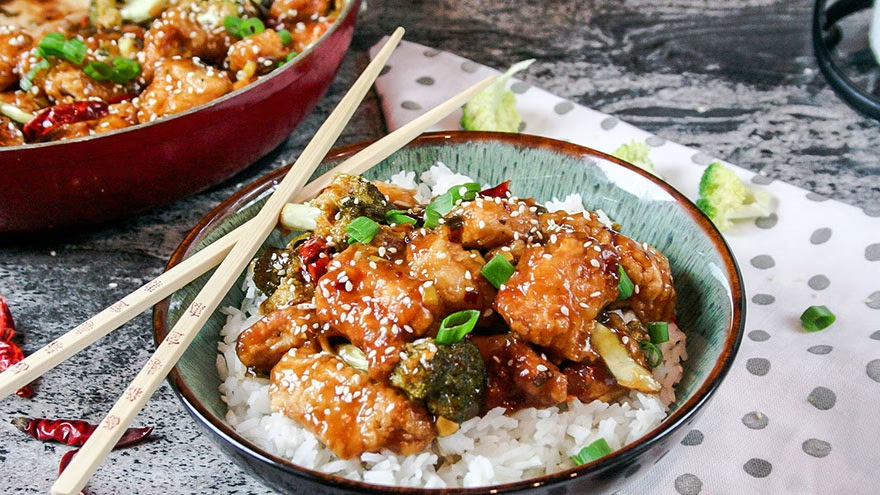
General Tso's chicken is a Chinese American takeout favorite built around crisp chicken pieces and a glossy sauce that usually tastes sweet, tangy, savory, and a little spicy. The best home version is not about copying every restaurant exactly. It is about controlling texture, sauce thickness, and timing so the chicken stays crisp long enough to enjoy.
The dish has a complicated restaurant history and is often discussed as a Chinese American creation rather than a direct copy of a traditional Hunan dish. Smithsonian Magazine's piece on General Tso's chicken history is useful background if you want the story behind the name.
For cooking, focus on five things: bite-size chicken, a starch coating, hot oil, a balanced sauce, and fast tossing. Once the sauce hits the crust, the clock starts. The goal is crisp chicken with sauce clinging to it, not chicken sitting in syrup.
Ingredients That Matter
Chicken thighs are forgiving because they stay juicy, but chicken breast can work if cut evenly and not overcooked. Use boneless pieces, trimmed of excess fat, and cut them into one-inch chunks. Pieces that are similar in size cook more evenly and look better on the plate.
The coating can be cornstarch alone or a mix of cornstarch and flour. Cornstarch gives a lighter, crisper shell. Egg white or a small amount of beaten egg can help the coating cling. Salt the chicken before coating so the meat itself has flavor.
The sauce usually needs soy sauce, rice vinegar, sugar, garlic, ginger, dried chiles or chile paste, and a little cornstarch slurry for thickness. Some cooks add hoisin, Shaoxing wine, sesame oil, or chicken stock. Livecub's Asian seasoning mix article can help you think about pantry flavor, but keep this sauce focused and balanced.
A good starting point is equal attention to salt, acid, sweetness, and heat. Soy sauce brings salt and savor, vinegar brightens the sugar, and chile keeps the sauce from tasting like candy. If one element dominates before the chicken is added, it will be louder after the sauce reduces.
Prep Everything Before Frying
General Tso's chicken moves quickly once the oil is hot, so set the station before cooking. Mix the sauce, mince the garlic and ginger, slice scallions if using them, set a draining rack near the stove, and keep a clean bowl ready for tossing.
Pat the chicken dry before coating. Extra surface moisture can make the starch clump and can drop the oil temperature. Coat the chicken shortly before frying so the pieces do not sit in a wet paste. That small timing choice helps the crust stay light and crisp.
Do not start frying and then look for vinegar. The chicken will not wait. A restaurant-style stir-fry succeeds because the cook has ingredients ready before heat starts. At home, that same habit keeps the coating from burning while you search the cabinet.
For a simple sauce, whisk soy sauce, rice vinegar, sugar, water or stock, and cornstarch in a bowl. Keep garlic, ginger, and chiles separate so they can hit the pan first. That short sizzle gives the sauce fresh aroma.
Fry the Chicken Safely
Use a heavy pot, a thermometer if you have one, and enough oil for the chicken pieces to move without crowding. Heat the oil to about 350 F. Fry in batches so the temperature does not drop too far. Crowded oil makes the crust greasy and pale.
The USDA says poultry should reach a safe minimum internal temperature of 165 F. Its safe temperature chart is the source to follow for chicken safety. A crisp crust is not proof the center is cooked, especially with larger pieces.
Drain fried chicken on a rack if possible. Paper towels work, but a rack keeps steam from softening the bottom. If you want extra crunch, fry the chicken once until cooked, rest briefly, then fry a second time for a shorter burst. Keep the batches small and steady.
Use clean tongs or a spider for cooked chicken, and do not put fried pieces back on the plate that held raw chicken. Keep the stove area clear because hot oil needs attention. If the oil smokes or smells burnt, lower the heat and pause before adding more chicken.
Build the Sauce Without Making It Gluey
After frying, pour off excess oil and leave a small amount in the pan. Sizzle garlic, ginger, and dried chiles for a few seconds. Add the sauce mixture and stir as it bubbles. The cornstarch will thicken quickly, so keep the pan moving.
Serious Eats' General Tso's chicken recipe explains the value of crisp coating and a sauce that clings rather than floods. That distinction is the home cook's main challenge.
If the sauce looks too thick, add a spoonful of water or stock. If it is too thin, simmer it briefly before adding the chicken. Do not keep adding cornstarch slurry after the chicken is in the pan, because the coating can turn gummy.
Taste the sauce before the chicken goes in. It should taste a little strong because the chicken and rice will soften it. If it tastes flat, add vinegar or ginger. If it tastes too sharp, add a small spoonful of sugar or stock. The best adjustment is small and early.
Toss and Serve Right Away
Add the fried chicken to the bubbling sauce and toss quickly. The pieces should be coated, not soaked. Turn off the heat as soon as the sauce clings. Add scallions or sesame seeds if you like them, then serve immediately.
Steamed rice is the classic partner because it balances the sweet and tangy sauce. Stir-fried vegetables, steamed broccoli, cucumber salad, or plain noodles can also work. Livecub's Chinese fried chicken wings article pairs naturally with the same frying mindset: crispness depends on coating, heat, and timing.
If you are cooking for guests, fry the chicken close to serving time. You can prep sauce and cut chicken earlier, but the final fry and toss should happen late. This is not a good dish for sitting covered on a buffet for an hour.
Leftovers can still be good, but they will not keep the same crunch. Reheat in an oven or air fryer rather than a microwave if texture matters. Add a fresh scallion or a squeeze of vinegar after reheating to wake the sauce back up.
Fix Common Problems
If the chicken is soggy, the oil may have been too cool, the pot may have been crowded, or the chicken may have sat too long in the sauce. Fry smaller batches and serve faster. If the sauce is too sweet, add a little vinegar or soy sauce next time.
If the sauce tastes flat, it may need more ginger, garlic, vinegar, or chile. If it is harsh, the garlic may have burned or the vinegar may be too strong. Adjust in small steps. A good General Tso's sauce should have sweet-tangy balance, not one loud note.
If the coating falls off, check the order of steps. The chicken may have been too wet, the coating may not have rested for a few minutes, or the oil may not have been hot enough. Dry chicken, even coating, and steady oil create better adhesion.
For a broader dinner, compare poultry techniques. Livecub's Yugoslavian chicken recipe uses a different flavor path, but the same kitchen lesson applies: even pieces and controlled heat make chicken easier to cook well.
If you want vegetables in the dish, cook them separately and add them at the end. Broccoli, bell pepper, or snap peas can water down the sauce if they steam in the same pan too long. Keep the chicken as the center and use vegetables as support.
Frequently Asked Questions
What cut of chicken is best for General Tso's chicken?
Boneless chicken thighs are easiest because they stay juicy. Chicken breast works if the pieces are even and cooked carefully.
How do I keep General Tso's chicken crispy?
Use hot oil, fry in small batches, drain on a rack, thicken the sauce before tossing, and serve the chicken right away.
Is General Tso's chicken very spicy?
It can be mild or spicy depending on dried chiles or chile paste. Start with less heat and add more after you know the sauce.
Can I make the sauce ahead?
Yes, mix the sauce ingredients ahead, but cook and thicken it close to serving so the final dish tastes fresh.

Chiara Bradshaw
Covers education, culture and creative topics with an emphasis on readable explanations and verifiable references.



Leave a reply
Replying to