

Work with the craving instead of fighting it
Salty fries at 10 a.m., sour citrus, the same sandwich three days running, or a sudden aversion to a meal you used to love: the pull toward specific foods during pregnancy can feel oddly precise. The aim is not to shame it. It is to satisfy the craving while quietly building in the protein, fiber, calcium, iron, and steady energy the week needs.
The most useful trick is to read the pattern behind the craving before you fill it. Most cravings are really a texture and a flavor: salty, crunchy, creamy, cold, sour, spicy, sweet, or simply filling. Match that pattern first, then improve the food around it. A crunchy-and-salty urge is met by popcorn with olive oil, roasted chickpeas, or crisp vegetables with hummus; a cold-and-sweet one by yogurt with berries, a smoothie, or frozen grapes.
This is general nutrition guidance, not personal medical care. Anyone with diabetes, high blood pressure, severe nausea, food-safety concerns, or cravings for nonfood items should talk with their pregnancy care professional.
Anchor snacks with protein and fiber
Carbohydrates alone satisfy fast and fade fast, which is why a sleeve of crackers disappears without ever feeling like enough. Adding protein and fiber makes a snack last, steadying energy between meals. Pair fruit with yogurt, toast with eggs, crackers with tuna or cheese, or a small baked potato with beans.
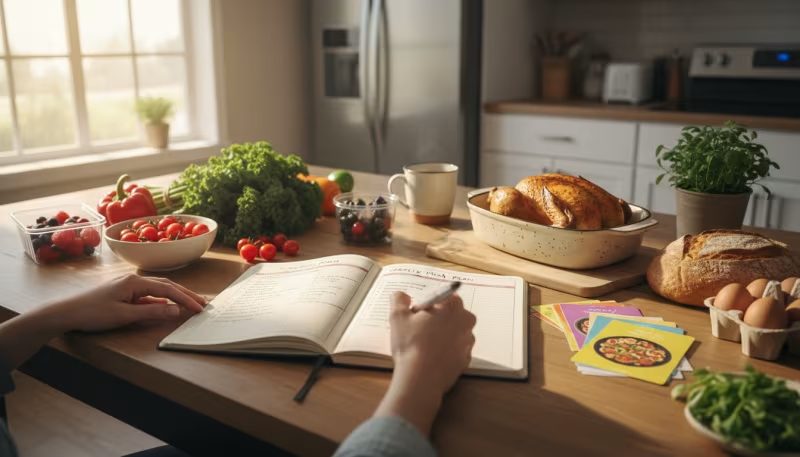
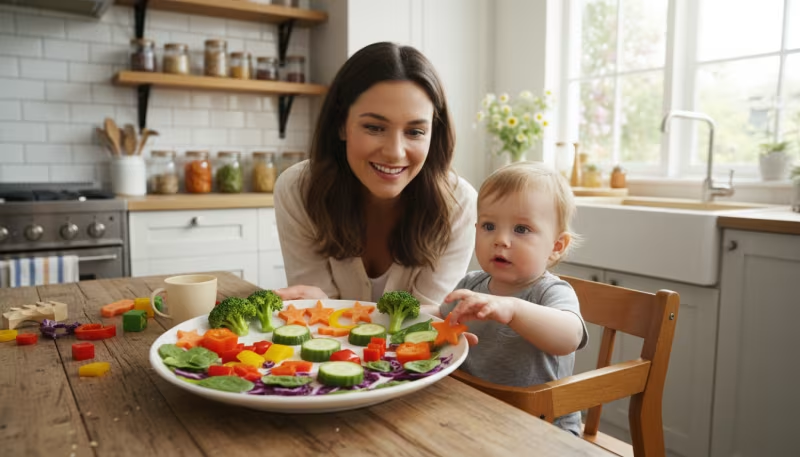
Small counts as a meal here. When appetite swings hour to hour, a snack plate is often more realistic than a formal dinner, and keeping single portions within easy reach prevents the ravenous panic-eating that follows waiting too long. A simple cooked dish like this easy chicken recipe can be adjusted with mild seasoning, extra vegetables, and rice or potatoes for a day when you can manage something warm.
Timing helps as much as content. Eating a little every few hours, rather than waiting for a big meal, keeps energy steadier and softens the blood-sugar dips that can amplify a craving into something urgent. Stocking two or three grab-and-go options at home and at work means the easy choice is already made when hunger arrives faster than you expected.
ACOG's guidance on healthy eating during pregnancy describes the balanced pattern worth aiming for across the week: fruits, vegetables, whole grains, protein foods, dairy or fortified alternatives, and a prenatal vitamin as recommended by a clinician.
Smarter swaps for sweet and salty
Sometimes you want dessert, and that is allowed. The useful question is only how often a sweet craving is replacing a meal, and whether you can build nutrition around it. Greek yogurt with cocoa and berries, oatmeal with cinnamon and chopped dates, or apple slices with peanut butter satisfy the sweet note with more staying power. If you genuinely want cake, have cake, but do not let it be the only thing you eat after lunch.
Salt cravings usually point toward chips, fries, pickles, or fast food. You can keep the salty bite while improving the plate: baked potato wedges with a yogurt dip, avocado toast with salt and lemon, bean soup, or popcorn with grated cheese. If swelling, blood pressure, or kidney concerns are part of your pregnancy, sodium choices belong in a conversation with your clinician rather than a generic swap list. For savory meals, a homemade blend such as this Asian seasoning mix can carry flavor with less salt when you lean on ginger, garlic, citrus, and herbs.
Keep nutrients and food safety in view
Cravings track taste, not nutrient gaps, so it helps to keep calcium- and iron-rich foods in the regular rotation on their own. Dairy, fortified alternatives, beans, lentils, eggs, lean meats, greens, and fortified cereals all build the week. Pairing plant-based iron with vitamin C from citrus, berries, peppers, or tomatoes helps absorption, and prenatal vitamins or extra minerals should follow your clinician's advice rather than being added casually.
Safety turns a craving into a meal you can trust. Pregnancy raises the risk from certain foodborne infections, so favor hot leftovers, fully cooked eggs, pasteurized dairy, and washed produce, and keep cold foods cold and hot foods hot. If something smells off, skip it rather than rescuing it with seasoning. Fish deserves care rather than fear: the FDA's advice about eating fish recommends 8 to 12 ounces per week of lower-mercury seafood, such as salmon, sardines, trout, tilapia, cod, or shrimp, while avoiding high-mercury fish and anything raw or undercooked.
Keep fast swaps ready, and know when to call
A good craving plan is boring in the best way. Keep yogurt, eggs, cheese, beans, nuts, whole-grain bread, fruit, frozen vegetables, cooked rice, and simple proteins on hand so the easy choice is always within reach. Three flexible plates cover most days: yogurt with berries, oats, and nut butter for sweet and creamy; toast with avocado and egg for salty and crunchy; and rice with chicken and vegetables for warm comfort. A cozy dish like this corn souffle works better served alongside vegetables and protein than eaten alone.
Some cravings are a signal to seek help rather than a snack to satisfy. Strong urges for dirt, clay, laundry starch, paper, or paint chips, a pattern often called pica, need medical attention and can be linked to nutrient concerns or safety risks. Likewise, get personal guidance if a craving feels out of control, replaces most meals, or comes with vomiting, dizziness, or weight worries. Otherwise, the plan is simple: honor the texture, build a little nutrition around it, keep it safe, and let the food change by the hour when your body needs it to.
Frequently Asked Questions
Are pregnancy cravings normal?
Yes. Many pregnant people notice both cravings and aversions. Very intense, nonfood, or medically complicated cravings should be discussed with a clinician.
What is a healthy swap for sweets?
Try yogurt with fruit, oatmeal with dates, a smoothie, or a smaller dessert paired with protein and fruit so it feels genuinely satisfying.
Can pregnant people eat fish?
Yes. Official guidance supports lower-mercury seafood in recommended amounts. Avoid high-mercury fish and anything raw or undercooked.
What should I do if I crave nonfood items?
Call a pregnancy care professional. Cravings for dirt, clay, starch, or paper should not be handled with home swaps.

Linda Fehrman
Edits general wellness and relationship explainers. Health material is educational, avoids diagnosis and links to health-authority guidance.

Leave a reply
Replying to