
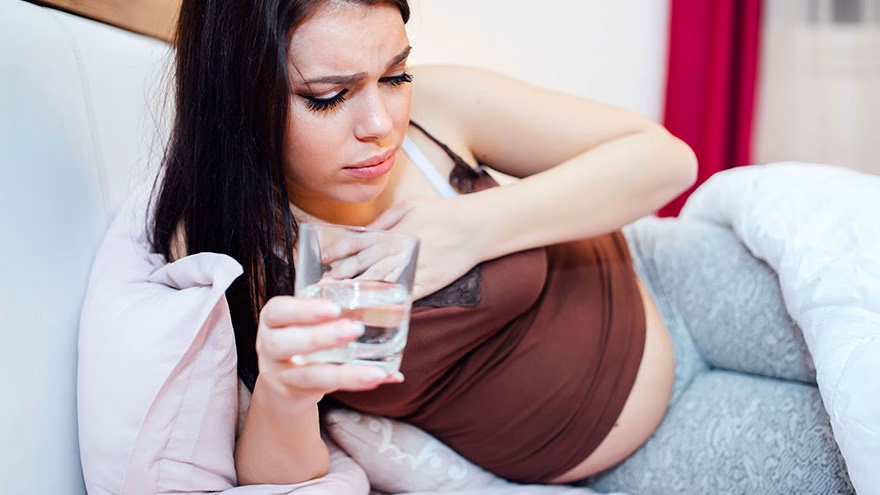
Is Excessive Thirst During Early Pregnancy Common? Extra thirst can happen in early pregnancy, but it should be read with the rest of the picture. More blood volume, nausea, vomiting, warmer weather, salty food, and frequent urination can all make someone reach for water more often.
This is general pregnancy education, not medical advice. Call a clinician promptly if thirst is intense, paired with dizziness, fainting, fever, vomiting that prevents fluids, burning urination, confusion, very dark urine, or symptoms that feel out of proportion.
Why Thirst Can Increase
Pregnancy changes fluid needs. ACOG says pregnant people should drink 8 to 12 cups of water a day, and its page on water during pregnancy explains why hydration supports digestion, amniotic fluid, and nutrient movement.
Early pregnancy also brings practical triggers: nausea, dry mouth from mouth breathing, salty crackers, prenatal vitamins, and bathroom trips. Mild thirst after these changes is not unusual.
Normal Versus Not Normal
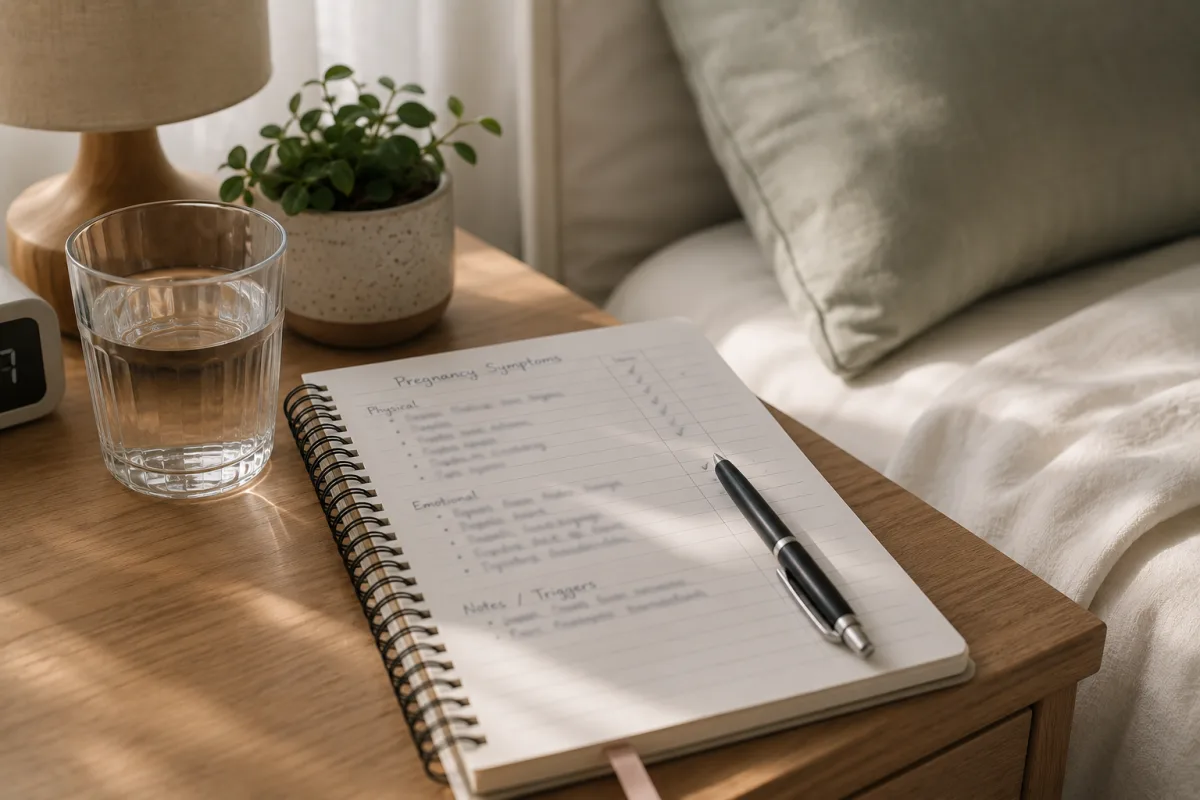
A little more thirst is different from constant, desperate thirst that wakes you up, comes with peeing large amounts, or leaves you weak. That pattern deserves medical advice.
If symptoms overlap with missed period confusion, Livecub's first week pregnancy signs may help separate early signs from guesses.
Nausea And Vomiting

Morning sickness can quietly reduce fluids because a person may sip less to avoid nausea. ACOG's morning sickness guidance also repeats the 8 to 12 cup water target and encourages drinking through the day.
If plain water tastes bad, try ice chips, cold water, diluted electrolyte drinks approved by your clinician, or small sips between meals.
Frequent Urination
Urinating more often is common early in pregnancy, but it can make thirst feel stronger. Burning, pelvic pain, fever, or cloudy urine points away from ordinary pregnancy changes.
Do not cut fluids to reduce bathroom trips unless a clinician gives that instruction. Dehydration can make headaches, constipation, and dizziness worse.
Blood Sugar Questions
Extreme thirst with frequent urination can be a blood sugar warning sign. Gestational diabetes is usually screened later, but people with risk factors or symptoms may need earlier advice.
Call the prenatal office rather than trying to diagnose this at home. A urine or blood test can answer more than symptom-watching can.
Heat And Activity
Walking, working outdoors, hot rooms, travel, and exercise can raise fluid needs. ACOG's exercise guidance tells pregnant people to drink plenty of water and avoid overheating.
Carry water, wear breathable clothing, and notice whether thirst improves with rest and steady fluids.
Food Choices
Salty snacks, takeout, crackers, and pickles can create temporary thirst. That does not mean they are harmful, but the pattern is useful to notice.
For nausea-friendly food ideas, Livecub's bland diets for pregnancy can pair with a simple hydration plan.
What To Track
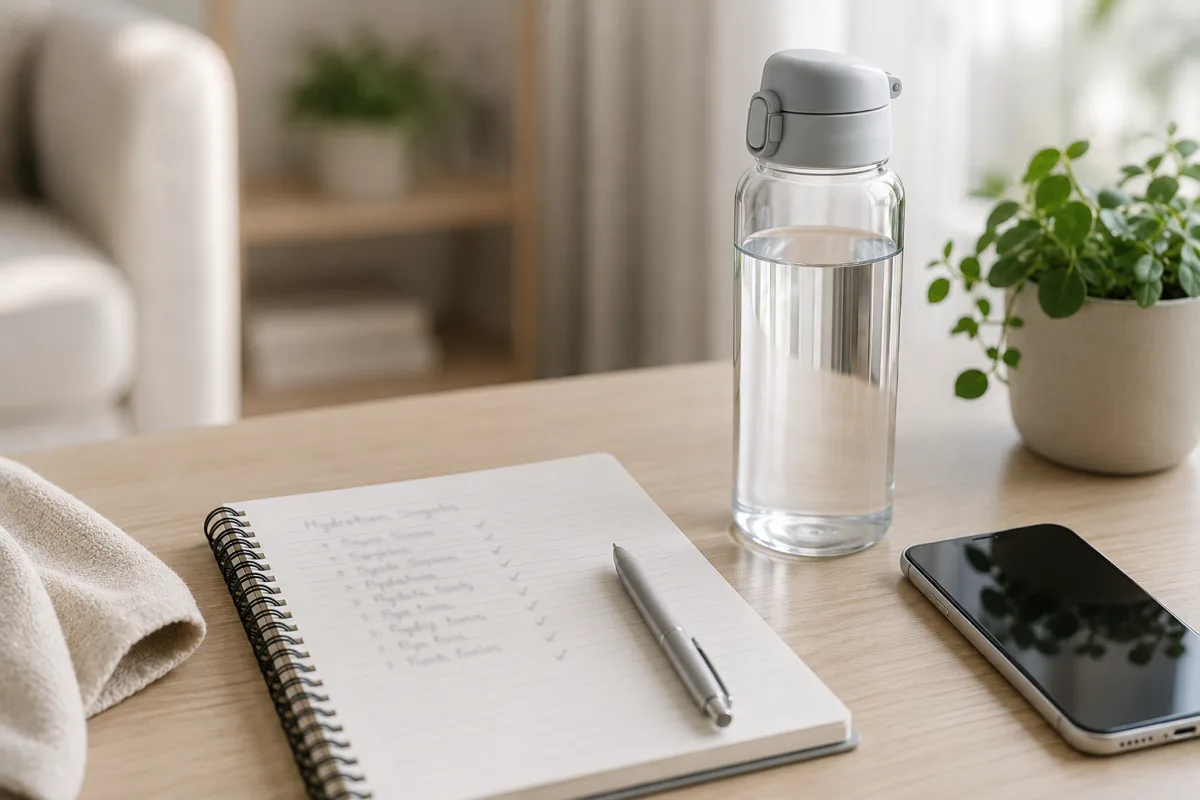
Track urine color, number of bathroom trips, vomiting episodes, fever, dizziness, and how much you actually drink. A one-day note can make a prenatal call more useful.
Do not obsess over every sip. The goal is a clear pattern, not a perfect log.
When To Call
Call if thirst is sudden, severe, or paired with symptoms. Call the same day for vomiting that keeps fluids down poorly, signs of dehydration, or possible urinary infection.
Urgent symptoms should not wait for a routine appointment.
Emotional Side
Early pregnancy can make every body signal feel loaded. Thirst is a real symptom, but anxiety can make monitoring feel constant.
If worry or low mood is taking over daily life, Livecub's depression during pregnancy article may be relevant.
Small Hydration Habits
Keep water visible, sip before you are very thirsty, and pair drinks with snacks if nausea is active. Some people tolerate cold drinks better than room-temperature drinks.
If you are waking many times at night to drink and urinate, mention it at the next call. The timing and amount can matter.
Dry Mouth
Dry mouth can come from sleep changes, congestion, medications, vomiting, or dehydration. It can also make people think they are thirstier than they are.
Sugar-free gum, ice chips, and mouth rinsing may help comfort, but persistent dry mouth should still be mentioned.
Partner Support
A partner can help by refilling water, noticing heat, and taking symptoms seriously without turning every symptom into panic. Simple support is often more useful than repeated internet searches.
For broader closeness during pregnancy, Livecub's staying intimate during pregnancy offers a separate angle.
Medication And Supplements
Prenatal vitamins, iron, nausea medicine, allergy medicine, or other prescriptions can leave the mouth dry for some people. Do not stop a medicine on your own, but bring the timing of thirst and the medicine list to the prenatal office.
If thirst started right after a new supplement or dose change, say that plainly. A clinician can decide whether it is expected, needs a change, or points to something else.
Urine Color Is Only One Clue
Pale yellow urine often suggests reasonable hydration, while very dark urine can point toward dehydration. But vitamins, foods, medicines, and how long urine sat in the bladder can change color too.
Use urine color as a clue, not a diagnosis. Pair it with dizziness, headache, vomiting, fever, and how much fluid you can keep down.
Night Thirst
Waking once for water may be ordinary, especially if the room is dry or you are congested. Waking repeatedly with a dry mouth and large amounts of urine is more worth reporting.
Try a bedside water glass, a humidifier if the air is dry, and a note about how many times you wake. If the pattern continues, call rather than guessing.
Electrolyte Drinks
Electrolyte drinks can help some people during vomiting or heat, but they can also bring sugar, caffeine, or ingredients you do not need. Read the label and ask if you are using them daily.
A simple oral rehydration solution may be more useful than a sports drink in some situations, but your care team should guide that choice if vomiting is significant.
Appointment Language
Instead of saying only 'I am thirsty,' describe the pattern: how long it has been happening, how many cups you drink, any increase in urination, and any vomiting or weight loss.
Specific details help the nurse decide if you need home care advice, a urine test, blood work, or urgent evaluation.
Constipation And Headaches
Low fluid intake can make constipation and headaches worse, two complaints that already show up often in pregnancy. If thirst comes with hard stools or headaches, hydration may be only one part of the fix.
Ask before using laxatives, stool softeners, or headache medicine. The safer answer depends on pregnancy history and other symptoms.
Travel Days
Travel can hide dehydration because routines change. Long car rides, flights, salty airport food, and avoiding bathrooms can all affect thirst.
Bring water, plan bathroom breaks, and call if travel is followed by contractions, bleeding, fever, severe headache, or fluid loss.
What Not To Do
Do not force huge amounts of water at once, skip meals to avoid nausea, or rely on caffeine to push through fatigue. Too much water too quickly can also be unsafe in rare cases.
Steady fluids through the day are usually more sensible than trying to catch up at night.
After You Call
If the office asks you to come in, expect simple checks such as vital signs, urine testing, weight, and questions about vomiting, fever, or pain. Those checks are not a judgment; they are how common symptoms get sorted.
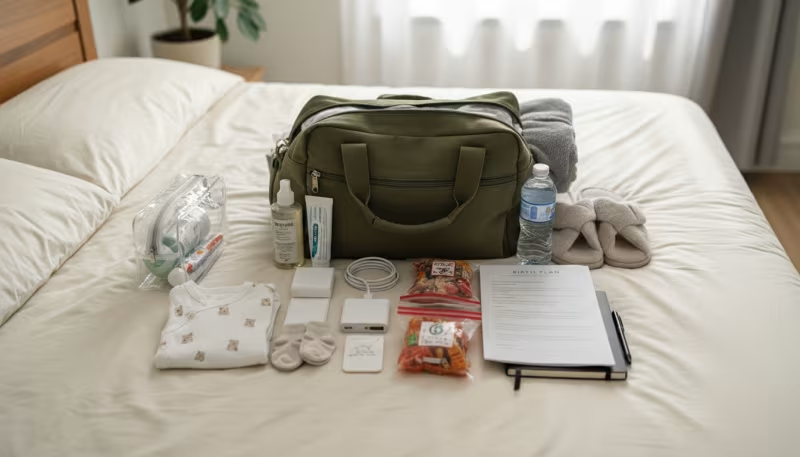
Bring your water bottle, medicines, and notes so the visit answers the real question instead of starting from scratch.
Daily Baseline
A normal baseline is easier to notice than a dramatic symptom. If you know how much you usually drink and how often you urinate, a change stands out sooner.
That baseline can shift with weather, nausea, and activity, so use it as a guide rather than a strict rule.
Frequently Asked Questions
Is thirst an early pregnancy sign?
It can happen, but thirst alone is not a reliable pregnancy sign.
How much water should I drink while pregnant?
ACOG commonly recommends 8 to 12 cups of water each day during pregnancy.
Can severe thirst mean diabetes?
Extreme thirst with frequent urination can be a reason to ask about blood sugar testing.
Should I drink less if I keep peeing?
Usually no. Frequent urination is common, and cutting fluids can backfire.
When is thirst urgent?
Seek prompt care for severe thirst with fainting, confusion, fever, vomiting, or dehydration signs.
Excessive thirst in early pregnancy is sometimes ordinary, sometimes a clue. Look at severity, other symptoms, fluid intake, and risk factors, then ask your prenatal team when the pattern feels wrong.

Linda Fehrman
Edits general wellness and relationship explainers. Health material is educational, avoids diagnosis and links to health-authority guidance.



Leave a reply
Replying to