

Shop your own kitchen first
The cheapest groceries are the ones already sitting in your cupboards, and most families overspend simply because they shop before they look. Before writing any list, take five minutes to scan the pantry, fridge, and freezer, and pull forward the rice, beans, pasta, eggs, frozen vegetables, canned tomatoes, and half-used jars that would otherwise expire unnoticed.
Build one or two meals around what you find. A can of corned beef stretches into a full dinner when paired with potatoes, onions, and rice, so a dish like this corned beef recipe becomes a way to spend down stock rather than buy more. Starting from what you have shrinks the list before you set foot in the store.
USDA's SNAP-Ed program treats planning as the single most effective money-saving habit, and its meal planning and budgeting resources are built around that idea.
Plan meals for the week you actually have
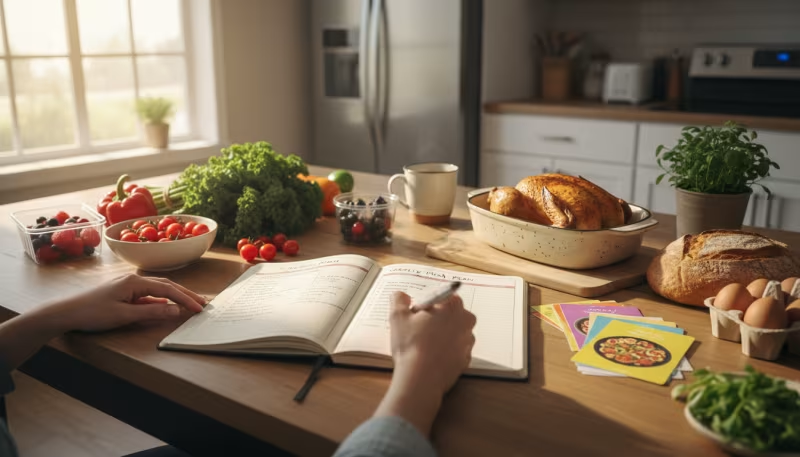
A grocery budget breaks when it is based on the week you wish you had. Write down realistic breakfasts, lunches, dinners, and snacks, then count the nights you will genuinely cook. If three of those nights are late or chaotic, plan leftovers, a slow-cooker meal, or breakfast-for-dinner instead of pretending you will roast a chicken after a nine-hour day.
Leave one flexible slot for the meal that never happens as planned. That single backup, whether it is pasta, eggs, or soup from the freezer, keeps a missed cooking night from turning into takeout that blows the week's budget.
Nutrition.gov collects practical tools for this stage on its shopping and meal planning hub, including lists and comparison guides worth bookmarking.
Read the unit price, not the sticker
The number that matters is the small one on the shelf tag: the price per ounce, pound, or count. A larger package is only a better deal if your family finishes it, and bulk buys that spoil or get ignored are among the most common ways budget shoppers quietly lose money.
Compare brands on unit price, then sanity-check against reality. Store brands often match name brands on both ingredients and quality, but a cheaper item nobody eats is not a saving. Waste is the hidden tax on grocery bills, so factor in whether the food will actually get used before it turns.
Keep a rough running total as you shop, either on paper or in your head, so the final number never ambushes you at the register. Most shelf tags print the unit price in small text beside the sticker, and once you train your eye to find it, comparing a bulk bag against a smaller one takes a few seconds. That habit alone catches the false bargains that look cheap on the sticker but cost more per serving.
Lean on flexible, low-cost proteins
Protein is usually the priciest line on the receipt, so the biggest savings come from choosing proteins that stretch. Eggs, dried and canned beans, lentils, canned fish, chicken thighs, plain yogurt, tofu, ground meat, and peanut butter all carry across several meals and cost far less per serving than premium cuts.
Buy the versatile ones on sale and cook them in batches. When chicken thighs drop in price, a single pot of something like Yugoslavian chicken can cover dinner one night and lunches the next, which lowers the real cost per plate without extra shopping.
Build repeatable meals around staples
Cheap staples are what turn a tight budget into steady meals. Grains, potatoes, tortillas, pasta, oats, and frozen vegetables are inexpensive, keep well, and combine into dozens of dinners. The trick is variety in seasoning rather than variety in ingredients, so the same base does not feel like the same meal every night.
Sauces, herbs, spice blends, and a hit of acid like lemon or vinegar do most of that work for pennies. A homemade seasoning approach, such as this Asian seasoning mix, keeps a rotation of rice and vegetables from becoming monotonous, which matters because food nobody wants to eat twice ends up wasted.
Time your buying to sales and seasons
Prices swing week to week, and a family that shops the same list at full price every time leaves real money on the shelf. Scan the store flyer or app before you finalize the plan, and let genuine markdowns on staples and proteins shape a meal or two rather than dictating impulse buys. When a versatile protein like chicken, ground beef, or a large bag of frozen fish hits a low price, buy enough to portion and freeze, then build the next couple of weeks around it.
Produce follows the same logic through the seasons. In-season fruits and vegetables are cheaper, better tasting, and usually more abundant, so leaning on them means paying less for more flavor. Out of season, frozen and canned produce is the honest bargain: it is picked and preserved at peak, keeps for months, and cuts the waste that fresh items rack up when a busy week gets in the way. Keeping a rough sense of what is cheap this month lets you plan around abundance instead of fighting it, which is where a tight budget quietly gains breathing room.
Treat leftovers as planned meals
Leftovers are only a saving if they get eaten, so plan them the way you plan a fresh meal. Cook a little extra on purpose, then label and date it so it does not become a mystery container pushed to the back of the fridge. Cooked grains, roasted vegetables, and simmered beans reheat well into next-day lunches or a fast second dinner.
Freeze anything you cannot use within a few days rather than letting it slide toward the bin. A clear front-of-fridge spot for planned leftovers, and a rule that they get eaten before anything new is opened, closes the gap where most household food waste, and household food money, disappears.
Put this into practice with one small move this week: audit the pantry before you write a list, plan around what you already own, and build the shop around two or three staple-based meals with a flexible night for the plan that changes. A cheaper receipt is the visible result, but the durable win is a routine that repeats without another burst of effort.
Frequently Asked Questions
How do I lower grocery costs quickly?
Audit your pantry, plan meals for the week you actually have, shop with a list, compare unit prices, and build around inexpensive staples. Avoid buying food that has no planned use.
Are store brands worth buying?
Usually. Compare the ingredient list, the unit price, and whether your family will eat it. A cheaper item is no bargain if it goes uneaten.
How do leftovers actually save money?
They turn one cooking session into a second meal, cutting both cost and effort. Cool, label, and refrigerate promptly, and freeze what you cannot eat within a few days.
Which staples give the most value?
Rice, oats, pasta, beans, lentils, potatoes, eggs, frozen vegetables, canned tomatoes, and basic seasonings stretch the furthest. Choose the ones your family will genuinely eat.

Linda Fehrman
Edits general wellness and relationship explainers. Health material is educational, avoids diagnosis and links to health-authority guidance.


Leave a reply
Replying to