
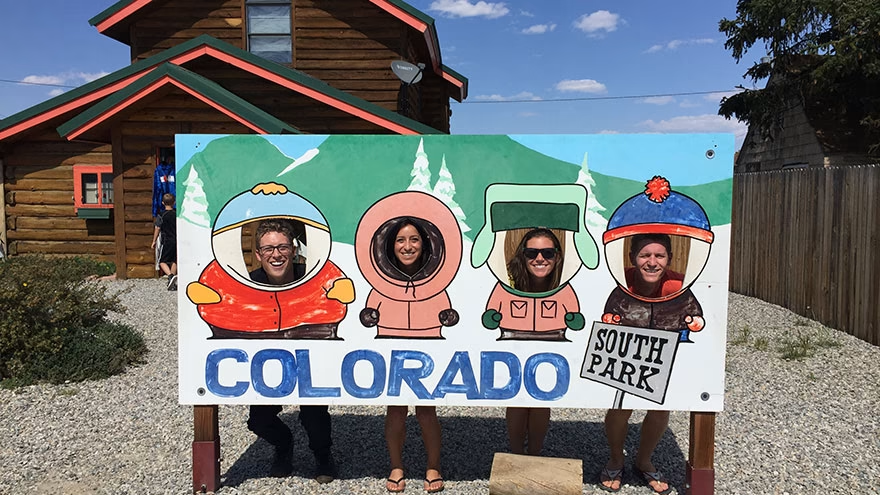
Start by defining South Park Basin
South Park is a broad high basin in central Colorado, not one single campground. Camping options may involve national forest campgrounds, dispersed sites where allowed, private campgrounds, and nearby state-managed areas.
The U.S. Forest Service South Park Ranger District recreation page is the right starting point for national forest context, reservations, and local office information.
Use reservations when the trip depends on a site
If you need a specific campground, weekend, or family-friendly setup, do not rely on luck. Many public campgrounds use Recreation.gov or another reservation process, and availability can change quickly.
Colorado Parks and Wildlife's camping page is useful if your plan includes state parks, cabins, yurts, or a Colorado-managed site outside the national forest system.
Expect altitude and wind
South Park sits high, and nights can be cold even when afternoons feel mild. Wind can make tents noisy, cooking harder, and fires unsafe or restricted. Bring layers, sturdy stakes, and a shelter plan that fits exposed terrain.
Visitors from lower elevations should give themselves time to adjust. Hydration, slower pacing, and realistic activity plans make the trip more comfortable.
Check fire restrictions before packing the menu
Fire rules can change with drought, wind, and land agency decisions. Check current restrictions before assuming you can have a campfire or charcoal grill. A stove may be allowed when open flame is not, but rules vary.
Dinner should not depend on a banned fire. Pack food you can cook legally under current conditions.
Bring water or verify a treated source
Do not assume water will be available at dispersed sites. Even developed campgrounds may have seasonal systems. Bring enough water for drinking, cooking, cleaning, pets, and emergencies unless you have confirmed a reliable treated source.
If you collect natural water where allowed, treat it properly. Cold clear water can still carry pathogens.
Choose dispersed sites with restraint
Dispersed camping is not the same as camping anywhere. Use existing sites where required, keep vehicles on legal routes, avoid damaging meadows, and follow stay limits. If an area is signed closed, keep going.
The planning habits from walking-stick setup or remote landscape travel apply here: know the surface, know the rules, and leave room for changing plans.
Prepare for fast weather changes
Afternoon storms, cold nights, hail, and strong sun can all happen in mountain basins. Secure tents before leaving camp, keep rain gear handy, and avoid exposed ridges during lightning.
If your day includes hiking or fishing away from camp, tell someone where you are going and when you expect to return.
Respect wildlife and ranching country
Store food securely, keep a clean camp, and give wildlife space. South Park also includes working landscapes, fences, gates, and roads used by residents and land managers. Leave gates as you find them and do not block access.
Travelers used to scenic drives such as Laughlin-area routes may need to slow down here: high basin roads can be remote and weather-exposed.
Plan activities by energy, not distance
Fishing, hiking, stargazing, wildlife watching, and scenic drives can all fit a South Park camping trip. Altitude and wind may make a short hike feel harder than expected. Build the day with recovery time.
If your larger trip includes lakes, waterfalls, or small-town stops, compare the day with gentler travel ideas such as waterfall routes or Petoskey sightseeing. Camp does not need to be busy every hour.
Pick a tent site for wind first
In open basin country, the flattest-looking site may be the windiest. Look for legal, durable surfaces with some natural wind protection, good drainage, and room to stake lines properly.
A quiet night begins before dark. Site choice matters more than tent brand when gusts arrive.
Keep food secured even outside bear country talk
Clean camp habits protect wildlife and your supplies. Secure food, trash, scented items, and pet food. Small animals can be persistent, and sloppy camps attract problems.
Wildlife should not learn from your cooler. Pack storage tools that match the site rules.
Prepare for limited service
Download maps, reservation details, weather, and directions before leaving town. Tell someone where you plan to camp. Do not rely on being able to search for rules after you arrive.
Offline planning also helps if you need to change sites because of wind, crowding, or closures.
Leave extra room between camps
Dispersed camping works better when groups give one another space. Avoid crowding an occupied site, blocking roads, or parking in fragile meadows. Quiet distance is part of the outdoor experience.
Good camping manners are land protection. They keep popular areas from being damaged into closure.
Use a stove plan for windy meals
Wind can make cooking frustrating and unsafe. Bring a stable stove setup, wind protection allowed by the manufacturer, and meals that do not require long simmering. Keep stoves away from dry grass and tent walls.
Simple meals fit high basins. The easier the meal, the less weather can ruin it.
Check road surfaces before towing
Trailers and RVs need more planning than tents. Ask about road grade, turnarounds, site length, mud, and seasonal access. A site that works for a truck camper may not work for a low trailer.
Vehicle fit is campsite fit. Do not discover the limit after dark.
Prepare for cold mornings
High basins can produce chilly starts even in camping season. Keep warm layers, gloves, and a breakfast plan accessible. If everything warm is buried in the vehicle, the morning starts badly.
Sun can warm the day quickly, but the first hour out of the tent may still feel like a different season.
Respect quiet hours and open space
Sound travels in open country. Generators, music, and late arrivals can carry farther than expected. Follow posted quiet hours and use the basin's space to avoid crowding others.
Good neighbors keep campsites pleasant. They also reduce complaints that lead to tighter rules.
Store water so it does not freeze
Shoulder-season nights can freeze water containers or hoses. Keep some water inside the vehicle or insulated area so breakfast and morning cleanup do not start with a problem.
This matters even when the afternoon felt warm.
Use durable surfaces for camp chores
Set up cooking, washing, and sitting areas on durable ground rather than spreading into fragile grass. Concentrating use protects the site and makes cleanup easier.
Leave before the road gets worse
If storms are building or mud is forming, leaving early may protect both the road and your vehicle. A campsite is not worth getting stuck.
Keep a clean departure routine
Walk the site before leaving and look for microtrash, food scraps, tent stakes, and bits of cord. Small leftovers add up in popular dispersed areas.
Check local rules for target shooting
Some public lands have rules or closures related to shooting. Campers should not assume every open area is suitable or legal. Noise and safety affect other visitors.
Use a weather radio or offline forecast
Cell service can fade, and basin weather can shift quickly. Download forecasts, consider a weather radio for longer trips, and watch clouds even after camp is set. A calm afternoon can still become a rough night.
Keep pets warm and controlled
Dogs can get cold in high basins, chase wildlife, or bother nearby campers. Bring bedding, leash control, waste bags, and a plan for storms before assuming the dog will simply adapt.
Use bins for wind control
Open basins scatter loose gear quickly. Store kitchen supplies, trash, and clothing in bins or bags so wind does not turn camp into a cleanup job.
Frequently Asked Questions
Is South Park Basin one campground?
No. South Park is a broad high basin with multiple public and private camping options in the region.
Check the specific ranger district, campground, or land manager for the exact site you want.
Can I dispersed camp in South Park?
Dispersed camping may be allowed in some national forest areas, but rules vary by road, season, and local management.
Use existing legal sites and check current Forest Service information before going.
Do I need reservations?
For developed campgrounds, often yes or strongly recommended. Some sites may be first-come, first-served, but that is risky on busy weekends.
Use official reservation systems and confirm the season of operation.
What weather should I expect?
Expect high-altitude sun, wind, cold nights, and fast-changing storms.
Bring layers, strong tent stakes, rain gear, and a plan for cooking without a campfire.

Chiara Bradshaw
Covers education, culture and creative topics with an emphasis on readable explanations and verifiable references.


Leave a reply
Replying to