
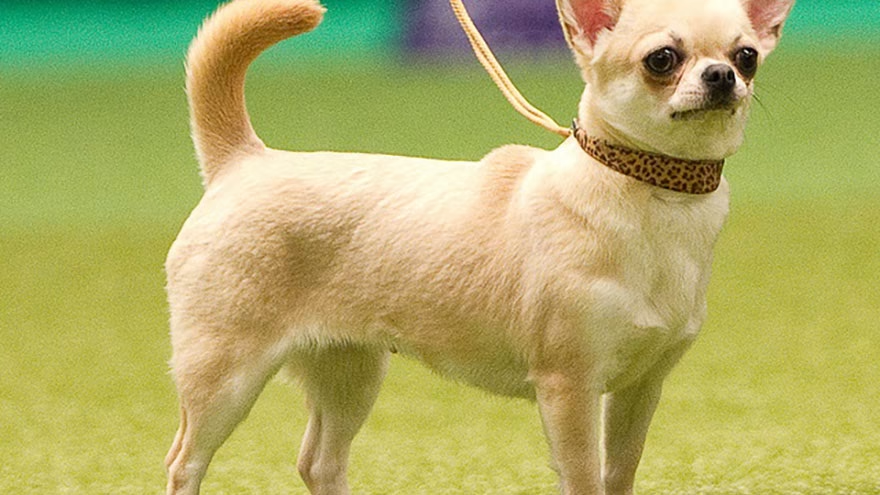
A Chihuahua can look fragile and still run the household if training is treated as optional. This breed needs kindness, but it also needs clear rules, daily practice, and a person who does not confuse small size with helplessness. A practical Chihuahua training guide builds confidence first, then adds manners around doors, visitors, food, handling, barking, and leash work.
What makes Chihuahua training different?
Chihuahuas are tiny companion dogs with a bold streak. The AKC describes the breed as charming, graceful, and sassy, and the AKC Chihuahua breed page is a good starting point for understanding why this dog should not be trained through force or rough pressure.
Training often goes wrong when people laugh at growling, carry the dog away from every challenge, or skip manners because the dog is easy to pick up. Those choices may feel harmless in the moment. Over time, they can produce a dog that barks, guards laps, refuses handling, or panics when the floor gets busy.
If you are comparing small companion breeds, Livecub's Maltese questions guide gives another look at how toy-size dogs still need structure.
Which foundation skills should come first?
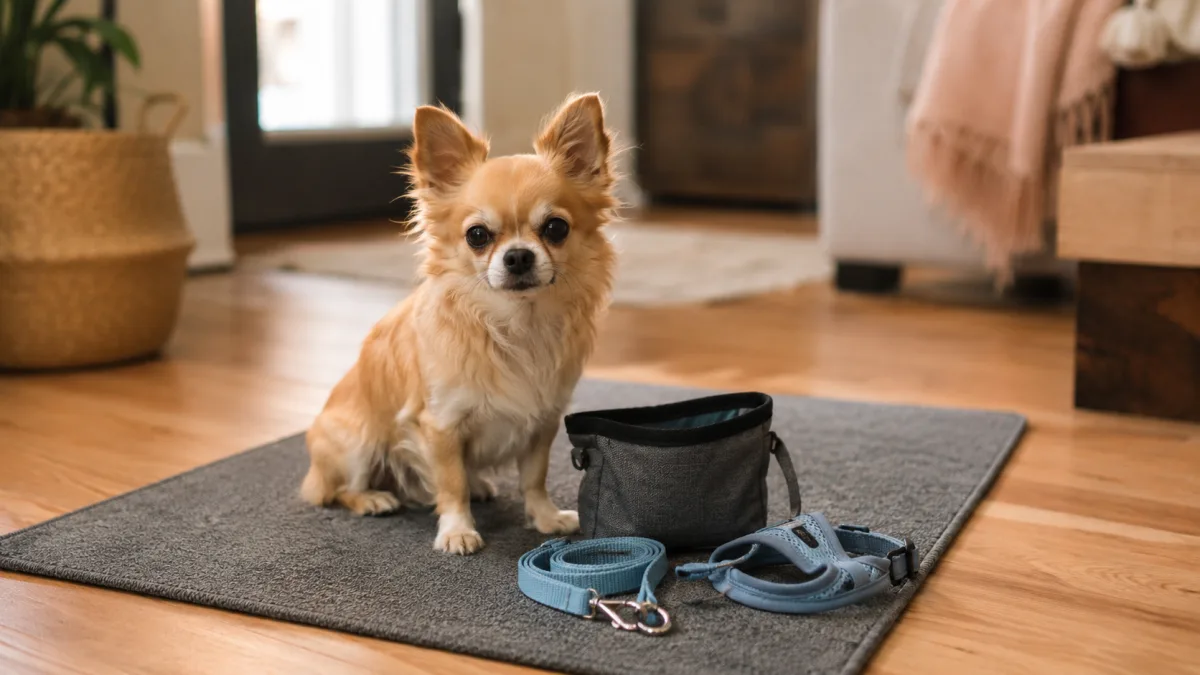
Teach a small set of habits before asking for more complicated behavior. Name response, recall, settle, crate comfort, polite handling, leave-it, and a release cue give you control without constant grabbing. Small does not mean optional; it means the lessons need to be sized for a tiny body and a quick emotional response.
Name response and recall
Start indoors with no pressure. Say the name once, mark the head turn, and reward near your feet. Recall should feel like a safe habit, not the start of being scooped up or scolded.
Settle and place work
A mat gives the dog a place to be during meals, doorbells, cleaning, and guest arrivals. Reward quiet observation before the dog begins barking.
Handling and grooming practice
Touch paws, ears, collar, mouth, and body for one or two seconds, then reward. Gradual handling helps with nail trims, walking gear, vet exams, and brushing.
How do you socialize without overwhelming a Chihuahua?
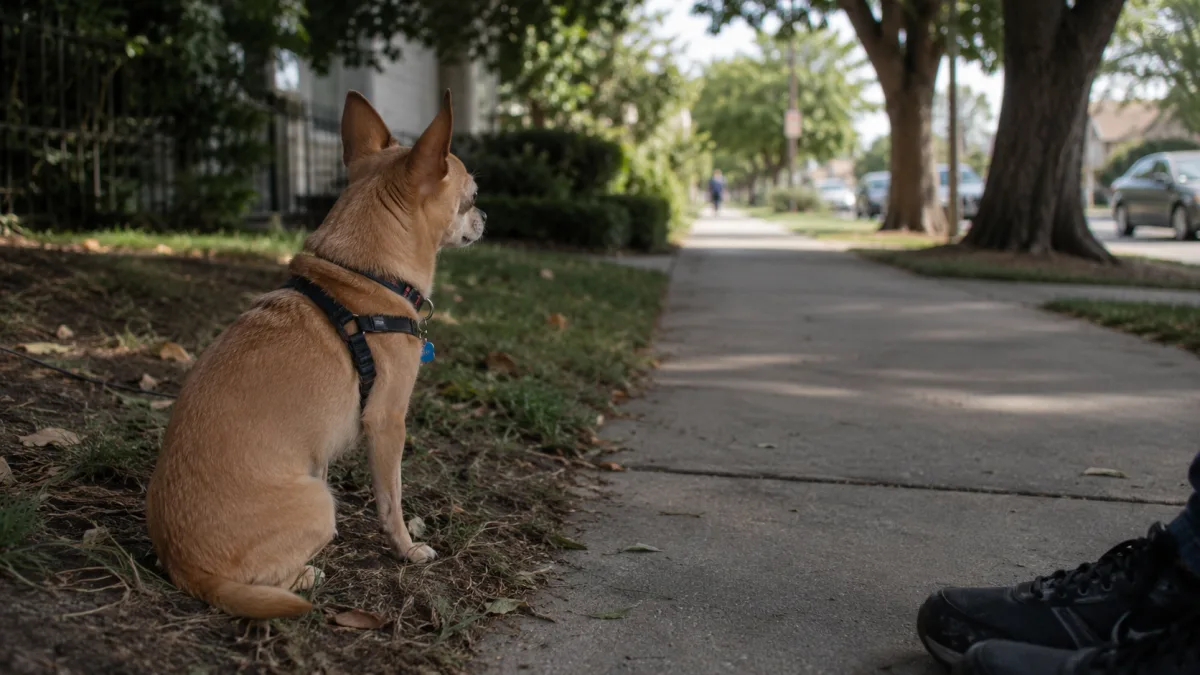
Socialization is not letting strangers crowd the dog. It is calm exposure to surfaces, sounds, people, dogs at a distance, carriers, cars, grooming tools, and normal household movement. The AVSAB position statement on puppy socialization explains that well-managed early exposure is part of behavior health, and the AVSAB position statements page is a useful source for that principle.
Use distance, food, and short exits. A Chihuahua that shakes in a busy doorway is not learning confidence. Step back, reward looking, and leave before the dog has to shout for space.
Confidence grows fastest when the lesson feels predictable. That means fewer random greetings and more planned, calm practice.
How do you handle barking and guarding?
Barking may come from alarm, excitement, frustration, fear, or a learned habit. Guarding may involve a lap, sofa, bed, food bowl, doorway, or favorite person. Do not punish the warning and ignore the reason. Change the setup, teach a replacement cue, and reward the dog for moving away before tension rises.
Use baby gates, leashes, treat scatters, and a mat cue during predictable triggers. If the dog guards a lap, the answer is not more lap time after snapping. Ask for off, reward on the floor, and make access to the lap depend on calm behavior.
Livecub's Lhasa Apso questions guide is another useful comparison for small dogs that may be alert around visitors.
What is the best way to housetrain?
Use a tight schedule, not wishful thinking. Take the dog out after waking, eating, drinking, play, training, and long naps. Reward outside immediately. If the dog has an accident inside, clean it well and adjust the schedule instead of lecturing after the fact.
Tiny dogs have tiny bladders, and bad weather can make consistency harder. A covered outdoor spot, coat, or supervised indoor potty option may help some homes, but the rule has to stay clear. Reward the correct place every time.
How should leash training work for a tiny dog?
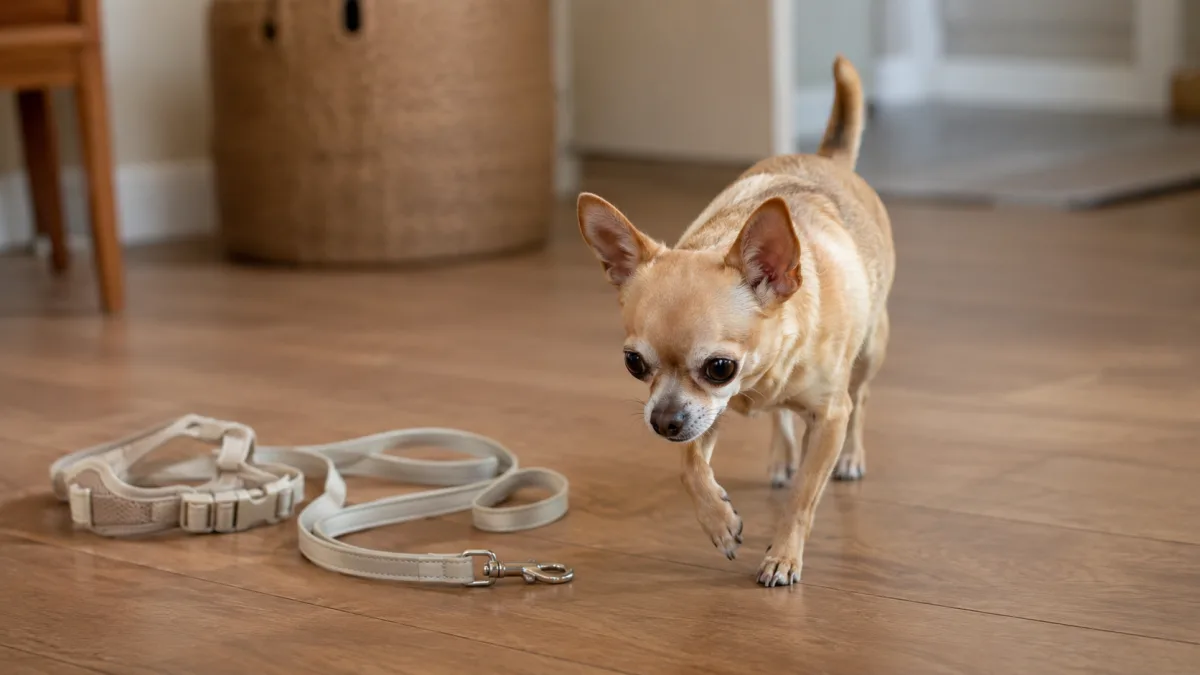
Choose comfortable walking gear and a light leash. Let the dog investigate the gear, then reward a few steps beside you indoors before going outside. A Chihuahua that freezes on the sidewalk may need quieter routes and shorter sessions.
Carry less, teach more. Picking the dog up is sometimes needed for safety, but constant rescue keeps the dog from learning how to move through normal places.
For coat and handling routines in another small breed, Livecub's longhair Dachshund grooming guide shows why patient touch practice matters.
How do rewards and rules prevent spoiled behavior?
Food rewards work well, but pieces should be tiny. Use part of the daily meal for training and save richer treats for hard moments. Rewards can also include sniffing, being invited onto the sofa, greeting a calm person, or going through a door.
The AKC Canine Good Citizen program gives a practical manners checklist, including greeting, grooming acceptance, walking, recall, and supervised separation. The AKC Canine Good Citizen program can help owners aim beyond tricks and toward daily manners.
Reward the pause. Many small-dog problems improve when the dog learns that waiting quietly works better than barking, spinning, or pushing.
What should daily practice look like?
Daily practice should be small enough that the dog succeeds often. Use two or three minutes for name response, a few recalls from room to room, one handling drill, one potty trip reward, and one quiet mat session. That sounds modest, but repetition makes it powerful.
Keep a routine for meals, potty breaks, walks, naps, and visitors. Chihuahuas often do better when they can predict what happens next. Sudden grabbing, crowded greetings, and noisy corrections make many tiny dogs defensive.
Make the right answer easy. Put beds where the dog can rest, block access to windows that create barking rehearsals, and use a leash indoors during guest practice if the dog rushes the door.
Ask every adult in the home to use the same cues. If one person rewards barking with attention and another asks for quiet, the dog will keep testing both answers. A simple note on the fridge can track potty timing, bark triggers, and which rewards are working.
Review that note every few days. Drop what is not helping, repeat what is working, and keep sessions short enough that the dog ends with confidence instead of frustration. Progress often looks quiet before it looks impressive.
How do you teach calm alone time?
Start with short separations while the dog is already relaxed. Give a safe bed or crate, step away for a few seconds, return calmly, and reward quiet behavior. Build time slowly instead of waiting for a full panic episode.
Many small dogs follow people from room to room because being picked up and carried has become normal. Practice independence while you are home. A Chihuahua can be loved without being carried every minute.
How do you train around children and guests?
Children should sit low, offer treats with an open hand, and avoid grabbing. Guests should ignore the dog at first unless the dog chooses to approach. A Chihuahua should not be passed around because people think the size makes it easy.
Give the dog a safe place and protect that place. If the dog retreats to a bed or crate, nobody follows. Do not make the dog choose between fear and obedience; set the room so the better choice is available.
For a different small-dog temperament comparison, Livecub's Miniature Schnauzer questions guide shows why voice, confidence, and boundaries often travel together.
Frequently Asked Questions
Are Chihuahuas hard to train?
They are not hard because they are small. They become hard when training is inconsistent, too rough, or replaced by carrying and laughing at bad habits.
How do I stop a Chihuahua from barking at guests?
Use distance, a mat cue, treat scatters, and calm exits. Reward quiet looking before the dog explodes into barking.
Can a Chihuahua learn recall?
Yes. Practice indoors first, reward generously, and do not use recall only for ending fun or picking the dog up.
Should Chihuahuas be crate trained?
Many benefit from crate or carrier comfort, especially for travel, rest, vet visits, and safe separation from household commotion.
Tiny dogs still deserve normal dog skills. Train the Chihuahua in front of you with respect, but keep the rules clear enough that the whole household can follow them.

Chiara Bradshaw
Covers education, culture and creative topics with an emphasis on readable explanations and verifiable references.
Leave a reply
Replying to