
Chow Chow Breed Information Starts With Temperament
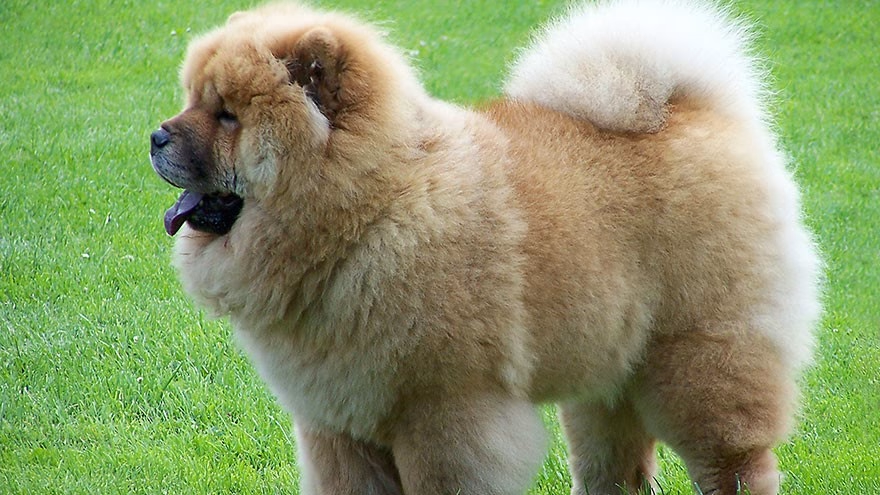
Chow Chow breed information often focuses on the lion-like coat and blue-black tongue, but temperament is the real starting point. Chows are dignified, reserved, independent dogs that need owners who respect space, train calmly, and socialize early.
The American Kennel Club's Chow Chow breed page describes the breed as dignified, bright, and serious-minded. That is not a warning label, but it is a reminder that a Chow is not usually a bouncy stranger-loving dog.
People who want constant outgoing friendliness may be disappointed. People who appreciate a calm, loyal, self-possessed dog may understand the appeal. Respect the reserve.
Personality and Home Fit
A Chow can be devoted to its household while staying aloof with strangers. That behavior should not be confused with poor character. It does mean the owner must manage introductions, visitors, grooming, veterinary care, and public outings carefully.
Chows can live well in homes that provide structure and calm routines. They may not enjoy chaotic handling, rough play, or strangers reaching over their heads. Children need guidance, and adults need to supervise.
For another independent long-coated companion breed, Livecub's Lhasa Apso questions article offers useful contrast.
Home Setup and Boundaries
A Chow benefits from a home where resting places are respected. Give the dog a bed, crate, or quiet corner where no one bothers it. This is not isolation; it is a predictable space.
Use gates and leashes when guests arrive. A Chow should not be expected to manage a room full of strangers without help. Controlled introductions make better impressions than surprise contact.
Space can prevent conflict. Many handling problems start when people ignore a dog's request for distance.
Early Socialization Matters
Socialization for a Chow is not about forcing the dog to love everyone. It is about giving the puppy safe, positive exposure to people, surfaces, sounds, grooming, car rides, vet-style handling, and calm dogs.
Keep sessions short and controlled. Let the puppy observe at a distance. Reward calm behavior. Do not let strangers crowd the puppy because they want to touch the coat.
A mature Chow with no social foundation can be difficult to handle. Early work makes adult life safer and less stressful.
Neutral is a good goal. A Chow does not need to greet every person to be well socialized.
Coat Care and Grooming
The Chow coat can be rough or smooth, but both need regular care. The rough coat especially needs brushing to the skin, not just smoothing the surface. Mats can form behind ears, around the collar, under legs, and near the tail.
Grooming should start young. Touch paws, open the mouth gently, handle ears, lift the tail area, and reward calm standing. Waiting until the coat is tangled teaches the dog that grooming is uncomfortable.
For a breed with different coat maintenance, Livecub's longhair Dachshund grooming guide reinforces the same habit: steady coat work beats emergency grooming.
Heat and Breathing Caution
Chows have dense coats and a distinctive build. Heat and humidity can be hard on them, especially during heavy activity. Plan walks during cooler parts of the day and provide shade, water, and indoor rest.
Do not force long hot walks because the dog looks sturdy. Watch for heavy panting, slowing, seeking shade, drooling, or distress. Coat and airway structure make heat management part of daily care.
If a Chow struggles with breathing, exercise, or heat, talk with a veterinarian. Do not treat it as stubbornness.
Children, Guests, and Handling
Children should learn not to hug, climb on, chase, or corner a Chow. The dog may be loyal to family and still dislike rough handling. Adults should step in before the dog has to defend its space.
Guests should be told the rules before they meet the dog. Ignore the dog at first, avoid direct reaching, and let the dog choose whether to approach. If the dog walks away, the greeting is over.
This kind of management is not unfriendly. It is how a reserved breed can live safely with people.
Health Testing and Breed Concerns
The Chow Chow Club health statement recommends screening such as eye examination, elbow evaluation, hip evaluation, thyroid testing, and patella exam for breeding decisions. Those topics are worth asking about when choosing a puppy or discussing adult care.
The OFA's breed screening database helps buyers understand what health tests are recommended for specific breeds. Public records make breeder conversations more specific.
Eye issues such as entropion are often discussed in the breed. The Chow Chow Breed Council's health page notes breed club health testing recommendations, including hips, elbows, eyes, and health assessment topics.
Health testing reduces guesswork, but it does not replace regular veterinary care.
Training a Chow Chow
Training should be calm, clear, and consistent. Harsh handling can backfire with a Chow. Reward the behavior you want, keep sessions short, and teach practical skills: recall, leash manners, handling, leave it, place, and calm door routines.
Do not confuse independence with inability. Chows can learn, but they often respond best when the work is predictable and respectful. Pick your rules early and keep them steady.
For a small breed with a different attitude but similar need for clarity, Livecub's Miniature Schnauzer questions article is a helpful comparison.
Exercise and Daily Routine
Most Chows need moderate daily exercise, not frantic endurance work. Walks, sniffing, short play, training, and calm household routines can suit many adult dogs. Puppies and seniors need age-appropriate pacing.
Because the breed can be reserved and strong, leash skills matter. A Chow that learns to move calmly through the world is easier to groom, vet, walk, and live with.
Weight control matters too. Extra weight makes heat, movement, and joint comfort harder. Measure food, count treats, and ask your veterinarian about body condition.
For a heavier breed comparison, Livecub's Basset Hound questions shows how body type changes exercise and health planning.
Food, Weight, and Daily Monitoring
Feed a measured diet that fits age, activity, body condition, and veterinary guidance. Chows can look solid because of coat and build, so hands-on body checks help more than appearance alone.
Watch appetite, thirst, stool quality, skin, movement, and heat tolerance. Small changes can be hidden under the coat until they become more obvious.
Do not let the coat fool you. A Chow can be overweight or uncomfortable even when the outline looks normal.
Preparing for Vet and Groomer Visits
Chows need handling practice before appointments. Practice standing on a mat, wearing a collar, accepting a leash, having paws touched, and letting someone look near the eyes and mouth.
Tell the groomer or veterinarian what the dog likes and does not like. A calm plan is better than pretending the dog will be fine because it is quiet.
For some Chows, a muzzle-conditioning plan may be useful for safety during medical care. That should be taught gently before it is needed.
Who Should Choose a Chow?
A Chow fits best with owners who like a more independent dog, can handle coat care, will invest in early socialization, and do not need a dog who greets everyone with enthusiasm.
This breed is not a good choice for someone who wants low grooming, off-leash reliability without training, or a dog that tolerates rough handling from everyone. A Chow needs respect and management.
Meet adult Chows before deciding. Puppies are charming, but adult temperament is the better picture of the breed.
Adopting or Buying a Chow
If buying a puppy, ask about health testing, parent temperament, grooming practice, socialization, and what support the breeder gives after the sale. If adopting, ask about handling, grooming tolerance, strangers, dogs, children, and veterinary history.
An adult Chow may be an excellent fit for someone who wants a clearer view of temperament. A puppy offers more early influence but also more uncertainty. Choose slowly and meet the dog more than once if possible.
Frequently Asked Questions
Are Chow Chows good family dogs?
They can be in the right home, with respectful handling, supervision, training, and early socialization.
Do Chow Chows need a lot of grooming?
Yes, especially rough-coated Chows. Regular brushing and handling practice are part of responsible care.
Are Chow Chows friendly with strangers?
Many are reserved. Good socialization helps them stay calm, but they may never be highly outgoing.
What health questions should I ask about a Chow?
Ask about eyes, hips, elbows, thyroid, patellas, breeder records, family history, and routine veterinary care.

Chiara Bradshaw
Covers education, culture and creative topics with an emphasis on readable explanations and verifiable references.
Leave a reply
Replying to