
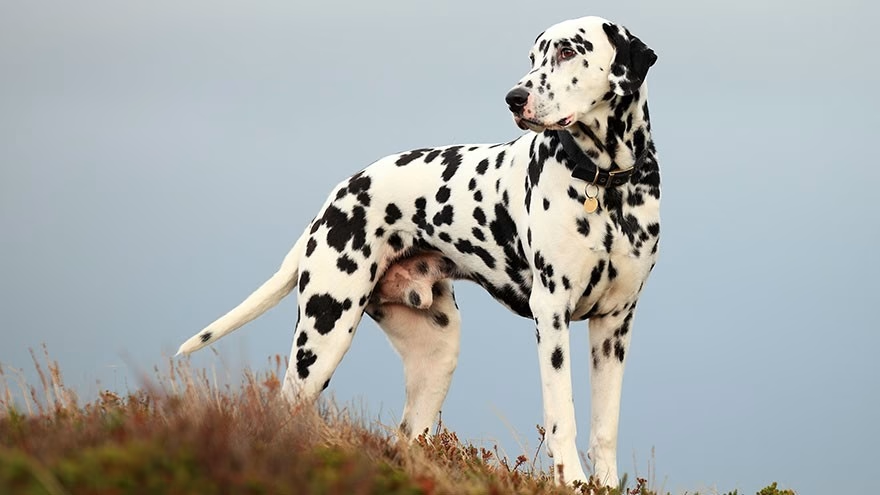
Dalmatian : 10 Most Common Questions deserves more than spots and firehouse jokes. Dalmatians are athletic, clever, sensitive dogs with real health and exercise needs. They can be excellent companions for active homes, but they are not couch decorations.
The breed's two biggest practical topics are energy and health, especially deafness and urinary stone risk. A good Dalmatian owner learns those before falling for the coat.
1. What Is A Dalmatian Like?
The American Kennel Club describes the Dalmatian as dignified, smart, and outgoing. Historically linked with carriage work, the breed has stamina and a strong need to be involved.
Dalmatians often like their people deeply and may be reserved with strangers. They need socialization, structure, and a job for their body and brain. A bored Dalmatian can become loud, destructive, or too intense.
2. Are Dalmatians Good Family Dogs?
They can be, especially with active families who train calmly and include the dog in daily life. Children should be taught not to roughhouse, chase, or climb on the dog. A young Dalmatian can be bouncy enough to knock people over.
Families should ask breeders about temperament, hearing tests, urinary history, and activity needs. For a contrast with another energetic breed, Livecub's German Shorthaired Pointer questions shows how working-dog energy can shape home life.
3. How Much Exercise Do They Need?

A lot. PetMD's Dalmatian care guide notes that a standard leash walk may not meet the needs of this energetic breed. Many need long walks, running, training, agility, nose work, fetch, or other controlled activity.
Exercise should be age-appropriate. Puppies need play and training, not forced long-distance running. Adults need regular outlets. Mental work is just as useful as miles.
4. Are Dalmatians Easy To Train?
They can learn well, but they do best with clear, fair, consistent training. Harsh handling can make a sensitive dog shut down or push back. Use rewards, structure, and short sessions.
Teach recall, leash manners, settle, leave it, quiet, polite greetings, and handling. Do not wait until the dog is large, fast, and already practicing bad habits.
5. Do Dalmatians Shed?
Yes. The short coat sheds more than some new owners expect. The hairs can stick to fabric, car seats, and dark clothing. Brushing helps, but it does not make the breed non-shedding.
Bathing is occasional unless the dog is dirty or has skin issues. Check ears, nails, teeth, and skin during grooming. Livecub's longhair Dachshund grooming guide is a very different coat, but regular handling and inspection still apply.
6. Why Is Deafness Discussed So Much?
Congenital deafness is a known Dalmatian concern. A puppy may hear normally in both ears, hear in one ear, or be deaf in both. Responsible breeders use BAER hearing testing so buyers are not guessing from clapping or noise reactions.
A deaf Dalmatian can still have a good life with the right home, training, and safety management. The key is honesty. Buyers should know the puppy's hearing status before pickup.
7. What Is The Urinary Stone Issue?

The Dalmatian Club of America Foundation explains that Dalmatians have a recognized tendency to form uric acid stones, which can become serious, especially if blockage occurs.
Owners should talk with a veterinarian about hydration, diet, urine monitoring, and symptoms such as straining, frequent attempts to urinate, blood, accidents, pain, or inability to pass urine. A urinary blockage is an emergency.
How Can Owners Support Urinary Health?
Keep fresh water available, encourage regular bathroom breaks, and learn your dog's normal urination pattern. If your veterinarian recommends a diet plan or monitoring, follow it closely rather than mixing advice from random breed groups.
Do not ignore small changes. A Dalmatian that strains, dribbles, cries, or keeps trying to urinate needs prompt attention. Waiting can turn a manageable issue into a medical emergency.
8. What Are LUA Dalmatians?
LUA means low uric acid. LUA Dalmatians descend from a backcross project intended to introduce normal uric acid metabolism while keeping Dalmatian type. Some buyers ask about LUA because of stone risk.
This does not mean every LUA dog is perfect or every non-LUA dog will form stones. It means buyers should understand uric acid status, breeder choices, and veterinary care. Ask for clear explanations, not slogans.
9. Are Dalmatians Good With Other Dogs?
Many are, with socialization and supervision. Some can be pushy, selective, or too energetic for calmer dogs. Early manners matter: passing dogs on leash, settling near activity, and coming when called.
If you are comparing strong, confident breeds, Livecub's Rottweiler questions and Staffordshire Bull Terrier health guide show why temperament and management matter beyond looks.
10. What Should You Ask A Breeder?

Ask about BAER hearing results, urinary stone history, LUA or HUA status, hips, eyes, thyroid if relevant, temperament, exercise expectations, socialization, and return policy. Ask how puppies are matched to homes.
Livecub's Brittany breeder recommendations can help shape your buyer questions. The breed differs, but the same rule holds: health, temperament, and support should come before color and markings.
What Daily Care Helps Most?
Give the Dalmatian exercise, training, water access, routine vet care, weight control, safe chew outlets, and enough rest. Watch urine habits and do not ignore straining. Keep training kind but consistent.
Dalmatians often do better when they are included in real life: walks, hikes, training games, travel, and family time. They do worse when left bored with no job and too much energy.
What Home Is Not A Good Fit?
A Dalmatian may be a poor fit for someone who wants a low-energy dog, dislikes shedding, has no time for training, or expects a puppy to settle alone for long days. The breed needs participation.
That does not mean every owner must be a runner. It means the owner should enjoy daily movement, teaching, and planning. A Dalmatian left to invent its own schedule may not make choices the household enjoys.
How Do You Prepare Before Bringing One Home?
Line up a veterinarian, ask about hearing records, prepare a water routine, buy training rewards, choose safe walking equipment, and puppy-proof the home. Also decide who handles walks, feeding, and training before the dog arrives.
If the dog is an adult rescue, ask about hearing, urine history, dog tolerance, children, crate comfort, and alone time. Adult dogs can be wonderful, but they still need honest history and a transition plan.
What Mistakes Do New Owners Make?
Common mistakes include underestimating exercise, skipping hearing documentation, ignoring urinary symptoms, buying for spots alone, and letting a young Dalmatian rehearse wild behavior because it seems funny at first.
Another mistake is using too much pressure in training. Dalmatians often respond better to clear rewards, routines, and calm correction of the setup. If the dog is failing every day, the plan is probably too loose or too hard.
How Much Grooming Is Needed?
The coat is short, but shedding is steady. Brush weekly, more during heavier shedding, and wipe the coat after muddy walks. Keep nails short, teeth checked, and ears clean as advised by your veterinarian.
Because the coat is easy to see, owners may forget the skin. Watch for irritation, lumps, scratches, or hot spots, especially after rough outdoor play.
Make grooming part of the weekly routine, not a crisis response.
Grooming also helps with bonding. A Dalmatian that accepts brushing, paws, ears, and mouth checks is easier to care for after a muddy hike, a minor scrape, or a veterinary visit.
That cooperation pays off for years, especially when health checks need to be quick.
It also makes vet visits less stressful for everyone.
Frequently Asked Questions
Are Dalmatians high energy?
Yes. Most need more than a short walk and benefit from running, training, and mental work.
Are all Dalmatians prone to stones?
The breed has a special urinary risk, but individual risk varies. Work with a veterinarian.
Do Dalmatians need a special diet?
Some may need diet management for urinary risk. Do not change medical diets without veterinary advice.
Can deaf Dalmatians be trained?
Yes. They need visual cues, safety management, and owners prepared for their needs.
Are Dalmatians good apartment dogs?
Some can be, but only with serious exercise, training, noise management, and daily structure.
What Is The Best Owner Fit?
A Dalmatian fits an active owner who likes training, outdoor time, health planning, and a dog that wants to participate. The spots are famous, but the real breed is energy, intelligence, sensitivity, and care.

Chiara Bradshaw
Covers education, culture and creative topics with an emphasis on readable explanations and verifiable references.



Leave a reply
Replying to