

Definition of a Probate Lawyer A probate lawyer, also called a probate attorney or estate administration attorney, helps with the legal process that follows a person's death. The work may involve wills, court filings, executor duties, creditor claims, estate assets, beneficiary questions, and closing the estate.
This is general legal information, not legal advice. Probate law varies by state and by the estate's facts. If there is real property, conflict, debt, taxes, minor heirs, blended families, or unclear authority, talk with a qualified probate lawyer in the correct state.
What Probate Means
Probate is the court-supervised process for validating a will if there is one, appointing authority, identifying assets, handling debts, and distributing property. Some assets pass outside probate, but the estate may still need legal work.
The ABA estate planning resources describe post-death administration as gathering assets, settling affairs, paying debts, filing tax returns, and distributing property. See the ABA's estate planning information.
What The Lawyer Does
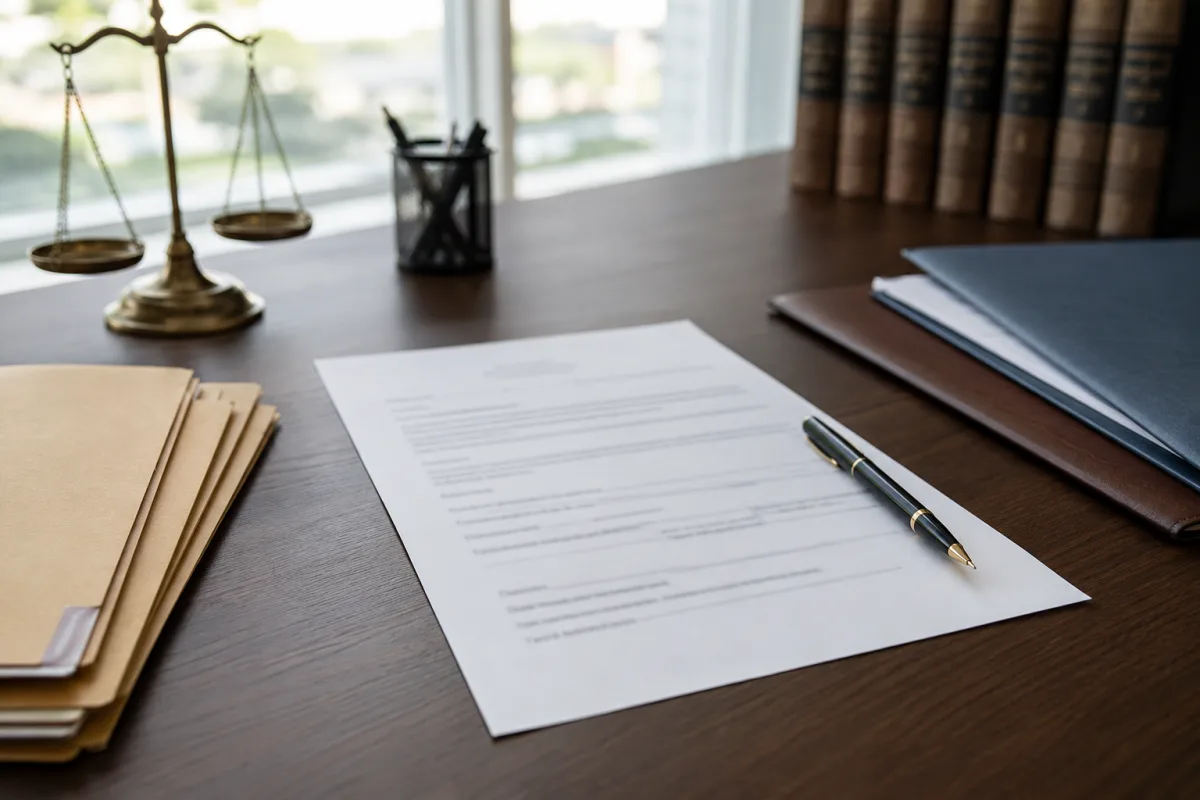
A probate lawyer may prepare petitions, advise the executor, communicate with the court, handle notices, address creditor claims, prepare accountings, help sell property, and guide distributions. In a dispute, the lawyer may also handle litigation or refer to a probate litigator.
MetLife's overview of probate lawyers describes the role as helping executors or beneficiaries through probate.
Executor Support
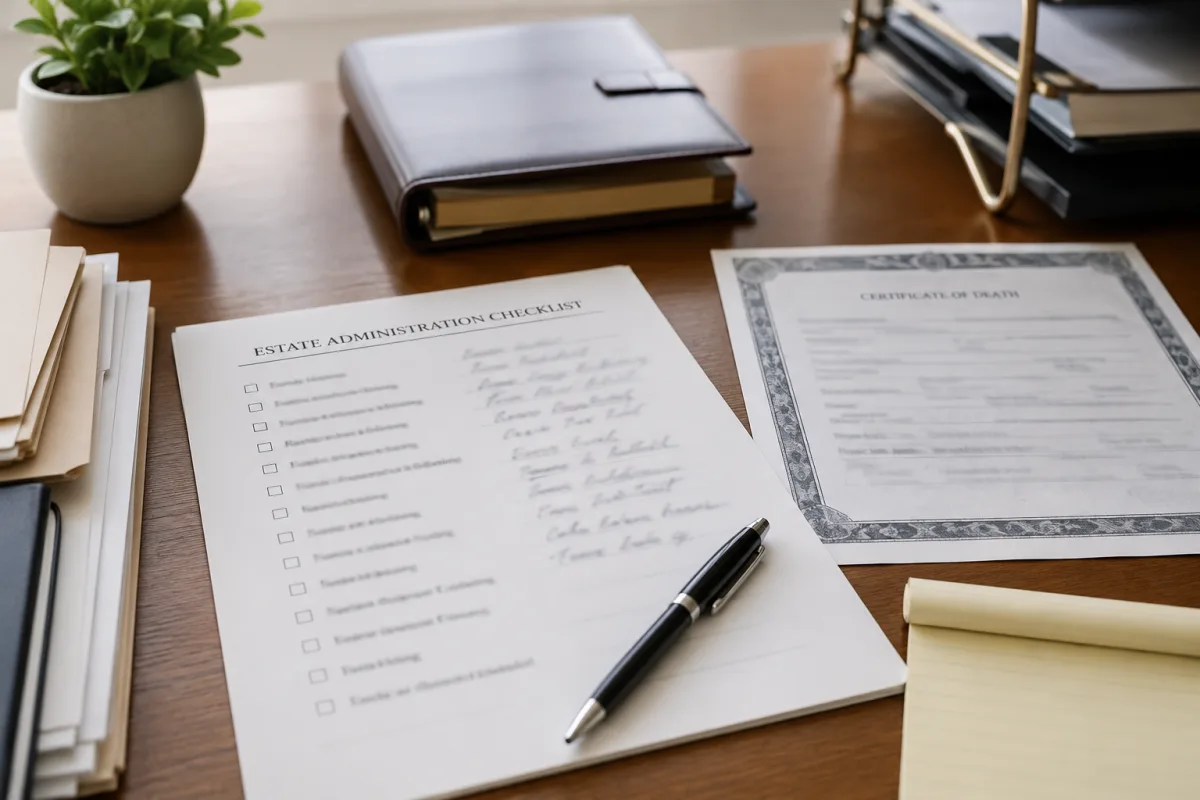
Executors and personal representatives carry legal duties. They may need help understanding deadlines, notice rules, asset inventories, priority of debts, and when distributions are safe.
Livecub's probate court article is a useful internal starting point for court process basics.
Beneficiary Questions
Beneficiaries may want to know why the estate is taking so long, whether an accounting is required, or whether the executor is acting properly. A probate lawyer can explain rights and options, but may not be able to represent everyone at once because conflicts can arise.
Ask who the lawyer represents before sharing sensitive information.
Will Contests
If someone challenges a will, alleges undue influence, questions capacity, or disputes signatures, probate becomes more than paperwork. Litigation deadlines can be short. Legal help should come early.
Do not remove staples, write on original wills, or hide documents.
No Will
When there is no will, state intestacy law decides who inherits. The court may appoint an administrator. A probate lawyer can help identify heirs, prepare filings, and explain how shares are calculated.
For records after death, Livecub's death certificate search guide can help families understand common document needs.
Trust And Nonprobate Assets
Trusts, beneficiary accounts, joint property, and transfer-on-death accounts may avoid probate but still require administration. A probate lawyer may coordinate with a trust attorney, tax adviser, or title company.
Livecub's property transfer after trustee death article covers one related situation.
Creditor Claims
Estate debts must be handled under state rules. Paying the wrong bill too early can create problems. A lawyer can help sort creditor priority, medical bills, funeral expenses, taxes, and disputed claims.
Livecub's surviving spouse medical bills article is related but not a substitute for state advice.
Real Estate
Real estate can make probate harder because title companies, mortgages, taxes, repairs, insurance, and sale authority all matter. A lawyer may prepare orders or deeds needed to transfer or sell property.
Out-of-state property may require ancillary probate in another state.
Costs And Fees
Probate lawyer fees may be hourly, flat, statutory, or tied to estate complexity, depending on state law and the engagement. Ask what is included, what is billed separately, and who pays from the estate.
Get the fee agreement in writing.
When You May Not Need One
A very small, uncontested estate with no real estate and clear beneficiaries may have simplified procedures. Even then, it can be worth a short consultation before filing the wrong form.
DIY mistakes can cost more than early advice.
Questions To Ask

Ask about experience in the county, expected timeline, fee structure, documents needed, creditor process, tax coordination, and who the lawyer represents. Bring the will, death certificate, asset list, debt list, and beneficiary names.
Livecub's questions to ask an estate lawyer can help prepare that meeting.
Court Filings
Probate court filings can include petitions, oaths, notices, inventories, accountings, proposed orders, and closing papers. A probate lawyer helps make sure the filing matches local court rules and the estate's facts.
Small errors can delay a case for weeks.
Tax Coordination
A probate lawyer may coordinate with a CPA on final income tax returns, estate income tax, estate tax, or property tax questions. The lawyer may not prepare every return, but the legal timeline and tax timeline should not contradict each other.
Ask who handles tax filings before assuming the lawyer does.
Family Conflict
Probate often happens while people are grieving. Old family conflict can attach itself to furniture, bank accounts, funeral costs, or who gets information. A lawyer can help separate legal duties from emotional arguments.
That does not make grief disappear, but it can keep the estate moving.
Small Estate Procedures
Many states offer simplified small estate procedures. A probate lawyer can tell you whether the estate qualifies and whether using the shortcut creates title, creditor, or tax problems later.
The simplest form is useful only if it solves the actual problem.
Out-Of-State Heirs
Heirs and beneficiaries may live in different states or countries. Notices, signatures, translations, and tax forms can take extra time. A probate lawyer can help set realistic expectations.
Plan for mailing and response delays.
Closing The Estate
Closing may require receipts, waivers, final accounting, proof of payment, or a court order. A probate lawyer helps avoid final distributions before debts, taxes, and court requirements are complete.
Rushing the last step can create personal risk for the executor.
Build A Simple Checklist
A checklist keeps the next action visible when stress rises. Write the document to gather, the call to make, the date to review, and the proof to save. Keep the list short enough to finish.
A short checklist prevents good advice from staying vague.
Use A Review Date
Set a date to review the plan instead of trying to make it perfect now. Insurance, legal work, recovery, and budgets all change when new facts arrive. A review date lets you act now without pretending the first version is final.
Put the review on a calendar, not only in memory.
Keep Evidence
Save receipts, screenshots, notes, forms, messages, appointment summaries, or symptom logs depending on the topic. Evidence protects you from guesswork and makes professional help more useful.
Good records are quiet until you need them. Then they matter a lot.
Know The Limit
Every plan has a limit. A policy excludes something, a lawyer cannot represent everyone, a routine cannot cure illness, and a budget cannot control every price. Naming the limit keeps the advice honest.
The limit is not a flaw; it is where judgment and help come in.
Ask One Direct Question
Before spending money, filing papers, changing routines, or making a family plan, ask one direct question: what would make this safer or clearer? That question usually points to the missing document, call, boundary, or estimate.
Direct questions keep the plan practical.
Avoid Panic Decisions
Stress can push people toward fast purchases, rushed filings, big promises, or unrealistic routines. Pause long enough to check the facts. A slower decision made with better information often costs less.
Urgency should come from real deadlines, not pressure from a sales page or anxious relative.
Update After New Facts
A plan should change after new facts: a denied claim, court request, symptom change, workplace answer, or childcare quote. Updating is not failure. It means the plan is alive enough to match reality.
Keep the old note so you can see why the change was made.
Frequently Asked Questions
Is a probate lawyer the same as an estate lawyer?
Often related, but some focus on court administration while others focus on planning or litigation.
Who does the probate lawyer represent?
Usually the executor or estate representative, but ask directly because conflicts matter.
Do all estates need probate lawyers?
No, but complex estates, disputes, real estate, debts, or tax issues often benefit from legal help.
Can a probate lawyer help without a will?
Yes. They can help with intestacy filings and heir identification.
What should I bring to a consultation?
Bring the will, death certificate, asset and debt lists, beneficiary names, and court papers.
The Practical Takeaway
A probate lawyer helps administer an estate through court rules, notices, debts, assets, beneficiaries, and distributions. The right time to call is before paperwork or conflict goes wrong.

Patrick Harwood
Edits sports, consumer-finance and general legal explainers. Regulated or time-sensitive topics link to primary sources and are not professional advice.


Leave a reply
Replying to