
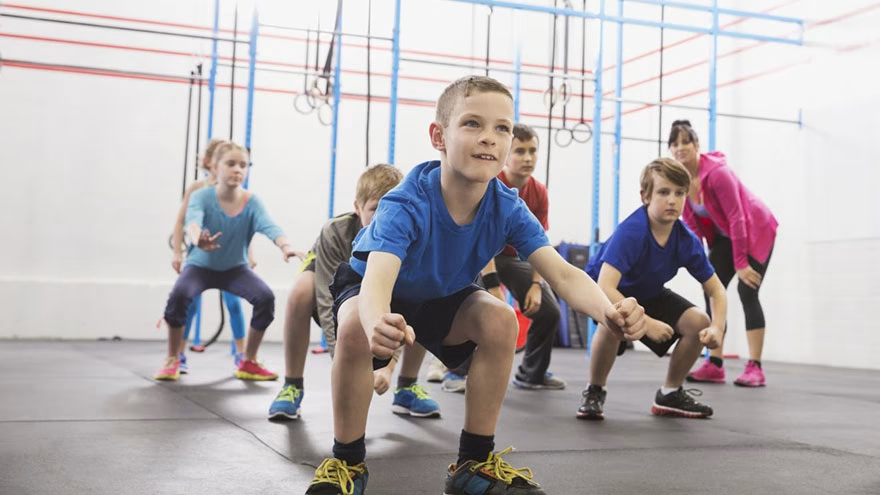
Kids build endurance better through play than through adult-style suffering. Good endurance exercises for kids feel like games, trips, challenges, and sports practice, not punishment. The aim is steady movement, confidence, and recovery, with enough variety that a child learns effort without deciding exercise is a chore they will avoid later.
How much endurance activity do kids need?
The CDC says children and adolescents ages 6 to 17 need 60 minutes or more of moderate-to-vigorous physical activity daily. Most of that should be aerobic activity, with vigorous activity and muscle- and bone-strengthening activities included at least three days per week.
The CDC physical activity guidelines for children are a useful baseline because they separate daily movement from formal training. A child can meet much of the goal through active play, sports, biking, running games, and walking.
If you are comparing adult movement styles, Livecub's Pilates vs. Tai Chi guide shows the same planning principle: the best exercise is the one that fits the body and can repeat.
What makes an exercise build endurance?
Endurance exercise keeps large muscles working long enough that breathing and heart rate rise. For children, that can be tag, soccer, swimming, cycling, hiking, dancing, skating, jump rope, or obstacle games. It does not have to look like a treadmill session.
Steady movement matters. A game with constant stop-start can still help, but a child also needs periods of continuous movement: walking a trail, biking a loop, swimming laps with breaks, or playing a longer running game.
Use the talk test in simple form. If a child can talk but not sing during activity, the effort is moderate. If talking becomes difficult, the effort is vigorous and should be used in shorter bursts.
What running games work well?
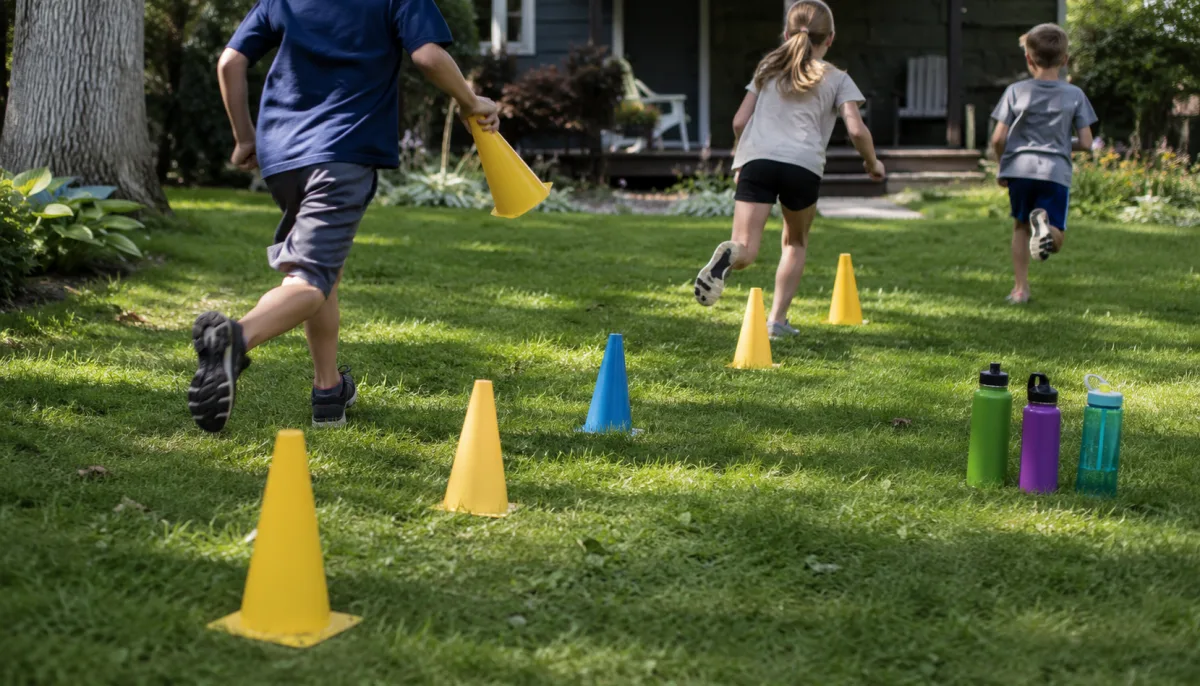
Running games are better than laps for many kids. Try relay races, scavenger runs, tag variations, timed treasure hunts, cone courses, or "beat your own time" loops. Keep the goal personal rather than turning every run into a ranking.
For younger children, use short rounds with rest. For older kids, build longer continuous movement gradually. Avoid using running as punishment, because it teaches the wrong emotional lesson.
If a child likes structured class movement, Livecub's basic aerobic steps guide can help turn endurance into rhythm and coordination rather than simple running.
What endurance games work by age?
Younger kids often do best with imagination: animal walks, treasure hunts, follow-the-leader, obstacle paths, or short tag rounds. Keep rules simple and change the task before boredom turns into refusal.
Older children can handle longer loops, timed stations, partner relays, sport drills, or bike rides with a destination. Give them a role in planning. A child who chooses the route or playlist usually buys into the effort sooner.
Do not compare siblings. One child may love running while another prefers biking or swimming. Endurance improves through repeated movement, not family rankings.
What low-impact endurance exercises help kids?
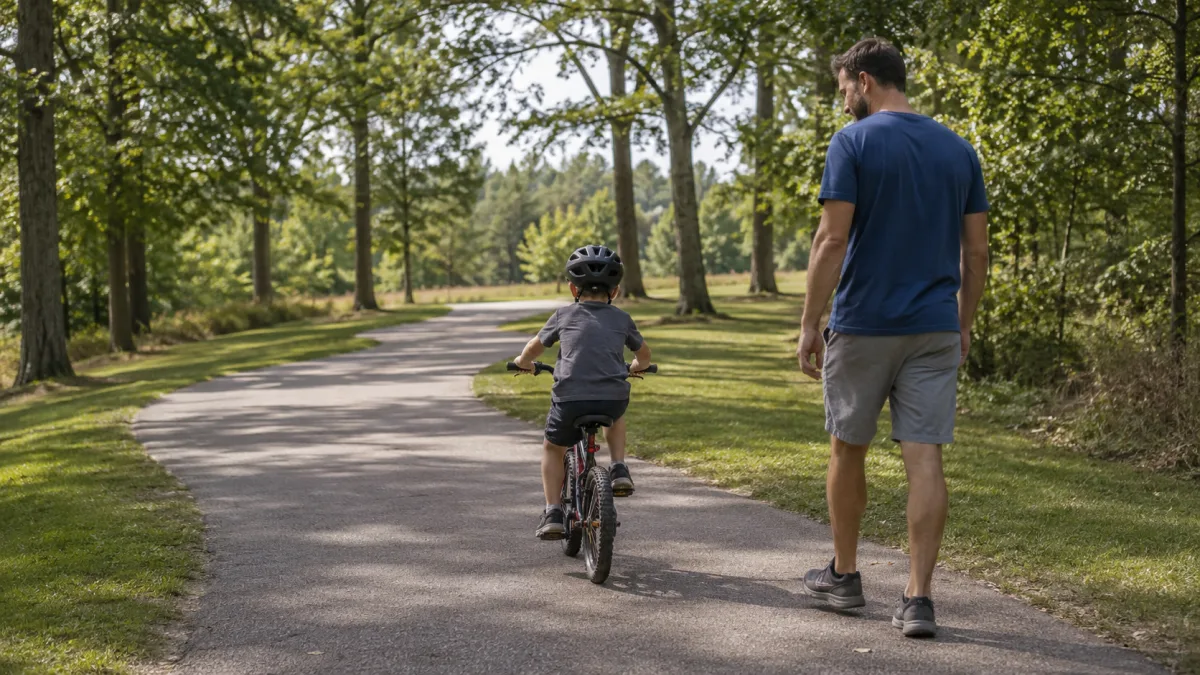
Biking, swimming, brisk walking, hiking, scooter riding, and dance can build endurance with less pounding than running. Low-impact choices are useful for beginners, heavier children, hot days, or kids who dislike running but enjoy moving.
Swimming is especially useful because it works the whole body and teaches breathing control, but it requires supervision and water safety. Biking needs a helmet, a safe route, and a bike that fits. Hiking needs water, shade, and shoes that do not turn the day into blisters.
Choice increases buy-in. Let kids pick between two safe options rather than asking whether they want to exercise at all.
How can families build endurance together?
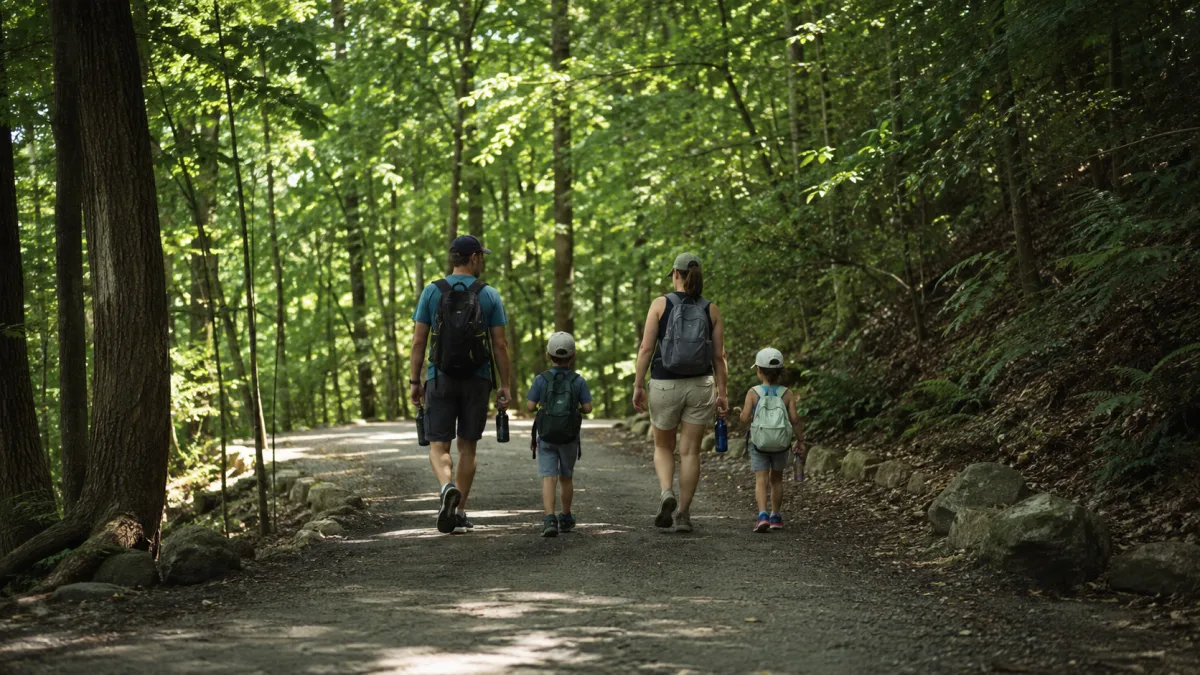
Family endurance works best when adults join instead of supervise from a chair. Walk after dinner, bike to a park, hike a short trail, do a dance playlist, or set a weekend step challenge. Children notice adult habits more than speeches.
Keep family challenges fair. A ten-year-old and a six-year-old should not have identical distance goals. Use time, stations, or teamwork so each child can contribute without being embarrassed.
Livecub's cross country ski length guide is sport-specific, but it carries the same message: fit the activity to the person rather than forcing everyone into one size.
What is a simple endurance circuit for kids?
Use four to six stations and keep the mood playful. Try 45 seconds each of marching, jumping jacks, cone weaving, bear crawl, dance move, and easy jog, with short rests between stations. Repeat once or twice if the child is still having fun.
For younger children, shorten the stations and use story names: river jumps, crab bridge, superhero run, or balloon arms. For older kids, add a timer, team points, or a personal best that only compares the child to their last attempt.
The circuit should end before the child hates it. Stopping while energy is still positive makes the next session easier to start.
How do you make endurance safe?
The American Academy of Pediatrics says children should be physically active and that activity should be safe, fun, and age-appropriate. The HealthyChildren fitness guidance also encourages families to make activity part of daily life.
Watch heat, hydration, pain, dizziness, wheezing, and unusual fatigue. Stop for chest pain, fainting, severe shortness of breath, or symptoms that do not fit the effort. Children with medical conditions should follow their clinician's advice.
Pain is not a training plan. Soreness and effort can happen, but sharp pain, limping, or dread should change the activity.
How should endurance fit with school sports?
If a child already has soccer, basketball, dance, martial arts, or swimming several days a week, extra endurance work should be light. More is not always better. Sleep, appetite, mood, school focus, and recurring pain can tell you when the schedule is too full.
Use off-days for easy walking, stretching, casual biking, or free play rather than another hard session. A child who gets rest can return to sport with more energy and fewer arguments.
Livecub's aerobics class teaching guide is written for instructors, but the same pacing idea applies at home: warm up, offer options, and cool down.
What about weather and indoor options?
Heat, cold, storms, smoke, and icy surfaces can change the plan. Move indoors when outdoor conditions make effort unsafe or miserable. Hallway walks, dance games, stair-free circuits, balloon volleyball, and follow-the-leader can all keep a child moving without needing a gym.
Use water breaks and lighter effort in heat. In cold weather, start gently and dress in layers. The goal is movement that can happen often, not proving toughness against bad conditions.
How do you keep kids motivated?
Let children choose between safe options, invite friends, add music, use a map, or build a story around the activity. Praise effort, problem solving, and consistency rather than speed or winning. A child who feels competent is more likely to keep moving.
Celebrate showing up, especially on ordinary busy weekdays.
That is where durable habits form.
How do you build endurance without burnout?
Increase time slowly. Add a few minutes, another lap, or one extra game round before changing intensity. Kids do not need adult endurance programming to improve. They need repeatable activity and enough rest.
Vary the week: one running game, one bike ride, one swimming day, one dance session, and one family walk. Variety reduces boredom and overuse. It also helps children find movement they actually enjoy.
Keep a small record if it motivates the child: minutes walked, laps swum, trails tried, or games played. Do not turn the record into pressure. The log should help a child see growth, not make every day a test.
Frequently Asked Questions
Can kids do endurance training every day?
Kids can be active daily, but hard endurance training every day is not necessary. Mix easy play, sports, rest, and varied movement.
What is the best endurance exercise for kids?
The best choice is one the child enjoys and can repeat safely, such as biking, swimming, running games, hiking, dance, or active sports.
How do I know if my child is overdoing it?
Watch for pain, limping, unusual fatigue, dizziness, mood changes, sleep trouble, or dread before activity. Reduce load and seek medical advice when needed.
Do kids need heart-rate monitors?
Usually not. The talk test, behavior, breathing, and recovery are enough for most family activity.
Build endurance through repeatable play. A child who likes moving will go farther over time than a child pushed through workouts they hate.

Olivia Prete
Edits culture and personal-development articles, distinguishing opinion and experience from verifiable claims.


Leave a reply
Replying to