
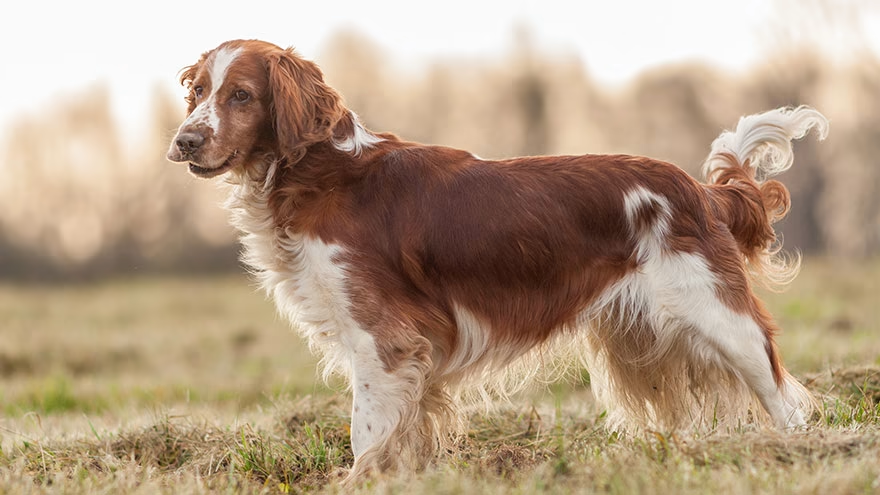
English Springer Spaniel Health Starts With an Active Breed Plan
English Springer Spaniel health care should fit the breed's energy, coat, ears, and working background. This is not a decorative dog that happens to like walks. A Springer is a sporting breed with stamina, intelligence, and a need for daily movement.
The American Kennel Club's English Springer Spaniel breed page describes the breed as a bird dog with energy, stamina, and brains. Health planning should match that: joints, ears, eyes, coat, weight, and activity all connect.
This guide is not a substitute for veterinary care. It is a practical map for better questions. Active dogs need active care.
Ears Need Regular Attention
Springers have hanging ears that can trap warmth and moisture. That does not mean every dog will have chronic ear trouble, but it does mean owners should know what normal ears look and smell like.
Check ears after swimming, bathing, field work, and humid days. Watch for odor, redness, discharge, head shaking, scratching, or pain. Do not push cotton swabs deep into the ear canal.
Ask your veterinarian how to clean your dog's ears and which product, if any, suits your dog. Ear problems can have different causes, so repeated infections deserve more than guesswork.
Livecub's Brittany Spaniel breeder recommendations article is a useful sporting-breed comparison for buyers asking about care and health background.
After-Bath and After-Swim Checks
Dry the ears and coat after baths, lake days, or wet field work. Moisture around the ears and feathering can hide irritation. A towel check takes only a few minutes and can prevent days of discomfort.
Check the feet too. Look between toes for seeds, small cuts, redness, or packed mud. Sporting dogs often keep moving even when something is rubbing.
If the dog repeatedly shakes its head after water exposure, ask your veterinarian what prevention routine makes sense.
Hips, Elbows, and Movement
Springers are athletic dogs, so joint comfort matters. Limping, stiffness, reluctance to jump into the car, reduced enthusiasm, or uneven movement should not be ignored.
The English Springer Spaniel Field Trial Association's health and genetics page discusses evaluations such as hip certification through OFA and other accepted methods. Buyers should ask what screening has been done and what the results mean.
Keep young dogs fit without overdoing repetitive impact. Build conditioning gradually for running, hunting, agility, hiking, or long fetch sessions.
Fitness is not the same as pounding. Strong muscles help joints, but fatigue and overuse can create problems.
Eyes and Genetic Testing Questions
Eye health should be part of the conversation with breeders and veterinarians. Ask about eye exams, inherited conditions, and what testing is standard for the family line.
The ESSFTA health statement recommends choosing breeders who test for clinical and genetic diseases identified in the breed. That is a stronger question than simply asking whether the puppy "looks healthy."
The OFA's CHIC program explains that breed-specific requirements are developed with parent clubs and can change as health priorities change. That is why current testing discussions matter.
Livecub's German Shorthaired Pointer questions offers another active sporting breed where buyers should ask about health, exercise, and temperament together.
Weight and Conditioning
A Springer should feel athletic, not soft and sluggish. Extra weight can stress joints, reduce stamina, worsen heat tolerance, and make field or sport work harder.
Measure food, adjust for activity, and watch body condition. A dog doing hunting, agility, or long hikes may need different calories from a dog whose exercise is mostly neighborhood walks.
Conditioning should include more than fetch. Use walks, controlled running, swimming when safe, training games, scent work, and rest days. Repeating the same hard activity every day can create overuse.
Lean muscle supports the job. The goal is a dog that can move well, recover, and stay comfortable.
Feeding and Recovery
English Springer Spaniels can burn energy quickly, but extra food should match actual work. A weekend hunting dog, a daily running partner, and a mostly indoor pet do not need the same ration.
Watch recovery after hard days. If the dog is stiff, unusually tired, or less eager the next day, the session may have been too much. Food, water, rest, and gradual conditioning all work together.
Use treats in training, but count them as part of the day. A clever Springer can earn a lot of calories if every cue pays with a large snack.
Skin, Coat, and Field Debris
The Springer coat has feathering that can collect burrs, seeds, mud, and moisture. After field work, hikes, or heavy play, check ears, armpits, belly, feet, tail, and between toes.
Brush regularly to prevent mats and to catch skin changes early. Look for redness, scabs, hot spots, ticks, foxtails, odor, or sore pads. A dog that works through brush can pick up trouble before you notice it.
For long-coated maintenance from a different breed angle, Livecub's longhair Dachshund grooming guide reinforces the value of routine coat checks.
Exercise, Brain Work, and Stress
Many Springers need mental work as much as physical exercise. A bored Springer may bark, chew, pace, steal items, or invent games. Training and scent work can help tire the brain without overloading joints.
Use recall practice, place work, retrieving rules, calm leash walking, and rest skills. An energetic dog that cannot settle is not truly well conditioned.
Livecub's Staffordshire Bull Terrier health problems article is a different breed, but it shows how behavior, exercise, and health often overlap in daily care.
Swimming, Field Work, and Weather
Many Springers enjoy water and outdoor work, but wet ears, muddy coats, burrs, and cold-weather fatigue all need attention. Dry the dog after swimming and check the coat before debris works into the skin.
Warm weather can also be challenging. Bring water, use shade, and avoid pushing hard exercise during heat. A dog that loves work may not stop early enough on its own.
Drive is not a safety plan. Owners still have to manage rest, temperature, and terrain.
Recovery After Big Activity Days
After hunting, hiking, agility, or a long play day, give the dog a real recovery period. Check pads, nails, ears, coat, appetite, and movement before assuming the dog is ready for another hard session.
Some soreness can be subtle. A Springer may still wag and ask to play while moving unevenly. Watch stairs, jumping into cars, and getting up from rest.
Rotate hard days with easier walks, training games, and sniffing. Recovery keeps the next active day safer.
Senior Springer Care
Senior Springers may need changes in exercise, food, dental care, pain management, and home setup. Do not assume a dog is just slowing down without asking whether pain, vision, hearing, or heart health has changed.
Keep routines, but adjust intensity. Shorter walks, swimming, sniffing, gentle training, and softer bedding can keep an older dog engaged without pushing too hard.
Track changes in appetite, weight, lumps, coughing, thirst, urination, sleep, and movement. Bring those notes to veterinary visits.
Keep Useful Health Records
Save vaccination dates, test results, medications, diet changes, ear infection history, weight trends, and photos of skin issues. Records help when you change veterinarians, travel, or notice a recurring pattern.
For puppies, ask the breeder what testing was done and what care routine has already started. For adult rescues, ask about ears, skin, behavior, activity tolerance, and any known veterinary history.
Health care is easier when the information is not scattered across memory, receipts, and old emails.
Records make patterns visible. They also help your veterinarian separate a new problem from one that has been slowly returning over several months or after repeated activity in the field.
Bring those records to annual exams, not only emergency visits. Prevention works better when the history is clear and easy to review together.
Frequently Asked Questions
What health problems should English Springer Spaniel owners watch for?
Ear problems, joint issues, eye conditions, weight gain, skin trouble, and inherited diseases are all worth discussing with a veterinarian or breeder.
Do English Springer Spaniels need a lot of exercise?
Most need daily physical and mental activity, but exercise should be built gradually and balanced with rest.
How often should I check a Springer's ears?
Check regularly, especially after swimming, bathing, field work, or humid weather. Ask your veterinarian about cleaning.
What should I ask a Springer breeder about health?
Ask about hip, elbow, eye, and genetic testing, plus temperament, activity level, and health history in the family line.

Chiara Bradshaw
Covers education, culture and creative topics with an emphasis on readable explanations and verifiable references.

Leave a reply
Replying to