
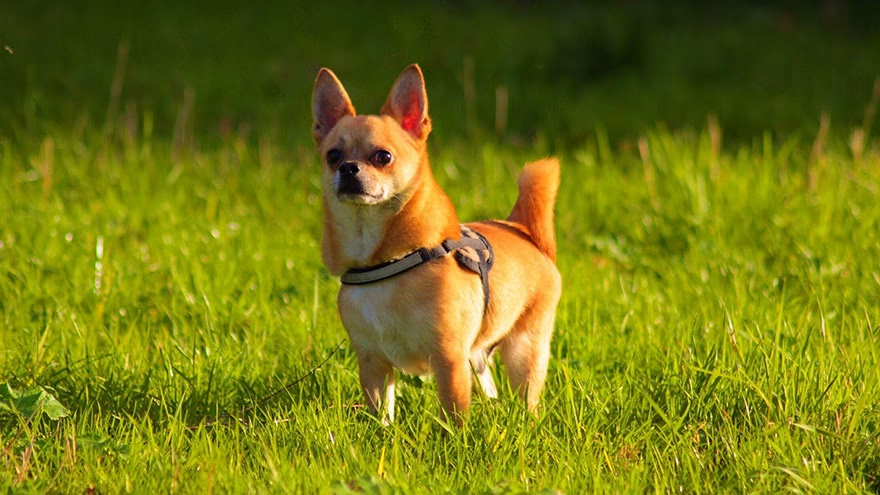
Chihuahuas Are Tiny, Not Simple
Chihuahua dogs are famous for being small, but small does not mean simple. They are alert, opinionated companion dogs that often attach closely to their people. A good Chihuahua can be funny, loyal, quick to learn, and surprisingly bold, but the breed can also become noisy, anxious, or snappy if handled like a toy instead of a dog.
The American Kennel Club describes the Chihuahua as a graceful, alert toy breed that should not exceed 6 pounds. Its Chihuahua breed page is a useful first stop for size, coat, and temperament. Breed facts are helpful, but daily life depends on training, socialization, health care, and the household's habits.
The biggest mistake is assuming a Chihuahua needs less structure because it is tiny. Small dogs still need boundaries, walks, polite greetings, grooming, dental care, and quiet rest. Treat the dog as a small adult dog, not as an accessory.
Size, Body, and Coat Types
Chihuahuas come in smooth coat and long coat varieties. Smooth coats are short and close to the body. Long coats have softer hair with feathering on the ears, tail, legs, and neck. Both varieties shed, and both need routine brushing, nail trimming, ear checks, and dental care.
The Chihuahua Club of America explains that the breed standard recognizes two coat varieties and that the breed should have a rounded "apple dome" head. Its Chihuahua information page also emphasizes that responsible ownership includes understanding the standard, care, and breeder expectations.
Because Chihuahuas are so small, weight gain can matter quickly. A few extra ounces can affect movement, breathing comfort, and joint stress. Food should be measured, treats should be small, and people in the household need to agree on feeding rules.
Size can also change how people behave around the dog. Visitors may reach down too quickly, children may want to pick the dog up, and owners may scoop the dog away from every challenge. A confident Chihuahua needs protection, but it also needs chances to stand, walk, sniff, and make calm choices on the ground.
Temperament and Social Behavior
Many Chihuahuas are deeply attached to one or two people. That loyalty can be sweet, but it can also become guarding if the dog is allowed to control laps, doorways, beds, or visitors. Early handling and calm exposure to normal life help the dog learn that the world is not a threat.
Socialization is not forcing a puppy to meet everyone. It is gentle exposure to sounds, surfaces, carriers, grooming tools, visitors, leashes, car rides, and polite dogs. Reward calm behavior. Do not let strangers crowd the puppy, and do not reward frantic barking with attention every time.
Watch for guarding patterns early. A Chihuahua that growls from a lap, snaps when moved, or barks at every person near its owner may be asking for clearer rules. Teach a safe place, reward relaxed behavior, and practice trading prized items before the habit becomes resource guarding.
If you compare small breeds, Livecub's Maltese questions and Lhasa Apso questions can help you see how different toy and companion breeds can be. Size alone does not tell the whole story.
Training Matters More Than People Think
A Chihuahua can learn sit, stay, come, leash walking, crate comfort, and house manners like any other dog. The challenge is that people often excuse bad behavior because the dog is little. Barking, snapping, begging, and guarding should be addressed kindly but consistently.
Use short training sessions and high-value rewards. Tiny dogs can fill up quickly, so rewards should be very small. Avoid punishment that scares the dog. A frightened Chihuahua may defend itself with teeth because running away is hard when a person is towering overhead.
House training may need extra patience. Small bladders, cold weather, and hidden accidents can slow progress. Use a schedule, supervision, and immediate rewards outside. If indoor potty options are used, keep the rules clear so the dog does not learn that any rug is acceptable.
Handling training should be part of the weekly routine. Practice touching paws, lifting lips, checking ears, fitting a soft walking vest, and being gently held for a moment. Pair each step with food and release before the dog panics. Veterinary visits and grooming are easier when handling feels familiar.
Exercise and Safety
Chihuahuas do not need heavy exercise, but they do need daily movement. Short walks, sniffing time, indoor games, and training can help prevent boredom. A dog that only gets carried may become reactive because it never learns how to move through normal situations.
Safety is a bigger issue than many first-time owners expect. Chihuahuas can be injured by jumps from furniture, rough handling, larger dogs, closing doors, and children who do not understand body size. Use ramps, supervise play, and teach children that the dog needs space.
Cold weather can be hard on tiny dogs, especially short-coated ones. A well-fitted sweater or coat may be useful outside, but clothing should not replace supervision. The dog still needs dry bedding, safe flooring, and a warm place to rest after walks.
Heat needs attention too. A tiny dog can overheat in a parked car, on hot pavement, or inside a carrier with poor airflow. Carry water on warm days and choose shaded routes. A Chihuahua's small body makes temperature planning part of normal care.
Use a soft walking vest rather than relying only on a neck collar for walks. A secure fit can reduce pressure on the throat and makes it easier to guide the dog without pulling on a delicate neck. Check fit often because tiny dogs can slip loose from poorly adjusted gear.
Health and Veterinary Care
Chihuahuas can live a long time, but long life depends on good care. Dental disease is a major concern in many toy breeds, so tooth brushing, dental exams, and professional cleaning advice should start early. Bad teeth can cause pain, infection, and trouble eating.
The Chihuahua Club of America's health information discusses issues owners should know about, including patellar luxation, heart concerns, eye concerns, and other breed-related topics. A breeder or rescue should be willing to discuss known health history, vet care, and what has been checked.
Ask a veterinarian about weight, teeth, knees, heart, eyes, parasite prevention, vaccines, and spay or neuter timing. For a tiny dog, dosing and equipment size matter. Never give human medicine unless a veterinarian specifically says to do so.
Dental care deserves special emphasis because it is easy to postpone until the dog is already uncomfortable. Start with a finger brush, soft brush, or veterinary-approved dental routine that the dog tolerates. The best plan is the one the household can repeat, because daily prevention beats crisis care.
Choosing a Breeder or Rescue
A responsible breeder should answer questions calmly, show health information, let you meet the mother when possible, and care where the puppy is going. Be cautious with sellers who rush payment, avoid questions, always have puppies, or advertise extreme tiny size as the main selling point.
Adult rescue Chihuahuas can be excellent pets, but ask about handling, barking, housetraining, dental care, and comfort with visitors. Some adults need time to trust new people. A quiet first month, consistent routine, and gentle training can help the dog settle.
If you are drawn to tiny dogs because of apartment life, also think about sound. Barking can matter more in shared buildings than yard space. Livecub's Miniature Schnauzer questions are about another small breed, but they show why energy, noise, and owner routine matter as much as size.
Before choosing a Chihuahua, picture the next ten or more years. Will someone handle dental care, safe transport, boarding, winter walks, visitor training, and daily companionship? The breed can be a wonderful match when the household wants a small dog with real dog needs.
Frequently Asked Questions
How big do Chihuahua dogs get?
The AKC standard says Chihuahuas should not exceed 6 pounds. Height varies, and healthy body condition matters more than chasing the smallest possible size.
Are Chihuahuas good apartment dogs?
They can be, if barking, housetraining, exercise, and visitor behavior are managed. Apartment life still requires daily walks and training.
Do long coat Chihuahuas need much grooming?
They need regular brushing, nail care, dental care, and checks behind the ears and legs. The coat is small, but it can still tangle.
Are Chihuahuas good with children?
They can live with respectful children, but rough handling is risky. Supervision and clear rules protect both the dog and the child.

Timothy Davidson
Edits step-by-step general-interest guides for clarity, realistic limits and source verification.

Leave a reply
Replying to