

Food and exercise journal software can be useful when it makes patterns visible without making your whole day revolve around numbers. The right tool depends on your goal, your relationship with food, your privacy needs, and how much detail you can track without stress.
Apps change often. Features, prices, databases, barcode tools, AI photo estimates, and privacy policies can change faster than a printed article. Use this as a selection guide, not a ranking of products.
Start With The Goal
A good tracker starts with a clear reason. Are you trying to notice meal timing, manage blood sugar with a clinician, fuel training, increase fiber, identify stomach triggers, balance energy, or simply remember what helps you feel steady?
The goal determines what to log. Not everyone needs calories, macros, weight, steps, mood, sleep, and water on the same screen.
Use Simple Food Records First
CDC suggests a food and beverage diary as one way to see what you regularly consume, including portions and calories when relevant: CDC food and beverage diary guidance. Software can make that easier, but paper can work too.
Try three days of simple notes before choosing software. If you hate logging every ingredient, choose an app with meal templates or a looser habit tracker. If numbers trigger anxiety, use photo notes or clinician-guided tracking instead.
Livecub's own guide to writing a food journal is a close companion to this software-focused article.
Check The Database
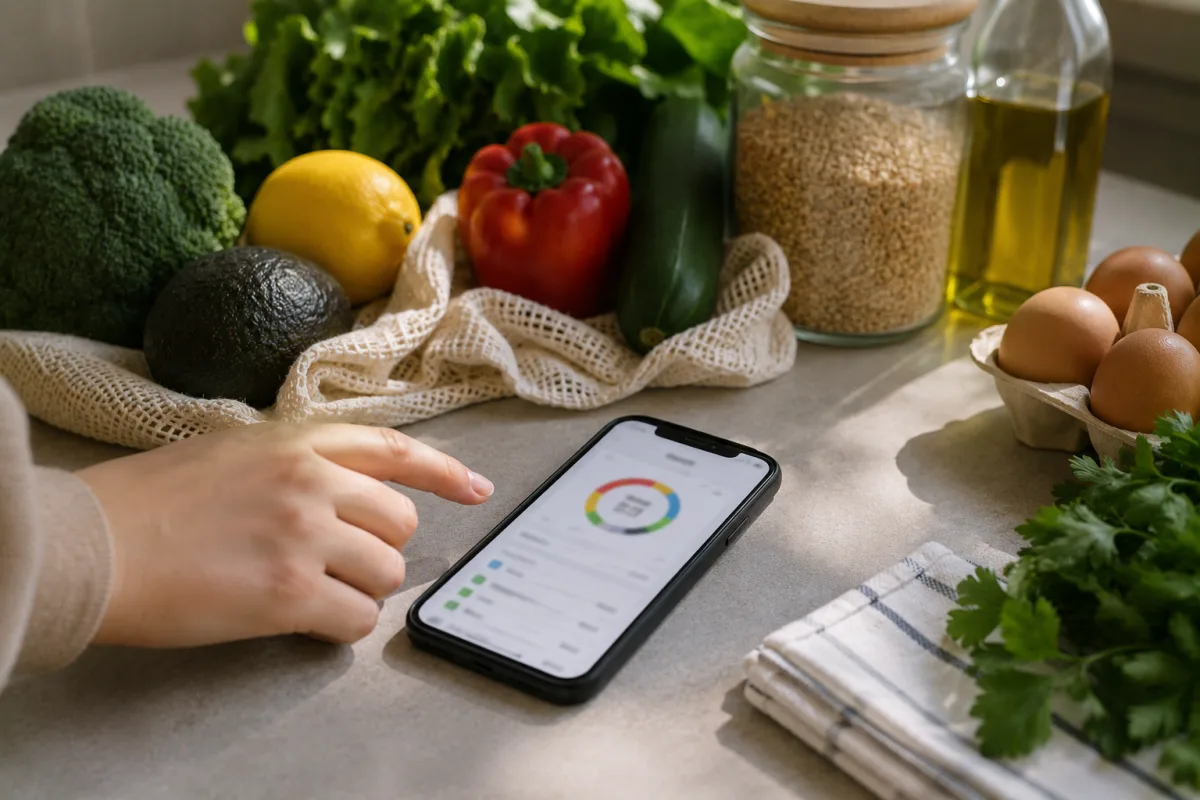
Nutrition databases can be messy. Restaurant items change, user-entered foods may be wrong, and homemade meals are hard to estimate. Look for verified entries, serving size editing, recipe building, and a way to save meals you actually eat.
Treat numbers as estimates unless a clinician needs more precision. The goal is better awareness, not pretending every bite can be measured perfectly.
Track Exercise Without Double Counting
Exercise calories are often estimates, and devices can disagree. If your app adds exercise calories back into a food budget, decide whether that supports your goal or pushes you into a cycle of earning food.
For general health, logging type, time, intensity, and how you felt may be enough. For athletic training, you may need more detail, but that is a different use case.
Use Trusted Planning Tools
NIDDK's Body Weight Planner is a research-based tool for personalized calorie and physical activity plans: NIDDK Body Weight Planner. USDA's MyPlate also offers food group guidance and tools: USDA MyPlate. These can help check whether an app's advice is reasonable.
If an app pushes extreme calorie targets, rapid weight claims, or fear-based messaging, leave it. A tool should not bully you into use.
Look At Privacy Before Logging
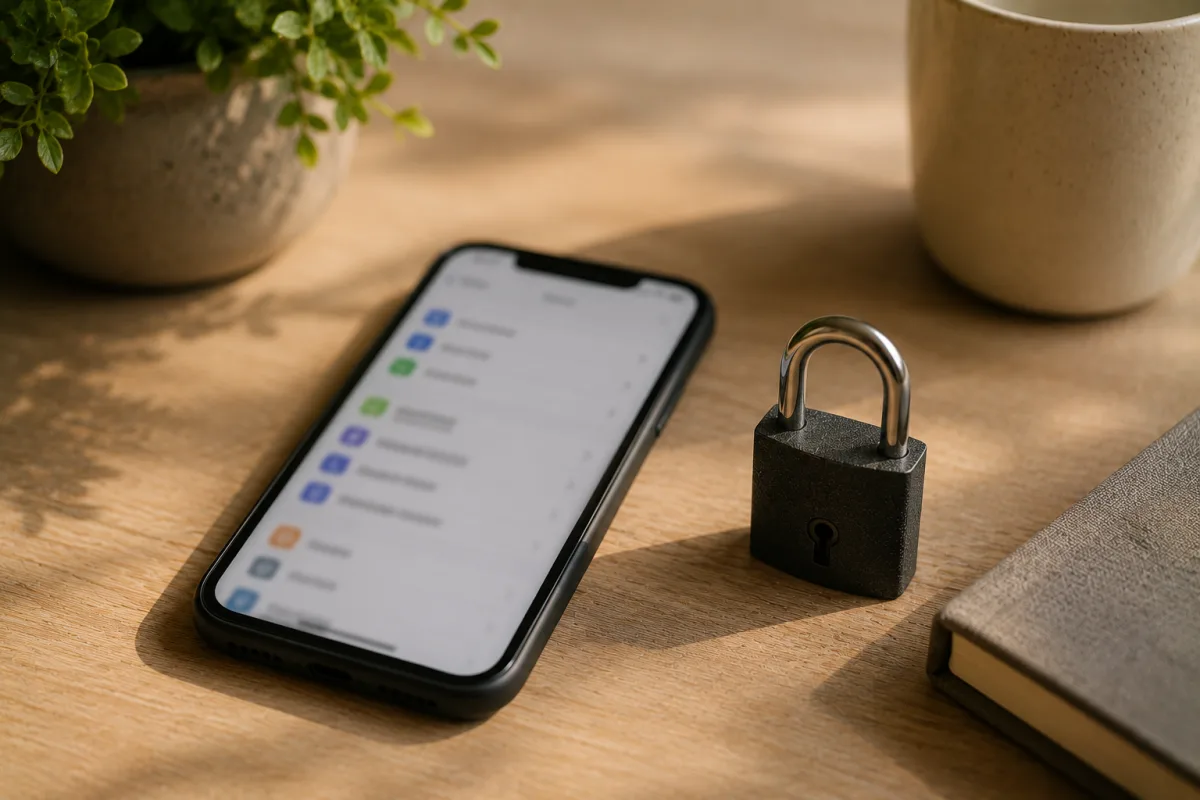
Food logs can reveal health conditions, pregnancy, religious practice, income, location, routines, and body goals. Exercise logs can reveal where you live or run. Read privacy settings before connecting wearables or social features.
Check whether the app sells or shares data, whether you can export and delete records, and whether location sharing is off by default.
Choose The Right Friction Level
Too much friction kills the habit. Too little detail may not answer the question. A barcode scanner, saved meals, voice notes, photo logging, wearable import, and reminders can help, but only if they reduce work.
If motivation is the barrier, Livecub's article on motivation in older adults shows why tools should fit the person's energy and context.
Avoid Shame-Based Tracking
Watch the language. Red warning screens, streak guilt, public leaderboards, and moral labels on food can make tracking worse. Food is not a character test.
If public comparison raises anxiety, Livecub's guide to stage fright may seem unrelated, but the same spotlight feeling can show up in social fitness features.
Know When Not To Track
People with eating disorder history, obsessive tracking, compulsive exercise, body dysmorphic symptoms, or anxiety around food should be cautious. Tracking may need a clinician's guidance or may not be a good fit at all.
If logging leads to skipped meals, panic, secrecy, binge-restrict cycles, or exercise punishment, stop and ask for professional help.
Export And Review Weekly
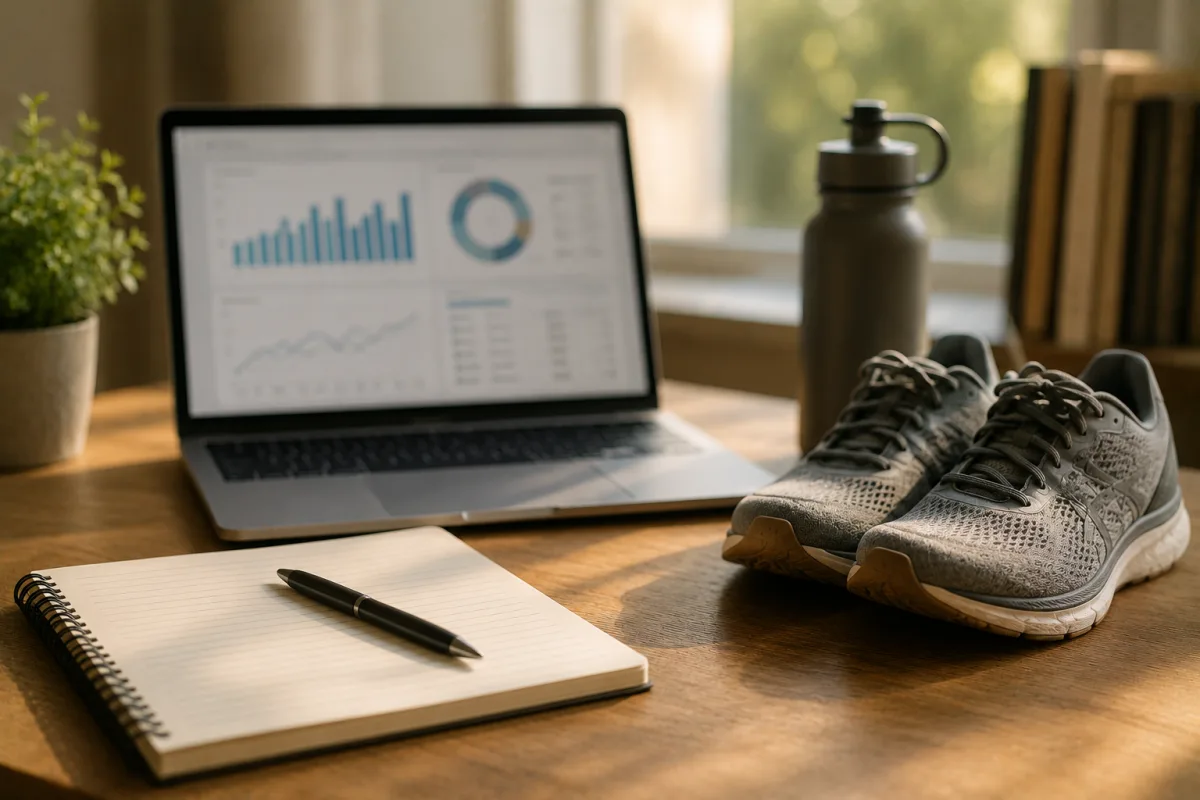
A tracker is only useful if you review it. Once a week, look for patterns: long gaps without food, low protein at breakfast, late caffeine, no rest days, steps dropping on workdays, or mood changes after certain routines.
Then choose one adjustment. Do not redesign your whole life because one chart looked messy.
For nerves around performance goals, Livecub's guide to tryout nerves is a more specific planning resource.
Pick Software That Can Be Left Alone
The best food and exercise journal software is not the one with the most features. It is the one you can use, review, and put down. Your app should support your life, not become the center of it.
If anxiety makes eating, exercise, or speaking feel unsafe, resources such as Livecub's selective mutism article show why symptom-specific help matters.
Use Barcode Scans With Skepticism
Barcode scanners save time, but they are not perfect. Packages change, serving sizes confuse people, and user-added data can be wrong. Check the first entry you use often, then save your corrected version if the app allows it.
Connect Wearables Carefully
Wearable data can help with steps, workouts, sleep, and heart rate trends. It can also become noisy. Decide which numbers you actually use before connecting every device. More data is not always more clarity.
Share With A Clinician When Useful
If a doctor, dietitian, therapist, or trainer asks for records, export a short window instead of handing over months of clutter. Three to seven representative days may answer the question better than a giant file.
Watch Subscription Costs
Many health apps place useful features behind subscriptions. Check the price after trial periods, family plan rules, export limits, and cancellation steps. A free notebook may beat a paid app you resent using.
Check Accessibility
Look for readable text, voice entry, dark mode, large buttons, offline use, and easy editing. A tracker that is hard to see or correct will not last, even if the feature list looks impressive.
Separate Health Data From Worth
A log can show habits, not human value. A missed workout, late meal, or high-sodium day is information. It is not a verdict. Software that makes ordinary variation feel like failure is the wrong tool.
Use Reminders Gently
Reminders can help if they feel like cues. They hurt if they feel like scolding. Adjust the time, tone, and frequency. If reminders create guilt, turn them off and attach logging to an existing routine instead.
Plan For Travel And Restaurants
A tracker should not fall apart when life changes. Save common restaurant meals, use rough notes while traveling, and return to normal logging later. Precision is less useful than a habit you can restart.
Decide When To Stop
Tracking can be temporary. You might log for two weeks to learn patterns, then stop. A clear end point can protect people who do not need lifelong tracking and dislike daily numbers.
Avoid All-Or-Nothing Reviews
A week of logs will not be perfect. Look for one pattern, not a total verdict. Maybe breakfast helps afternoon cravings, or a rest day improves workouts. One pattern is enough.
Keep Manual Control
Automatic imports can clutter a log. Turn off data streams you do not use. Manual control helps the software stay readable and keeps attention on the goal you chose.
Use Notes For Context
Numbers rarely explain the whole day. Add short notes such as travel, illness, poor sleep, stress, celebration, or long meeting. Context keeps the review fair.
Restart Without Drama
If you miss days, restart with the next meal or next walk. Do not backfill a week unless a professional asked for that detail. A tracker that allows restarting is easier to live with.
Frequently Asked Questions
What features should food journal software have?
Look for saved meals, editable portions, verified entries, export options, privacy controls, and a logging style you can keep.
Should I track calories and exercise calories?
Only if that fits your health goal and does not trigger shame or compulsive behavior. Many people can track habits instead.
Are app nutrition numbers exact?
No. Databases, portions, restaurant changes, and homemade recipes make numbers estimates.
Is photo logging enough?
It can be enough for pattern awareness, but not for detailed nutrition targets unless a professional says so.
When should I avoid tracking?
Avoid or seek guidance if tracking worsens eating concerns, anxiety, compulsive exercise, or body distress.
This article is for general information only and is not medical or mental health advice. If symptoms, distress, or safety concerns are present, contact a qualified professional or emergency services.

Olivia Prete
Edits culture and personal-development articles, distinguishing opinion and experience from verifiable claims.




Leave a reply
Replying to